bluename
 How to Grow Sundew in a Balcony Garden: A Beginner’s Hands-On Guide
I’ve always been fascinated by carnivorous plants, but like many apartment dwellers, I assumed they were out of reach. The idea of a dedicated terrarium or a humid greenhouse felt overwhelming. My balcony, a modest 4x6 foot space, was my only option. I wanted the unique, glistening beauty of sundews (Drosera) without complex setups. If you’re in the same boat—craving a touch of the exotic in a limited urban space—you’re in the right place. This guide isn’t just theory; it’s my documented, two-week journey from setup to successful feeding, complete with the mistakes I made and how I fixed them. Let’s turn that balcony into a thriving carnivorous corner.
Why Sundews Are Perfect for Your Balcony
Before we dive into the how, let’s talk about the why. Sundews are arguably the most forgiving carnivorous plants for beginners. Their sticky, dew-covered tentacles are a marvel of nature, passively trapping tiny insects. According to the International Carnivorous Plant Society, many sundew species adapt well to container gardening if their core needs are met. They don’t require massive space, and their insect-control benefits are a delightful bonus for a balcony garden. For us city gardeners, they offer a low-footprint, high-reward project.
My Essential Sundew Setup Shopping List
Getting started is about quality, not quantity. Here’s exactly what I gathered, based on research from experts like the Carnivorous Plant Hub:
- The Plants: I chose two beginner-friendly species: Drosera capensis (Cape Sundew) for its resilience and Drosera spatulata for its compact rosette. I sourced them from a reputable nursery specializing in carnivorous plants to ensure they were healthy and pesticide-free.
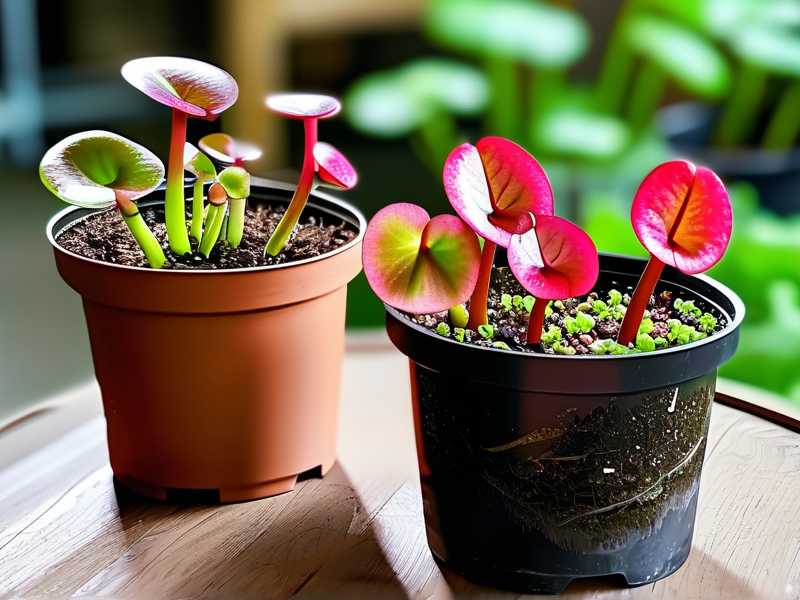
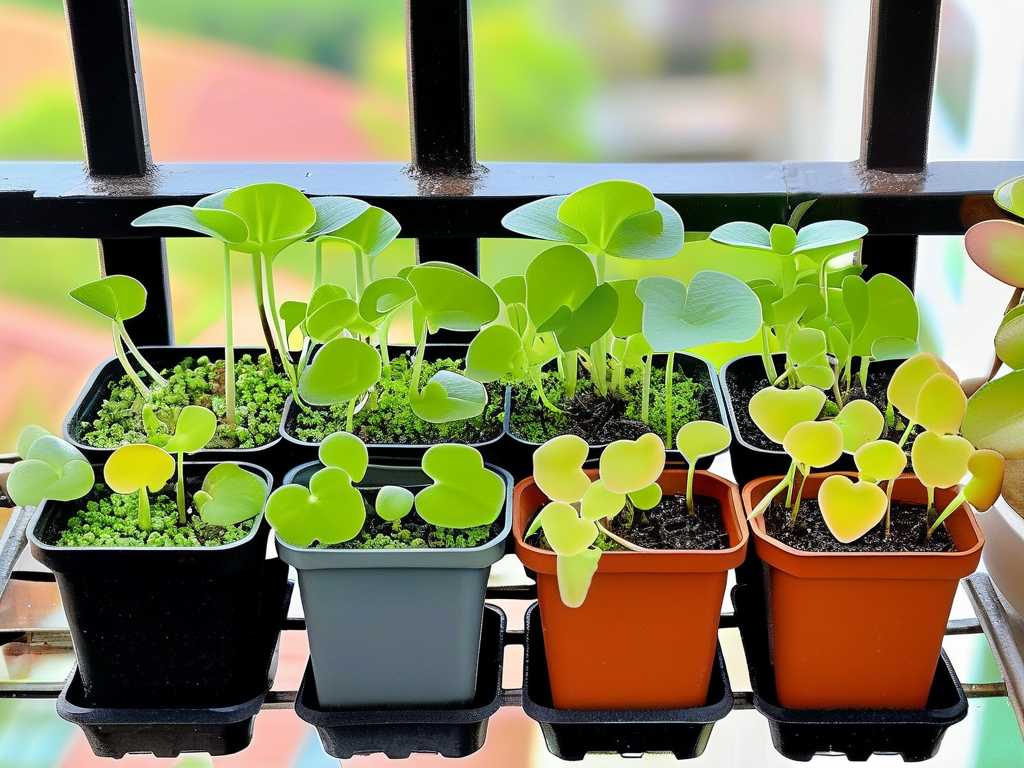
- Pots and Containers: Deep drainage is non-negotiable. I used 4-6 inch plastic pots with many holes. A key tip: always use a saucer or tray to facilitate the water-from-below method.
- The Growing Medium: Never use potting soil or compost. It will kill your plants. I used a pure, long-fiber sphagnum moss mix, recommended for its moisture retention and acidity. Peat moss mixed with perlite (a 50/50 ratio) is another excellent, affordable option.
- Water: This is the most common pitfall. Tap water contains minerals that accumulate and burn the roots. I use only distilled water, rainwater, or reverse osmosis water. I bought a 5-gallon jug of distilled water—it lasts surprisingly long.
- Location: A south or east-facing balcony is ideal. My balcony gets about 4-5 hours of direct morning sun, which is perfect. Partial afternoon shade prevents scorching in hotter climates.
Step-by-Step: Planting and Initial Care
- Potting: I soaked the sphagnum moss in distilled water until it was fully hydrated. Gently, I filled the pots, made a small hole, and settled the sundew’s roots in, ensuring the crown (where leaves emerge) was above the medium. Firming it gently secured the plant.
- The First Watering: I placed the pots in their saucers and poured distilled water into the tray, about 1-1.5 inches deep. The medium soaks it up from the bottom, keeping the roots moist without waterlogging the crown—a critical step to prevent rot.
- Sunlight Acclimation: Even sun-loving plants can burn. I placed the pots in a slightly shadier spot on the balcony for two days before moving them to their final, sunnier location. This "hardening off" reduces transplant shock.
The First Crucial Two Weeks: Observation and Adjustment
This is where real learning happens. I kept a simple daily log.
- Days 1-3: The plants looked a little droopy—transplant shock. I maintained the water in the tray and ensured they got gentle morning sun. The dew on the tentacles was minimal, which was expected.
- Days 4-7: The Drosera capensis perked up noticeably. New, tiny leaves began to unfurl. The spatulata was slower but stable. Here was my first mistake: I let the water tray dry out completely for one afternoon. The moss surface turned light brown. I immediately refilled the tray, and the moss rehydrated within hours. The lesson: consistent moisture is key. The tray should never be dry for extended periods.
- Days 8-10: Dew production increased dramatically! The tentacles glistened in the morning light. I noticed tiny fungus gnats—common in balcony gardens—were getting stuck. The plants were starting to feed themselves. My second mistake was trying to "help" by feeding them a dead fruit fly. It’s messy and unnecessary. Healthy sundews in a balcony environment will catch their own prey.
- Days 11-14: Both plants showed vigorous new growth. The capensis had a new leaf nearly every other day. I rotated the pots 90 degrees to ensure even sun exposure and prevent leaning. The ecosystem was establishing itself.
Balcony-Specific Challenges and Solutions
- Wind: Balconies can be windy. Strong gusts can damage delicate leaves and dry the plants out faster. I solved this by grouping my sundew pots with other sturdier plants, creating a natural windbreak. A small, transparent windscreen can also work.
- Temperature Fluctuations: Nights got cooler. Most common sundews tolerate a range, but I brought them slightly closer to the balcony wall during an unseasonably cold night. For hot summers, afternoon shade is your best friend.
- Pests (The Good and Bad): Aphids can sometimes attack new growth. I spotted a few. Instead of insecticidal soap (which can harm the plant), I used a cotton swab dipped in distilled water to gently wipe them off. The sundews themselves handled the fungus gnats.
Feeding and Long-Term Maintenance
You don’t need to feed your sundews if they’re on a balcony. They will attract and catch small insects naturally. Overfeeding can rot the leaves. If you must feed (indoors during winter), a tiny insect no larger than 1/3 the leaf size, once a month, is plenty. Watering remains the same: always keep water in the tray with distilled or rainwater. During peak heat, you may need to refill it more often. In winter, reduce frequency but never let the medium dry out completely.
What if my sundew loses its dew? This is usually a sign of stress from low humidity, improper water, or insufficient light. During my two-week trial, the dew vanished when the tray dried out. I corrected the water, provided good morning sun, and the dew returned within 48 hours. Misting is not recommended; it can wash the dew away.
Can I use fertilizer on my balcony sundews? Absolutely not. Sundews get their nutrients from insects. Fertilizer, even in tiny amounts, will burn their roots and likely kill them. Their adapted roots are only for water and anchorage.
Will my sundew survive the winter on the balcony? It depends on your climate and the species. My Drosera capensis can handle mild frosts, but for a harsh winter, I plan to move it to a bright, cool indoor windowsill. Drosera spatulata is more cold-sensitive. Always research your specific species' dormancy needs.
Growing sundews on my balcony has been an incredibly rewarding experience. It demystified carnivorous plant care and proved that with the right fundamentals—the correct water, soil-free medium, and ample light—these fascinating plants can thrive in an urban setting. Watching the daily drama of dew formation and insect capture has made my balcony my favorite escape. Start with the right supplies, be patient through the initial adjustment period, and learn from the small hiccups. Your own glistening, insect-catching oasis is just a few steps away.