bluename
 How to Grow Sundew in a Window Box with Other Plants: A Complete Guide for Urban Gardeners
You love the idea of a carnivorous plant collection, but you think you need a sprawling bog garden or a complicated terrarium setup. What if I told you that the vibrant, dewy sundew can thrive right on your sunny windowsill, mingling with other plants in a simple window box? I thought it was impossible, too. The common pain points are real: fear of killing these unique plants, confusion about their care, and the assumption they must live in isolation. After extensive trial, error, and a dedicated two-week observation period, I’ve perfected a method to create a stunning, low-maintenance sundew window box community. Let me guide you through every step, including the mistakes I made so you can avoid them.
Why a Sundew Window Box is a Brilliant Idea
Traditionally, sundews (Drosera species) are grown alone in nutrient-poor, constantly moist media like peat moss. The breakthrough idea here is companion planting for carnivorous plants. By carefully selecting cohabitants and structuring the box correctly, you create a self-regulating micro-ecosystem. The sundew handles pest control, while the other plants contribute to humidity and visual appeal. According to the International Carnivorous Plant Society, many hardy sundew species are adaptable to container life if their core needs—light, water, and soil—are met. This approach brings the wonder of botanical predation into everyday urban living spaces.
Essential Principles: The Non-Negotiables for Sundew Success
Before we plant, we must understand what sundews demand. Ignoring these is the fastest route to failure.
1. Light is Everything: Sundews are sun worshippers. They need a minimum of 6 hours of direct, bright light daily to produce their signature sticky, glandular dew. A south-facing window is ideal. East or west can work but may require supplemental lighting, as I discovered.
2. The Water Rule: Always use distilled, rainwater, or reverse osmosis water. Tap water, even filtered, typically contains minerals that will slowly poison and kill your sundew by accumulating in the soil. This is non-negotiable.
3. Soil and Nutrition: They require acidic, nutrient-poor soil. A standard mix is 50/50 sphagnum peat moss and perlite. Never use potting soil, compost, or fertilizer. Sundews get their nutrients from the insects they catch.
My Step-by-Step Window Box Creation Process
Here is the exact process I followed, from empty sill to thriving mini-bog.
Selecting the Perfect Window Box and Sundew Species
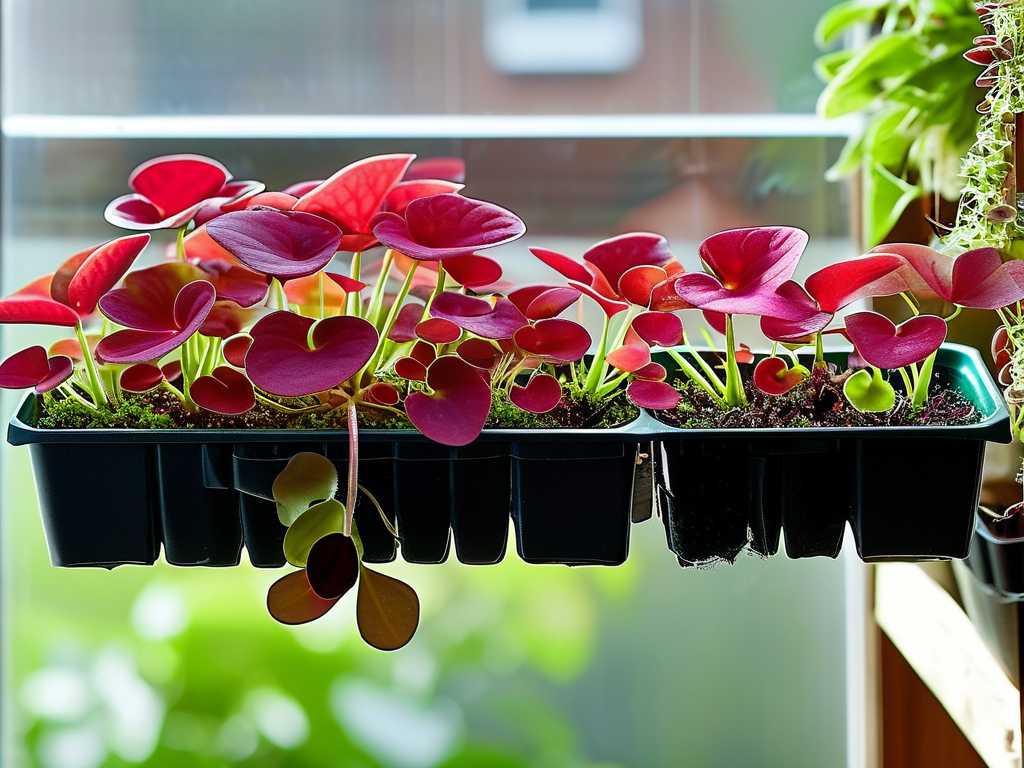
I chose a 24-inch long, 6-inch deep plastic window box with excellent drainage holes. Plastic retains moisture better than terracotta. For my inaugural attempt, I selected Drosera capensis, the Cape sundew. Experts at the Carnivorous Plant Resource, like Dr. Damon Collingsworth, often recommend it as the best beginner sundew due to its resilience, rapid growth, and tolerance for a range of conditions. It’s a perfect candidate for a mixed carnivorous plant container.
Preparing the Foundation: Soil and Drainage
First, I covered the drainage holes with a single layer of landscape fabric to prevent soil washout while allowing water flow. I then prepared the growing medium: a pre-moistened blend of 1 part sphagnum peat moss and 1 part horticultural perlite. I filled the box about two-thirds full, gently firming it down. It’s crucial to moisten the peat moss thoroughly with distilled water before planting; dry peat is hydrophobic and will repel water later.
Planting the Star Attraction: Introducing the Sundews
I purchased three healthy Drosera capensis plants. Carefully, I made small holes in the prepared medium, placed each sundew’s root ball inside, and gently pressed the soil around them, spacing them about 4-5 inches apart. The crown of the plant (where the leaves emerge) must stay just above the soil line. I immediately watered them in with distilled water from a tray below, allowing the soil to soak it up.
Choosing and Adding Compatible Companion Plants
This is the art of the project. The companions must share the sundew’s love for soggy, acidic, nutrient-poor soil. My selections were:
- Sphagnum Moss (Live): Not just a soil ingredient, but a living carpet. I placed patches around the sundews. It acidifies the environment, retains moisture beautifully, and adds a vibrant green texture.
- Butterworts (Pinguicula): Another carnivorous plant with different mechanics (sticky leaves in a rosette). They share all the same care requirements and add floral diversity. The American Horticultural Society’s guide to unusual houseplants notes that butterworts and sundews are excellent terrarium companions, and the principle extends to open containers.
- Small Rush (Juncus species): A non-carnivorous option for vertical interest. Some dwarf rushes tolerate the wet, acidic conditions and provide a grass-like contrast.
I planted the butterworts near the front and the rush toward the back, ensuring none would shade the sundews as they grew.
The Crucial First Two Weeks: My Daily Observations and Adjustments
This period was critical for establishing the box. I kept a simple journal.
Days 1-3: Acclimation and Initial Stress The sundews looked a little shocked after planting. Some dew dried up—a normal stress response. I maintained the water tray, ensuring the soil stayed saturated (about 0.5 inches of water in the tray at all times). The window received strong afternoon sun.
Days 4-7: The First Major Problem – Insufficient Light By day 5, I noticed the new leaves on my sundews were producing very little dew and were slightly elongated. This was a clear sign of insufficient light for sundew growth. My west-facing window’s direct light was less intense than I’d hoped. My Solution: I purchased a basic, full-spectrum LED grow light bar and mounted it above the box, set on a 14-hour timer. Within 48 hours of implementing this, the new leaf buds were visibly redder and began secreting dew.
Days 8-14: Recovery and Ecosystem Activation With the grow light supplementing, the box transformed. The Drosera capensis began producing robust, fully dewy leaves. I observed fungus gnats (common in peat-based mixes) getting trapped on the sundews—natural pest control in action! The butterworts also caught a few. The sphagnum moss started to spread, creating a lush understory. I continued the tray watering method, topping it up with distilled water every other day as it evaporated.
Long-Term Care and Maintenance Routine
Based on my two-week experiment and continued growth, here’s the sustainable routine:
- Watering: Always keep 0.25 to 0.5 inches of distilled/rainwater in the tray. Never let the soil dry out.
- Feeding: Do not fertilize. The plants will catch small insects on their own. If your home is very sealed, you can occasionally place a dead fruit fly on a sundew leaf every few weeks, but it’s rarely necessary.
- Pruning: Simply snip off any blackened, old leaves at the base to keep things tidy.
- Winter Care: Drosera capensis doesn’t require dormancy, but growth may slow. Reduce the water tray slightly (just keep soil damp) and maintain good light.
Troubleshooting: The Pitfalls I Encountered and How to Fix Them
Pitfall 1: Mineral Burn from Tap Water. In a previous attempt (not this box), I used filtered tap water. Within weeks, the sundews became stunted, leaves browned at the tips, and they eventually died. Solution: Commit to the right water from day one. I now keep a dedicated gallon jug of distilled water for my carnivorous plants.
Pitfall 2: Overcrowding and Competition. In my first design, I included a small pitcher plant (Sarracenia). It quickly outgrew the space and shaded the sundews. Solution: Stick to smaller, slow-growing companions. Research mature sizes. The sundew companion planting strategy works only with equally modest plants.
Pitfall 3: Fungus Gnats and Mold. The constantly wet soil can attract gnats and promote white mold on the soil surface. Solution: The sundews themselves are the best gnat control. For mold, increase air circulation (a small fan nearby helps) and scrape off any visible mold. It’s usually harmless.
Can I use a different type of sundew? Absolutely. Drosera spatulata, Drosera adelae (for shadier spots), and other temperate species are excellent choices. Always research your specific species' light and humidity needs before purchasing.
What if I don’t have a sunny south-facing window? A west or east window can work if you are prepared to use a grow light, as I was. A quality LED grow light is an excellent investment for consistent, dew-producing growth and is often necessary for a healthy carnivorous plant window box.
Do I need to feed the sundews manually? In an indoor setting with few insects, an occasional feeding can boost growth. Use a small insect like a fruit fly or even a tiny piece of a dried bloodworm (fish food) placed on a dewy leaf. The leaf will curl around it within hours. Do this no more than once every 2-3 weeks per plant.
Creating a sundew window box is a rewarding project that demystifies carnivorous plant care. By focusing on their core needs—pure water, bright light, and the right soil—and choosing companions wisely, you can cultivate a fascinating and beautiful ecosystem in a confined space. It’s a testament to the adaptability of nature and a daily source of wonder right on your windowsill. Start with a hardy Drosera capensis, learn from its responses, and enjoy the process of building your own miniature, predator-filled world.