bluename
 How to Grow Sundew in a Bog Garden with Venus Flytraps: A Step-by-Step Guide
I’ve always been fascinated by the idea of a miniature, self-sustaining ecosystem right in my backyard. The dream of growing carnivorous plants like sundews and Venus flytraps together in a thriving bog garden seemed perfect. Yet, every time I tried, I’d hit the same wall. My plants would arrive full of promise, only to wither within weeks. The frustration was real—was it the water, the soil, the sun, or some mysterious combination of all three? I knew these weren’t your average petunias; they have very specific, non-negotiable needs. If you’ve ever bought a vibrant flytrap only to watch it turn black and die, you know the exact pain point I’m talking about. It feels like a failure, but it’s usually just a lack of the right information.
This guide is the result of my own successful journey, a detailed account of how I finally created a flourishing bog garden that harmoniously supports both sundews and Venus flytraps. I’ll walk you through my exact process, the mistakes I made along the way, and the crucial two-week observation period that confirmed I was on the right track. Let’s build a predator-filled paradise together.
Understanding the Perfect Partnership: Why Sundews and Flytraps Thrive Together
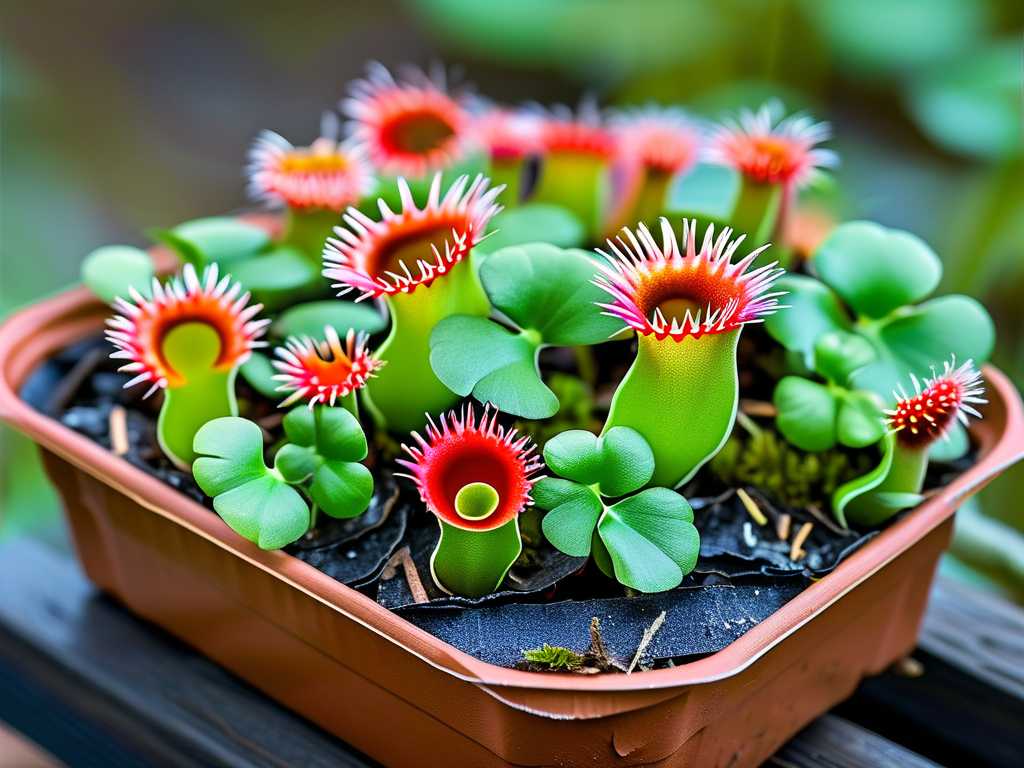
Before we dig in, it’s essential to understand why these two carnivorous plants make such excellent bog garden companions. They share nearly identical core requirements, which simplifies care immensely. Both are native to nutrient-poor, waterlogged, sunny environments like the Carolina bays. Their evolution to catch insects is a direct response to the lack of nitrogen and other minerals in their native peat-based soil.
According to the International Carnivorous Plant Society (ICPS), the golden rule for these species is pure water, acidic soil, and full sun. This shared foundation is why designing a bog garden for carnivorous plants works so well. You’re not trying to balance conflicting needs; you’re creating one optimal habitat for multiple species. The sundews, with their sticky, glistening tentacles, often catch smaller flying insects, while the Venus flytraps act as the snap-jawed guardians for larger prey like flies and spiders. This diversity can lead to a more balanced miniature ecosystem.
My Step-by-Step Construction and Planting Process
I decided to build an in-ground bog garden to provide stable temperatures and moisture. Here is the exact process I followed.
Selecting and Preparing the Ideal Location The single most important decision is location. These plants need a minimum of 6 hours of direct sunlight daily. I chose a spot that gets full morning sun and partial afternoon light. I then marked out a 3-foot by 2-foot area and began digging. My goal was a hole about 18 inches deep. This depth provides a sufficient reservoir of water to prevent the roots from drying out, especially in summer.
Creating a Reliable Water Reservoir This is where I made my first major mistake in previous attempts. I initially used a simple pond liner with drainage holes. It failed because the soil became waterlogged and stagnant, leading to root rot. The solution, supported by experts at the Carnivorous Plant Nursery, is to create a false bottom. Here’s what I did right this time:
- I lined the entire hole with a 45-mil PVC pond liner (durable and safe).
- At the bottom, I placed a layer of clean, rinsed pea gravel about 2 inches deep.
- I then inserted a vertical section of 3-inch PVC pipe into this gravel layer, ensuring it reached the top of the hole. This is my water level monitoring and filling tube. I can pour water down this pipe to fill the reservoir at the bottom without disturbing the soil or plants above.
Mixing and Adding the Critical Soil Medium Never, ever use potting soil, compost, or fertilizer. It will kill your plants. The required medium is nutrient-free and acidic. I mixed my own using a 50/50 blend of sphagnum peat moss and horticultural sand. It’s vital to use sand labeled as horticultural or sharp sand, not play sand or beach sand, which can contain salts and minerals. I moistened the mix thoroughly with distilled water before filling the lined hole, leaving about 2 inches from the top. I gently firmed the medium but did not compact it.
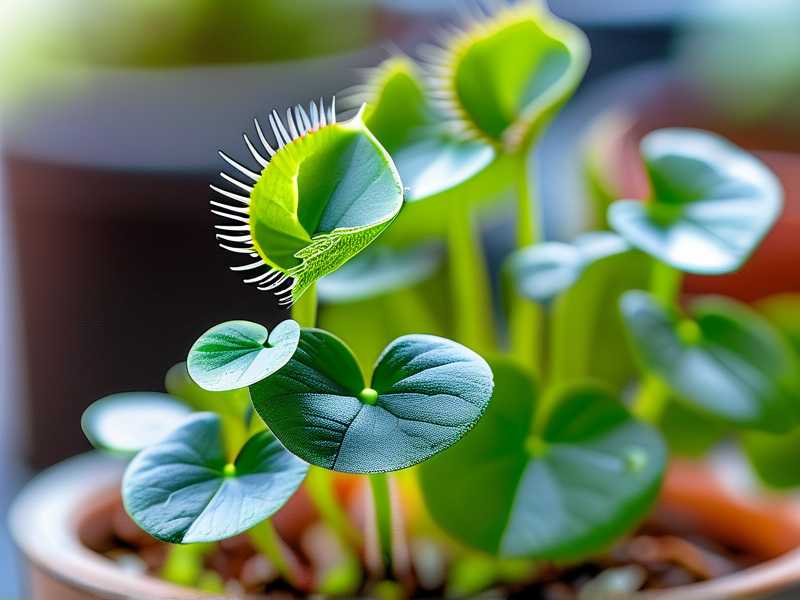
Acclimating and Planting the Carnivorous Stars I sourced my plants from a reputable carnivorous plant specialist. Upon arrival, I gave them a crucial 48-hour acclimation period in their pots, placed in a shaded, humid area. This reduces transplant shock. For planting, I created small holes, carefully teased apart any circling roots, and settled the plants in. I focused on growing sundew with Venus flytraps by grouping them aesthetically but giving each room to grow. I planted Drosera capensis (Cape sundew) as it’s robust and a great beginner species, alongside several typical Venus flytraps (Dionaea muscipula). I finished by topping the soil with a thin layer of live sphagnum moss to help retain surface moisture and add a natural look.
The Crucial First Two Weeks: Observation and Adjustment
This period was my make-or-break monitoring phase. I documented everything daily.
Week One: Establishing and Hydrating The first week was all about moisture management. I kept the soil consistently damp to the touch by watering from above with distilled water. I also poured water down the monitoring pipe until I saw water visible about halfway up the gravel layer. I avoided flooding the soil surface. The plants showed slight signs of stress—a few older traps on the flytraps turned black, which is normal after the shock of shipping and repotting. The sundews’ dew production was minimal at first. I ensured they received their full sun exposure, which is key for both dew development and trap coloration.
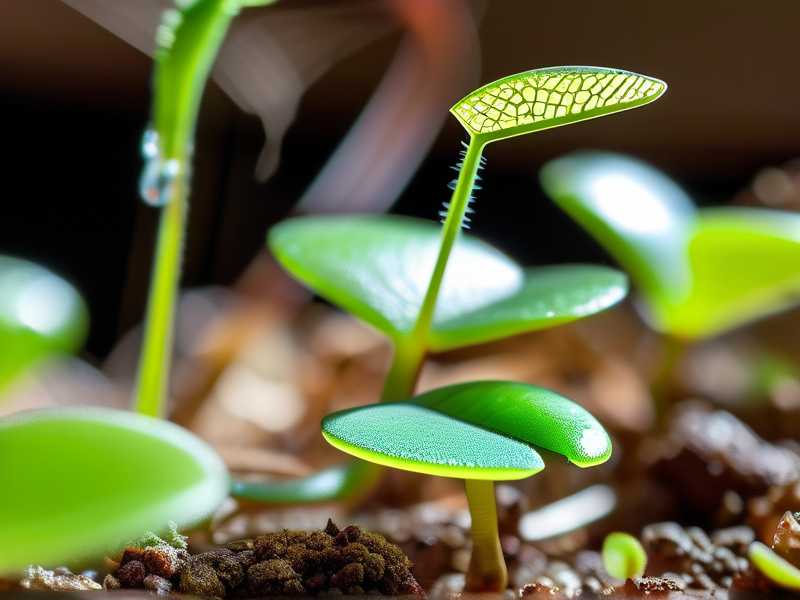
Week Two: Signs of Success and a Pest Scare By day 10, the positive signs were undeniable. New, tiny traps were emerging from the centers of both the flytraps and the sundews. The Drosera capensis began producing beautiful, sticky dew on its new growth. This was the confirmation I needed—the plants were actively growing and had adapted to their new home.
However, I faced a problem. I noticed tiny aphids on the flower stalk of one sundew. Carnivorous plants can still fall prey to pests. Instead of insecticidal soap (which can harm them), I used the recommended method: a gentle swipe with a cotton swab dipped in distilled water to physically remove them. I repeated this for two days, and the infestation was resolved. This incident underscored the importance of close, daily observation.
Ongoing Care: Keeping Your Bog Garden Thriving
Once established, care becomes a simple rhythm.
Watering: The Non-Negotiable Rule I use only rainwater, distilled water, or reverse osmosis water. Tap water, even filtered, often contains dissolved minerals that will accumulate and slowly poison the plants. I check the water level via my PVC pipe weekly, adding more as needed, especially during hot, dry spells. The surface gets a light spray every other day if there’s no rain.
Feeding and Dormancy You don’t need to fertilize. If your garden is outdoors, it will catch its own food. I sometimes feed a flytrap the occasional dehydrated bloodworm (used for fish) as a treat, but it’s unnecessary. The most critical annual care is respecting winter dormancy. As temperatures drop and daylight shortens, the plants will stop growing. Some leaves will die back. This is vital for their long-term health. I simply remove dead material and, in my zone, protect the bog with a layer of pine straw mulch during a hard freeze. They will re-sprout vigorously in spring.
Common Pitfalls and How I Solved Them
- Pitfall 1: Using the Wrong Water. This was my original sin. I used filtered tap water, and my plants declined over months. Solution: Invest in a distiller or collect rainwater. It’s the first and most important step.
- Pitfall 2: Insufficient Light. In a shadier spot, my plants became leggy, green, and produced no dew. Solution: I moved the entire bog garden. They must have direct, intense light to thrive and develop their characteristic colors and sticky dew production.
- Pitfall 3: Overcrowding. Initially, I planted too densely, which stifled air circulation. Solution: I gave them more space during my redesign, allowing each plant room to form its own rosette and catch light.
Frequently Asked Questions
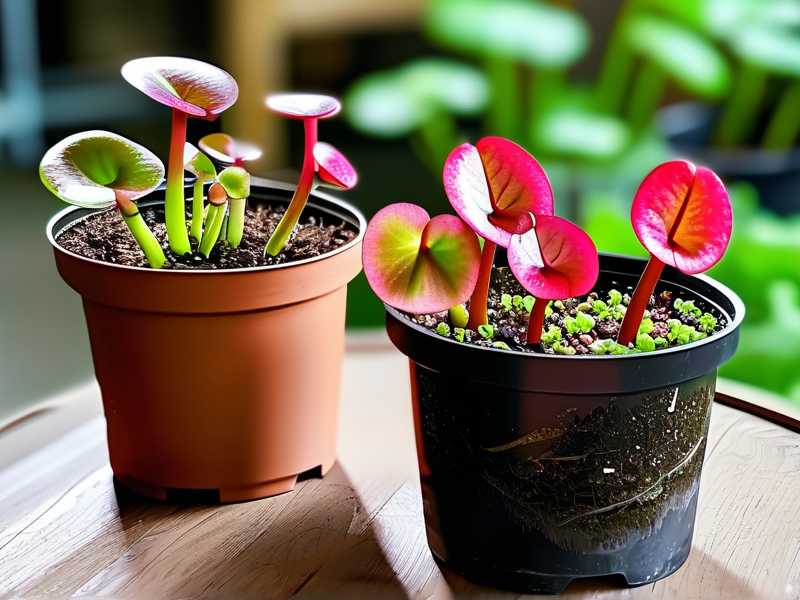
Can I grow sundews and Venus flytraps in the same pot indoors? Absolutely. The principles are identical. Use a pot without drainage holes, the 50/50 peat/sand mix, and provide water and sun as described. A sunny south-facing window is a must, or they will need strong grow lights.
Why are the new traps on my Venus flytrap small? This is common after repotting or at the start of a season. As the plant establishes its root system and receives ample light, subsequent traps will grow larger. Ensure it’s getting maximum sun and pure water.
My sundew has lost its dew. What’s wrong? The most common causes are low humidity (often indoors), insufficient light, or the use of improper water. Outdoors, ensure full sun. Indoors, you may need to increase humidity with a tray of water nearby or a humidifier, and always double-check your light source and water quality.
Creating a successful carnivorous plant bog garden is deeply rewarding. It’s a lesson in precision—providing the specific conditions these ancient, specialized plants require. By mimicking their natural habitat with pure water, acidic soil, and abundant sun, you’re not just keeping them alive; you’re allowing them to flourish. Watching the morning sun glint off the dewy tentacles of a sundew, or seeing a Venus flytrap snap shut on its prey, is a unique joy. It transforms a patch of your garden into a dynamic, living display of botanical adaptation. Start with the basics, be patient through the acclimation period, and you’ll be able to enjoy this fascinating partnership for years to come.