bluename
 How to Grow Sundew in a Bog Garden with Other Plants: A Step-by-Step Guide from a Fellow Plant Lover
I’ve always been fascinated by the otherworldly beauty of carnivorous plants. Their delicate, glistening tentacles seem like something from a sci-fi movie, yet they thrive in some of our planet's most unique and fragile ecosystems. For years, I admired sundews (Drosera) from afar, convinced they were too finicky, too expert-level for a home gardener. My dream was to create a living tapestry—a miniature ecosystem where these insect-trapping wonders could coexist with other bog-loving plants. The core problem? Most guides were either overly simplistic or intensely scientific. I needed a practical, from-the-ground-up plan that addressed the real challenges: maintaining constant moisture, providing the right soil, choosing compatible companion plants, and understanding the day-to-day care without a greenhouse.
After extensive research and trial and error in my own backyard, I successfully built a thriving bog garden. In this guide, I’ll walk you through my exact process, share the mistakes I made along the way, and show you the results from my two-week monitoring period that proved this setup really works.
Understanding the Bog Garden Ecosystem
Before we dig in, it’s crucial to grasp what we’re recreating. A bog is a nutrient-poor, acidic, and perpetually wet environment. Sundews have evolved to catch insects to supplement the lack of nitrogen and other nutrients in the soil. This is our golden rule: No nutrients, no minerals, no fertilizers. Introducing any of these will quickly kill your sundews and most other carnivorous plants.
I consulted resources from the International Carnivorous Plant Society (ICPS) and expert growers to solidify this understanding. Their collective wisdom emphasizes that success hinges on mimicking these natural conditions as closely as possible, not on coddling the plants with rich mixes or plant food.
My Step-by-Step Construction and Planting Process
Here is the exact sequence I followed, which you can adapt to your own space, whether you’re using a container, a pond edge, or an in-ground bed.
Choosing and Preparing the Container
I opted for a container bog garden for control and mobility. I used a large, non-draining ceramic pot (about 18 inches deep and 24 inches wide). The lack of drainage holes is vital to keep the “water table” high. If your container has holes, seal them with a waterproof silicone sealant.
Next, I prepared the growing medium. Standard potting soil is a death sentence. I used a 50/50 mix of sphagnum peat moss and horticultural sand (not builder’s sand, which contains salts and minerals). I moistened the peat moss thoroughly before mixing to make it workable and to avoid dry pockets. This mix is acidic, nutrient-free, and retains water while allowing some aeration for the roots.
Creating the Water Reservoir
This is the trick to maintaining constant moisture without daily watering. I filled the bottom third of the pot with a layer of rainwater or distilled water. Then, I slowly added my peat/sand mix, letting it settle and wick up the water until the medium was saturated but not flooded—like a very wet sponge. The goal is to have a permanently soggy base with a slightly less sodden surface for planting.
Selecting and Arranging the Plants
This is where the art meets the science. My goal was a visually interesting and ecologically sound community.
- The Star: Sundews (Drosera): I chose two hardy, beginner-friendly species: Drosera capensis (Cape Sundew) for its tall, impressive form and Drosera spatulata for its lovely rosette shape. These are the core of our how to grow sundew in a bog garden project.
- The Supporting Cast – Companion Plants: To create a true bog plant community, I added:
- Pitcher Plants (Sarracenia): A classic companion. Their vertical pitchers complement the low-growing sundews.
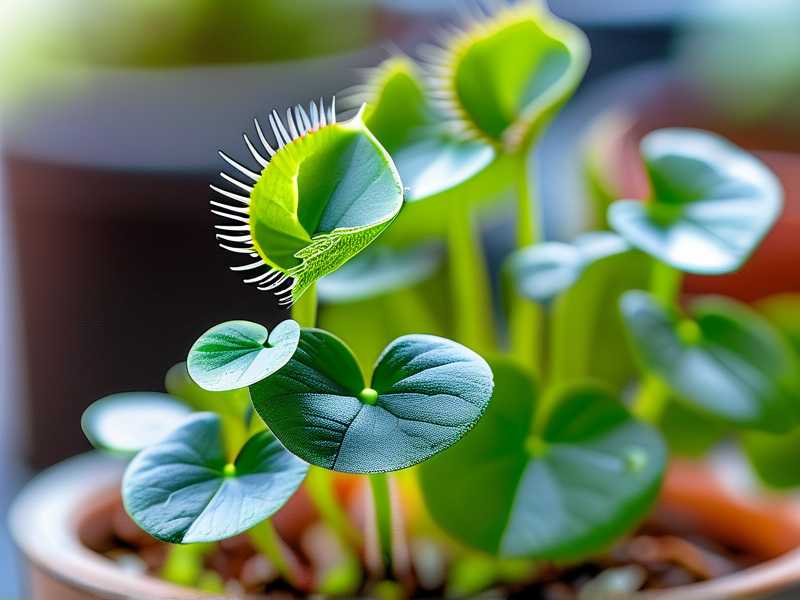
- Venus Flytraps (Dionaea muscipula): Another carnivore that shares the same soil and water needs.
- Non-Carnivorous Bog Plants: I included Sphagnum moss (live, not dried) as a living mulch, and a small cranberry (Vaccinium macrocarpon) plant for seasonal interest and its love of acidic, wet conditions. This approach directly answers the search for sundew companion planting in a bog setup.
I arranged the taller Sarracenia near the back, placed the sundews where their dewy leaves could catch light (and insects!) without being shaded out, and let the live Sphagnum moss fill in the gaps. Planting was done gently to avoid damaging delicate roots.
Watering and Siting the Bog Garden
This is non-negotiable: Use only rainwater, distilled water, or reverse osmosis water. Tap water, even if left to sit, contains minerals that will accumulate and kill your plants. I keep a large rain barrel specifically for this purpose.
I placed the finished bog container in a spot that receives at least 6 hours of direct sunlight. Sundews need full sun to produce their signature sticky, red dew. More sun equals happier, dewier, and more colorful plants.
The Crucial First Two Weeks: Observations and Adjustments
The initial period after planting is critical. Here’s my day-by-day log of the sundew growth timeline in a mixed bog garden.
- Days 1-3: The plants looked slightly shocked from transplanting (transplant shock is normal). The dew on the sundews diminished. I kept the water level in the reservoir steady and ensured they got full sun.
- Days 4-7: Signs of recovery! Drosera capensis began producing new, dewy leaves. The live Sphagnum moss started to show vibrant green growth—a great indicator of a healthy microenvironment. I noticed the surface peat was drying slightly faster than I’d liked in the peak afternoon sun.
- Days 8-10: The first major issue arose. The edges of a few Drosera spatulata leaves began to brown. I panicked, thinking it was mineral burn. Upon closer inspection and consulting forums, I diagnosed it as a combination of slight sun scorch (the new growth was tender) and, more importantly, low humidity around the leaves on a particularly hot, windy day. The central growing points were still healthy.
- My Solution: Instead of moving the garden to shade (which would cause weaker growth), I increased the ambient humidity. I placed a shallow tray of water and pebbles next to the bog pot. I also began lightly misting the air around the plants (not directly drenching them) with distilled water in the early morning. This simple step made a dramatic difference within 48 hours.
- Days 11-14: Recovery and thriving. New leaves emerged without browning. The dew production became copious and sticky, successfully trapping small gnats. The pitcher plants showed new growth, and the cranberry plant held its own. The ecosystem was stabilizing. The results of growing sundews with other bog species were visibly positive—each plant type seemed to benefit from the shared microclimate and consistent care routine.
Long-Term Maintenance and Seasonal Care
Beyond the first two weeks, care is refreshingly simple. Keep the water reservoir topped up with pure water. In winter, for my temperate plants, I moved the container to an unheated garage where it could experience a natural, cold dormancy (keeping the soil just damp, not soggy). I remove any dead leaves to prevent mold. No feeding is necessary—they will catch what they need.
What are the best companion plants for a sundew bog garden? Beyond the carnivorous plants mentioned, consider other acid-loving, moisture-tolerant species like certain sedges (Carex), bog rosemary (Andromeda polifolia), or even the striking white-topped pitcher plant (Sarracenia leucophylla). Always research their hardiness and ensure their needs match the sundew’s core requirements of wet, nutrient-poor, acidic soil.
Can I use tap water if I boil it or let it sit? No. Boiling or letting water sit removes chlorine (which can evaporate) but not the dissolved minerals like calcium and magnesium, which are the real killers. These minerals concentrate in the soil over time. Rainwater or distilled water is the only safe choice for a sustainable bog garden plant community.
My sundew isn’t producing dew. What am I doing wrong? Lack of dew is almost always due to insufficient light. Sundews need direct, bright sunlight to produce the sticky mucilage. Move it to a sunnier location. Other, less common causes could be using the wrong water (mineral buildup) or extremely low humidity, which the misting technique I described can help mitigate.
Building this bog garden taught me the joy of creating a balanced, self-sustaining slice of nature. The key takeaways are unwavering commitment to pure water, full sun, and the right soil mix. Watching the sundews glisten next to their pitcher plant neighbors, all thriving together, is immensely rewarding. It demystifies these incredible plants and proves that with the right foundation, anyone can cultivate a successful and captivating carnivorous plant garden. Start with a simple container, follow these steps, and be patient—your own miniature bog ecosystem will come to life.