bluename
 How to Grow Drosera Spatulata 'Red' (Cultivar): A Grower's Complete Guide from Struggle to Success
I remember the first time I saw a photo of Drosera spatulata 'Red'. Its rosette was a stunning, deep crimson, each leaf tipped with glistening, ruby-red dew. I was captivated. But my excitement quickly turned to frustration. My first attempts ended in disappointment—pale, weak plants that never developed that signature color, or worse, sudden collapses into mush. If you're here, you've likely faced similar struggles. Growing this particular sundew cultivar can feel like a delicate art, distinct from its more common green cousins. The promise of that vibrant red hue is alluring, but achieving it requires understanding its specific needs. After years of trial, error, and meticulous note-taking, I’ve perfected a reliable method. In this guide, I’ll walk you through my exact process, including the mistakes I made and how I fixed them, so you can confidently cultivate a thriving, vividly red Drosera spatulata 'Red'.
Understanding Your Drosera Spatulata 'Red'
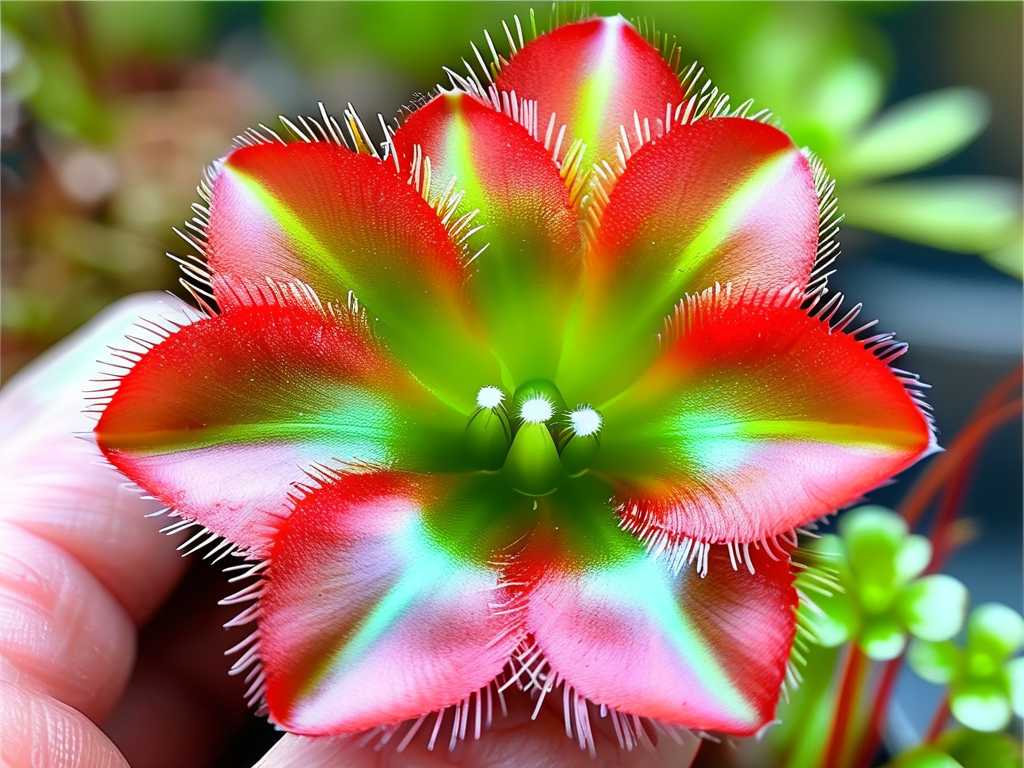
Before we get our hands dirty, it's crucial to know what makes this plant tick. Drosera spatulata 'Red' is a selected form prized for its intense coloration. It’s not a different species, but its cultivation demands are slightly more precise to unlock its full potential. According to the International Carnivorous Plant Society (ICPS), while many sundews are adaptable, cultivars with enhanced pigmentation often require optimal light levels to express their color fully. This isn't just about survival; it's about helping the plant thrive and show off its best self.
My Essential Setup for Sundew Success
Gathering the right materials from the start prevents countless problems. Here’s what I use and why.
-
The Perfect Potting Mix: A Non-Negotiable Foundation I cannot stress this enough: standard potting soil will kill your sundew. These plants evolved in nutrient-poor environments. My mix is 50% sphagnum peat moss and 50% perlite. I always rinse the perlite in distilled water to remove dust. This blend is airy, acidic, and holds moisture without becoming soggy. I learned this the hard way when I once added a bit of coir; the plant’s growth stalled, and the dew production dropped significantly.
-
Water: The Most Common Pitfall Tap water, even filtered, typically contains minerals that will slowly poison your carnivorous plant. I use only distilled water, reverse osmosis (RO) water, or rainwater. I keep the pot sitting in a shallow tray (about 0.5 to 1 inch deep) of this water at all times. This "tray method" perfectly mimics their natural boggy conditions.
-
Lighting: The Key to Unlocking 'Red' This is the secret sauce for the red coloration. Insufficient light will give you a green or faintly pink plant. I provide very bright light for my sundew plants. My best results come from a strong grow light. I use a full-spectrum LED panel positioned about 6-8 inches above the plant, running for 14-16 hours a day. A south-facing windowsill can work, but be prepared for the plant to stretch (etiolate) toward the light, losing its compact form.
-
Humidity and Airflow While they appreciate humidity, stagnant air invites mold and fungal issues. I grow mine in a room with average household humidity (around 50%), but with gentle airflow from a ceiling fan. A terrarium can work, but it must have ventilation.
Step-by-Step: Planting and Acclimating Your New Plant
When my new Drosera spatulata 'Red' arrived in the mail, it was a bit stressed. Here’s my exact transplant and acclimation process.
- I prepared a clean, plastic pot (3-4 inches wide) with drainage holes. Plastic retains moisture better than terra cotta.
- I moistened the peat/perlite mix with distilled water until it was damp but not dripping.
- Gently, I removed the plant from its shipping container, carefully teasing away any old media from its roots. The roots are fine and delicate, so I was patient.
- I made a small hole in the center of the new pot, placed the plant in, and gently firmed the media around it.
- Immediately, I placed the pot into its permanent water tray filled with distilled water.
- I placed it directly under my grow light, but at the very edge of the bright zone for the first two days, then moved it to the center. This prevents light shock.
The Critical First Two Weeks: My Observation Log
This initial period is when problems often surface. I monitored my plant daily.
- Days 1-3: The plant looked a little limp. The existing dew had dried up during shipping. This is normal. I ensured the tray had water and left it alone.
- Days 4-7: I saw the first sign of success: tiny new droplets forming at the tips of the tentacles. The central growth point looked green and alive. No new red color yet.
- Days 8-10: Active growth began! Two new, small leaves started to unfurl from the center. They emerged with a slight pinkish tinge. I noticed a fungus gnat buzzing around—a common issue with moist peat. I placed a yellow sticky trap nearby, which solved the problem organically.
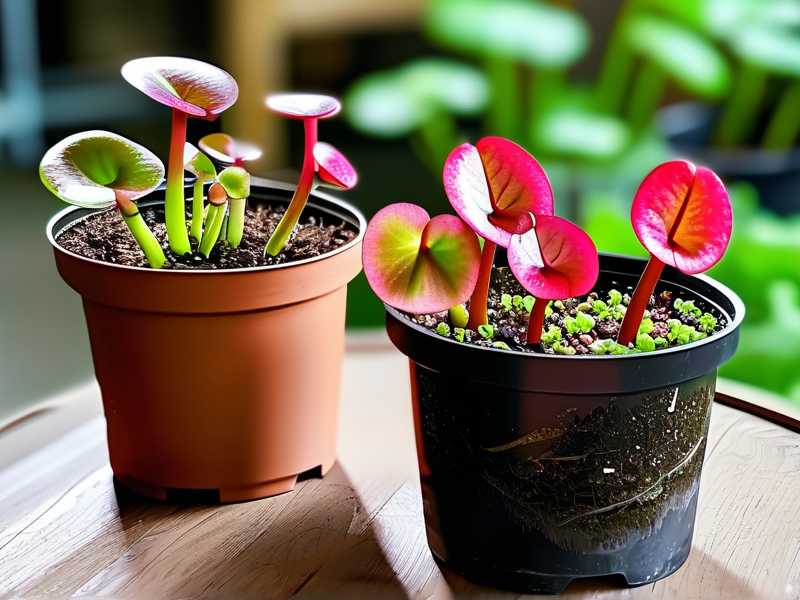
- Days 11-14: The new leaves grew larger. Under the strong LED light, their pink tinge deepened to a definite red, starting at the tentacle tips and moving down the leaf. The older, original leaves remained greener but began to show red speckles. The plant was clearly acclimated and happy.
Ongoing Care and Maintenance
Once established, care is simple but consistent.
-
Feeding: Do You Need To? In my bright indoor setup, insects are scarce. Feeding carnivorous plants occasionally boosts their growth. Once a month, I might place a dried bloodworm (fish food) or a tiny piece of a freeze-dried mealworm on a few leaves. The key is tiny—no larger than 1/3 the leaf size. Overfeeding can cause the leaf to rot. In summer, if I place the plant outdoors briefly, it catches plenty on its own.
-
Pruning and Grooming Old leaves turn black and die naturally. I snip them off at the base with clean scissors to keep the plant tidy and prevent mold. This also encourages new growth.
-
The Flowering Question Drosera spatulata 'Red' produces charming, small white flowers on tall stalks. Flowering takes energy. If my plant is young or I want to prioritize leaf/color growth, I snip the flower stalk as soon as it appears. Letting it flower once won't harm a healthy plant, and I’ve successfully collected the dust-like seeds for propagation.
Troubleshooting: Problems I've Faced and Solved
-
Problem: The Plant is Pale and Leggy.
- Cause & My Solution: Desperate need for more light. I moved it directly under the center of my LED panel. Within a week, new growth was compact and colorful. I propagated the healthier tips of the stretched plant to start fresh.
-
Problem: Brown or Black Leaves.
- Cause & My Solution: This can be old age (normal) or rot. I checked the crown (center). If it was mushy and black, it was often crown rot from overhead watering or contaminated media. I had to salvage any healthy leaf for propagation and start over with cleaner practices. Now, I only water via the tray.
-
Problem: Lack of Dew.
- Cause & My Solution: Usually due to low humidity, mineral-laden water, or pest stress (like aphids). I confirmed my water source was pure, checked for pests (a magnifying glass is essential), and if needed, placed a humidity dome (a clear plastic cup) over the plant for a few days to help it re-hydrate. It bounced back.
Propagating Your Sundew: How to Make More Plants
One of the joys of Drosera spatulata is how easily it propagates. My favorite method is leaf pullings. I select a healthy, dewy leaf, gently pull it from the base, and lay it on the surface of damp sphagnum moss. I keep it under bright, indirect light and in high humidity (under a dome). In 4-6 weeks, tiny plantlets sprout from the leaf! It’s incredibly rewarding.
Frequently Asked Questions
How often should I water my Drosera spatulata 'Red'? Never let it dry out. Use the tray method: keep the pot sitting in 0.5-1 inch of distilled, reverse osmosis, or rainwater at all times. Top up the tray as it evaporates. This constant, low-level moisture is what it craves.
Can I grow this sundew outdoors? Yes, in the right climate (USDA zones 8-10, with mild winters). It needs full sun to partial shade and must never dry out. In colder zones, I grow it outdoors in a sunny, boggy spot during the warm summer months and bring it indoors before the first frost. The outdoor sun often produces the most intense red colors.
Why is my 'Red' cultivar staying green? This is almost exclusively a light issue. It needs significantly more light intensity or duration. If on a windowsill, try a south-facing one. For guaranteed results, invest in a quality grow light. Also, ensure it's getting the proper cool nights if grown in temperate conditions; a temperature drop can sometimes enhance coloration.
Growing Drosera spatulata 'Red' is a deeply satisfying journey. It teaches patience, attention to detail, and rewards you with a living jewel of intense color. By providing the simple but specific trinity of pure water, bright light, and the right soil, you transform from a struggling grower to a confident cultivator. The moment you see those new leaves emerge with a deep, ruby-red glow, you’ll know every careful step was worth it. Start with the basics, observe your plant closely, and enjoy the process of nurturing this remarkable carnivorous cultivar.