bluename
 How to Grow Drosera Venusta 'Pink' (Cultivar): A Complete Care Guide from a Fellow Plant Lover
I remember the first time I saw a Drosera venusta 'Pink'—its dewy, pink-tentacled leaves looked like something from an alien world, shimmering under the grow lights. I was instantly captivated. But my excitement quickly turned to anxiety. This wasn't a typical houseplant; it was a specialized carnivorous plant cultivar, and information felt scattered and overly technical. My core fear, which I suspect many of you share, was simple: I didn't want to kill this beautiful, unique creature through my own ignorance. I wanted clear, actionable steps from someone who had actually done it, not just theoretical advice. So, I dove in, documenting every step and misstep over a crucial two-week establishment period and beyond. This guide is the result of that hands-on experience.
Understanding Your Drosera Venusta 'Pink'
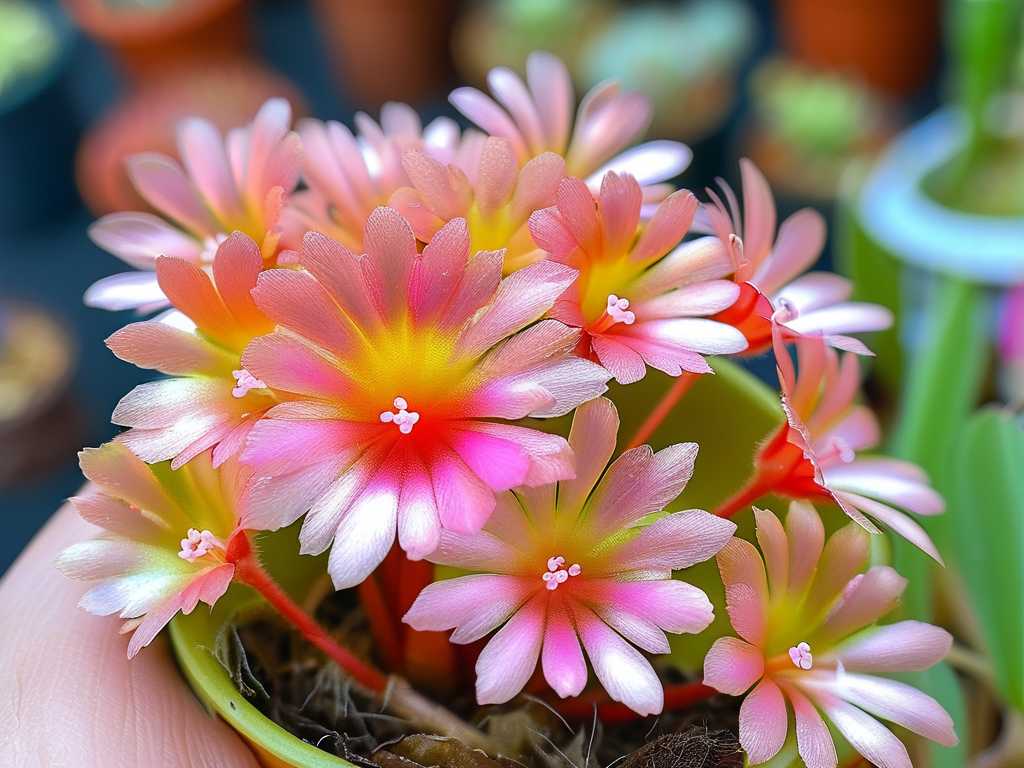
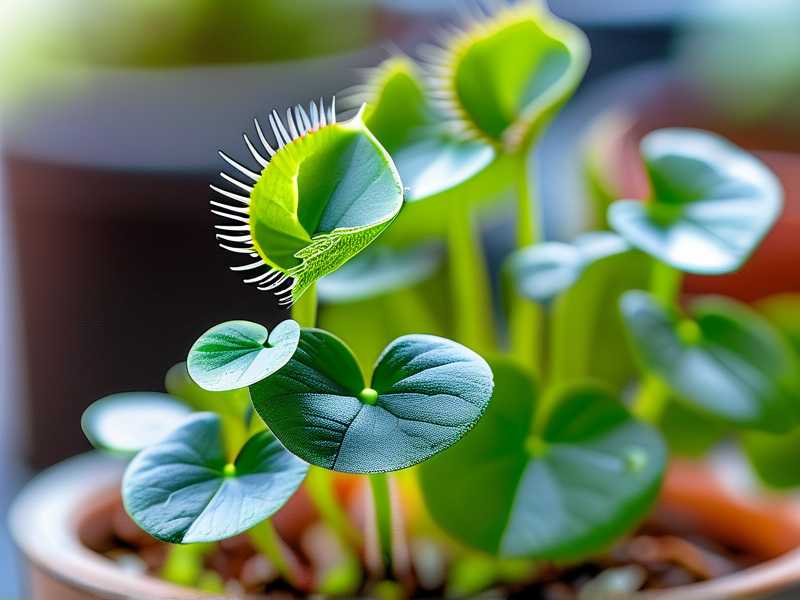
Before we get our hands dirty, let's understand what makes this plant special. Drosera venusta 'Pink' is a cultivar, a selectively bred form of the South African sundew species Drosera venusta. Its claim to fame is the stunning pink coloration of its mucilaginous tentacles and often the entire leaf under strong light. According to the Carnivorous Plant Society and experts cited in resources from the International Carnivorous Plant Society (ICPS), cultivars like this are prized for their unique aesthetics but retain the same fundamental biological needs as their species ancestors. This means we must respect its carnivorous nature and origins in nutrient-poor, soggy environments.
Essential Gear: Setting Up for Success from Day One
Getting the fundamentals right from the start is non-negotiable. Here’s what you absolutely need, based on my trial and error:
- Water: The Non-Negotiable Rule. You must use low-mineral water. Tap water, bottled spring water, or filtered water will contain minerals that slowly poison your sundew. I use only rainwater, distilled water, or reverse osmosis (RO) water. This is the single most important factor for long-term health.
- Soil Mix: Creating the Perfect Poor Medium. A standard potting mix is a death sentence. I use a simple 1:1 ratio of sphagnum peat moss and horticultural sand or perlite. The sand/perlite must be rinsed thoroughly to remove dust. This mix is acidic, drains well, and holds moisture without becoming compacted.
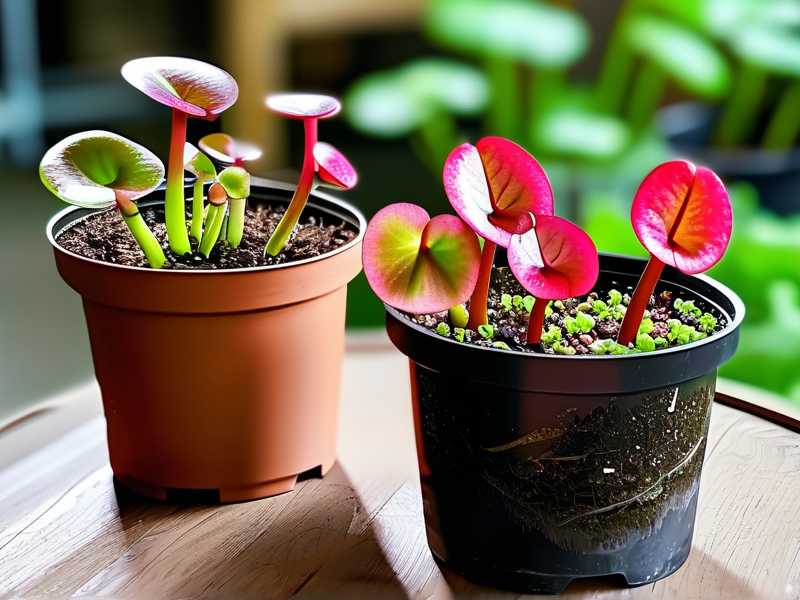
- The Pot and Tray System. Always use a pot with drainage holes. I place my plastic pot inside a deeper tray or saucer. The tray watering method is key: you keep about 0.5 to 1 inch of the appropriate water in the tray at all times, allowing the soil to wick up moisture. The soil surface should feel damp but not flooded.
- Light: The Source of That Vibrant Pink. To achieve that signature pink color, you need intense light. A south-facing windowsill might work, but I’ve had consistent success using a full-spectrum LED grow light. I position it about 6-8 inches above the plant, running for 12-14 hours a day.
My Step-by-Step Planting and Initial Care Process
Here is the exact process I followed, watching closely for the next two weeks.
Day 1: Planting and Positioning I filled my clean, 4-inch plastic pot with the pre-moistened peat/sand mix. I gently teased apart the root mass of my new Drosera venusta 'Pink', created a small hole, and settled it in, ensuring the crown (where leaves emerge) was just above the soil line. I gave it a gentle top-watering with distilled water to settle the roots, then placed it in its permanent tray with the first 0.5 inch of water. I immediately turned on the grow light on its 12-hour timer. The plant looked a bit shocked from shipping—leaves were mostly green with just hints of pink.
The First Week: Observation and Adjustment By Day 3, I noticed the first "trap" (a new, tiny leaf) starting to form in the center. The existing leaves began producing more dew. However, by Day 5, I spotted my first problem: the tips of two older leaves were browning. I panicked. After checking everything, I realized my mistake—the grow light was too intense too soon. I raised it from 6 inches to 10 inches above the plant. I also confirmed the tray still had water. I did not feed it; a newly transplanted sundew needs to focus on roots, not digestion.
The Second Week: Signs of Acclimation and First Feeding By Day 10, the browning had stopped. The new central leaf was growing rapidly and showed a definite pink hue under the (now correctly distanced) light. The plant was clearly acclimating. On Day 12, I decided to try its first feeding. Using tweezers, I placed a single, small dried bloodworm (sold for fish food) onto a mature, dewy leaf. It’s crucial to feed carnivorous plants appropriately—never use fertilizer in the soil, and only use insects or suitable substitutes. Within 30 minutes, the tentacles had curled dramatically inward, beginning the digestion process. This was a great sign of health.
Ongoing Care: Beyond the Establishment Phase
After the successful two-week transition, care becomes a steady routine.
- Watering: I check the tray every other day, refilling with distilled water as needed to maintain that constant shallow reservoir. The soil never dries out.
- Feeding: I feed one or two leaves every 2-4 weeks. In my indoor setup, it doesn't catch many bugs on its own. Overfeeding can stress the plant, so moderation is key. A small insect per leaf is plenty.
- Light: I keep the 12-hour light schedule consistent. The pink coloration has become deeply vibrant, covering not just the tentacles but the leaf stalks as well.
- Humidity: While they appreciate moderate humidity, my Drosera venusta 'Pink' has adapted well to average household humidity (around 40-50%) as long as the soil moisture is correct. A terrarium isn't necessary and can cause mold issues without adequate airflow.
Common Problems I Encountered (And How I Fixed Them)
- Leaf Browning or Lack of Dew: This was my Week 1 issue. Causes can be incorrect water (always rule this out first), acclimation stress, or low humidity. Adjusting the light distance and ensuring perfect water solved it for me.
- Fungus Gnats: These pests love wet peat. I placed yellow sticky traps in the pot to catch adults. For the larvae, I started watering from the tray only and allowed the top quarter-inch of soil to dry slightly between refills, which broke their life cycle without harming the sundew's roots.
- Leggy Growth or Green Color: This screams "not enough light." The plant stretches toward a light source. I lowered my LED light back to 8 inches after acclimation, and the plant compacted, producing more colorful, dewy leaves.
Propagation: Sharing the Pink Beauty
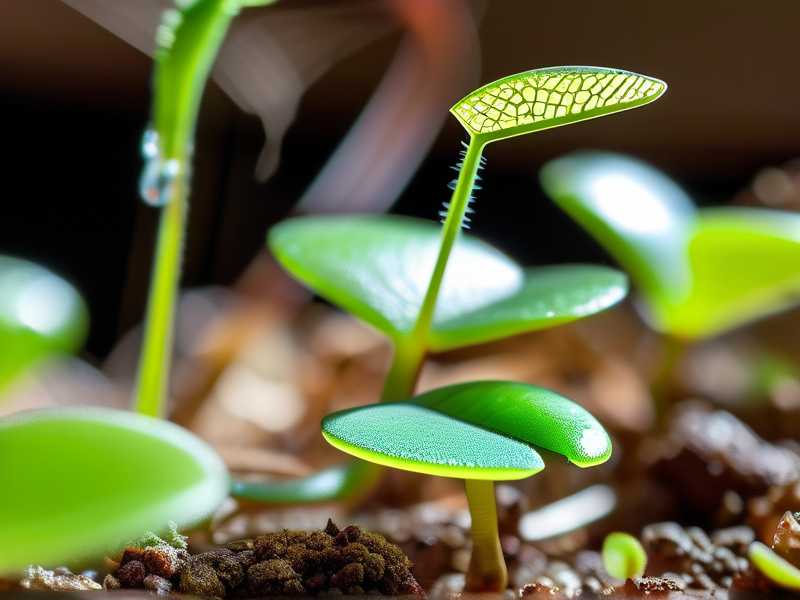
One of the joys is making more plants. Drosera venusta 'Pink' readily produces flowers on long stalks. I pollinate them gently with a small brush to produce seeds. More easily, leaf cuttings are highly effective. I carefully peel a healthy leaf from the crown, lay it on damp milled sphagnum moss, cover it lightly with plastic to retain humidity, and place it under light. In 4-6 weeks, tiny plantlets form. This is the most reliable method I've used to propagate Drosera venusta 'Pink' and expand my collection.
How often should I water my Drosera 'Pink'? Don't water on a schedule. Use the tray method: always maintain 0.5-1 inch of appropriate water (distilled, rain, RO) in the saucer beneath the pot. Check the tray every few days and refill as it empties. The goal is consistently damp soil, not sopping wet or ever dry.
Can I fertilize my sundew to help it grow? Never add fertilizer to the soil. The roots cannot process it and it will burn them. The only "fertilizer" is through leaf feeding. You can feed it small, soft-bodied insects every few weeks. If no insects are available, you can occasionally use a highly diluted foliar spray of orchid or Maxsea fertilizer on the leaves, but this is an advanced technique. Sticking to insects is safest.
Why is my plant not turning pink? Insufficient light intensity or duration is almost always the cause. Drosera venusta 'Pink' develops its color as a response to strong light. Move it to a much brighter south-facing window or, better yet, invest in a quality LED grow light placed 6-10 inches above the plant for 12+ hours daily. The pink should develop on new growth within a couple of weeks.
Growing Drosera venusta 'Pink' is a deeply rewarding experience that demystifies carnivorous plant care. It teaches patience, observation, and the importance of replicating a specific natural environment. By focusing on the holy trinity of pure water, bright light, and the correct soil, you set the stage for success. Watching a new pink leaf unfurl, glistening with sticky dew, never gets old. It’s a living jewel that thrives on a simple, consistent routine. Start with the basics, observe your plant closely, and you’ll be rewarded with a stunning display of nature's ingenious design.