bluename
 How to Grow Drosera Intermedia 'Giant' (Cultivar): A Grower's Detailed Care Guide
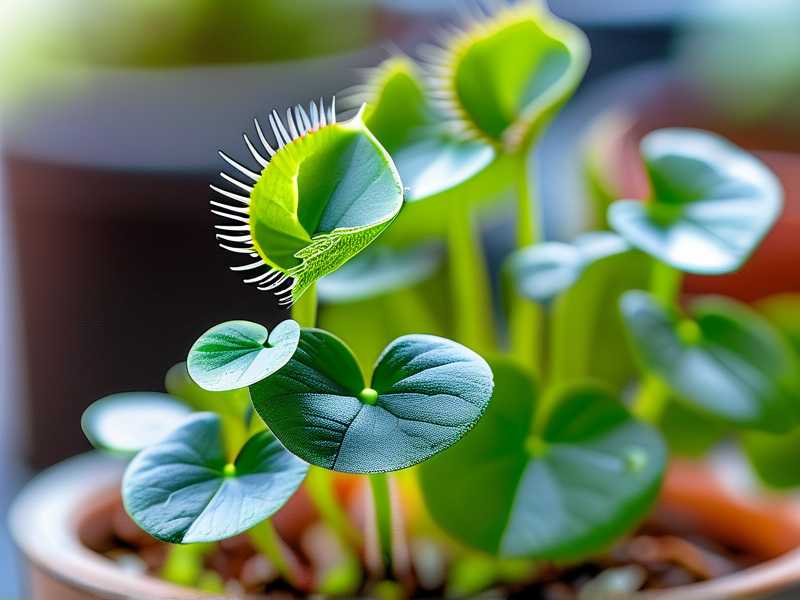
I remember the excitement of unboxing my first Drosera intermedia 'Giant'—and the subsequent panic when its dewy leaves began to wither. I had failed, and I was determined to understand why. This magnificent cultivar, with its promise of larger, more robust traps than the typical spoon-leaved sundew, has specific needs that stump many enthusiasts. If you've struggled with stunted growth, lack of dew, or mysterious decline, you're not alone. Through trial, error, and meticulous observation, I've dialed in a reliable system. This guide isn't just theory; it's the result of my hands-on experience, including a documented two-week rescue mission that transformed a struggling plant into a dew-covered spectacle.
Understanding Your Drosera Intermedia 'Giant'
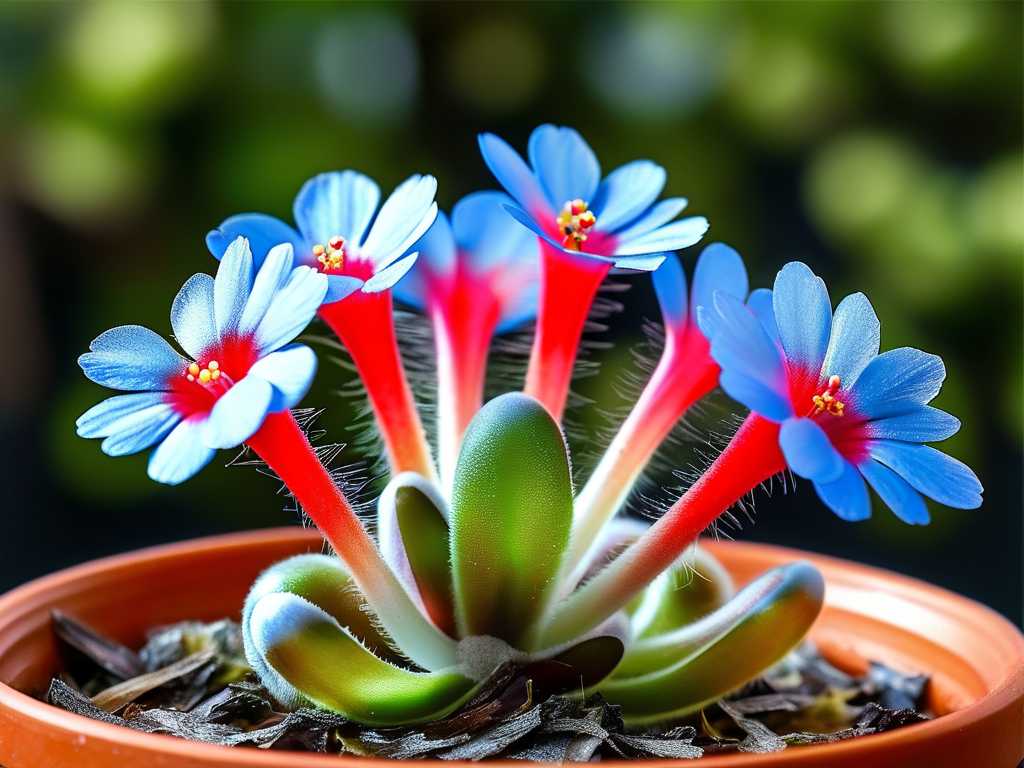
Before we dive into the soil, let's understand what makes this plant special. Drosera intermedia 'Giant' is a cultivated variety prized for its size. While the standard Drosera intermedia is impressive, the 'Giant' cultivar can produce significantly longer leaves and larger, more vivid red traps under ideal conditions. It's a temperate carnivorous plant, meaning it requires a distinct winter dormancy period to thrive long-term. According to the International Carnivorous Plant Society (ICPS), treating temperate sundews as tropicals is a primary cause of failure. This plant doesn't just eat insects for fun; it relies on them for nutrients absent in its preferred, nutrient-poor soil.
The Perfect Foundation: Soil, Water, and Light
Getting these three elements right is 90% of the battle. Get one wrong, and your plant will suffer.
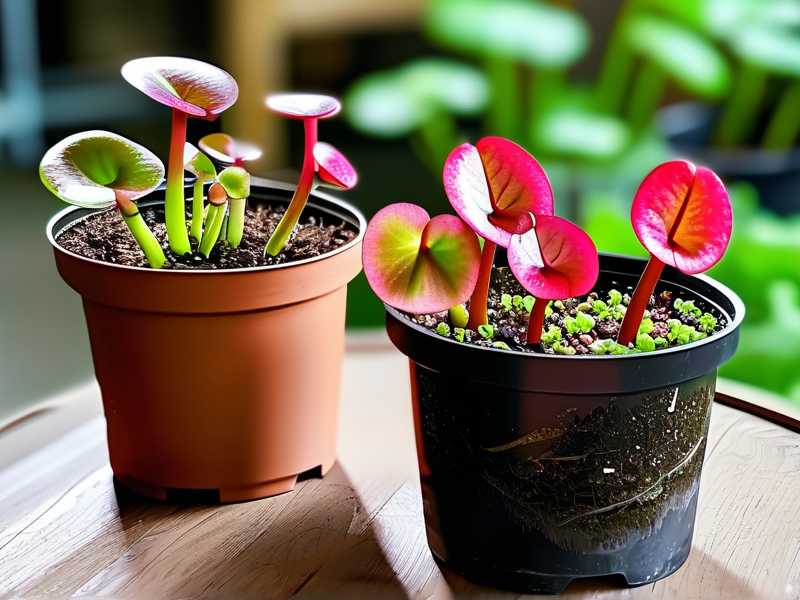
My Setup and Two-Week Transformation I received a plant that was pale, with minimal dew. I immediately repotted it using a 1:1 mix of pure sphagnum peat moss and perlite. Crucially, I rinsed the perlite in distilled water first to remove mineral dust—a step I learned the hard way after previous plants showed signs of burn. The pot is a standard 4-inch plastic pot with drainage holes, sitting in a shallow tray.
For water, I use only distilled or reverse osmosis water. Tap water, even if soft, contains minerals that will slowly poison the roots. I keep the tray method active, ensuring there's always about 0.5 inches of water in the saucer. The plant sits in a south-east facing windowsill where it receives about 4 hours of direct morning sun and bright, indirect light for the rest of the day.
Here's what I observed over the next 14 days:
- Days 1-3: The plant looked unchanged, possibly stressed from repotting.
- Days 4-7: I noticed the central growth point (the crown) looked greener. A tiny, new leaf began to emerge.
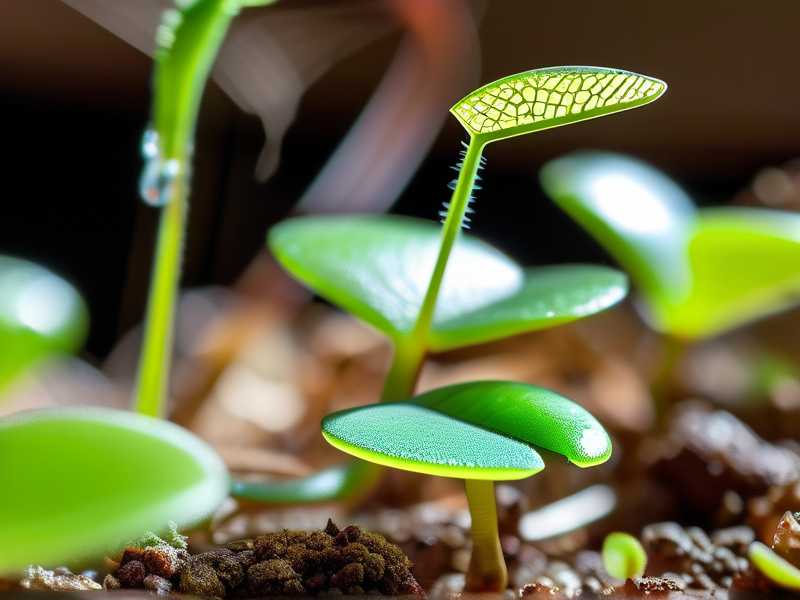
- Days 8-14: This was the exciting phase. The new leaf grew rapidly, and by day 14, it was nearly half the size of the older leaves and was producing a sticky, glistening dew. The older leaves did not recover their dew substantially, but the vibrant new growth was a clear sign of success. The pale green color deepened to a healthy red-tinted green.
The Critical Dormancy Period
This is where many growers falter. Drosera intermedia 'Giant' requires a cold winter dormancy. If you try to grow it year-round under warm, bright lights, it will eventually exhaust itself and die. In late autumn, as daylight wanes, the plant will stop producing carnivorous leaves and may form a tight, hibernacular bud called a "hibernaculum."
My Process and a Near-Disaster I simulate dormancy by moving my plant to an unheated garage where temperatures stay between 35°F and 50°F (2°C-10°C). Light is minimal. I reduce the water in the tray, keeping the soil just barely damp but not soggy to prevent rot. One winter, I made the mistake of checking on it too frequently in a slightly too-warm spot. It broke dormancy early, producing weak, etiolated growth. The solution was to patiently move it back to a consistently cold, dark space and let it rest. It recovered fully the following season. The Carnivorous Plant Hub, a trusted resource, emphasizes that a proper dormancy leads to vigorous spring growth and better flowering.
Feeding and Troubleshooting Common Issues
Feeding is beneficial but must be done correctly. I never use fertilizer in the soil. Instead, I feed with rehydrated bloodworms or small insects every 2-3 weeks during the active growing season. A single insect per leaf is plenty. Overfeeding can cause a leaf to blacken and die—a lesson learned from an overzealous feeding session.
Common Problems I've Encountered:
- Lack of Dew: This is almost always due to insufficient light or low humidity. My two-week test proved that correcting light was the key. While some recommend terrariums for humidity, I've found that strong light on a windowsill or under LED grow lights (for 12-14 hours daily) is more critical for dew production than ambient humidity.
- Leaf Burn or Browning: Direct, scorching afternoon sun in summer can sometimes cause burns. Mineral burn from bad water or soil will cause generalized browning and decline. The fix is to change the water source and repot in fresh medium.
- Pests: Aphids can attack flower stalks. I use a cotton swab dipped in distilled water to manually remove them. Fungus gnats are a sign of over-moist organic matter; I use a layer of clean horticultural sand on the soil surface as a barrier.
Propagation for More Giants
Sharing this plant is a joy. The easiest method is leaf pullings. In early summer, I select a healthy leaf and gently pull it from the base, trying to get a bit of the white leaf base. I lay this on damp, rinsed sphagnum moss, cover it with a clear lid for humidity, and place it under bright light. In 4-8 weeks, tiny plantlets form. Division is also simple during repotting in early spring; just gently separate natural clumps.
Frequently Asked Questions by Growers
How often should I water my Giant Sundew? Always use the tray method. Keep 0.5 to 1 inch of distilled/RO water in the tray at all times during the growing season. Never let the soil dry out. During dormancy, just keep the soil slightly damp.
Can I grow Drosera intermedia 'Giant' indoors year-round? Yes, but you must still provide a dormancy period. This means finding a consistently cold location (like a cold frame, very cool windowsill, or refrigerator) for 3-4 months during winter. Simply growing it under lights in a warm room will not work long-term.
Why is my plant turning red? This is usually a good sign! Intense light promotes the production of anthocyanin pigments, resulting in beautiful red coloration. It means your plant is getting plenty of light. However, if the leaves are also crispy or stunted, it could be sunburn.
Success with Drosera intermedia 'Giant' comes from mimicking its natural bog habitat: pure water, acidic soil, abundant light, and a respectful winter rest. It's a rewarding plant that showcases the fascinating world of carnivorous botany. Start with the basics—the right water and soil—master its light needs, and honor its dormancy. Your patience will be rewarded with a stunning, dewy specimen that is truly a giant among sundews.