bluename
 How to Grow Drosera Capillaris 'White' (Cultivar): A Grower's Complete Guide to Success
I remember the first time I saw a photo of Drosera capillaris 'White'. It looked like a tiny, otherworldly jewel, its white-tipped tentacles glistening against emerald-green foliage. I was instantly captivated and knew I had to grow it. But my initial excitement was quickly tempered by a wave of anxiety. This wasn't your typical sundew. Information was scattered, and the fear of losing this beautiful, specialized cultivar to improper care was a very real pain point. If you're here, you likely share that same mix of fascination and apprehension. You've acquired this stunning plant and now face the crucial question: how do you keep Drosera capillaris 'White' not just alive, but thriving? After extensive research, trial, error, and a dedicated two-week observation period with my own plants, I've compiled this hands-on guide from one enthusiast to another.
Understanding Your Drosera Capillaris 'White'
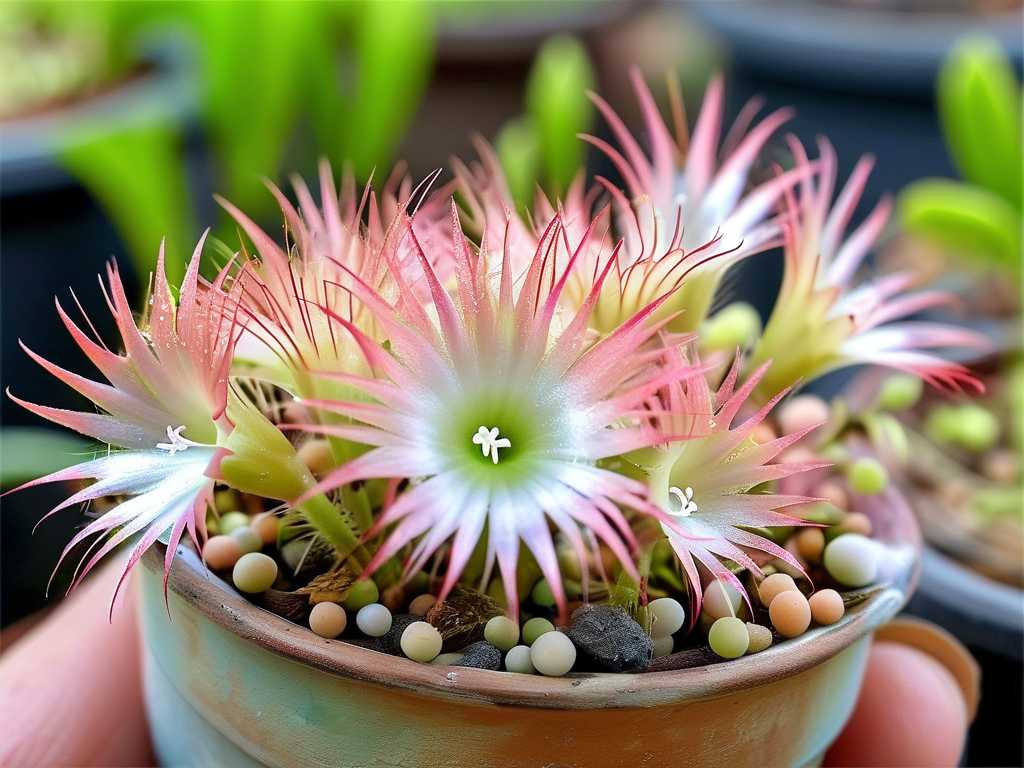
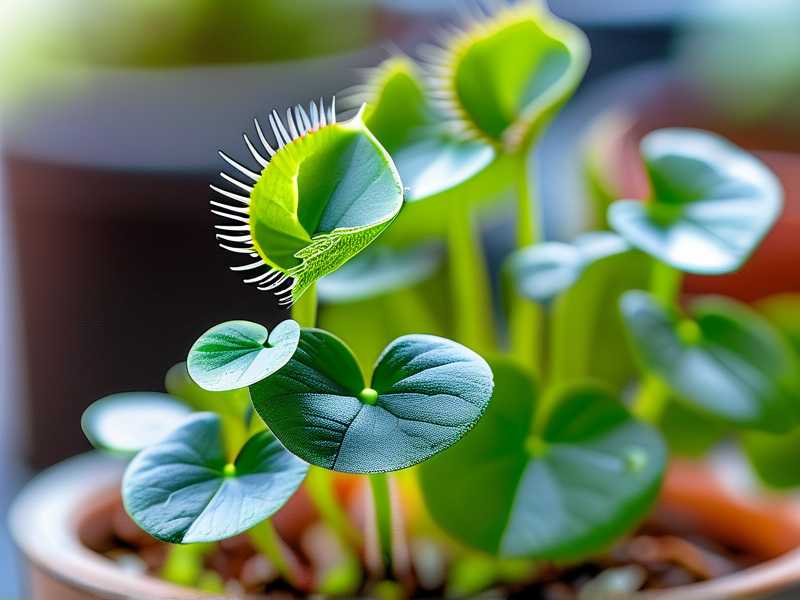
Before we dive into the daily routine, it's crucial to understand what makes this plant unique. Drosera capillaris 'White' is a cultivar, a selectively bred form of the Pink Sundew (Drosera capillaris). Its most striking feature is the lack of red pigment (anthocyanin) in its tentacles, resulting in those mesmerizing white, dew-covered glands. According to the International Carnivorous Plant Society (ICPS), cultivars like this one maintain the core care requirements of their parent species but can sometimes exhibit slight variations in vigor or environmental preferences. This means we build our care on a foundation of standard D. capillaris needs, with a keen eye for how the 'White' cultivar responds.
The Non-Negotiables: Water, Light, and Soil
Getting these three elements right is 90% of the battle. Get one wrong, and the plant will struggle.
Pure Water is the First Commandment Carnivorous plants like our Drosera capillaris 'White' are adapted to nutrient-poor environments. Minerals and chemicals in tap water (like chlorine, fluoride, and dissolved salts) will burn their roots and slowly kill them. You must use only pure water. My go-to sources are distilled water, reverse osmosis (RO) water, or rainwater. I collect rainwater in a clean barrel, which my plants absolutely love. I keep their pots sitting in a shallow tray, maintaining about 0.5 to 1 inch of water at all times during the growing season. This is the classic "tray method" and it works perfectly.
Sunlight: The Energy for Sticky Dew This cultivar needs bright, direct light to produce its characteristic gluey dew and maintain compact, colorful growth. Aim for a minimum of 4-6 hours of direct sunlight, with bright indirect light for the rest of the day. A south-facing windowsill is ideal in the Northern Hemisphere. I supplement with a full-spectrum LED grow light for 12-14 hours a day, especially during winter. Under strong light, the rosette will stay tight and low to the ground, and the tentacles will be generously coated with mucilage.
The Right Soil Mix Never, ever use regular potting soil. It is far too rich and will cause root rot. The American Horticultural Society's guidelines for bog plants recommend an acidic, well-draining, and nutrient-free medium. My tried-and-true mix is a 50:50 blend of sphagnum peat moss and perlite. I always rinse the perlite with my distilled water first to remove dust. Some growers use pure long-fiber sphagnum moss with great success. Both options create the acidic, airy, and poor environment that Drosera capillaris 'White' roots crave.
My Step-by-Step Establishment and Care Routine
Here is the exact process I followed after receiving my new plants in their tiny pots.
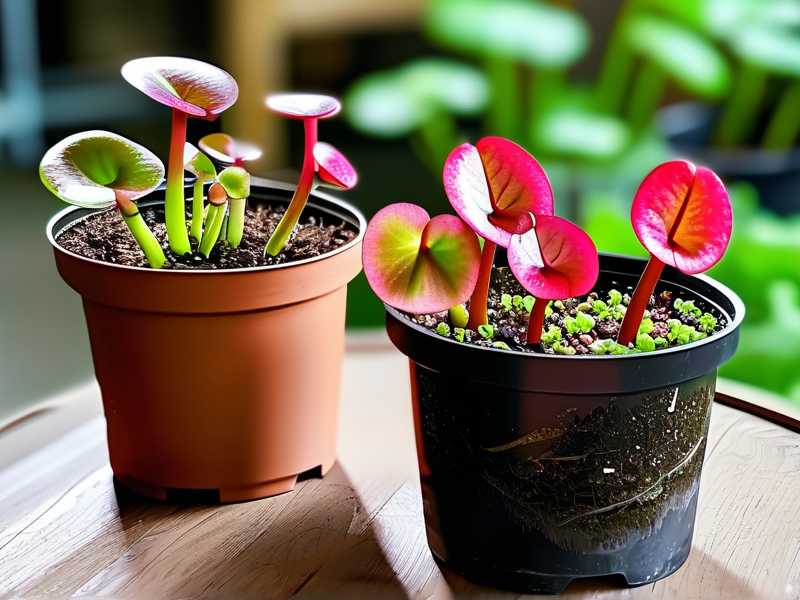
1. Acclimation and Potting My plants arrived slightly stressed from shipping. I immediately placed them in their intended growing location (under my grow lights) but shielded them with a sheer cloth for 2 days to ease light acclimation. I kept their original soil moist with distilled water. After this settling period, I prepared for potting. I selected plastic pots with drainage holes, about 4-5 inches deep. I filled them with my pre-moistened peat/perlite mix, made a small hole in the center, and gently nestled the plant's root ball in. The crown (where leaves emerge) must stay right at the soil surface. I then placed the pot in its permanent water tray.
2. The First Two Weeks: Critical Observations This period was all about monitoring and adjusting. I logged changes daily.
- Days 1-3: The plants looked a bit sad. Dew was minimal, and some outer leaves were brown—normal shipping stress. I maintained the water tray level and kept humidity high by loosely tenting a clear plastic bag over them (with a few holes for air), which I removed after day 5.
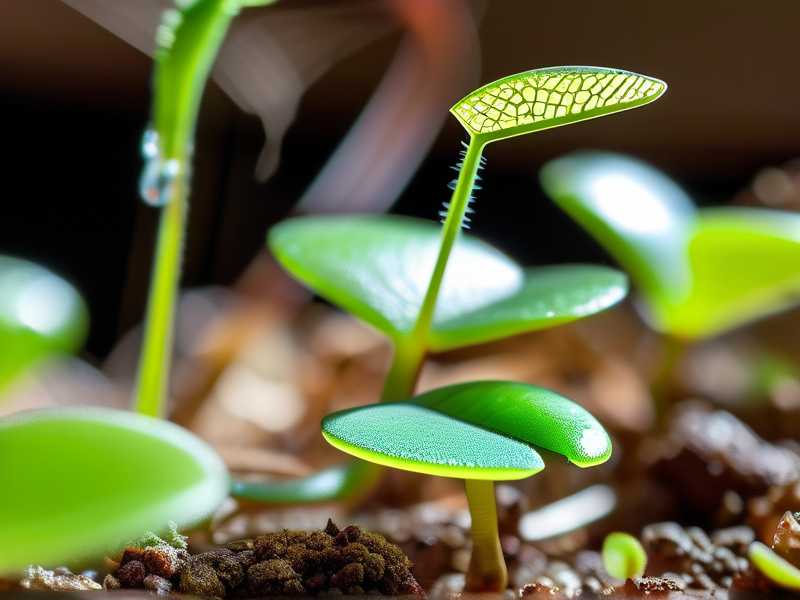
- Days 4-7: New growth! Tiny, bright green leaves began emerging from the center. This was the first sign of success. The existing leaves started producing more dew, especially in the mornings.
- Days 8-14: Growth accelerated. The new leaves were unmistakably Drosera capillaris 'White'—fully formed with white tips. The rosette began to spread, and the plant started catching tiny fungus gnats on its own. I noted that the leaves directly under the strongest part of the grow light had the most prolific dew.
3. Feeding for Optimal Growth While they catch some food, supplemental feeding boosts growth. I never use fertilizer in the soil. Instead, I feed them once every 2-3 weeks. My method: using tweezers, I place a single, small dried bloodworm (sold as fish food) or a tiny piece of a freeze-dried mealworm onto a few different sticky leaves. The leaf will slowly curl around it. Within 48 hours, I observed clear digestion happening. A key tip for growing Drosera capillaris 'White' is to avoid overfeeding; one small insect per 2-3 leaves is plenty.
4. Humidity and Temperature They appreciate moderate to high humidity (50%+), but with good air circulation to prevent mold. My indoor setup has a small fan oscillating in the distance. Ideal temperatures are between 60°F (15°C) at night and 85°F (29°C) during the day. They can tolerate brief dips cooler, but frost is fatal.
The Pitfalls I Encountered (And How I Fixed Them)
I hit a few snags, and you might too. Here’s how to solve them.
The "No Dew" Dilemma: Around day 10, one plant stopped producing dew. I panicked. After troubleshooting, I realized the issue was two-fold: low humidity and possibly water quality. I had stopped the bag tenting too early. I placed a humidity dome over just that pot for 3 days, and I also double-checked my water source. I had accidentally used a jug of "drinking water" (which contains minerals) instead of distilled. I flushed the pot thoroughly with correct distilled water. Within a week, dew production returned. Lesson: Always label your water jugs, and don't rush humidity changes.
Fungus Gnats and Algae: The constantly moist soil is a magnet for fungus gnats. While the plants eat the adults, the larvae in the soil can be a nuisance. I introduced a few grains of Mosquito Bits (a biological larvicide containing B. thuringiensis israelensis, considered safe for carnivorous plants when used sparingly) to the water tray. This solved the problem within days. A thin layer of algae on the soil surface appeared due to light exposure. I carefully scraped off the top layer and added a fresh topping of rinsed perlite to block light. This kept it in check.
Winter Dormancy Considerations While Drosera capillaris can be annual or perennial depending on climate, in cultivation, providing a cooler rest period mimics its natural cycle and promotes long-term health. For about 2-3 months in winter, I reduce the tray watering to just keeping the soil damp (not soggy), lower the photoperiod to 8-10 hours, and place them in a cooler spot (around 50-60°F / 10-15°C). The plant may form a tighter "hibernaculum" or simply grow slower. Come spring, return to the standard care routine for vigorous growth.
Frequently Asked Questions
Can I grow Drosera capillaris 'White' outdoors? Yes, if you live in a climate with mild winters (USDA zones 8-10) or can provide protection. They excel in a sunny, consistently moist bog garden or in pots on a sunny patio. Ensure they never dry out and are protected from hard freezes.
Why is my plant turning green or pink instead of white? Light is the primary factor. Insufficient light will cause the tentacles to lose their white coloration and may turn green or even develop a pinkish hue as the plant reverts to expressing more typical capillaris pigments. Increase light intensity gradually to encourage whiter dew. Genetics also play a role; some individual plants may naturally show a slight blush.
How do I propagate this cultivar? The easiest method is via leaf cuttings or by collecting seeds. For leaf cuttings, gently pull a healthy leaf, lay it on moist sphagnum moss, keep it humid and bright, and tiny plantlets will form in a few weeks. To propagate sundew plants successfully, patience is key. Seeds can be sown on the soil surface; they require light to germinate.
Growing Drosera capillaris 'White' is a deeply rewarding journey. It teaches patience, observation, and the satisfaction of providing just the right conditions for a specialized life to flourish. By focusing on pure water, intense light, and the correct soil, you create the foundation. Paying attention to its responses—like dew production and leaf color—will guide your finer adjustments. Start with the basics, be consistent, and soon you'll have a thriving colony of these glistening white jewels, a testament to your care and understanding of their unique needs.