bluename
 How to Fix Sundew from Extreme Temperatures: A Plant Lover's Rescue Guide
I remember the sinking feeling all too well. Opening the door to my plant room after a summer heatwave, I was met with a heartbreaking sight. My prized collection of sundews, once glistening with sticky, dew-covered tentacles, looked withered and dry. The heat had taken its toll. Then, months later, a sudden winter cold snap threatened them again. It was through these two major crises that I learned, through trial and error, how to truly fix and protect sundews from extreme temperatures. This guide is the result of my hands-on experience, a two-week intensive rescue mission, and the lessons I wish I’d known sooner.
Understanding the Sundew’s Temperature Limits
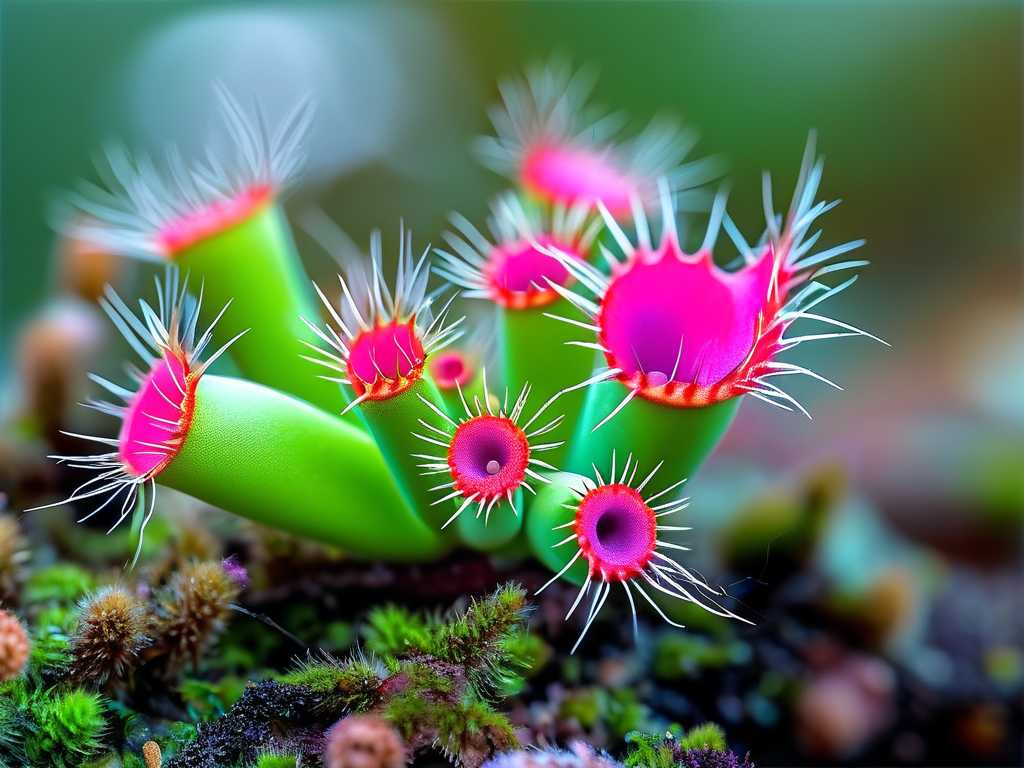
Sundews (Drosera) are remarkably adaptable, but they have a breaking point. Most common temperate and subtropical varieties thrive between 60°F and 85°F (15°C - 29°C). Prolonged exposure outside this range, especially when combined with incorrect humidity or watering, triggers a survival shutdown. They stop producing dew, their leaves may blacken or crisp, and growth halts. The goal isn't just to save a dying plant, but to effectively reverse the damage and restore its carnivorous vigor.
My Two-Week Rescue Protocol for Heat-Damaged Sundews
Last July, a faulty thermostat let my greenhouse soar past 100°F (38°C) for nearly 48 hours. My Drosera capensis and binata were in crisis.
Week 1: The Emergency Triage
The first 72 hours are critical. My initial panic led to a mistake: I drenched the soil thinking they were dehydrated. This can cause root rot in already stressed plants. Here’s the corrected, step-by-step approach I developed.
First, I immediately moved the plants to a recovery zone. This wasn't my brightest windowsill, but a spot with bright, indirect light and a stable temperature of about 75°F (24°C). Direct sun would have added further stress.
Next, I addressed humidity strategically. The American Horticultural Society (AHS) notes that for many carnivorous plants, "air humidity is crucial for gland function." I placed the pots on a wide tray filled with wet sphagnum moss and pebbles, creating a localized humidity dome without making the pots sit in water. A clear plastic bag with ventilation holes placed loosely over each plant also worked wonders, acting as a mini ICU.
Watering required a delicate touch. I switched from my usual tray method to carefully watering the perimeter of the pot with distilled water, just enough to keep the media slightly damp. The goal was to rehydrate the roots without suffocating them.
Week 2: Monitoring and Signs of Recovery
By day five, I was looking for the smallest signs of life. I resisted the urge to feed them; a sundew without dew can't digest prey, and dead insects on the leaves only invite mold.
The key indicator I monitored was the central growth point. If it remained green, there was hope. Around day eight, on my D. capensis, I noticed a tiny, new leaf emerging from the center. It was small and initially dew-less, but it was a victory.
I maintained the high-humidity environment but began to introduce slightly longer periods of fresh air circulation to prevent fungal issues. By the end of the second week, the new leaves were slowly gaining size, and the first hints of sticky tentacles appeared. The plants were on the mend, but still fragile.
Battling the Cold Snap: A Different Kind of Threat
My winter challenge involved an unexpected overnight freeze that dipped near my windowsill. Cold damage often looks different: mushy, darkened leaves and a complete halt in growth.
Immediate Actions for Cold Shock
The first step is gentle warming. I moved the plants to a consistently cool but frost-free location, around 50°F (10°C). Rapid warming to a hot room is as damaging as the cold itself. I carefully trimmed away the obviously blackened and mushy leaves with sterile scissors to prevent rot from spreading.
I slightly reduced watering, as cold roots absorb water very slowly. The Royal Horticultural Society (RHS) advises for chilled plants, "Allow the compost to become slightly drier between waterings until new growth resumes."
The Long Road Back from the Brink
For the next two weeks, patience was key. Growth in recovering sundews is agonizingly slow. I kept them in stable, cool-to-moderate light and resisted any fertilizer. After about 12 days, the tight, hairy buds in the center of my temperate sundew (Drosera filiformis) began to show subtle expansion—a sure sign it had weathered the storm.
Proactive Protection: Building a Resilient Environment
Fixing damage is one thing; preventing it is better. My failures taught me to be proactive.
Creating a Stable Microclimate
Investing in a simple digital thermometer/hygrometer was a game-changer. I now use a heat mat with a thermostat for winter, ensuring root zones never get too cold. For summer, a small, quiet USB fan promotes air circulation in my display case, preventing hot, stagnant air from building up around the leaves.
Choosing the Right Sundew for Your Climate
If you live in an area of extremes, select species adapted to it. The RHS Plant Finder is an excellent resource for checking a plant's hardiness. After my ordeals, I added more Drosera tokaiensis (tolerant of a wider range) to my collection and gave my more delicate highland species a dedicated, climate-controlled terrarium.
FAQ
Can a sundew come back from completely brown leaves? Yes, if the central crown (the growth point at the soil level) is still firm and has any green or white color, there is hope. The plant can regenerate all its leaves from this point. Focus on protecting the crown with stable conditions.
Should I fertilize a recovering sundew to help it grow? Absolutely not. Sundew roots are extremely sensitive to minerals. Fertilizer will burn the roots and likely finish off a stressed plant. Their energy must come from photosynthesis and, once dew returns, from catching their own prey. Patience is the only nutrient they need.
How do I know if my sundew is dying from temperature or something else? Temperature stress typically affects the entire plant uniformly—all leaves show similar damage from the same event. If damage is localized, appears as spots, or is accompanied by fuzzy mold, the culprit is more likely to be fungal infection, pests, or water quality issues. Always check your growing conditions against the classic signs of heat wilt or cold mush.
Watching a sundew recover from the brink is a lesson in resilience, both for the plant and the grower. The process taught me that fixing damage from extreme temperatures isn't about a single magic trick, but a systematic approach of immediate triage, patient aftercare, and intelligent prevention. By understanding their limits, acting quickly but thoughtfully, and creating a stable home, you can not only save your sundews but also help them thrive for years to come.