bluename
 How to Care for Sundew in a Greenhouse with Heater: A Grower’s Complete Guide
I remember the excitement of installing my first greenhouse heater, dreaming of a year-round tropical haven for my carnivorous plants. My sundews, those sticky-leaved wonders, were my primary concern. I quickly learned that a heated greenhouse isn't a simple fix; it’s a new ecosystem to master. The initial results were disheartening: some plants thrived, others dampened off, and a few simply melted into mush. The core problem wasn't the cold—it was managing the delicate balance of warmth, humidity, and light that a heater fundamentally alters. If you're worried about your sundews getting through the cooler months or aiming for vigorous winter growth, I’ve walked that path. Through trial, error, and meticulous 2-week observation cycles, I’ve developed a system that works. This guide is my firsthand account of how to successfully care for sundew in a greenhouse with heater, turning a challenging environment into their perfect home.
Understanding Your Sundew’s New Heated World
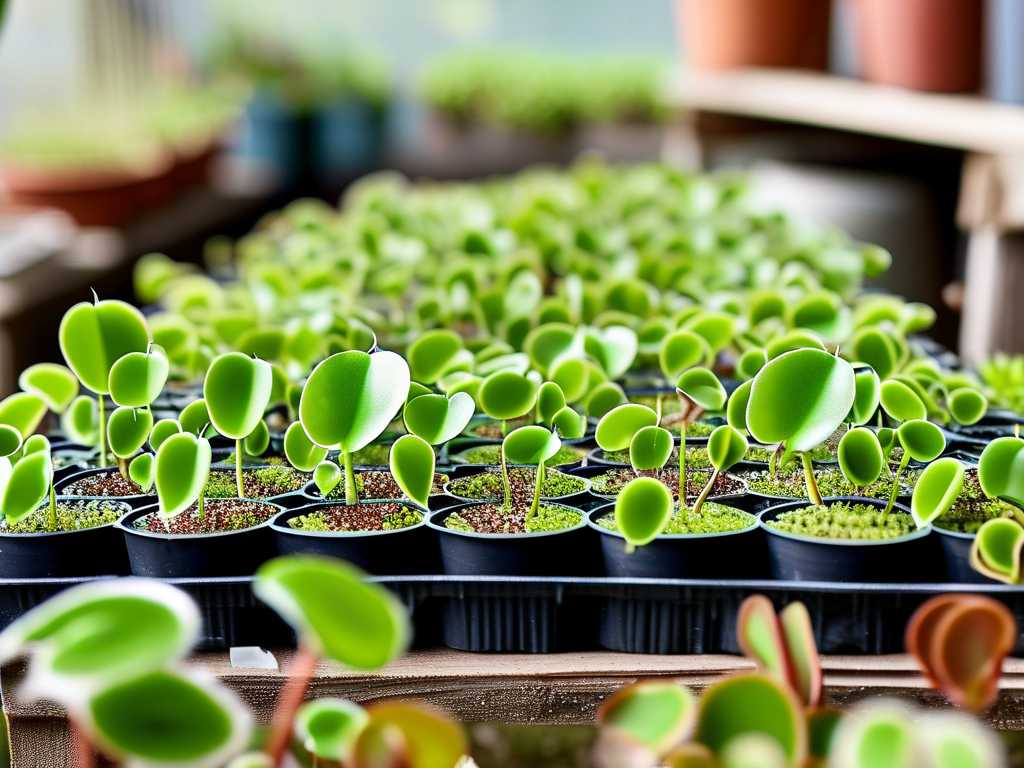
A heater doesn't just raise the temperature; it changes everything. The air becomes drier, condensation patterns shift, and soil moisture evaporates faster. My first major mistake was treating my heated greenhouse the same as my unheated one. The Royal Horticultural Society (RHS) emphasizes that alpine and temperate plants often require a winter chill period, a fact I ignored to my detriment. For tropical sundew species like Drosera capensis or D. binata, however, consistent warmth can promote continuous growth.
The key is understanding which sundews you have. Temperate species (like D. rotundifolia) need a winter dormancy period with cooler temperatures. Forcing them into growth with a heater will exhaust and likely kill them. The Australasian Carnivorous Plant Society (ACPS) advises simulating natural seasonal cycles for long-term health. My greenhouse heater setup is therefore zoned: one section remains cool for dormancy, and the heated section is reserved for tropical and subtropical species.
Setting Up the Ideal Heated Environment for Sundews
Getting the baseline environment correct is 90% of the battle. Here’s my step-by-step setup, born from past failures.
Temperature Control is Everything My target is a stable range. I aim for a minimum of 50°F (10°C) at night and a daytime range of 65-75°F (18-24°C) for tropical sundews. I use a digital thermostat connected to my tubular heater, not the heater’s built-in dial. This was a crucial lesson. The built-in controls were inaccurate, leading to swings that stressed the plants. The thermostat probe is placed at plant canopy level, not near the heater or the greenhouse wall, for a true reading of what the plants are experiencing.
Humidity: The Invisible Challenge Heaters dry the air. Sundews, which rely on sticky mucilage to catch prey, need moderate to high humidity to produce their dew. Low humidity results in dry, ineffective leaves. I use a combination of methods:
- Humidity Trays: Every pot sits on a wide, water-filled tray filled with pebbles. This creates a local microclimate of evaporating water.
- Automatic Mist System: A simple, low-volume misting system triggers for 15 seconds every few hours during the day. It’s enough to bump humidity without leaving the foliage constantly wet, which can invite fungal issues.
- Hygrometer: I have two digital hygrometers to monitor levels, aiming to maintain 50-70% relative humidity.
Lighting: Compensating for Shorter Days Winter light is weak. Even in a heated greenhouse, your sundews will become etiolated—stretched and pale—without supplemental light. I use full-spectrum LED grow lights, suspended about 12 inches above the plants. They are on a 12-14 hour timer to mimic a long summer day, encouraging robust growth and deep red coloration in my Drosera capensis ‘Albino’.
My 2-Week Adjustment and Observation Protocol
When I first moved my tropical sundews into the newly heated space, I committed to a detailed 2-week log. Here’s what I observed and how I adjusted:
Days 1-3: The plants perked up visibly with the steady warmth. However, I noticed water in the trays evaporated significantly faster. Action Taken: I increased my manual top-watering frequency, ensuring the soil media stayed consistently damp but not waterlogged.
Days 4-7: Dew production was excellent in the mornings but seemed to reduce by afternoon. My hygrometer showed midday humidity dips to 45%. This was the "dry air" effect. Action Taken: I adjusted my misting system to add one extra brief cycle in the early afternoon. I also grouped plants closer together to create a communal humid zone.
Days 8-10: I spotted the first signs of trouble: a few lower leaves on one D. aliciae developed a gray, fuzzy mold (Botrytis). The culprit was insufficient air circulation combined with the higher humidity I was creating. Action Taken: I installed a small, oscillating fan set on low to provide gentle, constant air movement. I immediately removed the affected leaves. The fan made an immediate difference, preventing further outbreaks.
Days 11-14: With the fan, adjusted misting, and stable temperatures, the plants entered a period of stable growth. New, dewy leaves were emerging. The system was balancing out. This observation period proved that constant tweaking is necessary; setting and forgetting is a recipe for failure.
Ongoing Care: Watering, Feeding, and Maintenance
The Watering Rule Never use tap water. Minerals will kill your sundews. I use only rainwater or distilled water. In the heated greenhouse, I check soil moisture daily by touch. The top layer should feel moist. I water from the bottom by filling the humidity tray, allowing the soil to wick up what it needs.
To Feed or Not to Feed? In a sealed winter greenhouse, insect life is scarce. While sundews can survive without food, growth will be slower. I occasionally supplement by gently placing a dried bloodworm (fish food) on a few leaves every 3-4 weeks. The plant will curl around it and digest it. Overfeeding can rot the leaf, so less is more.
Vigilance and Hygiene The warm, humid environment is also ideal for pests like aphids and fungus gnats. I inspect leaves meticulously every time I water. For any infestation, I use a diluted insecticidal soap spray, testing it on one leaf first. Good air circulation from the fan is the best preventative measure against fungal diseases.
Common Problems and My Practical Solutions
- Leggy, Pale Growth: This is insufficient light. Move plants to the brightest spot and supplement with grow lights.
- Lack of Dew: Almost always a humidity or water quality issue. Boost local humidity with trays and misting, and double-check your water source.
- Sudden Collapse/Rot: Usually a combination of cold drafts, overheating, or soggy soil. Check heater/thermostat function and ensure pots drain perfectly. Improve air flow.
- White Crust on Soil or Pot Rim: Mineral buildup from hard water. Flush the pot thoroughly with distilled water and switch water sources immediately.
Frequently Asked Questions
Can I keep all my sundews in the heated section over winter? No. This was my hardest lesson. Temperate sundews (D. rotundifolia, D. anglica, D. filiformis) require a cold dormancy. Keeping them warm will exhaust their energy reserves and kill them. They must be kept in a cold frame or an unheated section of the greenhouse.
What type of heater is safest and most effective for a sundew greenhouse? I prefer a tubular electric heater. It provides gentle, even heat without creating drastic hot spots or burning plants nearby. Avoid unvented propane or kerosene heaters, as they release combustion byproducts that can harm sensitive plants.
My sundew is surviving but not thriving in the heat. What’s wrong? Survival versus thriving often comes down to light and humidity. Heat alone is just one piece. Ensure your photoperiod is long enough (12+ hours) with strong light, and that local humidity is consistently high. A plant kept warm but in dim, dry conditions will merely exist, not grow vigorously.
Successfully caring for sundews in a heated greenhouse is an exercise in balance and observation. It requires you to become a steward of a miniature climate, constantly monitoring and adjusting the interplay of temperature, moisture, and light. Start with the right species in the heated zone, invest in precise control tools like a thermostat and hygrometer, and never underestimate the power of gentle air movement. The reward is a stunning display of dewy, colorful carnivorous growth even when frost blankets the world outside your greenhouse glass. There’s nothing quite like it.