bluename
 How to Fix Sundew from Pests: A Plant Lover’s 2-Week Rescue Diary
There’s a special kind of panic that sets in when you notice tiny invaders on your sundew. These aren’t just any houseplants; they’re sophisticated, sticky-tentacled predators that are supposed to do the bug-catching themselves. So, when I saw my prized Drosera capensis struggling under an infestation of aphids, I knew I was in for a delicate battle. The very tools that make sundews fascinating—their sticky, enzyme-secreting glands—become liabilities when pests like aphids or spider mites overwhelm them. The mucilage can gum up, leaves can deform, and growth can stall. If you’re searching for how to save your carnivorous plant from pests, you’ve come to the right place. I recently navigated this exact crisis, and over two intensive weeks, I developed a clear, effective, and safe protocol to fix a sundew from pests. This guide will walk you through my hands-on steps, the results I observed each day, the mistakes I made along the way, and the solutions that finally brought my plant back to health.
Understanding the Enemy: Why Sundews Are Vulnerable
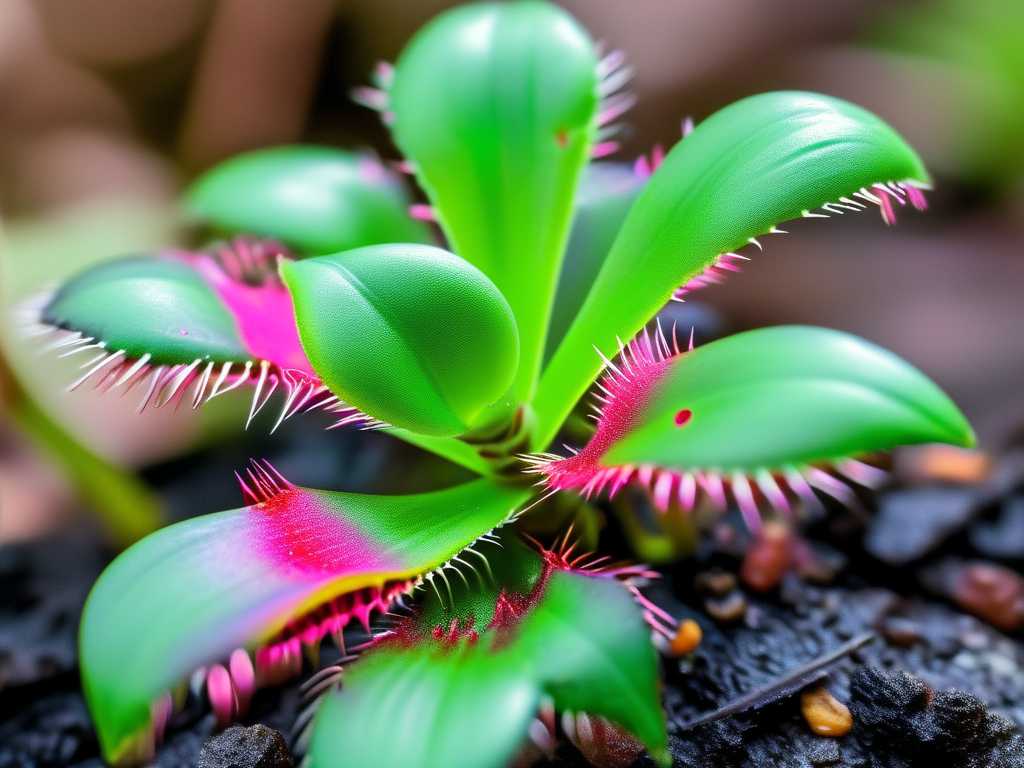
Before you start any treatment, it’s crucial to know what you’re dealing with. Sundews are adapted to trap small, flying, or crawling insects. However, they are not equipped to handle sap-sucking pests that colonize in large numbers.
- Common Sundew Pests: The most frequent offenders are aphids and spider mites. Aphids love the soft new growth at the center (the crown), clustering there and sucking sap. Spider mites, almost invisible to the naked eye, weave fine webs on the leaves and drain them, causing a stippled, bleached appearance.
- The Double Danger: These pests harm the plant directly and indirectly. Their feeding weakens the plant, but the honeydew (a sugary excretion) aphids produce can coat the sundew’s precious tentacles, rendering them useless for catching food. This sticky residue can also lead to sooty mold.
- The Expert Perspective: Organizations like the Carnivorous Plant Society and experts cited in resources from the International Carnivorous Plant Society (ICPS) consistently warn against using standard insecticides or soaps on sundews. Their sensitive foliage is easily burned or damaged by chemicals, even mild ones. The consensus is to prioritize mechanical removal and use extreme caution with any topical solution.
My Step-by-Step Rescue Protocol: Observation to Recovery
Here is the exact process I followed, day by day, to fix my sundew from pests.
Phase 1: Immediate Isolation and Assessment (Day 1)
My first action was quarantine. I moved the affected sundew away from my other carnivorous plants to prevent the infestation from spreading. Under a bright desk lamp, I confirmed the invaders: a colony of green aphids nestled in the crown. I also noted a slight lack of dew on nearby leaves, a sign of stress.
- Action Taken:
- Physical Removal: Using a fine, soft-bristled brush (a clean makeup brush works perfectly) and a pair of tweezers, I gently dislodged and removed every visible aphid. This is tedious but foundational.
- Water Flush: I prepared a small syringe with distilled water (never tap water, due to minerals) and gently sprayed the crown to wash away any remaining bugs or honeydew. I held the pot sideways to prevent water from pooling in the crown, which can cause rot.
Phase 2: The Primary Treatment – A Diluted Hydrogen Peroxide Rinse (Day 1 & 2)
Based on research and advice from experienced growers on forums like those found via the Carnivorous Plant Habitat Alliance (CPHA), I opted for a highly diluted hydrogen peroxide solution. This can help dislodge eggs and sanitize without leaving a harmful residue.
- My Formula: I mixed one part 3% hydrogen peroxide with four parts distilled water. This creates a mild, fizzing solution.
- Application: Using a syringe, I carefully applied the solution directly to the affected areas, avoiding drenching the soil. The mild fizzing action helps to lift pests. After 5-10 minutes, I thoroughly rinsed the plant with a gentle stream of distilled water to remove all peroxide traces.
- The First Mistake and Fix: On my first try, I didn’t rinse thoroughly enough. A few hours later, I noticed a couple of tentacles on one leaf looked bleached. I immediately gave the plant another, more thorough rinse. The lesson: Always rinse meticulously after any treatment.
Phase 3: Introducing Predatory Defense (Day 3)
For ongoing control, I introduced a biological solution: beneficial insects. This is a highly effective, natural method to control pests on sundews.
- My Choice: I ordered Hypoaspis miles (a type of soil-dwelling predatory mite) for potential soil-borne pests and larvae, and a small culture of ladybug larvae. The ladybug larvae are voracious aphid eaters and are gentle on plants.
- Application: I released the predatory mites into the soil surface and carefully placed a few ladybug larvae near the sundew’s crown. I kept the plant enclosed in a large, ventilated clear plastic bag for 48 hours to create a mini-habitat, ensuring the predators stayed on target.
Phase 4: The Two-Week Observation Period (Day 4 – Day 14)
This was the most critical phase. I committed to inspecting the plant twice daily—morning and evening.
- Week 1 Observations (Day 4-7):
- Day 4-5: No new aphids visible. The ladybug larvae were actively moving. The plant looked slightly stressed (less dew), which is normal post-treatment.
- Day 6-7: I noticed the very beginning of a new, tiny leaf emerging from the crown—a fantastic sign of recovery. The old, heavily damaged leaves started to brown at the tips; I left them as the plant reabsorbed nutrients.
- Week 2 Observations (Day 8-14):
- Day 8-10: The new growth was visibly dewy and healthy, completely pest-free. I removed the plastic bag enclosure.
- Day 11-14: A second new leaf began to unfurl. Dew production on all healthy leaves returned to normal. The predatory insects had done their job and dispersed. The infestation was conclusively over.
Key Factors for Success: Environment and Prevention
Fixing the pest problem isn’t just about removal; it’s about creating an environment where pests are less likely to return.
- Optimal Growing Conditions: I ensured my sundew was getting strong, direct light (14+ hours under a grow light), was sitting in a tray of pure distilled water, and was in a well-ventilated area. A strong plant is the best defense.
- Regular Monitoring: I made a habit of inspecting the crown and undersides of leaves every time I watered. Early detection is everything.
- Quarantine for New Plants: This experience taught me to quarantine any new plant for at least a month before placing it near my collection—a non-negotiable rule now.
Common Questions from Fellow Sundew Growers
Can I use neem oil or insecticidal soap on my sundew? I strongly advise against it. In my early days, I tried a heavily diluted insecticidal soap on a less valuable sundew, and it severely damaged the tentacles, stopping dew production for weeks. The risk of phytotoxicity is too high. Stick to mechanical removal, water flushes, and biological controls.
How do I know if the pests are gone for good? You need to be vigilant for a full lifecycle of the pest, which is about 2-3 weeks. If you see no signs (live bugs, new damage, eggs) after two weeks of treatment and observation, and the plant is pushing out healthy, dewy new growth, you can be confident. The appearance of new, undamaged leaves is the ultimate indicator.
My sundew lost many leaves after the pest attack. Will it survive? Yes, very likely. Sundews are resilient if their crown is intact. The plant will often sacrifice older, damaged leaves to focus energy on new growth. Do not cut off the dying leaves until they are fully brown; the plant is still drawing nutrients from them. Patience is key. Focus on providing perfect light, water, and humidity, and it will recover.
Watching a sundew recover from a pest infestation is a lesson in patience and precision. The journey from that first moment of panic to seeing new, glistening tentacles catch their first fruit fly is incredibly rewarding. The key is to act swiftly but gently, prioritize non-toxic methods, and support your plant’s natural strength through impeccable care. By following a careful process of isolation, manual removal, gentle rinsing, and enlisting natural predators, you can effectively fix your sundew from pests without compromising its unique and delicate nature. Remember, the goal isn’t just to eliminate the pests today, but to cultivate an environment where your carnivorous companion can thrive, pest-free, for the long term.