bluename
 How to Care for Sundew in a Bog Pot: A Complete Guide for Lush, Sticky Success
I remember the disappointment all too well. I brought home a gorgeous, dewy sundew, planted it in a beautiful ceramic pot with standard potting mix, and watched in horror as its once-glittering tentacles shriveled and turned black within days. I was making the classic mistake: treating this incredible carnivorous plant like any ordinary houseplant. If you’re here, you’ve likely faced similar frustration. You love the otherworldly beauty of sundews (Drosera), but keeping them alive, let alone thriving in a confined bog pot, feels like a mysterious, often failed, science experiment. The core challenge is replicating their unique, nutrient-poor, and constantly moist natural habitat—the bog—within the limits of a container. After much trial, error, and research, I’ve perfected a system. This guide is my personal, step-by-step journey on how to care for sundew in a bog pot, sharing exactly what worked, what failed, and how you can achieve a stunning, sticky display that not only survives but flourishes.
Understanding Your Sundew’s Wild Roots
To succeed in a bog pot, you must first understand what a “bog” truly is. Unlike regular soil, bog conditions are acidic, low in nutrients, and perpetually wet. Sundews have evolved to thrive here by catching insects to supplement the lack of nitrogen. The goal of a bog pot is to create a miniature, self-contained version of this ecosystem.
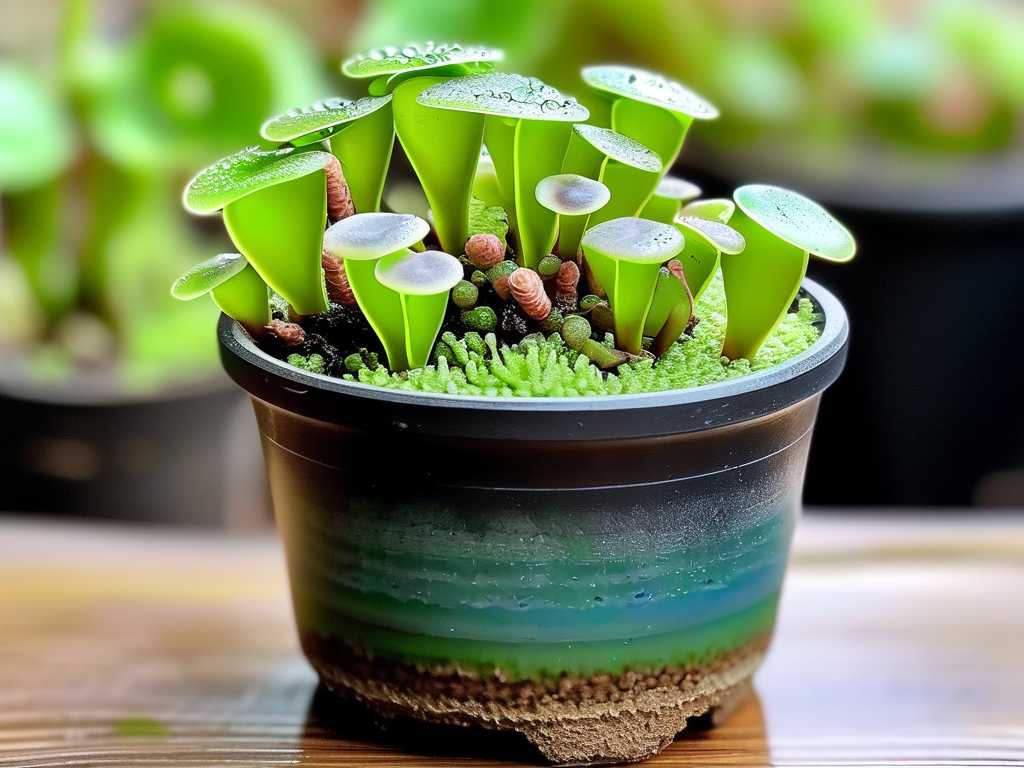
The Non-Negotiables: Water, Medium, and Light Through consultations with resources from the International Carnivorous Plant Society (ICPS) and reading numerous horticultural reports, the pillars are clear. First, water quality is critical. Tap water, with its dissolved minerals and salts, will quickly poison your sundew. You must use only rainwater, distilled water, or reverse osmosis water. Second, the growing medium must be devoid of nutrients. A mix of sphagnum peat moss and perlite or horticultural sand (in a 1:1 or 2:1 ratio) is the universal standard. Third, light is their energy source. Most sundews crave bright, direct light for at least 6 hours to produce those jewel-like dew drops.
My Step-by-Step Bog Pot Creation and Care Routine
Here is the exact process I followed, including my two-week observation log and the pitfalls I encountered.
Phase 1: Selecting and Assembling the Bog Pot
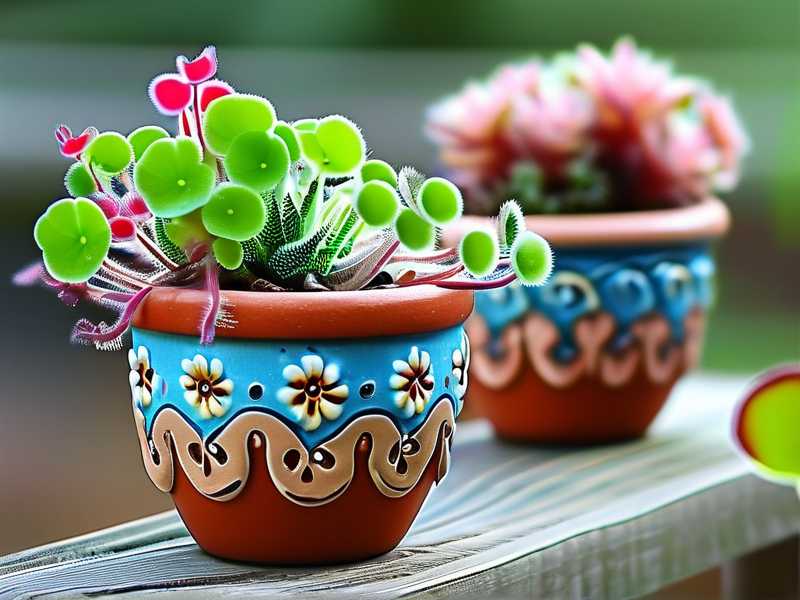
I chose a wide, shallow pot without drainage holes, about 12 inches in diameter and 6 inches deep. The lack of drainage is intentional—it allows water to pool at the bottom, creating the constant moisture reservoir a bog needs.
Step 1: Preparing the Growing Medium I mixed high-quality, long-fiber sphagnum peat moss with perlite. A common mistake is using Miracle-Gro or other enriched products; I made this error early on. Ensure your peat moss is fertilizer-free. I moistened the mix thoroughly with distilled water before planting, squeezing it out so it was damp, not dripping.
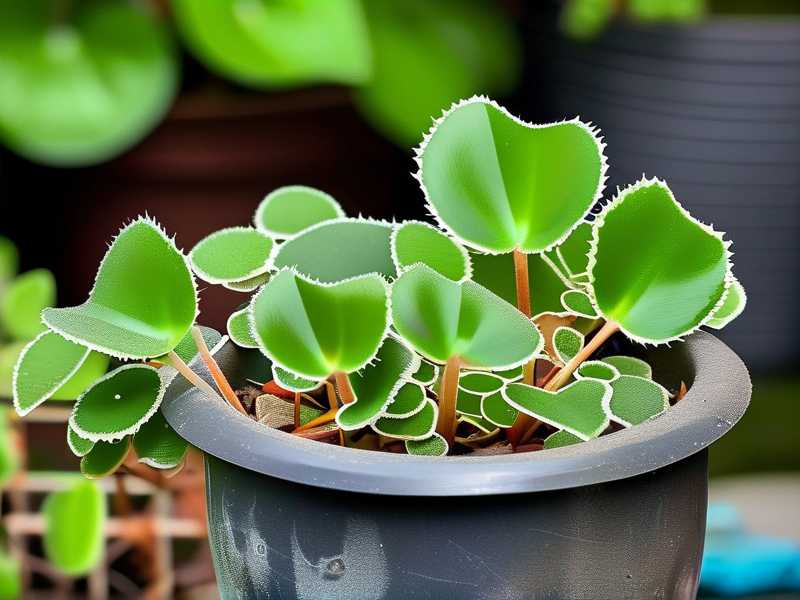
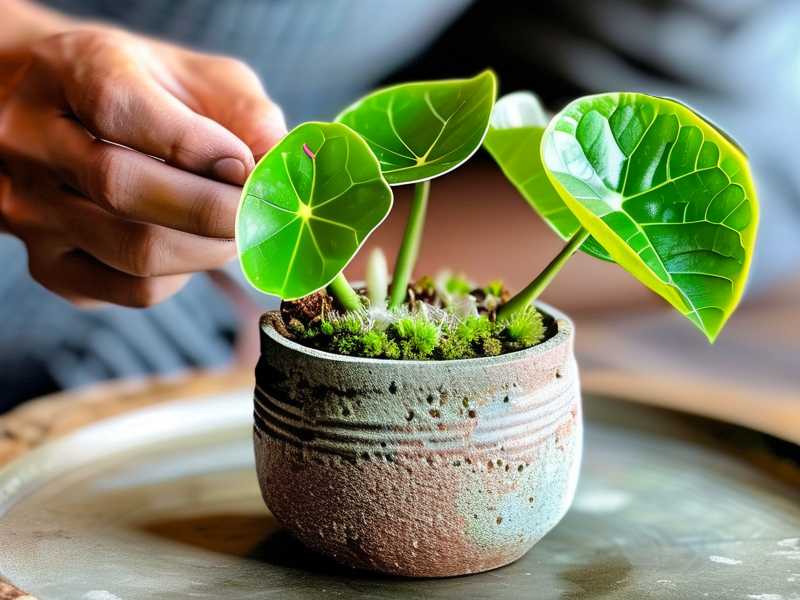
Step 2: Planting the Sundew I gently removed my Cape Sundew (Drosera capensis) from its nursery pot, carefully rinsing the roots with distilled water to remove any old medium. I created a small hole in the pre-moistened bog pot mix, placed the plant in, and gently firmed the medium around it. I then watered from the top with distilled water until about half an inch stood at the bottom of the pot—this is the “bog” water table.
Step 3: Initial Placement and Acclimation I placed the pot in a south-east facing windowsill that receives strong morning light. I avoided the temptation to feed it immediately; the plant needed to settle and re-establish its root system first.
Phase 2: The Critical First Two Weeks – A Daily Log
- Days 1-3: The sundew looked slightly wilted, and some dew was lost—a normal transplant shock response. I kept the water level consistent.
- Days 4-7: I noticed the first new, tiny tentacled leaf starting to unfurl from the center. This was a great sign! However, I also saw a few fungus gnats. This was my first “pitfall.” The constantly wet medium is a magnet for them.
- Pitfall & Solution – Fungus Gnats: Instead of using chemical insecticides, I employed a two-pronged approach recommended by expert growers: I placed yellow sticky traps in the pot to catch adults, and I allowed the very top layer of the medium to dry just slightly between waterings, disrupting the larval cycle. The sundew itself, with its sticky leaves, began catching the remaining adults. Problem solved within a week.
- Days 8-14: Growth accelerated. Three new leaves emerged, each covered in plentiful, sticky dew that glistened spectacularly in the morning sun. The plant had clearly acclimated. I performed the first “feeding” by gently placing a small, dead fruit fly onto a leaf, which it enveloped over 48 hours.
Ongoing Maintenance for a Thriving Bog Pot
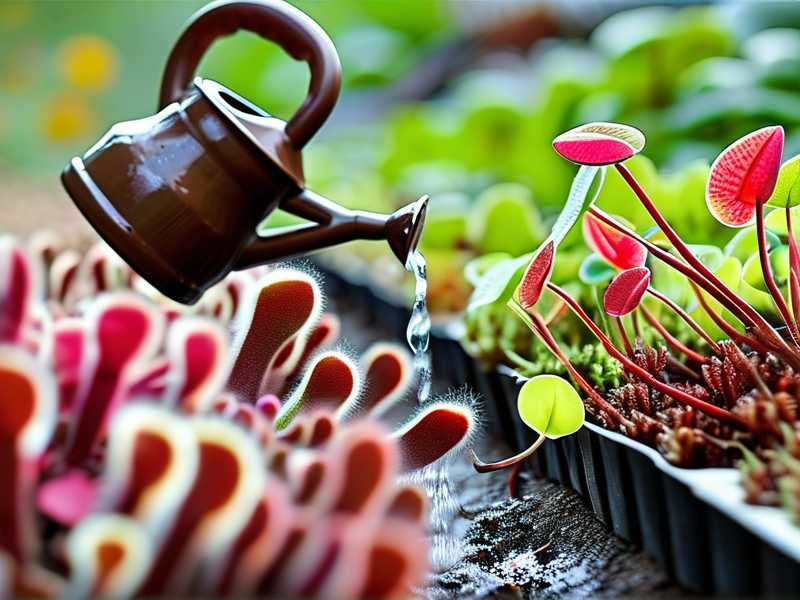
Watering: The Saucer Method is Key I never let the visible water at the bottom of the pot evaporate completely. I top it up with distilled water every 2-3 days, depending on temperature and humidity. I water from the side to avoid washing dew off the leaves. This consistent moisture is the heartbeat of the sundew bog pot.
Feeding: Less is More In my sunny location, the sundew catches small gnats and flies on its own. I supplement only if I see no prey for 2-3 weeks, using a single, tiny insect per plant. Overfeeding is a common error that can rot leaves.
Light and Dormancy My Drosera capensis is tropical and doesn’t require a winter dormancy. However, for temperate sundew species, this is a crucial aspect of sundew care. They require a cold, damp winter rest period with reduced light. Research your specific species!
Repotting and Division After about 18 months, my bog pot became crowded with offspring. I carefully divided the plant in early spring, repotting into fresh medium. This is also the time to refresh the old, decomposed peat moss.
Troubleshooting Common Issues
- Lack of Dew: This is almost always due to insufficient light. I moved one struggling plant under a strong LED grow light, and dew production returned within a week. Low humidity can also contribute.
- Leaf Browning/Blackening: This was my initial failure. Causes include: 1) Using mineral-rich water, 2) Fertilizer burn (even from nearby plants), or 3) Natural aging of older leaves.
- Mold or Algae: A white fungal mold on the peat surface is usually harmless and can be scraped off. Green algae means conditions are too wet and light is hitting the medium. I solved this by topping the medium with a thin layer of dried sphagnum moss to shade it.
Do I need to use a pot without a drainage hole? While you can use a pot with holes sitting in a permanent water tray, a true sealed bog pot creates a more stable, self-regulating water reservoir and mimics the natural water table of a bog more closely. I find it simpler and more effective.
Can I keep different carnivorous plants together in one bog pot? Yes, this is often called a “carnivorous plant terrarium” or arrangement. You can successfully group sundews with other bog-lovers like pitcher plants (Sarracenia) and Venus flytraps, provided they have similar water, light, and dormancy requirements. Ensure they have enough space to grow.
How often should I completely change the growing medium? A well-maintained bog pot can go 2-3 years before the medium breaks down and needs a full refresh. Signs it’s time include poor drainage (it becomes soupy), a thick algae mat, or declining plant health despite correct care.
Caring for a sundew in a bog pot is a rewarding practice that connects you to a fascinating ecological niche. It requires a shift in mindset—forgetting everything you know about fertilizing and dry cycles. By committing to pure water, the right inert medium, and abundant light, you create a living sculpture. My own bog pot, now a dense forest of glistening, red-tentacled leaves, is a daily source of wonder. It’s proof that with the right knowledge, you can master the art of the sundew bog pot setup and enjoy these captivating carnivorous plants for years to come. Start with a resilient species like the Cape Sundew, follow these steps, and prepare to be amazed.