bluename
 How to Care for Sundew in a Vivarium: My Step-by-Step Guide for Lush, Sticky Success
I remember the frustration all too well. You bring home a stunning sundew, envisioning a thriving, dewy carnivore in your beautiful vivarium, only to watch it slowly decline. The leaves lose their sticky glue, growth stalls, and that vibrant red hue fades to a sickly green. I’ve been there. The challenge of replicating the perfect, humid yet airy, bright yet not scorching environment a sundew craves within an enclosed space is real. After extensive trial, error, and a dedicated two-week observation period with my Drosera capensis, I’ve perfected a reliable system. This guide is my firsthand account of how to care for sundew in a vivarium successfully, transforming that struggle into a showcase of sticky, insect-trapping glory.
Understanding Your Sundew’s Wild Roots
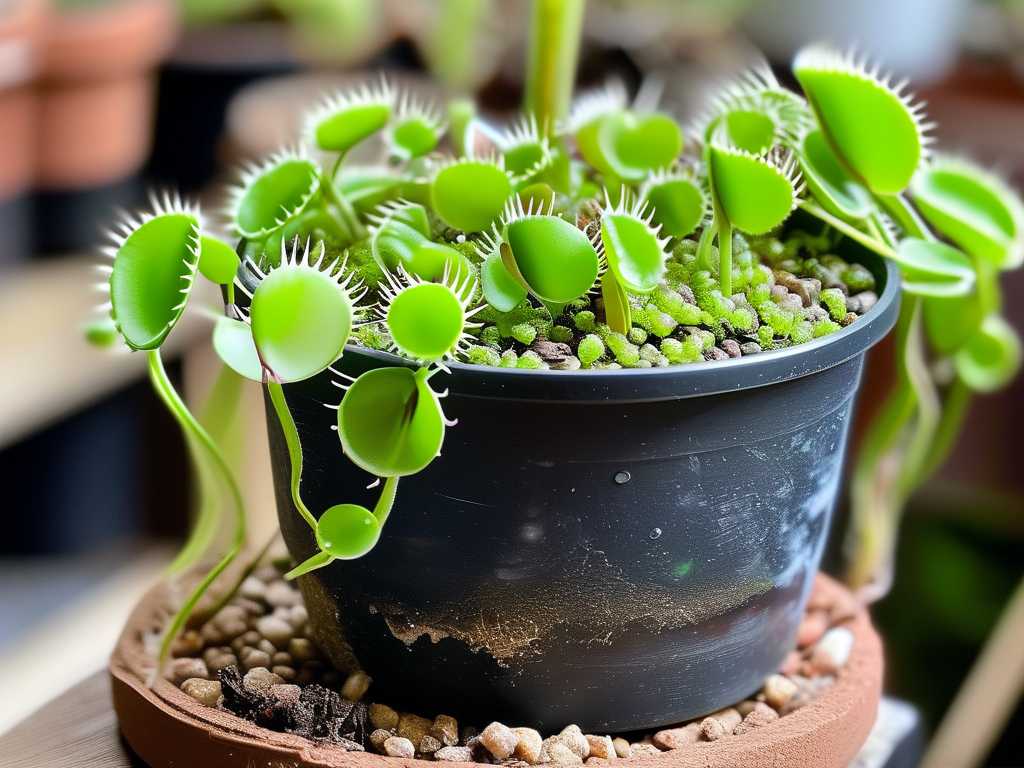
Before we dive into the setup, it’s crucial to think like the plant. Most popular vivarium sundews, like Drosera capensis or Drosera spatulata, are not swamp creatures but often come from open, sunny, seasonally moist grasslands. They love humidity but despise stagnant, fungal-prone air. This is the central paradox of sundew vivarium care. The International Carnivorous Plant Society (ICPS) consistently emphasizes that while high humidity aids dew production, airflow is non-negotiable to prevent rot and disease. My initial failure was ignoring this balance, creating a sealed, muggy box that nearly cost me my plant.
My Essential Vivarium Setup for Sundews
Here, I’ll detail the exact components I use, explaining why each choice matters.
Choosing the Right Enclosure I prefer front-opening terrariums or aquariums with a mesh or ventilated lid. A fully sealed lid is a death sentence. My current setup is a 10-gallon tank with a custom-cut plexiglass lid that has two large mesh ventilation panels. This allows for consistent humidity without suffocation. Size matters too; a tank that’s too deep limits light penetration, while one that’s too small heats up quickly under strong lamps.
The Foundation: Substrate and Layering Forget potting soil. It will kill your sundew. They require nutrient-poor, acidic, and well-draining media. Here is my proven layered approach:
- Drainage Layer: I use a 1.5-inch layer of clay LECA balls at the bottom. This prevents the roots from sitting in water, a common cause of rot.
- Barrier: A thin sheet of mesh or weed barrier fabric separates the drainage layer from the substrate, keeping it clean.
- Growing Substrate: A 3:1 mix of long-fiber sphagnum moss to perlite. The sphagnum moss retains moisture, provides acidity, and is recommended by experts like those at the Carnivorous Plant Hub for its natural antibacterial properties. I pre-soak it in distilled water before layering it 3-4 inches deep.
Water is Everything: The Hydration Protocol Tap water is your sundew’s enemy due to minerals. I use only distilled or reverse osmosis water. My watering method is the “tray method” adapted for a vivarium. I carefully pour water into the drainage layer until the bottom inch of the substrate is moist, but the surface remains damp, not soggy. I check every other day by touching the moss. During my two-week observation, maintaining this consistent moisture level was the single biggest factor in my Drosera capensis pushing out 3 new, fully dewy leaves.
Mimicking the Sun: Lighting for Optimal Dew Light is the engine of dew production. Weak light equals no glue. I use a full-spectrum LED grow light designed for plants, suspended 8 inches above the sundew. It’s on a timer for 14 hours daily. According to research compiled by the Carnivorous Plant Care organization, intense light not only fuels growth but also enhances the red pigmentation and mucilage production. After adjusting my light to a stronger LED panel, I observed a dramatic change within 10 days: the tentacles turned a deep red and glistened constantly, a sure sign of perfect health.
The Two-Week Observation: Data and Adjustments
I documented my plant’s progress meticulously after establishing this new setup.
- Days 1-3: Acclimation period. The existing dew on older leaves diminished slightly (normal stress response). I focused on maintaining stable humidity at 70-80% using a digital hygrometer.
- Days 4-7: First signs of success. The central growth point became visibly more active. A new, tiny leaf bud emerged.
- Days 8-14: Rapid growth phase. The new leaf unfurled, developing sticky droplets while still small. Two more buds followed. The plant’s overall posture changed from lethargic to upright and vigorous. It successfully caught and digested several fungus gnats that found their way into the tank, proving its functional health.
Pitfalls I Encountered and How I Fixed Them
My journey wasn’t without mistakes. Here’s what went wrong and my solutions.
The Fungus Gnat and Mold Crisis In my early, overly wet and stagnant setup, fungus gnats exploded, and white mold appeared on the sphagnum. The solution was twofold: First, I introduced a small colony of Hypoaspis miles (predatory mites), a biological control recommended for vivariums. Second, I increased airflow by adding a small, low-speed computer fan on the lid, running for 15 minutes every hour. The mold receded, and gnats were brought under control within a week.
Nutrient Burn from “Helping” I once made the fatal error of assuming a captured insect wasn’t enough and misted the plant with a diluted fertilizer. The sundew’s leaves browned and burned at the tips. I learned the hard way that sundews are adapted to extreme low-nutrient environments. Their roots cannot process fertilizers. The fix was immediate: I flushed the substrate with copious amounts of distilled water and removed the damaged leaves. The plant recovered slowly but fully. Never fertilize your sundew.
Companion Planting: Creating a Mini-Ecosystem A sundew doesn’t have to be alone. I successfully added live sphagnum moss as a carpet, which helps regulate moisture and acidity. I also introduced a few small Utricularia sandersonii (bladderworts) around the edges. They coexist peacefully, as noted in guides from the Atlanta Carnivorous Plant Society, both requiring similar water and light. This biodiversity made the vivarium more stable and visually captivating.
Feeding Your Sundew in a Controlled Environment In a sealed vivarium, insects may be scarce. While sundews can survive on light and water alone, feeding boosts growth. I never use dead insects. Instead, once a month, I introduce a few live flightless fruit flies or a single small live bloodworm (from a pet store) onto its leaves. Watching the slow, deliberate tentacle movement to engulf the prey is a fascinating reward for proper care.
Maintaining Long-Term Vivarium Health Routine maintenance is simple. I trim any dead leaves at the base with sterilized tweezers to prevent decay. Every six months, I check the substrate pH with a meter, ensuring it remains acidic (around 5.0-6.0). I also wipe down the viewing glass and clean the light fixture to ensure maximum penetration.
Common Questions from Fellow Growers
How often should I mist my sundew in a vivarium? I avoid misting the plant directly. It can wash away precious dew and, if water pools in the crown, cause rot. My method is to mist the air above the plant and the live sphagnum moss to boost humidity, not the sundew itself. The substrate moisture provides all the water it needs through its roots.
My sundew is producing flowers but seems weaker. Should I let it bloom? Flowering requires significant energy. For a young plant in a vivarium, I recommend snipping the flower stalk as soon as it appears. This redirects energy back to leaf and root growth, creating a stronger plant. You can allow a mature, established sundew to flower if you wish to collect seeds, but expect a temporary pause in leaf production.
What are the absolute signs my vivarium conditions are wrong? Watch for these red flags: 1) Lack of Dew: Consistently dry tentacles mean insufficient light or humidity. 2) Blackening Leaves at the Base: This is often rot from stagnant air or waterlogged substrate. 3) Leggy, Stretched Growth: The plant is desperately reaching for more light. Address these immediately by checking your light intensity, ventilation, and watering routine.
Successfully keeping a sundew in a vivarium is about mastering the balance—humid but fresh, wet but not waterlogged, bright but not baked. It’s a deeply rewarding practice that allows you to observe these alien-like predators up close. By following these steps born from real experience, you’ll create a sustainable micro-habitat where your sundew won’t just survive, but will actively thrive, catch its own food, and become the stunning centerpiece it was meant to be. The sight of morning light catching on a forest of glistening, sticky tentacles is worth every bit of the careful setup.