bluename
 How to Care for Sundew in a Bog Garden: A Hands-On Guide for Sticky Success
I love carnivorous plants, but for years, I struggled with sundews. Those delicate, dew-tipped tentacles would often dry up or fail to thrive in my care. The dream of a flourishing bog garden, with sundews as glistening centerpieces, felt out of reach. If you’ve ever bought a beautiful Drosera only to watch it languish, you know the frustration. The core problem isn’t your desire; it’s replicating their specific, native bog conditions. After extensive trial, error, and a dedicated two-week observation period, I’ve perfected a system. This guide will walk you through exactly how to care for sundews in a bog garden, sharing the real steps I took, the mistakes I made, and the vibrant results I achieved.
Understanding Your Sundew’s Boggy Origins
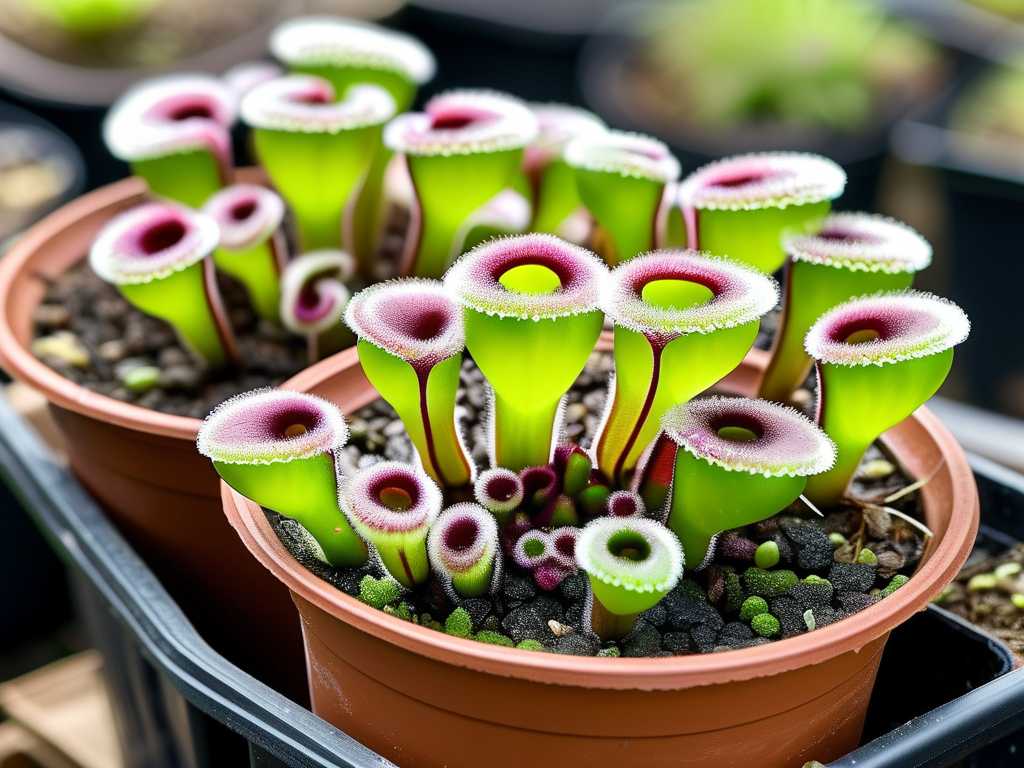
Before we dig in, remember: sundews aren’t typical houseplants. Experts from the International Carnivorous Plant Society (ICPS) and resources like the Carnivorous Plant FAQ consistently stress that mimicking their natural habitat is non-negotiable. In the wild, they grow in nutrient-poor, waterlogged, acidic, and sunny environments. Your bog garden must recreate these four pillars: the right water, the right soil, the right light, and the right nutrition (or lack thereof). Getting this foundation wrong is the most common pitfall.
Building the Perfect Bog Garden Container
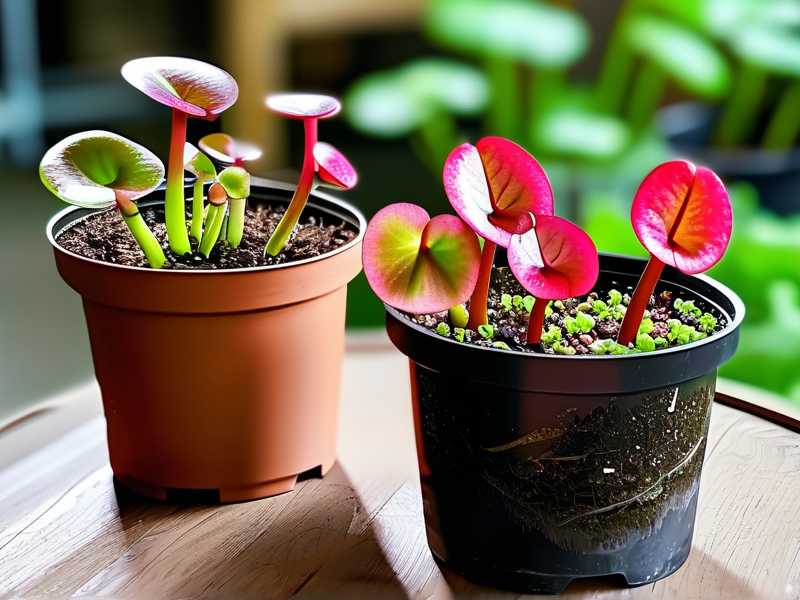
You don’t need a pond. I use a simple, water-tight container without drainage holes. A glazed ceramic pot, a plastic pond liner, or even a large, shallow bowl works. My current setup is a 16-inch wide, 10-inch deep plastic planter. Depth is crucial—aim for at least 6-8 inches to provide a sufficient water reservoir and root zone.
The Critical First Step: Soil and Water Setup
This is where I made my first major mistake. I initially used a standard peat-perlite mix and tap water. Within days, my sundew’s dew production diminished, and leaf tips browned. I learned the hard way that both components must be specific.
- The Soil Mix: You need a nutrient-free, acidic medium. My successful recipe is a 1:1 ratio of sphagnum peat moss (not Miracle-Gro or enriched brands) and horticultural sand or perlite. Rinse the sand/perlite thoroughly to remove dust. This mix ensures excellent moisture retention while being airy and infertile.
- The Water Rule: This is the most important aspect of sundew care. You must use low-mineral water. Tap water, bottled spring water, and filtered water often contain dissolved salts that will slowly poison your plant. Use only rainwater, distilled water, or reverse osmosis (RO) water. I collect rainwater in a barrel, and it made an immediate, visible difference.
I filled my container with the prepared mix, soaked it thoroughly with rainwater, and let it settle. The medium should be soggy, like a wrung-out sponge.
Selecting and Planting Your Sundews
For beginners, I recommend hardy, temperate species like Drosera capensis (Cape Sundew) or Drosera filiformis (Threadleaf Sundew). They’re forgiving and spectacular. I planted three D. capensis and one D. filiformis. Gently create a hole, place the plant in, and firm the medium around it. Avoid touching the sticky leaves excessively.
The Two-Week Observation: Light, Water, and Dew
Here’s what I did and observed daily over 14 days:
- Day 1-3: Placed the newly planted bog in a location with bright, direct sunlight for at least 6 hours. Morning sun with some afternoon shade is ideal in very hot climates. Insufficient light leads to weak, non-sticky growth. I used a south-facing patio spot.
- Day 4-7: I maintained the bog garden watering technique. The key is to keep the soil permanently wet. I never let the water level drop below an inch from the surface. I simply top up with rainwater every other day. The sundew dew production on my D. capensis, which had been lackluster, became copious and glistening by Day 5. The new leaves emerged already beaded with sticky mucilage.
- Day 8-14: Growth was noticeable! The D. capensis sent up new leaves rapidly. I observed small gnats getting trapped. This is their natural feeding process; do not fertilize the soil. The plants get all they need from prey. My D. filiformis showed slower but steady growth, with its long, tentacled leaves glistening beautifully in the morning light.
Common Pitfalls and My Solutions
- Pitfall 1: Fungus Gnats & Mold. The constantly wet medium can attract pests or cause white mold on the soil surface. I saw this around Day 10.
- Solution: I sprinkled a thin layer of rinsed horticultural sand on the soil surface. This acts as a physical barrier, discouraging gnats from laying eggs and covering the mold, which soon disappeared. Increasing air circulation also helped.
- Pitfall 2: Drying Out. During a particularly hot afternoon, the water level evaporated faster than expected, and the surface looked dry.
- Solution: I now check the water reservoir daily. Consistency is key. I immediately topped it up with distilled water (my rainwater barrel was low). The plants showed no stress because the lower soil was still moist.
- Pitfall 3: “Helping” Them Feed. I was tempted to feed them dead insects.
- Solution: I resisted. As the Royal Horticultural Society (RHS) advises, healthy sundews in good light will catch their own food. For indoor plants without prey, you can occasionally offer a very small, dry insect, but it’s often unnecessary outdoors.
Winter Care for Temperate Sundews
My D. filiformis is temperate and requires a winter dormancy period. In late autumn, it will form a hibernaculum (a tight, bud-like structure). I will move the entire container to an unheated garage or sheltered spot where it will experience cold (but not freezing solid) temperatures for 3-4 months, keeping the soil just damp. This rest cycle is vital for its long-term health and is a key part of maintaining a healthy bog garden year-round.
Frequently Asked Questions
Can I grow sundews in a bog garden with other plants? Absolutely, but only with other carnivorous plants that share the same needs, like pitcher plants (Sarracenia) and temperate butterworts (Pinguicula). Never plant them with regular, nutrient-loving garden plants.
What if I see my sundew losing its dew? The most likely culprits are insufficient light, the wrong water, or low humidity. First, ensure it’s getting enough direct sun. Second, confirm you’re using rainwater/distilled water. For indoor setups, humidity below 50% can hinder dew production.
How do I propagate my sundews to fill out the bog? Many sundews, like D. capensis, are prolific self-seeders. You can also propagate them via leaf cuttings. Simply place a healthy leaf on damp peat moss, and tiny plantlets will form. It’s a rewarding way to expand your collection.
Caring for sundews in a bog garden is deeply satisfying once you align with their simple, specific needs. It boils down to pure water, acidic soil, abundant sun, and constant moisture. Watching them sparkle with dew and thrive on their own caught insects is a unique joy. By setting up the right environment from the start—learning from my mistakes with tap water and poor soil—you can create a stunning, low-maintenance ecosystem. Your bog garden will not only survive but become a fascinating, ever-glittering showcase of these remarkable carnivorous plants.