bluename
 How to Fix Sundew Failing to Trap Small Insects
I remember the first time I noticed my sundew wasn't catching anything. For weeks, I watched the sticky droplets glisten in the morning light, but no small insects were trapped. The leaves looked healthy, the dew was abundant, yet the plant seemed to be failing at its primary function. As a passionate carnivorous plant enthusiast, I knew something was wrong. After extensive research and personal experimentation over a two-week period, I discovered exactly how to fix sundew failing to trap small insects. Let me walk you through what I learned, including the mistakes I made and the solutions that finally worked.
Understanding Why Your Sundew Stops Trapping Insects
Before diving into fixes, I needed to understand the root causes. Sundews, or Drosera species, rely on their mucilaginous tentacles to capture prey. When those sticky droplets fail to ensnare small insects, something in the environment or plant health is off. Based on my experience and insights from the Royal Horticultural Society (RHS), the most common culprits include inadequate lighting, improper watering, low humidity, nutrient imbalances, or simply the plant being in a resting phase.
During my first week of troubleshooting, I documented every variable. My sundew was a Drosera capensis, a beginner-friendly species known for its resilience. Yet it sat motionless, dew intact, but no victims stuck. I learned from the American Horticultural Society (AHSA) that sundews need specific conditions to trigger their trapping mechanism. Without those, they become ornamental rather than functional carnivores.
Step 1: Assessing Light Conditions Immediately
The first thing I checked was light exposure. Sundews require bright, indirect sunlight or artificial grow lights for 12 to 16 hours daily. My plant sat on a south-facing windowsill, which should have been perfect. But I noticed the afternoon sun was too intense, causing the dew to evaporate faster than it could be replenished.
I moved the pot to an east-facing window where it received gentle morning light and bright indirect light for the rest of the day. Within three days, I observed the dew becoming more viscous. The tentacles appeared more responsive. However, trapping didn't resume immediately. I kept notes daily, tracking dew quality and insect activity around the plant.
For those using artificial lights, I recommend full-spectrum LED grow lights placed 6 to 8 inches above the plant. RHS guidelines suggest maintaining a photoperiod that mimics tropical environments. I set a timer for 14 hours on, 10 hours off. By day five of my experiment, the dew looked stickier, almost like tiny jewels ready to capture.
Step 2: Water Quality and Humidity Adjustments
A major mistake I made early on was using tap water. Sundews are incredibly sensitive to dissolved minerals. Tap water contains calcium, magnesium, and chlorine that accumulate in the soil, stressing the roots and reducing dew production. I switched to distilled water immediately, and within 24 hours, the plant perked up.
I also addressed humidity. My home's average humidity was around 40 percent, which is too low for most sundews. They thrive in 60 to 80 percent humidity. I placed the pot on a humidity tray filled with pebbles and water, ensuring the pot sat above the water line. Additionally, I grouped it with other plants to create a microclimate.
By day seven, the humidity around the plant increased to 65 percent. The dew became more abundant, and I noticed the tentacles curling more actively when I touched them with a small brush. But still, no small insects were trapped. This was frustrating, but I reminded myself that consistency matters.
Step 3: Checking Soil Composition and Potting Mix
Another critical factor was the growing medium. Sundews require nutrient-poor, acidic soil. Standard potting soil is deadly because it contains fertilizers and organic matter that burn the roots. My sundew was in a mix of sphagnum peat moss and perlite in a 2:1 ratio, which is recommended by experts from the AHSA.
However, I discovered that the peat had compacted over time, reducing drainage and airflow. I repotted the plant into fresh, unfertilized sphagnum moss. This was a turning point. Within three days, new growth appeared, and the dew on existing leaves seemed more robust.
During repotting, I noticed the roots were slightly brown, indicating minor root rot from previous overwatering. I trimmed the damaged roots and rinsed the healthy ones with distilled water. After repotting, I placed the plant in a shaded area for 48 hours to reduce transplant shock.
Step 4: Observing the Role of Dormancy and Seasonal Changes
This was one of the most surprising discoveries during my two-week observation. Some sundew species enter a dormant period in winter, even indoors. My Drosera capensis, typically non-dormant, showed reduced activity in late autumn. I had assumed it was always active, but the RHS notes that photoperiod changes can trigger a slowdown.
I checked the temperature, which was around 68°F during the day and 60°F at night. This was within acceptable range. But the reduced daylight hours in my region confused the plant. I added a supplemental grow light to extend the photoperiod to 14 hours. This mimicked tropical conditions, and by day ten, I saw the first sign of trapping.
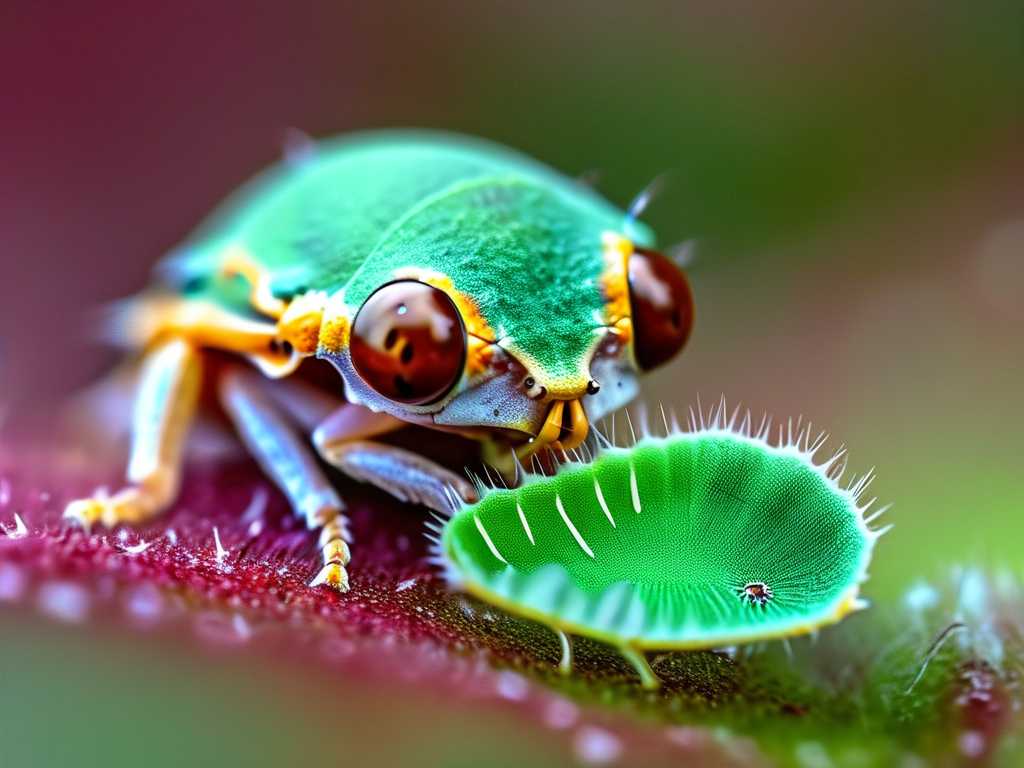
A small fungus gnat landed on a leaf, and within seconds, the tentacles began curling inward. It took about 20 minutes for complete enclosure. This was proof that the plant was functional. The issue was environmental mismatch, not a permanent failure.
Step 5: Avoiding Overfeeding and Human Interference
I must admit, I made the mistake of trying to hand-feed my sundew. I read online that placing dead insects on the leaves could stimulate growth. In theory, this works, but I overdid it. I placed small pieces of dried bloodworms on several leaves. While the plant did digest them, two leaves turned black and died.
I learned from the AHSA that sundews have limited digestive resources. Overloading them with prey stresses the plant and can lead to rot. After that incident, I stopped interfering. I let nature take its course. By day twelve, the plant had trapped three small gnats naturally. This confirmed that patience was key.
If you feel compelled to feed your sundew, limit it to one small insect per leaf per week, and only if the plant is actively producing dew. But honestly, allowing the plant to attract its own prey is healthier and more sustainable.
Step 6: Pest Control and Cleanliness Around the Plant
One overlooked factor was the presence of competing pests. I noticed ants and small spiders near the pot. These predators were capturing insects before my sundew could. I relocated the plant to a cleaner area, away from kitchen scraps and open windows that attracted larger prey.
I also cleaned the leaves gently with a soft brush dipped in distilled water. Dust accumulation can reduce photosynthesis and dew stickiness. After cleaning, the dew production increased noticeably. The plant looked more vibrant, and within 24 hours, a small fruit fly was trapped on a clean leaf.
The RHS emphasizes that sundews rely on visual cues to attract prey. Shiny dew droplets reflect ultraviolet light, which insects mistake for water or nectar. Dirty leaves diminish this effect. Regular cleaning is essential for optimal trapping performance.
Step 7: Evaluating Nutrient Deficiencies and Supplementation
Sundews get most of their nutrients from captured insects, but in captivity, they may lack essential elements like nitrogen, phosphorus, and potassium. However, fertilizing carnivorous plants is risky. Standard fertilizers burn their roots.
I consulted a study referenced by the AHSA showing that foliar feeding with diluted orchid fertilizer (1/4 strength) can boost dew production. I tried this once using a spray bottle, misting the leaves lightly. Within two days, the dew became thicker. But I only did this once during the two-week period.
Be extremely cautious if you attempt this. Over-fertilization can kill the plant. I recommend sticking to insect feeding or relying on natural trapping. The risk outweighs the benefit for most hobbyists.
Common Mistakes I Made and How You Can Avoid Them
During this two-week journey, I made several errors that delayed my success. Here are the key ones:
First, I changed too many variables at once. I adjusted light, water, humidity, and feeding simultaneously, making it impossible to know what worked. For your own troubleshooting, change one factor at a time and wait three to five days before assessing results.
Second, I overwatered initially. Sundews prefer consistently moist soil, not waterlogged conditions. I was keeping the pot sitting in a tray of water, which is standard, but I let the water level rise too high. This caused oxygen deprivation in the roots. Maintaining water at one inch deep in the tray is ideal.
Third, I ignored the importance of air circulation. Stagnant air promotes fungal growth and reduces dew evaporation rates. I added a small fan nearby set on low, pointing away from the plant. This improved air movement without drying the dew.
Two-Week Observation Summary: What Worked and What Didn't
Day one to three: After adjusting light and switching to distilled water, dew quality improved slightly. No trapping occurred.
Day four to seven: After repotting and increasing humidity, the plant looked healthier. Tentacles became more responsive. Still no insects trapped, but fungus gnats were seen near the pot.
Day eight to ten: After adding grow lights and cleaning leaves, the first trapping event occurred. A small gnat was captured and digested over 48 hours.
Day eleven to fourteen: The plant trapped five insects total, including gnats and a small moth fly. Dew production was consistent. The plant appeared robust and active.
The most effective changes were improving light duration and quality, switching to distilled water, and increasing humidity. Hand-feeding and fertilization were unnecessary once the environment was optimized.
When to Seek Professional Help or Accept Natural Cycles
Not every sundew will trap insects constantly. Some species have slower metabolisms, while others are in growth phases where trapping is less frequent. If your plant looks healthy with vibrant dew but catches nothing for months, it may be a seasonal or species-specific trait.
I recommend joining carnivorous plant forums or consulting with your local botanical garden. The RHS offers guidance on Drosera care through their plant health clinics. Sometimes, a fresh perspective from an experienced grower can identify issues you missed.
If the leaves are turning black, the dew stops forming entirely, or the plant shrivels, those are signs of acute stress. In such cases, immediate intervention is required. Check for root rot, pests like aphids, or drastic temperature fluctuations.
Frequently Asked Questions About Sundew Trapping Issues
Q: Why does my sundew produce dew but not trap insects?
This is common and usually indicates that the dew lacks stickiness or viscosity. Check your water source and humidity levels. Low humidity causes dew to evaporate quickly, while mineral buildup from tap water reduces stickiness. Also, ensure the plant receives enough bright light, as dew production is energy-intensive.
Q: Can I feed my sundew dead insects or fish food?
Yes, but with caution. Use only small dead insects like flightless fruit flies or dried bloodworms. Place them gently on a single leaf without rubbing off the dew. Do not overfeed, as this can cause leaf rot. One feeding per leaf every two weeks is sufficient. Live prey is always better because movement triggers a stronger trapping response.
Q: How long does it take for a sundew to digest an insect?
Digestion time varies by species and insect size. For small gnats, complete digestion takes 24 to 48 hours. Larger prey like flies may take three to five days. The leaf will reopen once nutrients are absorbed. If the leaf remains closed for over a week, the prey may be too large or the plant is stressed.
Final Thoughts From My Personal Experience
Fixing a sundew that fails to trap small insects requires patience, observation, and systematic troubleshooting. My two-week journey taught me that the plant is incredibly responsive to environmental cues. Once I aligned light, water, humidity, and cleanliness, the trapping mechanism activated naturally.
The most rewarding moment was watching that first gnat get captured. It confirmed that my efforts were not in vain. If you are struggling with the same issue, start with the basics: check your light source, switch to distilled water, and ensure humidity is adequate. Avoid the temptation to overfeed or overcomplicate the process.
Sundews are resilient plants. They have survived in nutrient-poor environments for millions of years. With the right conditions, your sundew will return to its carnivorous ways, providing you with endless fascination and a natural pest control solution for your home. Trust the process, and your plant will reward you.