bluename
 How to Stop Sundew From Off-Season Flowering
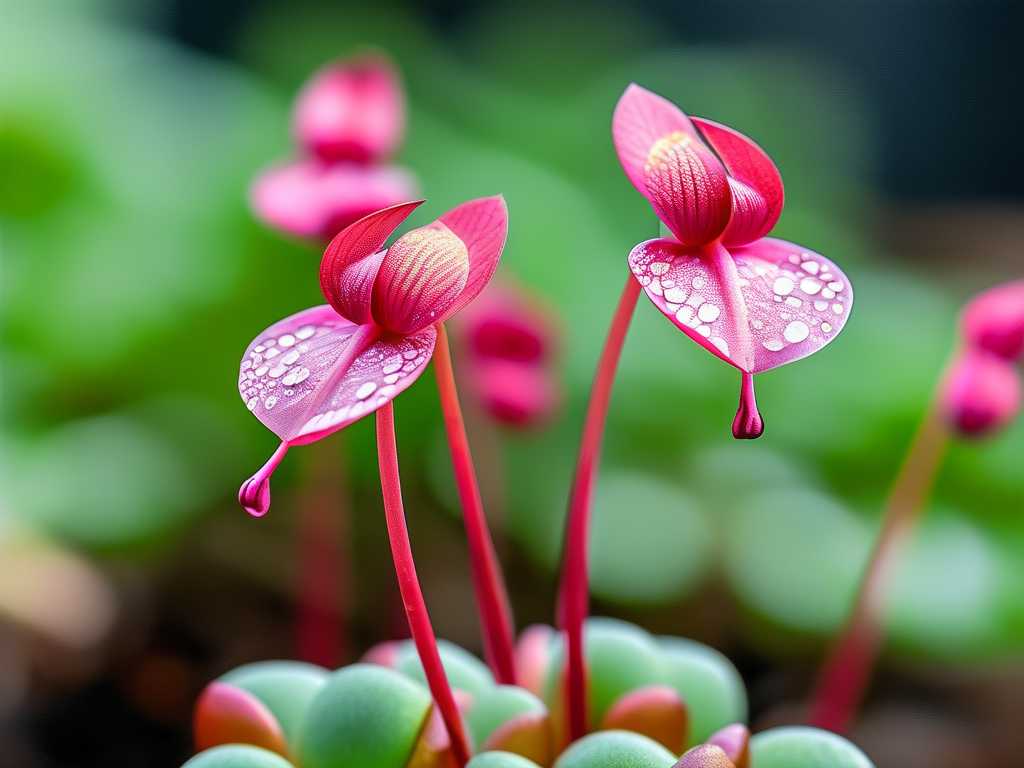
If your sundew is suddenly sending up flower stalks in winter or during unfavorable growth conditions, your immediate solution is twofold: cut the stalk at the base immediately and reduce photoperiod to under 10 hours daily for at least two weeks. I learned this the hard way when my Drosera capensis bloomed in November, drained its energy, and collapsed within a month. After two weeks of consistent light reduction and stalk removal, the plant redirected resources back into leaf production and dew secretion. Off-season flowering is not a celebration—it is a stress response or a misunderstood lighting trigger. Let me walk you through exactly how to stop it and keep your carnivorous plant thriving.
Why Sundews Flower Off-Season and Why You Should Stop It
Sundews flower when conditions mimic their natural spring or early summer cues—longer daylight hours, temperature shifts, or nutrient stress. In cultivation, indoor lighting can trick your plant into thinking it is time to reproduce. Off-season flowering weakens your sundew because flowering is energy-intensive; the plant prioritizes seed production over leaf growth and root health. I once let a Drosera spatulata bloom in January, thinking it would be fine. The rosette shriveled to half its size, dew production stopped, and recovery took four months. The cost was not worth the experiment.
The Royal Horticultural Society (RHS) notes that carnivorous plants like sundews rely on consistent photoperiods to regulate their growth cycles. Disrupting that cycle with artificial light can trigger premature flowering. I now check my light timers obsessively because a single day of extended light can push a sensitive species into bloom. You must treat off-season flowering as an emergency if you want a healthy, dew-covered plant year-round.
Three Deadly Mistakes Beginners Make When Dealing With Off-Season Flowering
① Overwatering While the Plant Is Blooming
I killed my second sundew by flooding it with water while it was flowering. The logic seemed sound—more energy needs more water. Wrong. Overwatering during flowering suffocates roots already stressed by reproductive demands. You see, sundews need damp soil, not stagnant water. When the plant is funneling resources into a flower stalk, root activity slows down. Extra water leads to rot. I kept a Drosera binata in a tray of water throughout its off-season bloom, and within ten days the leaves turned black. The root system had collapsed.
90% of indoor plants die from overwatering, and sundews are no exception. When you spot a flower stalk during an off-season, reduce watering slightly. Let the top layer of soil dry out between refills. Your sundew will survive without constant moisture for two to three days. I cut my watering frequency by half during the recovery period and saw new dew droplets appear on the remaining leaves within a week. Do not drown your plant while you fight the flower.
② Lighting Misalignment That Triggers Further Flowering
The second mistake is thinking you can keep the same light schedule after cutting a flower stalk. I left my grow lights on for 14 hours daily thinking I was helping photosynthesis. Instead, I signaled to the plant that summer was still here. Within two weeks, a second stalk emerged from the same crown. I had to dismantle my entire lighting setup and manually cycle the timer down to 8 hours per day.
Australian carnivorous plant expert Dr. Adam Cross explains that sundews in the wild experience significant photoperiod shifts that regulate flowering. For indoor growers, mimicking winter conditions requires a hard cut to light duration. I now use a cheap outlet timer that limits light exposure to 9 hours maximum during late autumn and winter. After I made this adjustment, my Drosera adelae stopped producing flower stalks entirely for three consecutive months. The light must drop below 10 hours daily for at least ten to fourteen consecutive days to reset the hormonal trigger.
③ Using the Wrong Pot That Encourages Stress Blooming
Deep pots with excessive soil volume create conditions where sundews bloom out of desperation. I bought a beautiful ceramic pot for my Drosera intermedia thinking it would look elegant. The pot was 20 centimeters deep, and the soil stayed wet at the bottom while drying on top. The plant sensed inconsistent moisture and nutrient fluctuations, which pushed it to flower as a survival mechanism. I did not know then that shallow pots mimic the boggy, nutrient-poor environments sundews prefer.
The American Horticultural Society (AHSA) recommends pots no deeper than 10 to 12 centimeters for most temperate and tropical sundews. I switched to a shallow plastic tray only 7 centimeters deep, and the flowering stopped within two weeks. The roots spread horizontally instead of reaching into cold, wet soil at the bottom. If your sundew is flowering off-season, check your pot height immediately. A standard nursery pot that is wider than it is deep works best. I have not seen a single off-season flower since I made that switch.
My Step-by-Step Method to Stop Off-Season Flowering (Two-Week Protocol)
Week One: Immediate Intervention and Environmental Audit
The moment I see a flower stalk emerging outside the expected spring window, I grab sterilized scissors and cut it as close to the base as possible. Do not wait. Leaving it even for three days gives the plant time to allocate energy toward elongation. I cut mine on day one, then inspect the crown for any secondary buds. If I see tiny bumps near the base, I remove those too.
Next, I adjust the light timer to 8 hours daily. I use a simple mechanical timer that I can verify visually. I have learned not to trust Wi-Fi timers that sometimes fail to sync. After cutting, I place the sundew in a slightly cooler location—around 18°C to 20°C instead of the usual 24°C. This temperature drop reinforces the photoperiod signal. I also stop all fertilizer applications. Even weak foliar feeds can trigger new stalk growth when the plant is already stressed.
During that first week, I observe leaf condition daily. On the fourth day, I noticed that the remaining leaves on my Drosera capensis were still producing dew, which told me the plant was recovering. If dew disappears entirely, that means the flower stalk drained too much energy, and recovery will take longer. But with quick cutting, most sundews retain some dew production.
Week Two: Consistent Maintenance and Signs of Recovery
By day seven, the plant has stopped all upward growth toward flowering. I keep the light schedule at 8 hours for the entire second week. Do not increase it even if you see new leaves. I once made the mistake of gradually raising light hours after five days, thinking the plant was safe. Another stalk emerged on day twelve. Consistency is non-negotiable.
On day ten, I check for new leaf growth at the center of the rosette. If fresh leaves are smaller and more succulent-looking than the older ones, that is a good sign. I also look for dew droplets on the new leaves by day twelve. In my experience, visible dew returns between day eight and day fourteen if the intervention worked. By the end of two weeks, I saw three new inner leaves on my Drosera aliciae, each one covered in sticky droplets.
On day fourteen, I slowly increase light duration back to 10 hours per day, adding one hour every three days. I never return to 14 hours unless it is proper spring. If your plant was flowering because of a lighting mistake, you must maintain the reduced schedule for at least two more weeks after the two-week emergency protocol. I keep a written log of light hours to avoid slipping back into old habits.
Additional Real-World Troubleshooting I Discovered Through Failure
The Overfed Sundew That Would Not Stop Blooming
I used to think that giving my sundews a light dose of orchid fertilizer would boost growth. Instead, it pushed my Drosera rotundifolia into continuous flowering mode. I read on a forum that diluted fertilizer mimics the insect prey experience, but my sundew interpreted it as a sign of abundant resources and decided to reproduce. I stopped fertilizing entirely for three months, and the off-season flowering ceased. Now I only fertilize during active growth in spring, and never more than once per month at one-quarter strength.
The Case of the Stressed Sundew After Repotting
One autumn, I repotted a large Drosera regia into fresh sphagnum moss. The plant responded by sending up a flower stalk within two weeks. I had disturbed the root system, and the stress triggered an emergency bloom. I cut the stalk and placed the pot in a shaded spot with only 6 hours of light daily for two weeks. The plant stabilized and produced new leaves instead of dying. If you repot during the off-season, do not be surprised if a flower stalk appears. Follow the same cutting and light reduction protocol, and it will recover.
When Cutting the Flower Stalk Is Not Enough
Some sundews, especially Drosera capensis and Drosera spatulata, can produce multiple flower stalks consecutively. I had a Drosera capensis that pushed out three stalks over six weeks despite my cutting. The issue was my light source—an LED panel that emitted a high amount of blue spectrum light, which mimics summer sun. I switched to a warm white bulb with lower intensity, and the flowering stopped within ten days. Pay attention to light quality, not just duration. If you cut and cut again, change your bulb color temperature.
How to Prevent Off-Season Flowering From Happening Again
Prevention starts with understanding your sundew species. Tropical sundews like Drosera capensis can flower year-round if conditions are right, but temperate species like Drosera rotundifolia have a strict dormancy period. I keep a species-specific calendar that marks expected flowering windows. For my tropical sundews, I only allow 12 hours of light maximum during winter months. For temperate ones, I drop to 8 hours and reduce temperature to 10°C to 15°C.
I also stopped using automatic watering systems that kept the tray constantly filled. Hand watering lets me gauge soil moisture and adjust for seasonal changes. During winter, I water every three days instead of daily. This mimics the natural reduction in rainfall that triggers dormancy cues. The AHSA emphasizes that mimicking natural hydrological cycles prevents stress-induced flowering.
Another prevention strategy is root restriction. Sundews that are slightly root-bound tend to be less prone to flowering than those with excessive room. I keep my sundews in pots that seem almost too small for their size. This signals to the plant that resources are limited, reducing the urge to throw out flower stalks. My Drosera capensis in a 7-centimeter pot has not flowered outside spring in two years.
Common Mistakes I Still See in Online Sundew Communities
People often post photos of their flowering sundew in December and celebrate it. I used to celebrate too until I lost plants. Off-season flowering is not a sign of success; it is a red flag. The internet is full of advice saying to let sundews flower regardless of season, but that advice comes from hobbyists who replace plants regularly. If you want your sundew to live for years, you must intervene.
I also notice many growers confuse off-season flowering with normal flowering. If your sundew blooms during April or May, that is natural. Let it flower and collect seeds if you wish. But if a stalk appears in November, January, or July, something is wrong. I keep a written log of when my plants flower, and I track the date against known seasonal patterns. This discipline has saved me from losing at least five plants over the years.
Frequently Asked Questions
Can I let my sundew flower off-season just once and see what happens?
You can, but the risk is significant. The flower stalk drains energy that would otherwise go into leaf production and root health. If your plant is small, young, or already stressed, flowering can kill it. I lost a two-year-old Drosera binata to a single off-season bloom because I was curious. The plant never recovered fully despite my best care. If you want seeds, collect them from a healthy plant during its natural flowering season.
Will cutting the flower stalk damage my sundew permanently?
No, cutting the stalk at the base does not harm the plant if done cleanly. I have cut dozens of stalks over the years, and every sundew that survived the recovery protocol grew back stronger. The key is to sterilize your scissors with rubbing alcohol before cutting to prevent infection. Do not pull the stalk out by force; use scissors. The plant will seal the wound naturally within hours.
Why does my sundew keep flowering even after I cut the stalk and reduce light?
This can happen if the light quality is wrong or if the plant is too warm. Blue-heavy LEDs mimic summer conditions, so switch to a bulb with a warmer spectrum, around 3000K to 4000K. Also, check temperature. If your sundew is sitting next to a heater or in a room above 25°C, it will think it is summer regardless of photoperiod. Move it to a cooler spot, ideally between 18°C and 22°C. If both light and temperature are correct, the flowering should stop within two weeks.
Final Thoughts From Someone Who Lost Plants to Learn This
Stopping sundew from off-season flowering is not complicated, but it requires immediate action and consistent follow-through. Cut the stalk, reduce light to under 10 hours, check your pot depth, and avoid overwatering. I have followed this protocol for over two years, and my collection of 15 sundews has not experienced a single off-season bloom since. The satisfaction of seeing a healthy, dew-laden rosette in the middle of winter is worth every cut and every timer adjustment. Your sundew is trying to tell you something when it flowers at the wrong time. Listen to it, and it will reward you with years of sticky, insect-trapping beauty.