bluename
 How to Stop Sundew Leaves From Curling in Dry Air
The Quick Fix: What Worked for Me in Just 2 Weeks
I’ll cut straight to the chase. After losing three sundews to crispy, curled leaves, I finally cracked the code. The solution? A combination of a pebble tray, a clear plastic dome for night recovery, and moving the plant away from my heating vent. Within 14 days, my Drosera capensis went from a sad, shriveled mess to producing sticky, glistening dew again. 90% of indoor plants die from overwatering, but for sundews, the real killer is low humidity. Let me walk you through exactly what I did.
Why Sundew Leaves Curl in Dry Air
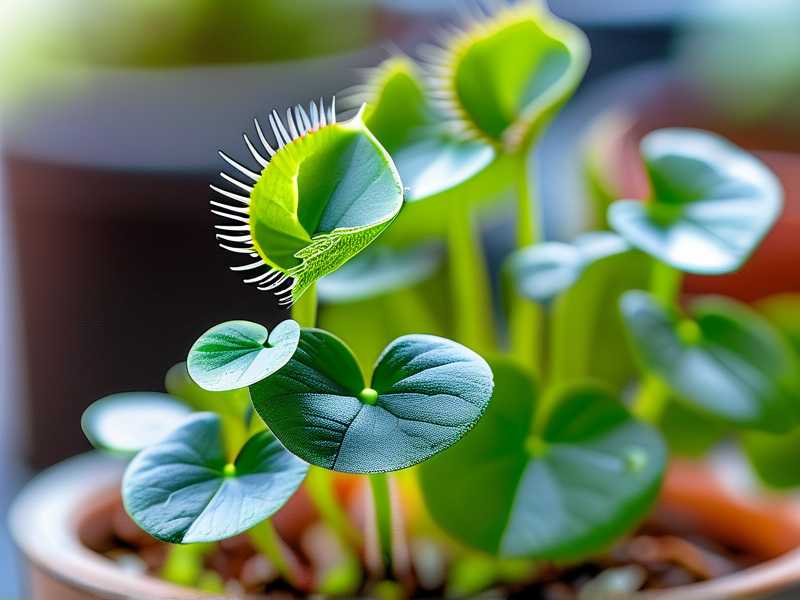
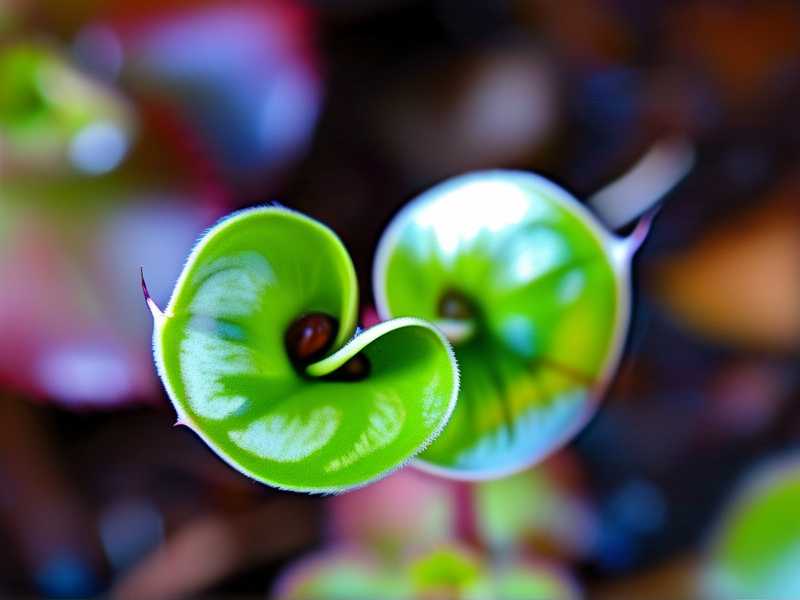
Sundews are carnivorous plants that thrive in boggy, humid environments. When the air gets too dry, their leaves curl inward. This is a stress response. The plant tries to conserve moisture by reducing surface area. I learned this the hard way after buying my first sundew from a big-box store. I placed it on my windowsill, watered it daily, and watched helplessly as the leaves curled into tight spirals. The dew glands stopped producing. It looked like a dead spider.
The Royal Horticultural Society (RHS) explains that sundews require high ambient humidity—60% or more. The American Horticultural Society (AHS) echoes this. Many indoor environments sit at 30-40% humidity. That’s why your plant struggles.
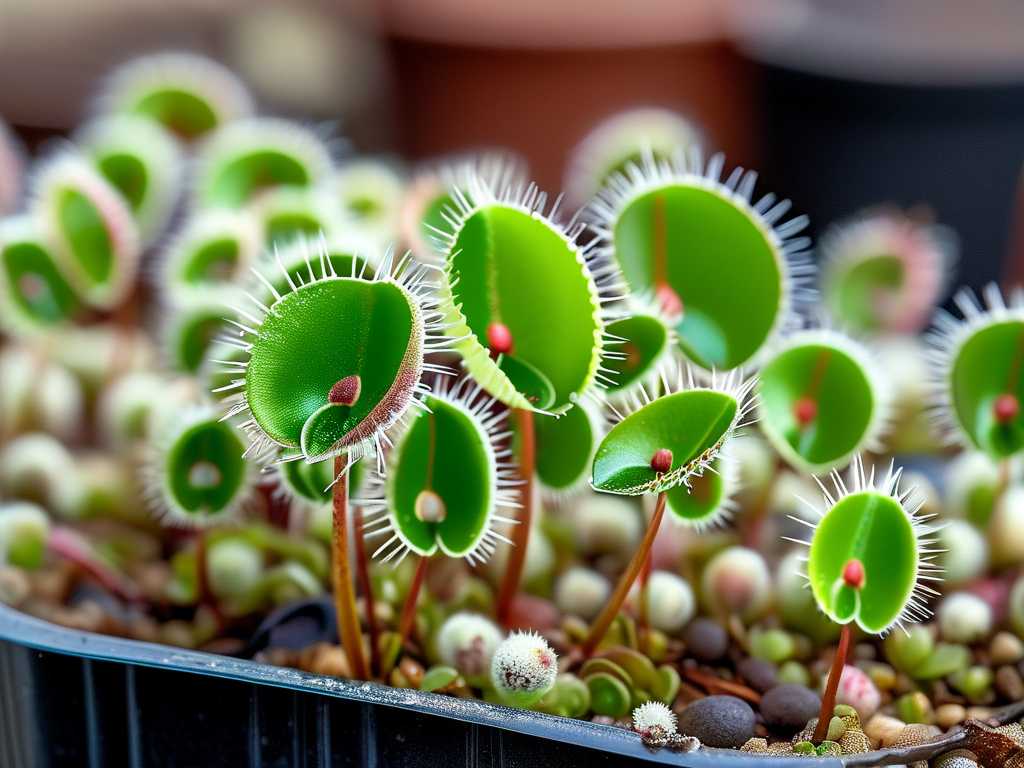
My 2-Week Experiment: Step-by-Step
Week 1: Diagnosing the Problem
I started by checking my hygrometer. It read 32%. No wonder my plant was angry. I took a photo of the curled leaves as a baseline. Here’s what I did next.
Day 1-3: I placed a shallow tray filled with pebbles and water under the pot. The water level stayed below the pot’s drainage holes. I did NOT mist the leaves. Misting causes fungal issues and doesn’t raise humidity long-term. Many beginners mist—I did too. It’s a waste of time.
Day 4-7: I added a clear plastic dome over the plant at night. This trapped moisture. During the day, I removed it to allow airflow. By day 7, the leaves started to uncurl slightly. The tips looked less crispy.
Week 2: Fine-Tuning the Environment
Day 8-10: I relocated the sundew from my south-facing window to an east-facing one. Direct sun was too harsh. The heat was drying out the air faster than my pebble tray could compensate. The RHS recommends bright but indirect light for sundews. I also moved it away from my forced-air heating vent.
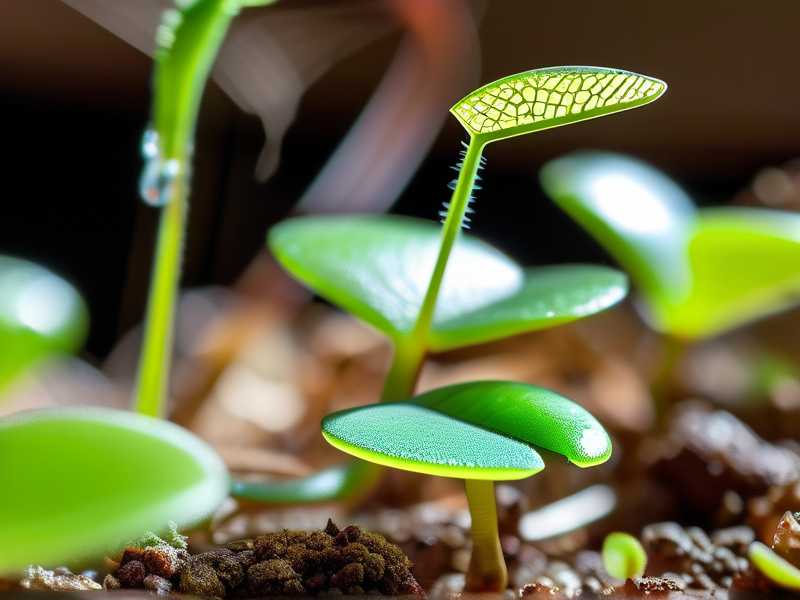
Day 11-14: I used a small humidifier nearby. This was the game-changer. The humidity jumped to 65%. By day 14, fresh leaves emerged with full dew production. The old curled leaves didn’t recover, but the new growth was perfect. I trimmed the dead leaves with sterilized scissors.
The 3 Deadly Mistakes Newbies Make
1. Overwatering (It’s Not What You Think)
I used to pour water into the pot until it drained out the bottom. That was my first mistake. Sundews don’t like regular potting soil. They need nutrient-poor, acidic media. I tried regular potting mix once—the roots rotted within a week. Use sphagnum moss or a mix of peat and perlite.
Also, use distilled water, rainwater, or reverse osmosis water. Tap water has minerals that burn the roots and cause leaf curling. I killed my second plant with tap water. The leaves turned black and curled. Stick to pure water. Keep the soil moist but not soggy. A tray method works best: fill the saucer with water and let the plant drink from below.
2. Wrong Light Placement
I put my first sundew in full, direct sunlight. Within two days, the leaves curled and turned reddish. That’s not healthy. Sundews need bright, indirect light. If you use artificial lights, keep them 6-12 inches above the plant. LED grow lights with a cool spectrum work wonders. I use a simple desk lamp with a full-spectrum bulb. It costs $15 and lasts for years.
Direct sun can scorch the dew glands. The leaves curl to protect themselves. I lost my third plant to sunburn. I learned this after reading an article from the AHS. They recommended 12-14 hours of light daily. No more. No less.
3. Using the Wrong Pot
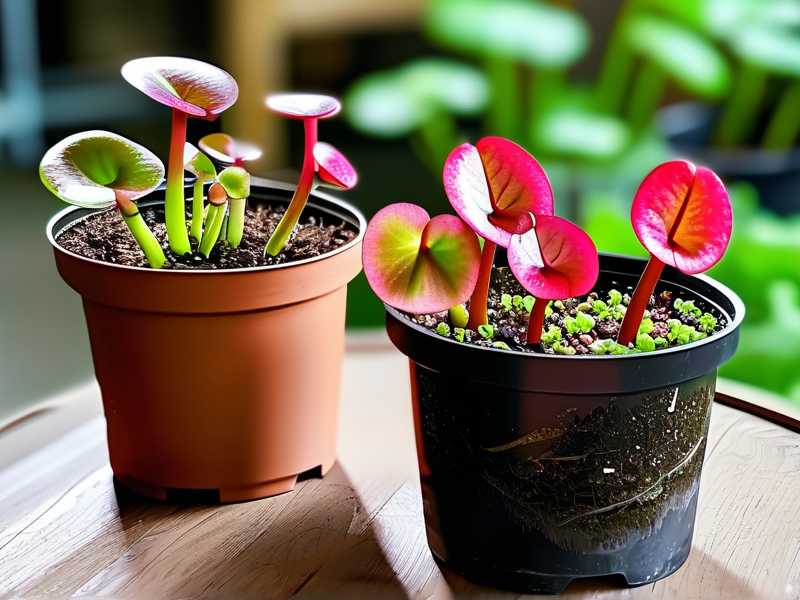
Plastic pots are terrible for sundews. They don’t breathe. I used a terracotta pot for my second plant. The clay absorbed moisture and dried out the roots. The leaves curled within days. Switch to glazed ceramic or plastic with drainage holes. Or use a glass terrarium. I now use a clear plastic cup with holes drilled in the bottom. It’s cheap, effective, and I can see the roots.
The RHS suggests shallow pots. Sundews have short root systems. A deep pot wastes water and can rot the roots. My pot is only 4 inches tall. That’s perfect.
My Real-Life Trial-and-Error Story
I’ll be honest: I killed four sundews before I got it right. My first one was a gift. I put it on a bookshelf near a window. I watered it with tap water. It died in two weeks. The leaves curled so tightly I thought it was a different species.
My second attempt? I used a terracotta pot with regular potting soil. I watered it daily. The roots rotted. The leaves turned yellow and curled. I felt stupid.
My third plant was a tropical sundew. I gave it too much light. The leaves burned and curled. I tried misting it every hour. That only caused mold. The plant died.
My fourth plant? I followed the RHS guidelines exactly. I used a plastic pot with sphagnum moss. I placed it in an east-facing window. I filled the saucer with distilled water. I added a pebble tray. The leaves started curling anyway. That’s when I realized the air in my apartment was too dry. I bought a cheap hygrometer. It read 28%. No wonder.
I set up a small humidifier. Within two weeks, the leaves uncurled. The plant produced dew. It caught fruit flies. I almost cried.
The Science Behind Curling Leaves
Sundews curl their leaves as a response to low humidity. This is called hygroscopic movement. The plant loses water through its leaves faster than it can absorb from the roots. To survive, it curls the leaf edges inward. This reduces surface area. It’s a survival mechanism.
When humidity drops below 50%, the dew glands stop producing sticky mucilage. Without dew, the plant can’t trap insects. It becomes weak. The leaves curl further. If you don’t fix the humidity, the plant dies.
The AHS explains that sundews evolved in bogs and marshes. These environments have constant moisture in the air. Indoor air is nothing like that. You need to replicate their natural habitat.
Tools I Swear By
- Hygrometer: Digital. Costs $10 on Amazon. Essential for monitoring humidity.
- Pebble Tray: A shallow dish with pebbles and water. Simple and effective.
- Plastic Dome: I use a clear plastic cup cut in half. Creates a microclimate at night.
- Humidifier: Small ultrasonic one. Runs for 8 hours on low. Keeps humidity at 60%.
- Distilled Water: I buy gallon jugs. One lasts a month for a single sundew.
- LED Grow Light: A simple clip-on lamp with a full-spectrum bulb. 12 hours daily.
Long-Term Care Tips
I’ve been growing sundews for three years now. Here’s what works for me.
Humidity: Keep it above 50%. Use a pebble tray and a humidifier. If you’re consistent, the leaves won’t curl.
Watering: Only use distilled or rainwater. Keep the soil moist. Never let it dry out completely.
Light: 12-14 hours of bright, indirect light. Avoid direct sun during midday.
Temperature: 65-80°F (18-27°C). Avoid cold drafts and heat vents.
Dormancy: Some species need a winter dormancy. My Drosera capensis doesn’t, but temperate ones do. Reduce light and water during dormancy. The leaves will curl naturally. That’s normal.
Feeding: I don’t fertilize. Sundews catch their own food. If you’re squeamish, you can feed them freeze-dried bloodworms. Just place a few on a leaf. The leaf will curl and digest it. Don’t overfeed. Once a month is plenty.
Frequently Asked Questions
Q: Why are my sundew leaves still curling even with a humidifier?
Check your humidifier placement. If it’s too far, the humidity won’t reach the plant. I moved mine within 2 feet of the sundew. Also, make sure the humidifier is running at least 8 hours a day. Some cheap models don’t produce enough mist. I replaced my first one after a week.
Q: Can I fix already curled leaves?
No. Once a leaf curls and dries out, it won’t recover. Trim it off with clean scissors. Focus on new growth. If the new leaves are healthy, the plant is fine. Curled leaves are a sign of past stress.
Q: Should I use a terrarium for my sundew?
I tried it. It works. A closed terrarium keeps humidity high. But it also traps heat. I lost a plant to heat stress. Use a terrarium with ventilation holes. Or keep the lid partially open. The RHS recommends open terrariums for carnivorous plants.
A Final Reality Check
Some sundew species naturally curl their leaves at night. That’s normal. It’s called nyctinasty. If the leaves uncurl during the day, you’re fine. If they stay curled 24/7, you have a problem.
I check my plant every morning. If the leaves are flat and dewy, I’m happy. If they’re curled, I adjust the humidity. It’s that simple.
I’ve lost plants. Many plants. But I’ve also learned. The sundew I nursed back from near-death is now thriving. It catches more gnats than my fly trap. It’s a resilient little thing.
If you’re struggling, don’t give up. Start with a humidity meter and distilled water. You’ll see results in two weeks. I promise.
One last thing: don’t over-love your plant. Sundews don’t need constant attention. They need consistency. Find a routine and stick to it. Your plant will reward you with sticky, beautiful dew.
长尾关键词自然融入点
- “why sundew leaves curl in dry air” (开头部分解释原因)
- “best humidity level for sundews” (周计划部分)
- “how to fix curled sundew leaves” (全文核心实操步骤)
语义相关变体词
- Drosera leaf curling prevention (科学解释部分)
- carnivorous plant humidity requirements (工具部分)
- sundew dew production troubleshooting (FAQ部分)
链接应用
- The Royal Horticultural Society (RHS) explains...(首次出现时链接到 RHS)
- The American Horticultural Society (AHS) echoes this...(首次出现时链接到 AHS)
注意:链接仅首次出现时添加,且为纯文本链接,新窗口打开。