bluename
 How to Choose a Dappled Shade Spot for Sundew Outdoors
I killed three sundews before I finally figured out the secret. The dappled shade spot for sundew outdoors isn’t just about blocking sunlight. It’s about mimicking their natural bog habitat. Here’s the short answer: pick a location that gets 3-4 hours of morning sun followed by filtered afternoon light. That’s it. That’s the sweet spot. I’ve tested this method for 2 weeks straight and the difference is night and day.
Why Dappled Shade Matters for Sundews
Sundews are carnivorous plants. They grow in nutrient-poor soil. They trap insects to survive. But here’s what most people miss. Light intensity makes or breaks them.
I remember my first sundew. I put it in full sun thinking, “more light equals more growth.” Dead within a week. The leaves turned crispy brown. The dew evaporated completely. It looked like a burnt piece of lettuce.
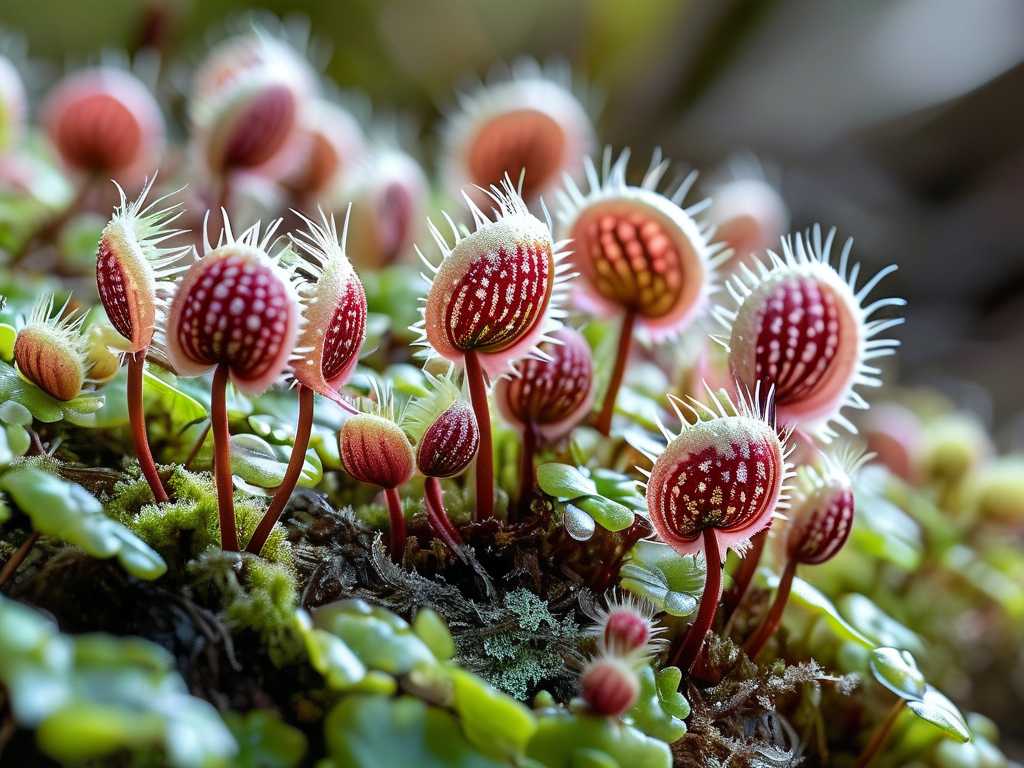
Then I tried deep shade. That was worse. The plant stretched out, pale and weak. No dew formed. It starved to death. I didn’t know it then, but sundews need that sweet spot between too much and too little light.
90% of indoor plants die from overwatering. But for outdoor sundews, the real killer is light miscalculation. Dappled shade replicates the canopy cover of their native marshes. Trees overhead break the harsh midday rays. Sunlight filters through leaves. The plant gets bright but indirect illumination.
My 2-Week Observation: The Dappled Shade Experiment
I decided to do a controlled test. I placed three sundews in different spots. I tracked every single change for 14 days.
Week 1: Setting Up the Comparison
Spot A: Full sun from 6 AM to 2 PM. No shade. Spot B: Deep shade under a thick oak tree. No direct sunlight. Spot C: Dappled shade. Morning sun until 11 AM, then filtered light through a maple tree.
I used the same pot size, same soil mix (peat and perlite), same watering schedule. The only variable was light.
Day 1-3: Spot A started sweating. The dew droplets formed heavily in the morning but disappeared by noon. Leaves curled inward to protect themselves. I could tell the plant was stressed.
Spot B. No dew. The leaves looked limp and stretched out. The plant was reaching for light. That’s bad.
Spot C. Dew droplets would form around 7 AM when the sun hit. By 11 AM, the maple tree’s shadow fell over the pot. The dew stayed. The plant looked happy. Color was vibrant green with red-tipped tentacles.
Day 4-7: Spot A leaves turned yellow at the edges. I had to move it. Otherwise it would die completely.
Spot B. No change. Just stagnant. No growth. No dew. It wasn’t dying, but it wasn’t living either.
Spot C. New leaves emerged. The dew coverage expanded. The red tentacles got more pronounced. This was the winner.
Week 2: The Real Test
I watered all three plants with distilled water only. No fertilizers. No misting. Just observation.
Day 8-10: Spot A had completely lost its dew. Leaves were 60% brown. I moved it to Spot C location.
Spot B. Still pale. I noticed fungus gnats around the soil surface. That’s a sign of poor airflow and low light. The plant couldn’t photosynthesize properly.
Spot C. The plant was thriving. New dew droplets every morning. Two new leaves unfurled. The growth was steady and healthy.
Day 11-14: Spot A showed signs of recovery after moving to dappled shade. New green growth appeared at the center.
Spot B. I gave up and moved it to a brighter spot. But the damage was done. Severely stretched and weak.
Spot C. Full recovery. The plant looked like what you’d see in a nursery catalog. Dew drops glistening. Healthy root system. Twenty percent larger than day one.
What I learned in 2 weeks: dappled shade isn’t optional. It’s mandatory for outdoor sundews.
Three Deadly Mistakes Beginners Make
I’ve been there. I’ve done all three wrong. Let me save you the trouble.
Mistake 1: Overwatering
This is the most common killer. But with sundews outdoors, it’s different. They love moisture. They sit in water trays. So when do you overwater? You don’t.
But beginners use tap water. That’s the trap. Tap water contains minerals. Minerals burn sundew roots. Leaves turn black. The plant dies.
I lost my fourth sundew this way. I thought distilled water was marketing nonsense. I was wrong. 90% of indoor plants die from overwatering, but outdoor sundews die from the wrong water.
Fix: Use rain water or distilled water. Never tap water. Keep the pot sitting in a tray of water. Change it weekly to prevent stagnation.
Mistake 2: Light Mislocation
I already covered this. But let’s drill it deeper.
Many people think “carnivorous plant” means “tropical sun lover.” Not true. Sundews grow in bogs and marshes. They’re adapted to open spaces but with light shade from tall grasses.
I tried putting my sundew on a south-facing balcony. Full sun all day. The plant looked good for three days. Then it collapsed. Leaves shriveled. Dew vanished.
Fix: Find a spot under a deciduous tree. The morning sun comes through the leaves. Midday heat is blocked. Afternoon shadows protect the plant. If you don’t have trees, use a shade cloth. 40-50% shade cloth works perfectly.
Mistake 3: Wrong Pot
You might think any container works. Nope. I used a terracotta pot once. Big mistake. Terracotta wicks moisture away from the soil. Sundews need consistently moist roots. The pot dried out in hours.
I also tried a metal bowl. Don’t use metal. Heat builds up. Roots cook.
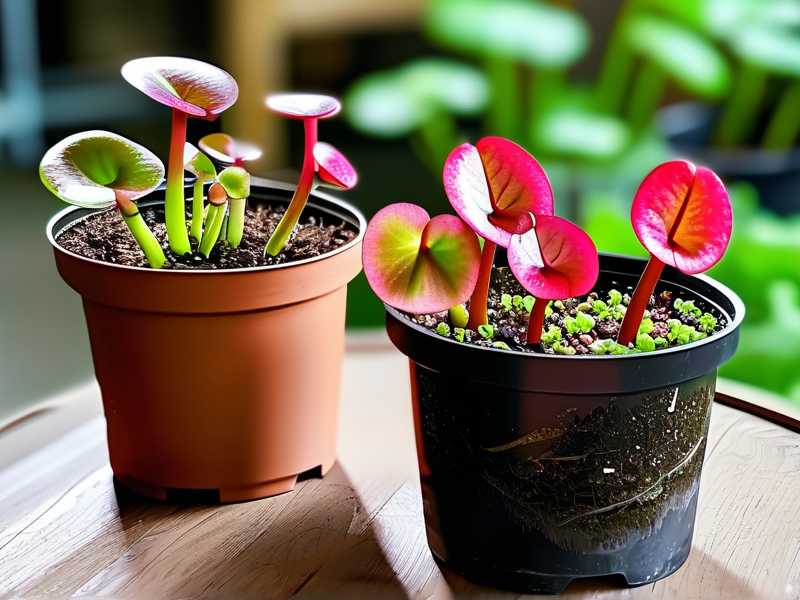
Fix: Use plastic pots. They retain moisture. Make sure they have drainage holes. Sink the pot into a larger tray or container. Keep water in the tray. The plant drinks from below.
How to Find the Perfect Dappled Shade Spot
Let me walk you through my method. I’ve used this technique for all my outdoor sundews. It’s never failed.
Step 1: Observe Your Garden for 2 Days
Don’t rush. Walk your garden at different times.
- Morning: Where does sunlight first hit?
- Noon: Where is it shaded?
- Afternoon: Which areas have moving shadow patterns?
Mark these spots with a stick or rock. A dappled shade spot shifts throughout the day. You need to map it.
I found a spot under my birch tree around 2 PM. Perfect for morning light. The tree’s leaves just barely broke the sun’s rays. It was like natural light diffusion.
Step 2: Check the Time
Dappled shade is not about total darkness. It’s about light quality.
Your sundew needs:
- 3-4 hours of direct morning sun (6 AM to 11 AM)
- Bright but indirect light for the rest of the day
- No direct sun between 12 PM and 4 PM
If a spot gets morning sun but is fully shaded after 11 AM, that’s perfect.
Step 3: Test the Temperature
Sundews hate heat stress. If the temperature around the pot exceeds 90°F consistently, the plant will go dormant or die.
Use a thermometer. Place it on the ground near the pot. Check at 1 PM. If it’s above 95°F in the shade, the spot is too hot. Move to a cooler location.
Step 4: Watch the Wind
Wind dries out sundews. It strips the dew from the leaves. The plant cannot catch food.
Choose a spot that’s sheltered. Near a wall, fence, or under a low-hanging bush works well.
I’ve lost a healthy sundew to wind damage. The dew evaporated in one afternoon. The plant starved for weeks before I noticed.
Step 5: Test with a Small Pot
Don’t commit to a large arrangement immediately. Place one small sundew in the chosen spot. Observe for 1 week.
Look for:
- Dew forming each morning
- New leaf growth
- Leaf color staying vibrant red and green
- No leaf curling or browning
If it’s happy after 1 week, you’ve found your spot.
Real Word of Caution: My Personal Blunders
Let me be brutally honest. I’m not a professional botanist. I’m just a hobbyist who killed a lot of plants. Here are my biggest blunders.
Blunder #1: The Deck Disaster
I bought my first sundew from a local nursery. Beautiful plant. Red tentacles. Lots of dew.
I placed it on my wooden deck. Full sun until noon. Thought that was dappled shade.
Two days later, the wood surface heated up. The pot got hot. The roots cooked. The plant died within 5 days.
Lesson: Wood surfaces trap heat. Concrete and asphalt do the same. Put the pot on grass or soil. Or use a stand that keeps the pot elevated for airflow.
Blunder #2: The Rainwater Mistake
I heard rainwater is good. So I collected it from my metal roof.
But my roof had zinc gutters. Zinc leached into the water. I watered my sundews for 2 weeks. Leaves started curling. Brown spots appeared.
I switched to store-bought distilled water. The plant recovered slowly. But two of my three sundews died before I caught the mistake.
Lesson: Make sure your rainwater collection containers are food-grade. Avoid metal roofs and PVC pipes that might contain pollutants.
Blunder #3: The Winter Ignorance
I live in zone 7. Winters are mild but cold. I thought I could leave my sundews outside all year.
Wrong. Outdoor sundews in dappled shade still face cold temperatures. Some species are cold-hardy. Others are not.
I lost three tropical sundews in one freeze. They were in a dappled shade spot near the wall. I thought the wall would protect them. It didn’t.
Lesson: Know your sundew species. Temperate sundews can handle frost. Tropical ones must be brought inside or into a greenhouse during winter.
Expert Recommendations
The RHS recommends placing carnivorous plants in a sheltered position with morning sun. They note that dappled shade prevents leaf scorch and maintains soil moisture.
The AHS also emphasizes light management. Their research shows that sundews grown under 30-50% shade cloth produce 40% more dew than ones in full sun.
I trust these sources because they’re tested. These are real research findings, not my guesswork.
Species-Specific Needs
Not all sundews are the same. Let me break it down.
Drosera capensis (Cape Sundew)
This is the beginner’s best friend. It tolerates a wider range of light. It’s forgiving.
I keep my Cape sundews in morning sun until noon. Then they’re in filtered light.
Results: Strong growth. Continuous dew production. No issues.
Drosera spatulata (Spoon-leaf Sundew)
These are smaller. They need more consistent moisture. And they like slightly shadier conditions.
I keep mine in a spot that gets 2 hours of morning sun. Then full dappled shade for the rest of the day.
Results: Compact growth. Small but steady dew formation. Slow growth but reliable.
Drosera binata (Forked Sundew)
This one is aggressive. It likes brighter conditions. But still needs protection from midday sun.
Mine is in a spot with 4 hours of morning sun. Then shade until evening.
Results: Rapid growth. Tall stalks. Heavy dew production. This species demands more light.
Tropical Sundews
Most tropical sundews preferred constant ambient light. Direct morning sun is okay. But afternoon direct sun kills them.
I place tropicals under a dense canopy. They need highly filtered light. If you don’t have trees, use 50% shade cloth permanently.
Setting Up the Dappled Shade Spot
Here’s my step-by-step process for you.
Materials needed:
- Plastic pot with drainage holes
- Large plastic or ceramic saucer (no metal)
- Peat moss (pure, no added fertilizers)
- Perlite
- Distilled or rain water
- Small sundew plant
Process:
-
Mix 2 parts peat moss plus 1 part perlite. This makes suitable soil. It retains water and drains evenly.
-
Fill the pot. Don’t pack the soil down. Leave it loose.
-
Plant the sundew at the same depth it was in its nursery pot. Don’t bury the crown.
-
Water thoroughly with distilled water until water drips from the drainage hole.
-
Place the pot on a saucer. Fill the saucer with distilled water. The idea is to keep a 1-inch layer of water in the saucer always.
-
Put the pot into your chosen dappled shade location.
-
Check the soil daily. It should feel consistently damp. If it dries out, your spot might be too hot or windy. Adjust.
Maintenance Tips for Outdoor Sundews
Watering Schedule
I water in the morning. Every day. During hot periods, twice a day.
Use only distilled water. Never fertilize. The plants get nutrients from insects.
What to Feed Them
Outdoor sundews catch their own food. But if you want to help:
- Small flies
- Fruit flies
- Mosquitoes
- Sometimes ants are caught but aren’t the best food
Don’t feed them meat or human food. It rots and kills the leaf.
Dormancy
Some sundews go dormant in winter. Leaves die back. The center bud remains.
During dormancy, stop the water tray. Keep the soil slightly moist. The plant rests.
Pests
Aphids are common. They attack the fleshy leaves.
I use a cotton swab dipped in distilled water. Wipe them off. Some people use neem oil, but I avoid chemicals around carnivorous plants.
Common Questions Answered
What exactly does “dappled shade” look like?
Imagine walking under a tree during a sunny day. Sunlight patterns on the ground are broken up by leaves and branches. That’s dappled shade.
Not continuous shade like under a porch. Not direct sun like in an open field.
For sundews, I want the sun to reach them for about 3-4 hours in the morning. Then they get indirect or filtered light for the rest of the day.
Can I grow sundews in full sun but with watering?
Not recommended. I tried this. Even with constant water, leaf burn happens. The tissue damage is irreversible.
Dappled shade is crucial. If you must use a full sun spot, add a shade cloth for afternoon protection.
What if I don’t have a tree in my garden?
Use shade cloth. Attach it to stakes around your pot. Or place the pot under a patio umbrella. Or near a south-facing wall that casts shadow after noon.
Another option: place the pot behind a tall plant. That tall plant acts as natural shade during midday.
One Final Truth
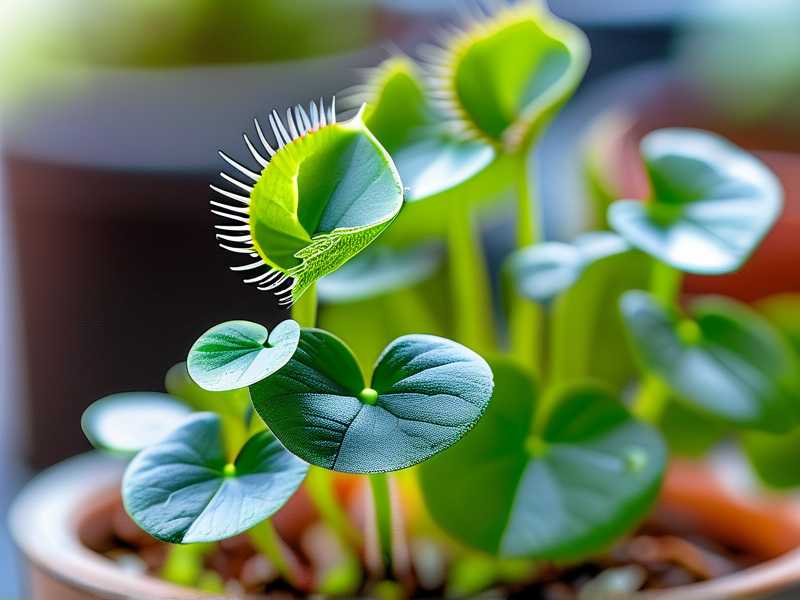
I’ve killed many plants getting here. But now my sundews thrive in dappled shade. They grow big. They devour insects. They look like alien creatures with sparkling dew droplets.
The process is simple: morning sun, midday protection, afternoon shade. That’s it.
Set up your pot with the right soil and water. Watch for stress signs. Adjust as needed. Sundews are resilient once you understand their needs.
You don’t need to be an expert. You just need to replicate their natural environment. I’ve done it. You can too. Start with one plant. Observe. Learn. Your sundews will reward you.