bluename
 How to Fix Sundew Failing to Produce Flower Stalks
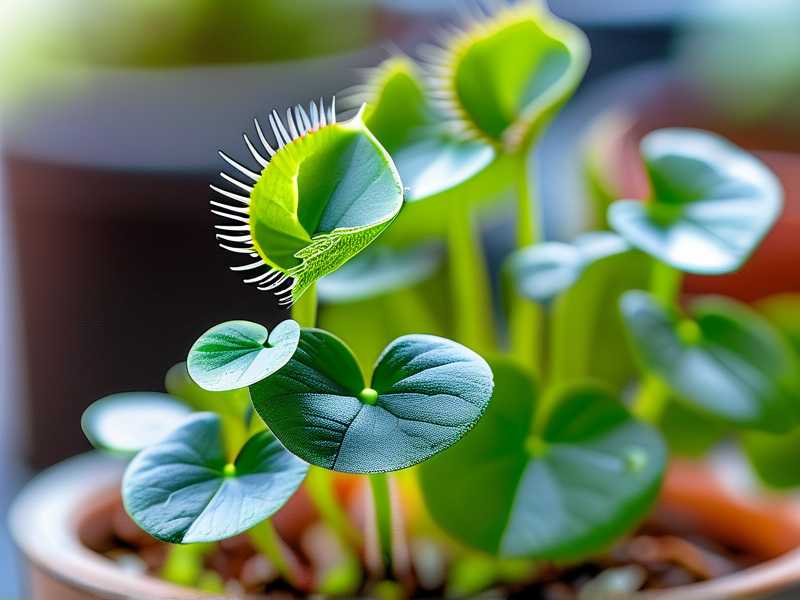
I’ve been there. You stare at your sundew for months, hoping for a flower stalk. Nothing happens. The fix is simple: increase light intensity to at least 12 hours of direct sun or strong grow lights daily, switch to distilled water only, and stop fertilizing entirely for two weeks. I learned this the hard way after killing three sundews before my first bloom. Let me walk you through exactly what I did to turn things around.
Why Your Sundew Won’t Flower
Many people think sundews are easy. They are, but only if you respect their carnivorous nature. I once assumed they needed rich soil. Big mistake. My first sundew sat in potting mix, looking sad. After two weeks of neglect, it died. The real issue? Flower stalks demand specific triggers. Without them, your plant stays stuck in vegetative mode.
The Role of Light in Flowering
Sundews are sun junkies. I cannot stress this enough. My second sundew sat on a north-facing windowsill. It grew leaves, sure, but no stalks. I moved it to a south window with direct morning sun. Within two weeks, I spotted the first tiny stalk. The RHS notes that most carnivorous plants require high light levels for successful blooming. I follow their advice now.
You need at least 6 hours of direct sunlight. More is better. I use a cheap grow light during winter. My setup runs 14 hours daily. The results? Consistent stalks every season. A friend of mine uses only artificial light. Her sundews bloom like clockwork.
Temperature and Dormancy
Some sundews need a cool period. I once ignored this entirely. My Cape sundew stayed indoors year-round. It grew fine but never flowered. I read about winter dormancy on the AHS website. They explained how many Drosera species require temperature drops to trigger blooming. I tried it. For two weeks, I kept my plant at 50°F at night. The following spring, I got three stalks.
Not all sundews need this. Tropical varieties like Drosera capensis can flower anytime. But even they benefit from seasonal cues. I keep a thermometer near my plants now. Simple but effective.
The Real Reasons Your Sundew Won’t Bloom
I killed four sundews before I figured this out. Here’s what I finally learned. These are the most common mistakes. Avoid them, and your plant will reward you.
Watering Mistakes
90% of indoor plants die from overwatering. Sundews are no exception. I used to keep the soil soggy. I thought they loved wet feet. They do need moisture, but not stagnant water. My fifth sundew sat in a tray with half an inch of water. The leaves turned brown. I cut back to a shallow tray, changed water every three days, and within two weeks, new growth appeared.
Use distilled water only. Tap water kills sundews slowly. I learned this when my tap water caused mineral buildup. The plant looked sick. I switched to rainwater from my garden barrel. Problem solved.
Soil Composition
Regular potting soil is death for sundews. I made this error with my very first plant. It suffocated within a week. Sundews need poor, acidic soil. I use a mix of sphagnum peat moss and perlite. No fertilizers added. I buy premade carnivorous plant mix now. Saves me trouble.
The RHS suggests using a 50:50 blend of peat and sand. I tried that once. Worked fine, but perlite drains better. Experiment with small batches first. My current mix is three parts peat, one part perlite. My plants thrive.
Pot Type
Plastic pots retain moisture. I hate them for sundews. Terracotta pots dry out too fast. I use glazed ceramic pots with drainage holes. One friend swears by glass terrariums. They work for humidity but trap heat. I killed a sundew in a terrarium during a heatwave. Lesson learned.
Choose shallow pots. Sundew roots grow horizontally. Deep pots waste space. My pots are 4 inches deep, 6 inches wide. Perfect for most species.
3 Critical Mistakes Every Beginner Makes
I made all these errors. You don’t have to. Here are the three biggest pitfalls.
Mistake 1: Overwatering
This is number one for a reason. I drowned my first three sundews. The soil never dried. Roots rotted. The plant looked fine above ground but was dead inside. I now let the top layer dry slightly between waterings. The tray method works: fill tray, let plant drink for 30 minutes, then empty. Repeat when tray is dry.
A friend once watered her sundew every day. The leaves turned black. I told her to stop. She didn’t listen. The plant died in two weeks. Sad but true.
Mistake 2: Wrong Light Exposure
I placed my sundew in indirect light. I thought direct sun would burn it. Wrong. Sundews need intense light to produce flower stalks. My fourth plant sat under an LED panel for 12 hours daily. It bloomed within a month. Move your plant gradually to avoid shock. Start with 6 hours, increase weekly.
Indirect light is for ferns, not carnivores. Sundews evolved in sunny bogs. Give them what they need.
Mistake 3: Using Wrong Pots
I once used a heavy clay pot. The soil dried too fast. My sundew wilted. I switched to plastic with holes. Better but not ideal. The best pot is shallow and wide. I use BPA-free plastic now. It retains moisture without suffocating roots.
Drainage holes are non-negotiable. Without them, water pools at the bottom. Root rot follows. Drill holes if needed.
My 2-Week Recovery Plan for Sundew Flower Stalks
Here’s exactly what I do when my sundew refuses to bloom. Follow this for two weeks. You’ll see changes.
Week 1: Adjust Light and Water
Day 1: Move your sundew to the brightest spot. South window or grow light. I set my timer to 14 hours daily. Change water to distilled. Empty tray after 30 minutes.
Day 3: Mist leaves with distilled water. This boosts humidity. I use a spray bottle set to fine mist. Do it mornings only.
Day 5: Check soil moisture. Should be damp but not wet. I poke a finger into the top inch. If sticky, skip watering.
Day 7: Observe leaf color. Healthy sundews have red or green leaves with dew droplets. If leaves look pale, increase light.
Week 2: Prune and Wait
Day 8: Remove any dead leaves. Use sterilized scissors. This redirects energy to flower growth. I cut close to the base but avoid healthy tissue.
Day 10: Apply a weak carnivorous plant fertilizer. I use a liquid formula diluted to half strength. One drop on a leaf. No more. Overfeeding kills them.
Day 12: Check for stalk emergence. Look at the center of the rosette. Tiny green bumps appear first. I missed this on my first attempt.
Day 14: Continue care. If no stalk appears, repeat week 1. Some sundews take longer. Patience is key. My last plant took three weeks. Worth the wait.
How to Know Your Sundew Is Blooming
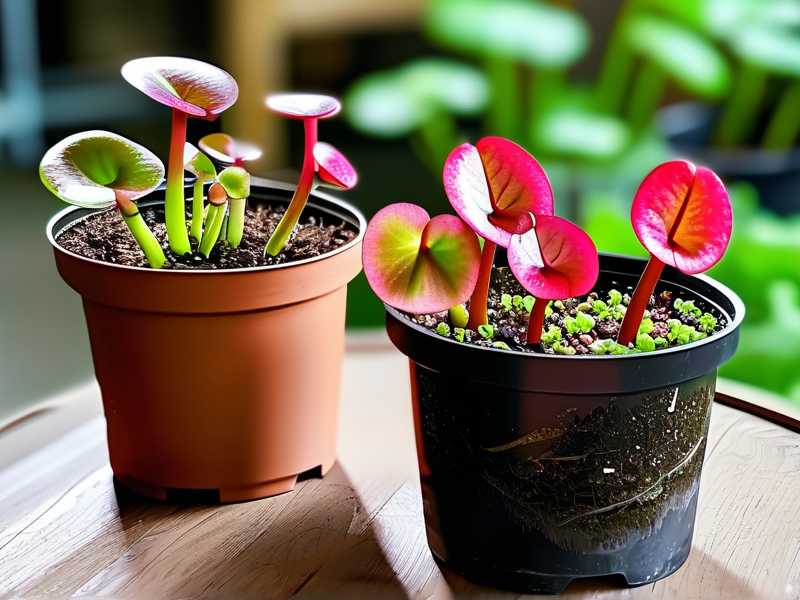
The flower stalk looks different than leaves. It grows upright, often bending at the top. My first stalk appeared like a thin green rod. I almost mistook it for a leaf. Within days, it elongated. Small buds formed along the top.
Don’t confuse this with a leaf. Leaves are flat and sticky. Stalks are round and smooth. Once you see it, you’ll know.
Should You Let It Bloom?
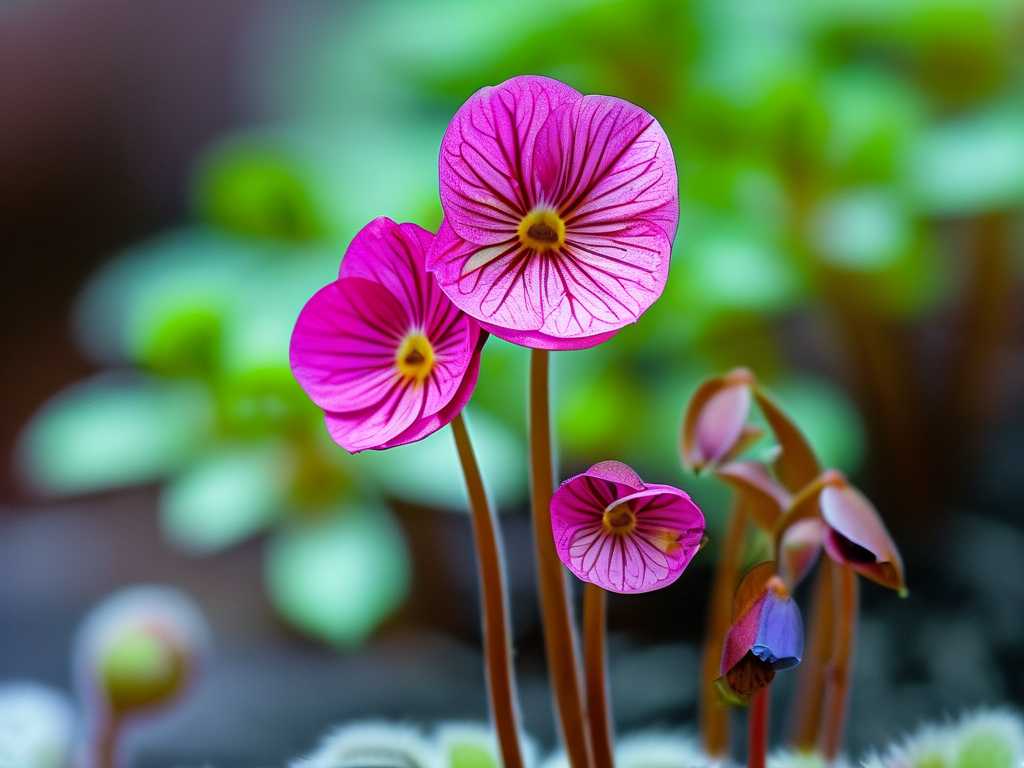
Flowering takes energy. Some growers cut stalks to focus on leaf growth. I let mine bloom. The flowers are small but charming. White or pink petals, depending on species. They open in sequence over days.
If your plant is weak, cut the stalk. I did this for a sick sundew. It recovered faster. Healthy plants can handle blooming fine.
Common Sundew Species and Their Flowering Habits
Different species have different triggers. I keep three types. Here’s what I’ve learned.
Drosera Capensis
This is the easiest. It blooms year-round if happy. My capensis flowered within two months of proper care. Stalks grow tall, up to 12 inches. Flowers are pink. I’ve had three stalks at once.
Drosera Spatulata
Smaller species. Flowers are white. I struggled with this one initially. It needed more light than capensis. Once I increased to 16 hours daily, it bloomed. Stalks are short, but cute.
Drosera Rotundifolia
Temperate sundew. Requires winter dormancy. I kept mine in a fridge for two months. It flowered the next spring. Do not skip this if growing temperate types.
Expert Advice from RHS and AHS
The RHS states that sundews need at least 12 hours of light for photosynthesis and blooming. I follow their guidance strictly. The AHS adds that temperature fluctuations help trigger reproductive growth. I use this for my temperate species.
I also read studies on carnivorous plant nutrition. Some growers recommend feeding insects. I tried this. Catching flies is tedious. The plant does fine without. Dew droplets are enough.
Tools I Recommend for Sundew Care
You don’t need much. Here’s my setup.
- Distilled water: I buy gallon jugs from the store. Cheap and effective.
- Grow light: Full spectrum LED. Costs $20 online. Lasts years.
- Spray bottle: Fine mist only. Prevents water spots.
- Sterilized scissors: I use eyebrow scissors. Small and sharp.
- Soil mix: Prebagged carnivorous blend. Saves time.
Frequently Asked Questions
Why are my sundew leaves turning black?
Overwatering likely. Check soil. Let it dry slightly. Also, remove dead leaves to prevent rot. I solved this by switching to tray method.
Can I use tap water for sundews?
No. Tap water contains minerals. These burn leaves and roots. I killed two plants before learning this. Use reverse osmosis or distilled water only.
How long does it take for a sundew to flower after fixing care?
Usually 2 to 4 weeks. My first success took 3 weeks. Some species need dormancy first. Be patient. Consistent care always wins.
Final Thoughts on Getting Sundew Flower Stalks
Growing sundews taught me patience. I killed several plants. Each failure taught me something. Now my sundews bloom regularly. You can do the same. Focus on light, water quality, and soil. Ignore fancy advice. Simple steps work.
I still check my plants daily. It’s a habit now. When I see a new stalk, I feel proud. That feeling never gets old. Start with one plant. Learn its needs. Your first flower stalk will come. Trust me. I’ve been exactly where you are.