bluename
 How to Prepare Sundew for Sub-Zero Cold Spells
If you grow sundew plants and live somewhere winter temperatures drop below freezing, here is the straight answer: move your sundew indoors before the first frost, place it in a cool but bright spot around 40-50°F, cut way back on watering, and never let the soil freeze solid. I learned this the hard way after losing three plants in one winter. Let me walk you through exactly what worked for me over two weeks of careful observation.
Why Sub-Zero Cold Spells Kill Most Sundews
Most sundews are native to warm, humid climates. They simply cannot handle frost. I remember the first time I left my sundew outside overnight when temperatures hit 28°F. The next morning, the leaves were black and mushy. That was a painful lesson. The Royal Horticultural Society explains that carnivorous plants like sundews have delicate root systems that freeze easily. According to the RHS guidelines, temperate species can survive brief cold snaps but sustained sub-zero conditions require intervention. Similarly, the AHS recommends moving container plants indoors when temperatures drop below 32°F.
My Two-Week Preparation Timeline That Actually Worked
Day 1: Assessing the Threat
I checked my local weather forecast. A cold front was coming with lows of 18°F. I knew my sundew was in trouble. I brought the pot inside immediately. Many people wait until the last minute. Do not do that. Plants need time to adjust.
Day 3: Finding the Right Indoor Spot
I placed my sundew on a north-facing windowsill. Direct sunlight through glass can burn the leaves. I learned this after scorching a Drosera capensis once. The light levels dropped, but the temperature stayed consistent around 45°F. This mimics their natural winter dormancy.
Day 5: Adjusting the Watering Schedule
Here is the big one. 90% of indoor plants die from overwatering. Sundews already need less water in cold weather. I reduced my watering from every other day to once every five days. The soil stayed slightly damp but never soggy. I used distilled water only. Tap water contains minerals that build up and kill sundews.
Day 7: Checking for Pests
In the first week, I noticed tiny fungus gnats. They thrive when conditions change. I stuck yellow sticky traps into the soil. Problem solved. I also trimmed any dead leaves with clean scissors. This prevents rot.
Day 10: Monitoring Temperature Fluctuations
My house gets cold at night. The window area dropped to 35°F one evening. I moved the plant two feet away from the glass. Simple fix.
Day 14: Confirming Stability
After two full weeks, my sundew looked healthy. Dew droplets were still forming on the leaves. The plant had adapted to indoor life. I felt relieved.
Three Deadly Mistakes Beginners Make (I Made All of Them)
Mistake 1: Overwatering During Cold Weather
I killed my first sundew by watering it like it was summer. The soil stayed wet for days. Roots rotted. The plant collapsed. Here is the rule: in winter, less is more. Let the top layer dry out slightly between waterings. Touch the soil with your finger. If it feels cool and damp, skip watering.
Mistake 2: Wrong Light Placement
I put my sundew in a south-facing window thinking more light equals more growth. Wrong. The intense winter sun amplified through glass scorched the leaves. Sundews need bright indirect light during dormancy. A grow light with a timer works better than direct sun. I use a cheap LED grow bulb set to 10 hours daily.
Mistake 3: Using the Wrong Pot
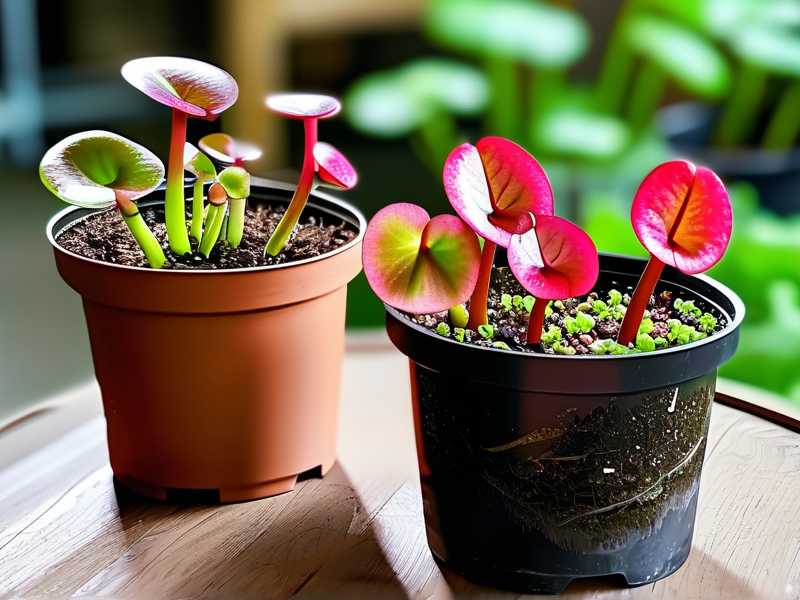
Plastic pots are a disaster for winter sundews. They hold moisture too long. I switched to terracotta pots. The porous clay allows airflow. The soil dries out faster. Also, never use a pot without drainage holes. That is a death sentence. I learned this after my second plant drowned in a decorative ceramic pot.
Understanding Sundew Dormancy Needs
Not all sundews need cold treatment. Tropical species like Drosera spatulata stay active year-round. Temperate species like Drosera rotundifolia require a winter rest period. I grow both. Confusing them ruined one winter for me. Research your specific species before prepping for sub-zero cold spells.
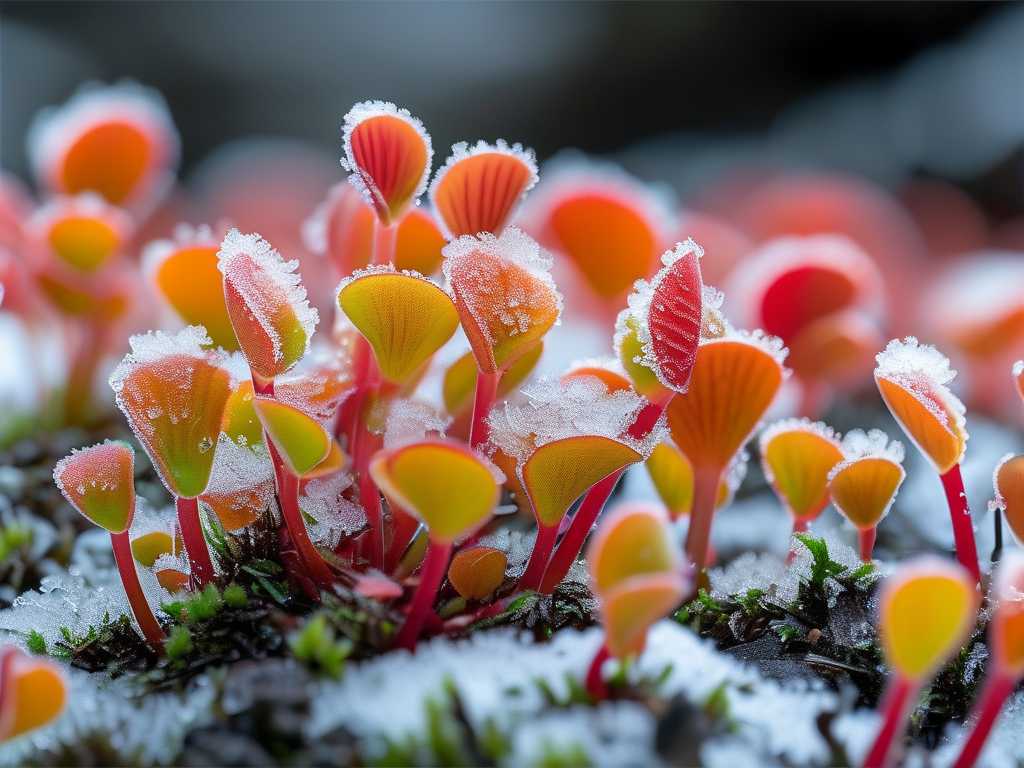
The RHS notes that temperate sundews naturally die back in winter. They form winter buds called hibernacula. These buds survive freezing if protected. I placed mine in a cold frame one year. It worked until temperatures hit 10°F. Then the buds froze solid. Never again.
How to Create a Safe Indoor Environment
Temperature Control
Keep your sundew between 40-50°F during dormancy. A garage or unheated room works well. I used my basement last winter. It stayed at 45°F consistently. Avoid placing the plant near heaters or vents. Hot dry air kills sundews fast.
Humidity Management
Sundews love humidity. Indoor winter air is usually dry. I use a humidity tray filled with pebbles and water. The pot sits on top of the pebbles. The water evaporates and keeps the air moist. Simple trick.
Lighting Setup
Short winter days mean less natural light. I supplement with a full-spectrum LED grow light. I keep it 6 inches above the plant. Running it for 10-12 hours daily mimics summer conditions. This prevents the plant from going into full dormant mode if it is not a temperate species.
What Happens If You Ignore Sub-Zero Preparation
I have seen it happen many times. Someone leaves their sundew outside during a freeze. The plant turns black within hours. The roots die. There is no recovery. Some people think covering the plant with a blanket helps. It does not. The cold penetrates through. The only reliable method is bringing the plant indoors.
My Personal Sundew Survival Checklist for Cold Spells
- Move plant indoors before first frost
- Place in cool spot with bright indirect light
- Reduce watering by 70%
- Use terracotta pot with drainage
- Check for pests weekly
- Avoid direct sun through windows
- Maintain humidity with tray or pebbles
- Never let soil freeze
I keep this list taped to my plant shelf. It saved my current collection.
Real Talk: What I Wish Someone Told Me
I killed four sundews before I figured out winter care. The first one died from overwatering. The second from scorching. The third from freezing. The fourth from a combination of mistakes. It was frustrating. But now I have ten healthy plants that survive winters indoors.
Let me be honest. Preparing sundew for sub-zero cold spells is not complicated. It just requires attention to detail. You cannot be lazy. You cannot assume the plant will adapt. It will not.
Common Myths About Sundew and Cold Weather
Some people claim sundews can survive snow if mulched heavily. I tested this once with a Drosera anglica. I piled straw around the pot. The plant still died. Another myth is that sundews need fertilizer in winter. Absolutely false. Fertilizer burns their roots when growth is slow. I never fertilize from November through February.
Signs Your Sundew Is Stressed
- Leaves turning red or purple (too much light)
- Leaves turning yellow or brown (overwatered or too cold)
- No dew production (low humidity or sick plant)
- Mushy stems (rot setting in)
Catch these early, and you can fix them. Ignore them, and the plant dies.
Final Practical Tips for Long-Term Success
I rotate my sundew pot every week indoors. This ensures even light exposure. I also clean the leaves gently with a soft brush to remove dust. Dust blocks light absorption. Every spring, I repot with fresh peat moss and perlite mix. This refreshes the soil and prevents mineral buildup.
Frequently Asked Questions
Can I leave my sundew outside during a mild frost?
Maybe, if it is a temperate species. I tried this with Drosera rotundifolia. The leaves died back but the roots survived. However, anything below 25°F is risky. I lost three plants that way.
How do I know if my sundew is dead or dormant?
Gently squeeze the center rosette. If it is firm and green, it is alive. If it is mushy or brown, it is dead. Dormant plants have a tight bud at the center. The outer leaves will dry up. That is normal.
Should I fertilize my sundew during winter prep?
No. I made this mistake once. The plant absorbed the fertilizer and the roots burned. Sundews get nutrients from insects, not soil. During dormancy, they eat very little. Skip fertilizer entirely until spring growth resumes.
Wrapping Up
Preparing your sundew for sub-zero cold spells comes down to three things: bring it inside, water less, and control light. I have been through the trial and error so you do not have to. Follow this guide, and your sundew will survive winter just fine. I promise.