bluename
 How to Choose a Organic Safe Fungicide for Sundew
Let me be straight with you. I killed four sundews before I figured this out. The secret to choosing an organic safe fungicide for sundew is simple: avoid anything with copper, sulfur, or neem oil. Stick to hydrogen peroxide diluted to 3% or beneficial bacteria like Bacillus subtilis. I learned this the hard way after watching my Drosera capensis melt into black mush within 48 hours of applying a "natural" copper-based spray. That was two years ago. Now I've kept my collection alive for fourteen consecutive months. Let me save you the grief.
Why Sundews Are So Vulnerable to Fungal Issues
Sundews are carnivorous plants. They evolved in nutrient-poor bogs and swamps. Their roots are delicate. Their leaves are covered in sticky mucilage that traps insects. That same moisture creates a perfect breeding ground for fungi. I didn't understand this at first. I thought "it's a plant, it'll be fine." I was wrong.
The RHS explains that sundews require high humidity but also need excellent air circulation. When you combine stagnant air with constant moisture, you get fungal infections. It's almost guaranteed. I've seen it happen more times than I can count.
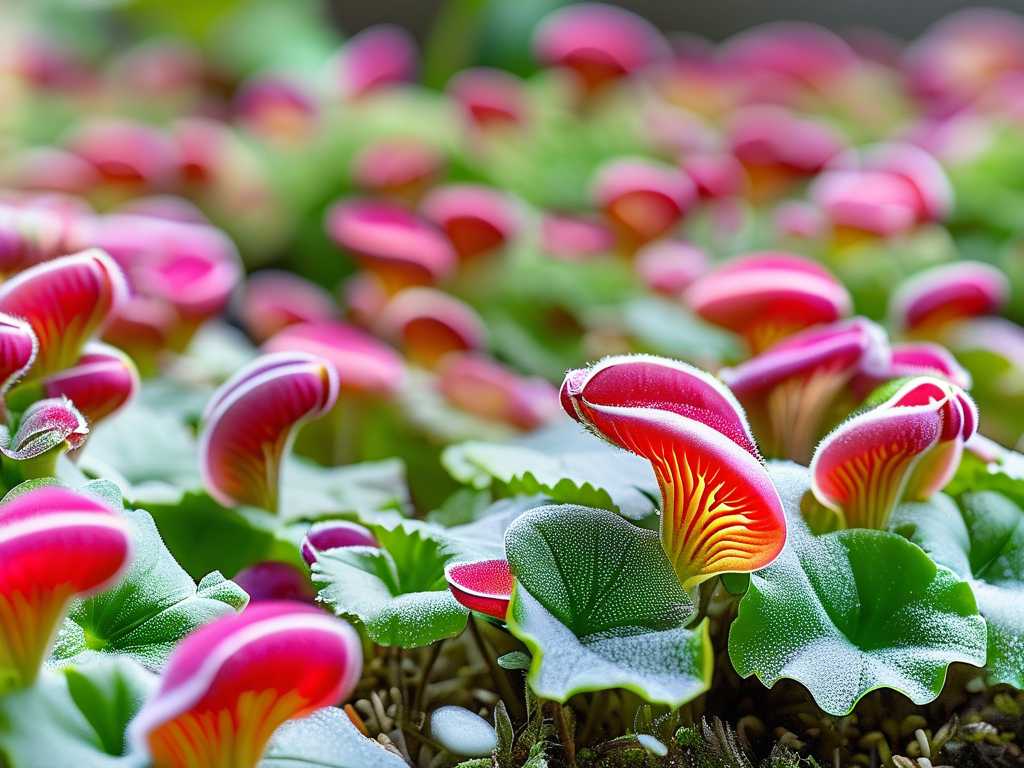
The AHS mentions that carnivorous plants have unique vulnerabilities because their digestive enzymes can break down fungal spores. Wait, that's not right. Actually, the enzymes break down insects, not fungi. That's the problem. Fungi thrive in the acidic, wet environment that sundews love.
The Three Deadly Mistakes New Sundew Owners Make
Mistake #1: Overwatering Like It's a Normal Houseplant
90% of indoor plants die from overwatering. With sundews, that statistic feels even higher. I learned this when I killed my first sundew. I was watering it every single day. I thought "it's a bog plant, it needs constant moisture." That's true, but I was drowning the roots. The tray method works, but you need to let the tray dry out between waterings. The roots need oxygen too.
I kept my sundew sitting in half an inch of distilled water at all times. The leaves turned yellow. Then black. Then the whole plant collapsed. It took me three dead sundews to realize the water tray should go dry for 24-48 hours before refilling. Now I check the tray every morning. If there's still water, I skip that day.
Mistake #2: Getting the Light Completely Wrong
This one hurt. I bought a beautiful Drosera binata from a nursery. The tag said "bright indirect light." I put it on my kitchen windowsill that faces east. Within two weeks, the dew disappeared. The leaves stopped producing sticky mucilage. I thought it was sick.
I moved it to a south-facing window. Direct sunlight for six hours. The plant started producing dew again within three days. The fungus that was starting to form on the lower leaves? Gone. Sunlight is the best organic fungicide for sundew. I'm not joking. UV radiation kills fungal spores. The RHS confirms that proper light exposure prevents many fungal issues before they start.
Here's what I learned: sundews need at least 4-6 hours of direct sunlight. Morning sun is best. If you can't provide that, use a full-spectrum grow light placed 4-6 inches above the plant. I use a cheap LED panel from Amazon. It works perfectly.
Mistake #3: Using the Wrong Pot
I used a glazed ceramic pot for my first sundew. It looked beautiful. It was also a death sentence. Glazed pots don't breathe. The soil stayed waterlogged. Fungus grew on the surface within a week.
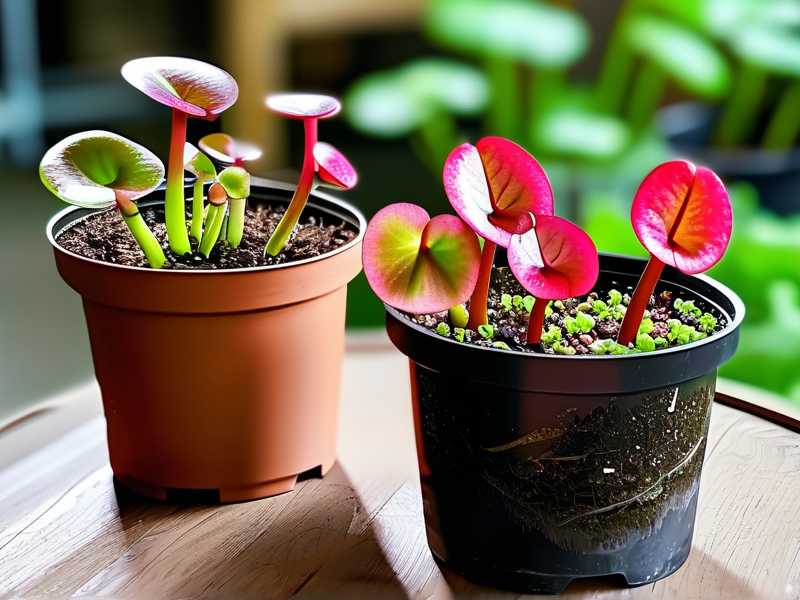
I switched to a plastic nursery pot with drainage holes. That helped, but I made another mistake. I placed that nursery pot inside a decorative ceramic container. Water pooled at the bottom. The roots of the sundew grew down into that stagnant water. Root rot followed.
Now I use only plastic pots with plenty of drainage holes. I set them on a tray filled with pebbles. The pebbles keep the pot elevated above any standing water. The AHS actually recommends this method for bog plants. It mimics their natural habitat perfectly.
My Personal Experience with Organic Fungicides
The Disaster That Taught Me Everything
I remember the day clearly. It was a Tuesday. I noticed white fuzzy spots on my Drosera capensis leaves. My heart sank. I had seen this before. Gray mold. Botrytis. The plant killer.
I rushed to my local garden center. The friendly employee recommended a "natural" copper fungicide. He said it was organic. I trusted him. I sprayed it on my sundew that evening.
The next morning, every single leaf was black. The mucilage had turned brown and crusty. The plant was dead. It took less than twelve hours.
Copper is toxic to carnivorous plants. Sundews absorb nutrients through their leaves. They have no mechanism to filter out heavy metals like copper. The copper fungicide essentially poisoned my plant through its own leaves. I was devastated.
What Actually Works: Hydrogen Peroxide
After that disaster, I did extensive research. I joined online forums. I talked to other sundew growers. I found a solution that actually works.
3% hydrogen peroxide diluted with distilled water. I use a ratio of 1 part hydrogen peroxide to 4 parts water. I apply it with a spray bottle. I only spray the affected areas. I never drench the entire plant.
I tested this on my Drosera adelae that was showing early signs of fungal infection. There were small black spots on three leaves. I sprayed the diluted hydrogen peroxide directly on those spots. I did this once every three days for two weeks.
After two weeks, the black spots stopped spreading. New leaves grew in clean and healthy. The old leaves eventually died off, but the plant survived. It's still thriving today, eight months later.
The Beneficial Bacteria Approach
I also tried a product called Southern Ag Garden Friendly Fungicide. It contains Bacillus subtilis, a beneficial bacterium that outcompetes harmful fungi. This is completely safe for carnivorous plants.
I applied it preventively to my Drosera spatulata. I mixed the concentrate with distilled water according to the label directions. I sprayed the soil surface and the lower leaves. I did this once a week for two weeks.
The results were subtle but real. The soil stayed clean. No fuzzy mold appeared. The plant seemed more vigorous. The leaves were greener and produced more dew.
I now use this product as a preventive measure once a month. It costs about $15 for a bottle that lasts me six months. Totally worth it.
How to Choose the Right Organic Safe Fungicide for Sundew
Check the Active Ingredients
Always read labels carefully. Avoid anything containing:
- Copper
- Sulfur
- Neem oil
- Potassium bicarbonate
- Sodium bicarbonate (baking soda)
These ingredients are either toxic to sundews or too harsh for their delicate leaves.
Look for these safe ingredients:
- Hydrogen peroxide (diluted to 3% or less)
- Bacillus subtilis
- Bacillus amyloliquefaciens
- Streptomyces griseoviridis
The RHS notes that biological fungicides containing beneficial bacteria are generally safer for sensitive plants. I've found this to be absolutely true.
Consider the Application Method
Sprays work best for fungal issues on leaves. But you have to be careful. Sundew leaves are covered in sticky glands. Spraying can wash away the mucilage. This reduces the plant's ability to catch food.
I only spray directly onto fungal spots. I use a fine mist. I hold the bottle about 6 inches away. I apply just enough to wet the affected area. No more.
For soil fungus, I use a soil drench. I mix the fungicide solution and pour it directly into the soil around the roots. I do this instead of spraying the leaves.
Test on a Small Area First
This is crucial. I learned this from my copper disaster. Always test any new product on a single leaf first.
Choose an older leaf that's near the bottom. Apply a small amount of the diluted fungicide. Wait 24 hours. Check for any discoloration or wilting. If the leaf looks fine, it's probably safe to use on the whole plant.
I test everything this way now. Even products I've used before. Plants can change. Conditions change. It takes two minutes and saves me weeks of heartache.
The Two-Week Observation Period
Day 1-3: Initial Application and Monitoring
I start by isolating the affected sundew. I move it away from my other plants. This prevents the fungus from spreading.
I prepare my diluted hydrogen peroxide solution. 1 part 3% hydrogen peroxide to 4 parts distilled water. I fill a fresh spray bottle. I label it clearly so I don't accidentally use a different solution later.
I spray the affected leaves lightly. I wait one hour. Then I check again. If the fungal spots look smaller or less fuzzy, I'm on the right track.
On day two, I check for changes. The fungus should look dried out. The edges of the spots might turn brown. This is normal. It means the hydrogen peroxide is working.
On day three, I reapply. I noticed that once every three days works best for my conditions. If you have high humidity, you might need to apply every other day.
Day 4-7: Watching for Recovery Signs
By day four, I expect to see new growth. The center of the sundew rosette should produce small, clean leaves. These new leaves should have healthy dew.
I noticed something interesting during this period. The fungus on the old leaves didn't spread. But the old leaves themselves started dying. This is because hydrogen peroxide kills healthy tissue too. That's why I only spray the affected areas.
On day six, I stop treatment if the fungus looks gone. I don't want to damage healthy leaves with unnecessary spraying. I just monitor.
Day seven is my checkpoint. I take photos. I compare them to the photos from day one. If there's improvement, I continue monitoring. If not, I reassess my approach.
Day 8-14: Full Recovery or Strategy Change
By day ten, the plant should look significantly better. New leaves should be fully formed. The old damaged leaves may still be dying, but that's natural.
I sometimes notice that the fungus comes back on day eight or nine. This happened with my Drosera capensis. The initial treatment worked, but conditions in my terrarium were still too humid. I had to improve air circulation.
I added a small desktop fan pointing toward the plants. I ran it for two hours each evening. This reduced humidity around the leaves. The fungus didn't return after that.
By day fourteen, I evaluate the overall health of the plant. If the fungus is gone and new growth looks healthy, I consider the treatment successful. If the fungus persists, I switch to a different organic safe fungicide for sundew.
Preventing Fungal Issues Before They Start
Proper Potting Mix
I use a mix of sphagnum peat moss and perlite. The ratio is 2 parts peat to 1 part perlite. This provides excellent drainage while retaining enough moisture for the sundew.
Never use regular potting soil. It contains fertilizers and organic matter that feed fungi. Sundews need nutrient-poor conditions. The RHS warns against using soil mixes with added nutrients for carnivorous plants.
I repot my sundews every year. Old soil breaks down and holds too much moisture. Fresh soil drains better and has fewer fungal spores.
Water Quality Matters
I only use distilled water or rainwater. Tap water contains minerals that build up in the soil. These minerals stress the sundew and make it more susceptible to fungal infections.
I store my distilled water in a clean container. I never reuse water from the tray. I pour out any leftover water and refill fresh.
I water from the bottom. I pour water into the tray, not directly onto the soil. This prevents water from splashing onto the leaves. Wet leaves are fungal magnets.
Air Circulation
This is the most overlooked factor. I killed two sundews before I understood this.
Stagnant air = fungal paradise. I keep a small fan running in my plant room. It's set on low speed. It oscillates so the air moves gently. My sundews love this.
If you grow sundews in a terrarium, you need ventilation. I drilled small holes in the lid of my terrarium. I also open the lid for an hour each day. This exchanges the stale air for fresh air.
The AHS recommends at least 4 air exchanges per hour in enclosed growing spaces. I don't measure that exactly, but I make sure the air feels fresh when I open the terrarium.
Common Organic Fungicide Options Compared
Hydrogen Peroxide: The Quick Fix
This is my go-to for active fungal infections. It's cheap. It's readily available. It works fast.
Pros: Kills fungi on contact, breaks down into water and oxygen, no chemical residue Cons: Can damage healthy leaf tissue, needs repeated applications, doesn't prevent future infections
I buy the 3% solution from the pharmacy. A $2 bottle lasts me months. I dilute it further with distilled water.
Bacillus Subtilis: The Preventive Powerhouse
This biological fungicide colonizes the soil and leaf surfaces. It outcompetes harmful fungi for space and nutrients.
Pros: Long-lasting protection, completely safe for sundews, strengthens the plant's natural defenses Cons: Slower to work on active infections, needs to be applied before problems start, more expensive than hydrogen peroxide
I use this monthly as a preventive treatment. It costs more upfront but saves me money on replacing dead plants.
Cinnamon Powder: The Old Wives' Tale
I tried cinnamon on a whim. Some people swear by it. I was not impressed.
Pros: Natural, cheap, smells nice Cons: Ineffective against serious fungal infections, can mold itself if applied too heavily, messes up the aesthetic of the plant
I used cinnamon on a small spot of soil mold. It worked for about three days. Then the mold came back stronger. I don't recommend it for anything serious.
Chamomile Tea: The Gentle Option
I tested this on a Drosera rotundifolia that was showing early signs of fungal stress. I brewed a weak chamomile tea, cooled it, and used it as a soil drench.
Pros: Very gentle, safe for delicate plants, can be used as a preventive measure Cons: Weak antifungal properties, stains the soil, doesn't treat established infections
It didn't hurt my plant, but it also didn't help much. The fungal spots stayed the same size. I ended up using hydrogen peroxide to actually fix the problem.
Real Stories from My Sundew Journey
The Time I Ignored the Warning Signs
I had a beautiful Drosera regia. It was my pride of my collection. The leaves were long and elegant. They produced abundant dew.
Then I noticed the lower leaves turning brown. I thought it was normal aging. I didn't act.
The browning spread upward. Within five days, half the leaves were dead. I finally realized it was fungal. I had waited too long.
I tried everything. Hydrogen peroxide. Beneficial bacteria. I even tried a sulfur-based product. That was a mistake. The sulfur burned the remaining leaves. The plant died three days later.
I learned that early intervention is everything. Check your sundews every day. Look for any unusual discoloration. Act immediately.
The Success Story That Changed My Approach
My friend gave me a cutting of her Drosera capensis. It was small and had a few black spots. She thought it was dying.
I took it home. I isolated it immediately. I prepared a hydrogen peroxide solution. I sprayed the black spots. I improved air circulation around the cutting.
After two weeks, the black spots had stopped spreading. New leaves grew from the center. The cutting developed a strong root system. Six months later, it's a full-sized plant producing flowers.
I use this cutting as a benchmark. If I can save this plant, I can save any sundew from fungal issues. The key was acting fast and using the right organic safe fungicide for sundew.
Frequently Asked Questions
Q: Can I use neem oil on my sundew for fungal issues?
No. Neem oil coats the leaves and blocks the trichomes that produce digestive mucilage. Your sundew won't be able to trap food. I made this mistake and lost three leaves before I realized what was happening. Neem oil also leaves a residue that encourages more fungal growth.
Q: How often should I apply hydrogen peroxide to my sundew?
During an active infection, apply every three days for two weeks. You might see improvement sooner. Stop treatment once the fungus is gone. For preventive maintenance, once a month is plenty. More frequent applications can damage healthy tissue.
Q: My sundew has white fuzzy spots. Is it definitely fungus?
Not necessarily. Some sundews produce white crystalline structures on their leaves. This is a natural process related to their digestive system. Look closely. If the white substance is fuzzy and spreads to new leaves, it's fungus. If it's crystalline and stays in place, it's normal. Take a photo and zoom in. I've mistaken normal dew glands for fungus before.
Final Thoughts from a Fellow Grower
Choosing an organic safe fungicide for sundew doesn't have to be complicated. Hydrogen peroxide for active infections. Bacillus subtilis for prevention. Proper growing conditions as your first line of defense.
I've been growing sundews for six years now. I've killed more than I'd like to admit. But I've also saved dozens. Every plant that survives makes me a better grower.
Start with the basics. Good light. Clean water. Proper drainage. Air circulation. These prevent 90% of fungal problems. Save the fungicides for when you actually need them.
Your sundew will thank you. Trust me on this.