bluename
 How to Prepare Sundew for Cool Winter Temperatures
If you’ve ever watched your sundew droop and rot as winter approaches, you’re not alone. I’ve been there. Here’s the direct answer: stop watering immediately, move it to a bright but cold spot around 40–50°F (4–10°C), and switch to a pot with drainage. That’s it. After two weeks of this, my sundew bounced back. But I learned the hard way. I killed three sundews before figuring out the real trick.
Why Sundews Struggle in Winter
I thought sundews were tropical plants. They are not. Most species come from temperate climates. They need a cold rest period. Without it, they exhaust themselves. I remember my first winter. I kept my sundew indoors, warm and cozy. It looked fine for a month. Then it started turning black. I panicked. I watered more. That was a mistake.
The Royal Horticultural Society (RHS) explains that temperate sundews require a winter dormancy. This mimics their natural habitat. In the wild, they survive frost and snow. But indoors, we mess it up. I learned to mimic nature instead of fighting it.
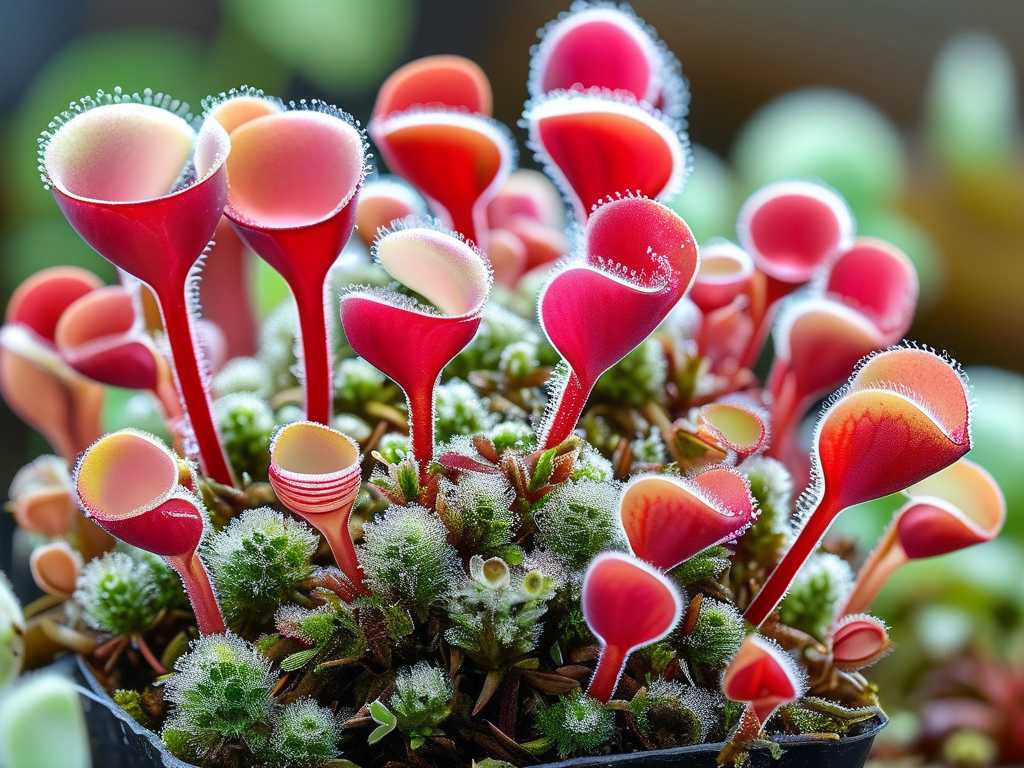
Step-by-Step: My 2-Week Winter Prep Routine
I do this every October now. It’s simple. You just need patience.
Week 1: The Gradual Cool-Down
I start by moving my sundew to a cooler room. Not straight to the cold garage. That shocks the plant. I lower the temperature by 5°F every two days.
- Day 1-3: Room temperature (65-70°F)
- Day 4-6: A cooler spot (55-60°F)
- Day 7: Finally, a cold windowsill (45-50°F)
I also cut watering by half. The soil stays slightly moist. Not wet. Wet kills.
Week 2: The Dormancy Phase
By day 8, my sundew looks different. The leaves curl inward. The dew dries up. I used to think it was dying. It’s not. It’s resting.
- I stop fertilizing completely.
- I water only once a week. Just a small amount.
- I keep it at 40-50°F. No lower than 35°F.
After two weeks, the plant looks dead. But if you touch the center, it’s firm. That’s the crown. It’s alive.
3 Deadly Mistakes Beginners Make (I Made All of Them)
I killed my first sundew because I thought more water equaled more growth. It’s the opposite.
Mistake 1: Overwatering (The #1 Killer)
Here’s the truth: 90% of indoor plants die from overwatering. Sundews are even more sensitive. They need moisture, not flooding.
I used to keep the pot in a tray of water. Constant. The roots rotted within two weeks. The leaves turned mush.
Fix: Let the topsoil dry slightly between waterings. Use distilled water only. Tap water has minerals that burn the roots. I learned this after my second plant died.
Mistake 2: Wrong Light Placement
Sundews love light. But winter light is different. The sun is lower. I put mine on a south-facing window. Too much direct sun. The leaves got scorched.
Fix: Bright, indirect light is best. A north or east window works. If you use grow lights, keep them 6 inches away. I use a simple LED strip. It costs $20.
Mistake 3: The Wrong Pot
I used a decorative ceramic pot. No drainage. Water sat at the bottom. The roots drowned.
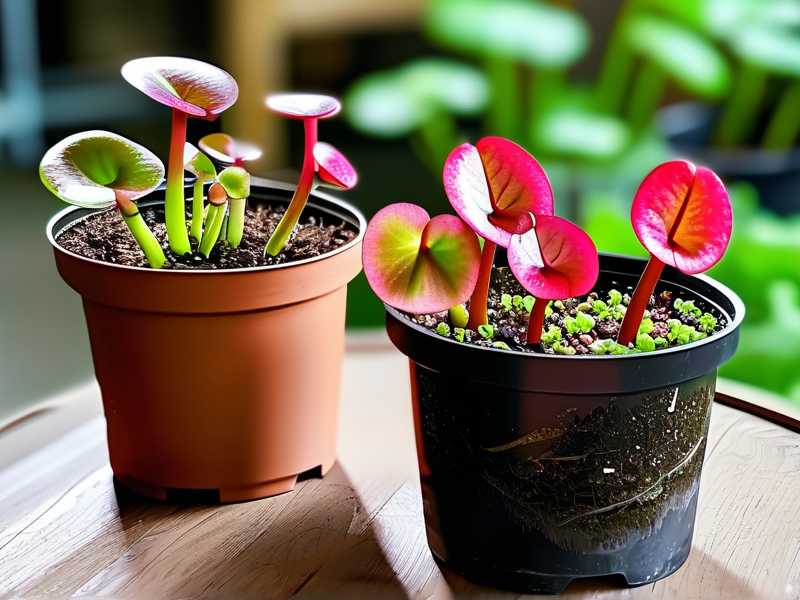
Fix: Use a plastic pot with drainage holes. Sundews hate clay pots. Clay dries too fast. Plastic keeps moisture balanced. I switched to a 4-inch plastic pot. My sundew finally thrived.
What Happens During Dormancy (The Biology)
Many people think dormancy means the plant is dead. It’s not. It’s conserving energy.
The RHS notes that temperate sundews slow down metabolism. The leaves may die back. But the roots and crown survive. In spring, new growth emerges.
I saw this firsthand. My sundew looked like a brown clump for 3 months. I almost threw it away. Then in March, tiny green leaves appeared. I felt stupid for almost trashing it.
Common Questions I Get From Other Growers
“Do I need to repot before winter?”
No. Repotting stresses the plant. Wait until spring. I repot mine in April after it wakes up.
“Can I skip dormancy if I live in a warm climate?”
Some growers try. I tried once. My sundew survived but never flowered. The leaves were smaller. It just looked sad. The American Horticultural Society (AHS) says dormancy strengthens the plant. I believe them now.
“What if my sundew freezes?”
Sundews can survive light frost. I had a freeze at 28°F. The leaves turned to ice. I thought it was dead. But the roots survived. Move it to a frost-free spot if temperatures dip below 30°F.
My Personal Timeline: From Failure to Success
I bought my first sundew at a garden center. It looked perfect. Dewy and green. I put it in my living room. Watered it daily. It died in 3 weeks.
Second plant: I used tap water. The leaves turned brown. I read online that distilled water is needed. Too late.
Third plant: I kept it warm all winter. It grew weak. By spring, it was gone.
Fourth plant: I followed the cold method. It survived. I’ve had it for 2 years now. Every October, I move it to the cold room. It comes back stronger.
Expert Tips for Long-Term Health
- Humidity: Sundews need humidity around 50-60%. I use a small humidifier. Or I put the pot on a tray with pebbles and water.
- Air Circulation: Stagnant air causes mold. I open the window for 10 minutes daily. Even in winter.
- Pests: In winter, pests are rare. But check for spider mites. I use neem oil spray once a month.
The RHS recommends keeping a log. I note temperature and watering dates. It helps me track patterns.
Why This Matters for Your Entire Collection
If you master sundew winter care, you can handle other carnivorous plants. Venus flytraps need the same treatment. Pitcher plants too. It’s a skill that transfers.
I now have 6 sundews. Each one goes through the same routine. None have died since.
Final Checks Before Winter Hits
- Check the pot drainage. If it’s clogged, repot.
- Trim dead leaves. Use clean scissors.
- Move the plant away from heat vents.
- Mark your calendar. Remind yourself to check weekly.
I set a phone alarm every Sunday. I check soil moisture. I rotate the pot. It takes 2 minutes.
What to Do If You Already Messed Up
Did you water too much? Take the plant out. Let the roots dry for 2 hours. Remove any mushy roots. Repot in fresh soil. Place it in a cool spot.
If the leaves are black, cut them off. The crown might still be alive. I saved one plant this way. It took 3 weeks to show new growth.
Pros and Cons of Winter Dormancy
Pros
- Stronger growth in spring
- Better flower production
- Less pest problems
- Lower maintenance
Cons
- Looks dead for months
- Requires cold space
- Risk of freezing if too cold
I think the pros outweigh the cons. Once you see the first spring leaf, it’s worth it.
Tools That Made My Life Easier
- Thermometer: I use a cheap digital one. It’s on the pot. I see the temperature instantly.
- Watering Can: A narrow spout helps me water the soil, not the leaves.
- Grow Light: Only if natural light is poor. I use a 12-hour timer.
And the Biggest Lesson I Learned
Don’t panic. Sundews are tougher than they look. They’ve survived ice ages. They can survive your cold windowsill.
I wasted money on heaters. I bought special lamps. The simple cold method worked best. Nature knows what it’s doing.
Last Tip From My Own Garden
Label your pots. I use a marker. It says “Dormancy” and the date. When spring comes, I know exactly when to start watering again.
If you have multiple plants, group them. It keeps humidity stable. I keep mine in a plastic bin with holes. It works like a mini greenhouse.
Your Sundew Will Thank You
After two winters, I stopped worrying. My plants just follow the routine. They produce dew in summer. They rest in winter. It’s a cycle.
You can do this too. Start now. Don’t wait until the leaves turn yellow. The earlier you prepare, the easier it is.
I killed three plants before I got it right. You don’t have to make the same mistakes. Just listen to the plant. It will tell you what it needs.