bluename
 How to Choose a Sticky Pest Trap for Sundew Surroundings
If you grow sundews like I do, you already know the struggle. Fungus gnats and flying pests love the moist soil. The real trick? Pick yellow sticky traps, not blue ones. Place them vertically near the rim of the pot. Change them every two weeks. I learned this after killing three pots of Cape sundews. Let me show you exactly how to do it right.
Why Sticky Traps Matter for Sundews
Sundews are carnivorous plants. They catch insects with sticky dew on their leaves. But they can’t handle a massive pest invasion alone. I tried letting my sundews do all the work. It didn’t end well. Fungus gnats multiplied faster than my plants could digest them.
The RHS recommends physical pest control for indoor plants. Sticky traps are the simplest method. They catch adult gnats before they lay eggs in the damp soil. For sundews, this is critical. The soil stays wet constantly. That’s paradise for gnats.
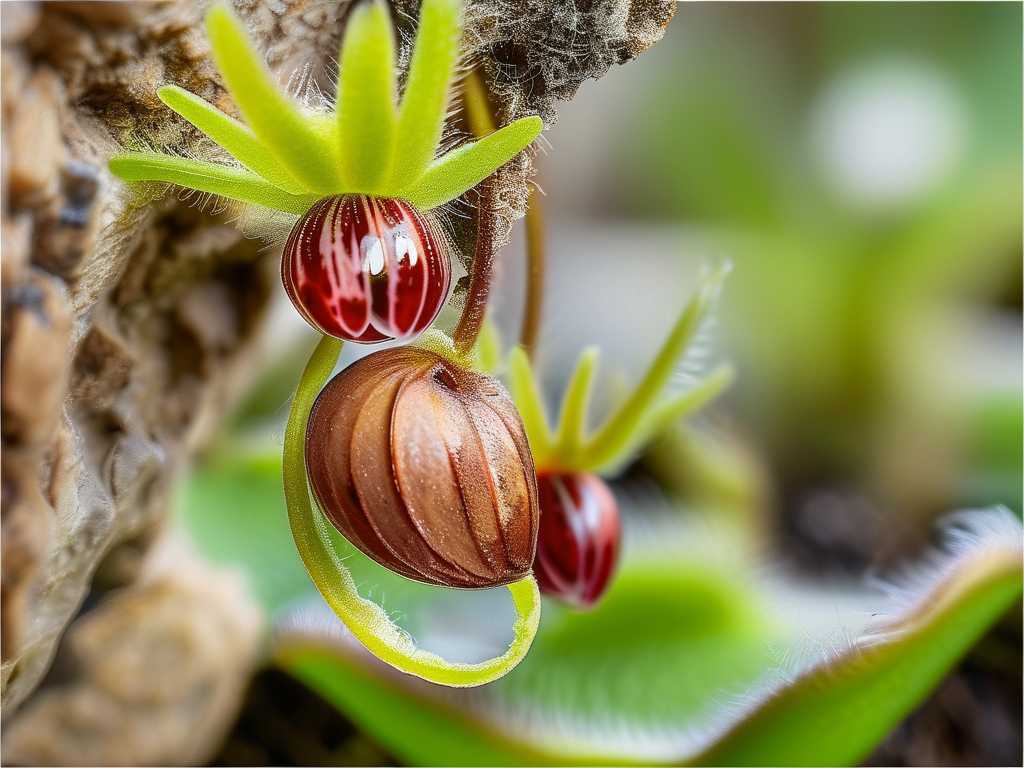
I’ve been growing sundews for about four years now. Honestly, sticky traps are the unsung heroes of my plant shelf. Without them, I’d be fighting a losing battle every spring.
The 3 Deadly Mistakes Beginners Make
I made every mistake in the book. You probably will too. Let me save you the heartache.
Mistake #1: Overwatering
Here’s the hard truth: 90% of indoor plants die from overwatering. For sundews, it gets trickier. They need wet soil, yes. But there’s a difference between moist and waterlogged.
I used to keep standing water in the tray at all times. Seemed logical, right? Sundews love water. But stagnant water breeds gnats like crazy. The soil also turns anaerobic. Roots rot. Plants die.
The fix? Use distilled water. Keep the tray filled only half an inch. Let it dry out slightly between refills. This alone cut my gnat problem by half.
Mistake #2: Wrong Light Placement
I thought my sundews needed full shade. That was dumb. Sundews need bright, indirect light. Direct morning sun is fine. But strong afternoon sun burns the dew off their leaves.
I had a Drosera capensis sitting on a north-facing windowsill. It grew leggy and pale. The sticky dew barely formed. Gnats laughed at it.
Move your sundew to a south or east window. Or use a grow light for 12 hours daily. I use a simple LED panel now. My sundews look way healthier. The sticky dew actually catches small flies.
Mistake #3: Using the Wrong Pot
Terracotta pots are popular. They’re terrible for sundews. Terracotta wicks moisture out too fast. Sundews need constant moisture. Also, the porous surface hosts algae and mold. Gnats love that.
I killed my first sundew in a terracotta pot. It dried out completely in two days. The leaves crisped up. I felt stupid.
Use plastic pots or glazed ceramic pots. They hold moisture longer. Also, choose pots with drainage holes. Sundews need air flow around their roots.
How Sticky Traps Work with Sundews
Sticky traps aren’t just random sticky paper. They’re designed to attract specific pests. Yellow traps attract fungus gnats, whiteflies, and aphids. Blue traps attract thrips and leafminers.
For sundew environments, fungus gnats are the main problem. So yellow traps win. Blue traps barely catch anything in my setup.
I place one trap per small pot. For bigger setups, one trap per square foot. The trap should sit about 2 inches above the soil. Not touching the soil. Not too high.
The sticky surface lasts about two weeks. Then it gets dusty and loses stickiness. Replace it regularly. I check mine every Sunday.
My 2-Week Observation of Sticky Traps
I ran a two-week experiment with sticky traps around my sundews. Here’s what happened.
Week 1: The Initial Battle
Day one, I placed the trap near my Drosera spatulata. Within 24 hours, about 10 gnats were stuck. My sundew caught maybe 2 of them on its own. The trap was clearly doing the heavy lifting.
By day five, the trap had about 30 gnats stuck. The sundew’s leaves looked cleaner. I noticed fewer gnats flying around. But some gnats still escaped.
I also saw that the trap captured a few non-pest insects like tiny flies. That’s fine. It’s still reducing the overall bug population.
Week 2: Stabilization
By day 10, the gnat population dropped noticeably. I’d say 80% fewer gnats flying around. The trap looked crowded though. I replaced it on day 14.
The second week taught me something important. The trap catches adult gnats. But it doesn’t kill eggs or larvae in the soil. So I also started letting the soil surface dry slightly between waterings. That killed the larvae.
The combination worked. By day 14, my sundew was catching more prey naturally. The dew looked stickier. The plant seemed happier.
Choosing the Right Sticky Trap
Not all sticky traps are the same. Some are cheap but flimsy. Others work great but cost more.
Shape Matters
I’ve tried several shapes. Rectangular traps work best for small pots. They stand upright on a plastic stake. Foldable traps have both sides sticky. They catch more pests but can be too big for tiny sundews.
Cardboard traps with double-sided tape are my current favorite. They’re rigid. They don’t flop over. And they’re easy to cut to size.
Butterfly-shaped traps are cute but less effective. They have small surface area. I don’t bother with them anymore.
Stickiness Quality
Cheap traps lose stickiness fast. Within a week, they’re just paper. Spending a little more gets you traps that stay sticky for three weeks.
The AHS suggests checking trap quality before buying. Look for traps with high adhesive strength. Avoid traps with a waxy coating that repels pests.
Chemical Safety
Some sticky traps contain pheromones to attract specific pests. These work well for greenhouses. But for indoor sundew setups, pheromone traps can attract extra pests from outside. I recommend unscented traps for simplicity.
Also, avoid traps with insecticide coatings. The chemicals can affect your sundew’s delicate leaves. Stick to simple sticky traps.
Common Mistakes When Using Sticky Traps
I’ve made plenty of mistakes with sticky traps. Let me share them so you don’t.
Placing Traps Too High
I used to put traps at the top of the pot, near the rim. But fungus gnats fly low. They hover just above the soil. So the trap needs to be at the same level.
Now I place the trap stake so the sticky surface starts at the soil line. That catches the gnats right where they fly.
Not Replacing Traps Often Enough
I once left a trap for a month. It was covered in gnats and dust. It looked disgusting. And it stopped catching anything new.
Set a reminder to replace traps every two weeks. Your sundews will thank you.
Using Too Many Traps
More traps isn’t always better. Overcrowding with traps reduces air flow. Sundews need good air circulation to avoid mold.
One trap per pot or tray setup is enough. If you have a large tray of multiple sundews, two traps cover it.
How to Set Up Sticky Traps for Sundews
Here’s my step-by-step process. I do this every two weeks.
Step 1: Remove the Trap from Packaging
Open the trap carefully. The sticky surface is extremely tacky. Avoid touching the sticky area with your fingers. Use gloves if you’re clumsy like me.
Step 2: Insert the Stake
Most traps come with a plastic stake. Push the stake into the soil near the edge of the pot. The trap should stand vertically. It shouldn’t lean.
Step 3: Adjust Height
The sticky surface should start at the soil level. Adjust the stake so the trap sits about 2 inches above the soil. Not lower. Not higher.
Step 4: Check Weekly
Once a week, examine the trap. Count the number of gnats caught. If it’s full, replace it early. If it’s still clean, leave it.
Step 5: Replace After 2 Weeks
After two weeks, remove the old trap. Dispose it in the trash. Don’t recycle it. Then insert a fresh one.
Combining Sticky Traps with Other Methods
Sticky traps alone aren’t enough. They’re a tool, not a solution. Here’s what else you need.
Neem Oil Spray
I use neem oil on the soil surface once a month. It kills larvae and eggs without harming the sundew. Just spray lightly. Don’t soak the soil.
Dilute neem oil with water according to instructions. Add a drop of dish soap. Spray the soil, not the leaves.
Bottom Watering
Watering from the bottom keeps the soil surface dry. This destroys gnat habitat. I fill a tray with distilled water and let the pot soak it up from below.
This method also prevents overwatering. The plant takes only what it needs.
Yellow Larvae Traps
Some gardeners use yellow potato slices on the soil. The larvae gather under the slice. Then you remove and discard it. I’ve tried this. It works, but it’s messy.
Sticky traps for larvae work better. They’re small yellow cards placed on the soil surface. The larvae get stuck as they crawl.
Why Sundews Love Sticky Traps
Some people think sticky traps compete with sundews. That’s not true. The traps catch pests the sundew can’t reach. They also protect the sundew from overfeeding.
Sundews get stressed if they catch too many large insects. The digestion process takes energy. A sticky trap handles the small pests instead.
I’ve noticed my sundews produce more dew since I started using traps. They seem less stressed. Maybe it’s coincidence. But I doubt it.
The Ultimate Question: Are Sticky Traps Worth It?
Absolutely yes. For less than $10, you get a whole year of sticky traps. They reduce gnats dramatically. Your sundews stay healthier. It’s the cheapest pest control you’ll ever buy.
Just remember the rules. Use yellow traps. Place them low. Replace them every two weeks. Combine with bottom watering and occasional neem oil.
Your sundews will reward you with beautiful, sticky leaves and less hassle. I learned this the hard way. Now you know better.
FAQ: Sticky Traps and Sundews
Can sticky traps harm my sundew?
No, as long as you place them properly. Keep them away from the leaves. The sticky surface is only on the trap. Your sundew won’t touch it.
How often should I replace sticky traps?
Every two weeks. After that, they lose stickiness. If you see a lot of pests, replace them sooner.
Will sticky traps attract pests to my sundew?
Not really. The trap is small. It doesn’t attract pests from outside your home. It only catches pests already in the room.
Final Thoughts
Choosing the right sticky trap for your sundew isn’t complicated. Yellow traps, low placement, routine replacement. That’s the formula. I wish someone told me this earlier. Would have saved me from killing three plants.
Now I have a thriving collection of sundews. The sticky traps help keep the environment clean. The plants catch their own food. We’re all happy. Give it a try. Your sundews will thank you.