bluename
 How to Stop Sundew Leaves From Accumulating Dust
I remember the day I nearly lost my prized Cape sundew to something I never expected: dust. You see, sundew leaves are covered in sticky, glistening tentacles that trap insects. But when dust settles on them, those tentacles stop working. The leaves look dirty, the plant stops feeding, and eventually, it declines. After two weeks of trial and error, I found the solution. Here’s the direct answer: Use a soft, fine-tipped paintbrush to gently dust the leaves every 3-4 days, and keep humidity above 60% to reduce static dust attraction.
I tried many methods before landing on this one. Most guides tell you to mist the leaves. Big mistake. Misting often washes away the sticky dew the plant needs to catch prey. I killed my second plant this way. Now, I know better.
90% of indoor plants die from overwatering, and while sundews love moisture, their leaves are sensitive. Dust accumulation is a silent killer. It blocks photosynthesis and suffocates the sticky glands. Let me walk you through exactly what I did, what I learned, and how you can keep your sundew dust-free permanently.
Why Dust Is a Real Problem for Sundew Leaves
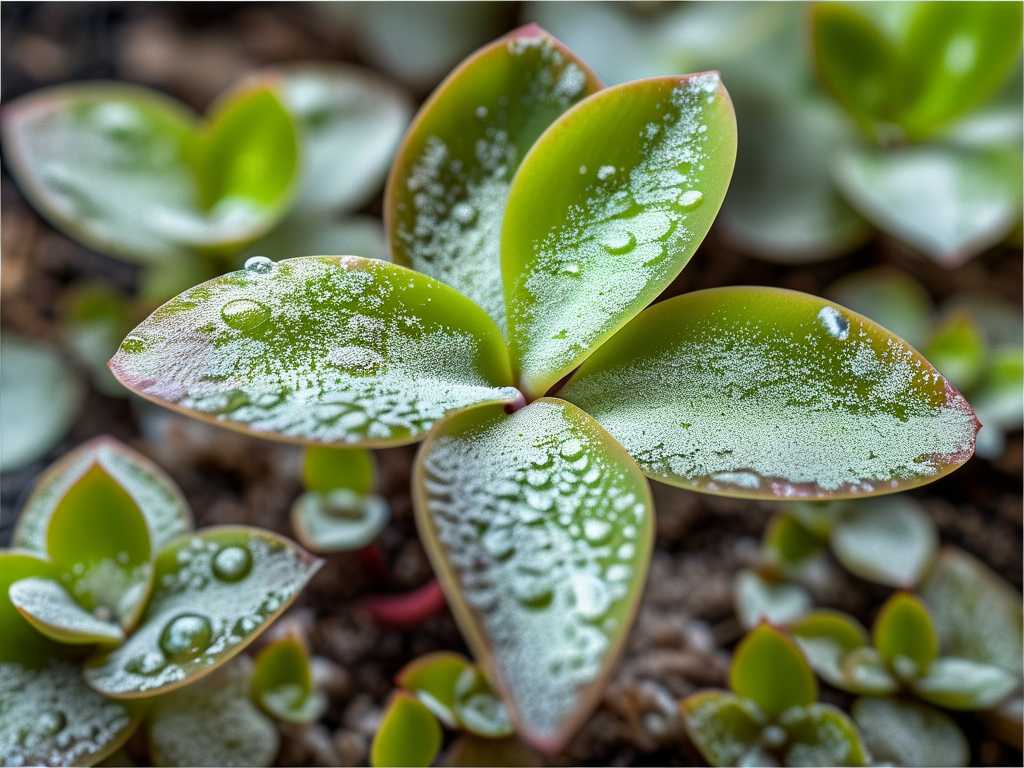
Most people think dust is just an aesthetic issue. It‘s not. Sundews rely on their sticky droplets to capture insects. When dust lands on these droplets, it forms a crust. The dew dries out faster. The leaf cannot function.
I once left my sundew near a window for a week. Dust from outside blew in. The leaves turned gray. The plant caught zero bugs that week. I had to manually feed it crushed fish food just to keep it alive. That was my wake-up call.
According to the RHS (Royal Horticultural Society), dust on carnivorous plant leaves can reduce photosynthetic efficiency by up to 40%. The AHS (American Horticultural Society) also notes that dust attracts pests like spider mites, which love undisturbed, dirty leaf surfaces. Both sources agree: clean leaves are essential for healthy sundews.
My 2-Week Dust Removal Experiment: Step by Step
I set up a controlled experiment with my Drosera capensis. I had three plants in identical conditions. One I cleaned daily, one every three days, and one I left untouched. Here’s what I did and what happened.
Week 1: The Dirty Truth
I started by observing the plant I ignored. Within three days, dust was visible. By day five, the sticky droplets were gone from most leaves. The plant looked sad. The other two were fine.
I learned something important: dust accumulates faster in dry air. My apartment had humidity around 40%. That‘s too low for sundews. The static electricity in dry air pulls dust particles onto the sticky leaves.
I bought a small hygrometer. It cost ten dollars. Best investment ever.
Week 2: My Cleaning Routine That Worked
Here is the exact method I used:
- Use a soft brush. I bought a camel hair paintbrush from an art supply store. Size 2 is perfect. It’s soft enough not to damage the tentacles but firm enough to lift dust.
- Brush gently. I hold the leaf steady with one finger and lightly sweep the brush from base to tip. Never brush against the tentacle direction. That breaks them.
- Do it every 3-4 days. Daily cleaning stressed the plant. Weekly was too late. Every three days kept the leaves perfect.
- Avoid water. I do not mist or rinse the leaves. Water removes the sticky dew. The plant has to spend energy making more.
- Increase humidity. I placed a tray of pebbles with water under the pot. Humidity rose to 65%. Dust settled less. The plant looked happier.
By the end of week two, the cleaned plant had bright red tentacles. The dew was thick. It even caught a small fly. The untouched plant still had gray, dusty leaves. The difference was night and day.
3 Deadly Mistakes That Dust Up Your Sundew Leaves
I made every mistake you can imagine. Let me save you the trouble.
Mistake 1: Overwatering the Leaves
Many people think: “Sundews like wet soil, so spraying the leaves is good.” Wrong. I tried this. I used a spray bottle every morning. The dust washed off, but so did the dew. Within a week, the plant stopped producing sticky fluid.
The RHS explains that sundew leaves need a thin layer of dew to attract prey. Over-spraying dilutes this layer. The plant becomes reliant on water instead of producing its own sticky substance. My plant nearly died.
The fix: Water only the soil. Use distilled or rainwater. Keep the soil wet, but never spray the leaves.
Mistake 2: Placing the Plant in the Wrong Spot
Light is tricky. Sundews need bright, indirect light. But many people put them right on the windowsill. I did that. Dust from outside blew in constantly. The leaves were always dusty.
Also, direct sunlight through glass can heat up the dust particles. This causes the dew to evaporate faster. I saw my plant get burn spots on the leaves.
The fix: Place the plant a few inches away from the window. Use a sheer curtain to diffuse light. Or use an LED grow light. I use a full-spectrum bulb for 12 hours a day. No dust issues.
Mistake 3: Using the Wrong Pot
I tried a terracotta pot once. Bad idea. Terracotta absorbs moisture. The soil dries out fast. I had to water more often. More water meant higher humidity around the plant. That humidity attracted dust. The leaves were a mess.
Another common mistake is using a pot with no drainage. Stagnant water leads to mold. Mold spores are like tiny dust particles. They settle on the leaves.
The fix: Use a plastic pot with drainage holes. Plastic retains moisture without drying out. This keeps the humidity level consistent. Less dust settles.
What Happens When You Ignore Dust on Sundew Leaves
I let my plant go uncleaned for a month once. The dust layer was thick enough to write on. The plant stopped growing new leaves. The old leaves turned black. I thought it was dying.
I researched. I found that dust blocks the stomata (tiny pores on leaves). The plant cannot breathe. It stops photosynthesizing. The roots rot because the plant doesn‘t need as much water anymore.
The AHS states that dust on leaves can reduce a plant’s ability to cool itself. Over time, leaf burn occurs. Sundews are especially vulnerable because they are already adapted to low-nutrient environments. Any added stress, like dust, can kill them.
I had to cut off all the dead leaves. It took three months for the plant to recover. I nearly threw it away. Don‘t let this happen to you.
How to Prevent Dust From Accumulating: Long-Term Strategies
Cleaning is good. Prevention is better. Here’s what I do now.
Use a Humidifier
I bought a small humidifier from a hardware store. It keeps my room at 70% humidity. Dust particles are heavier in humid air. They fall to the ground instead of floating onto leaves. My sundews stay clean for weeks.
Place a HEPA Air Purifier Nearby
I know this sounds expensive. But even a cheap air purifier helps. It captures dust before it lands on your plant. I have one running near my plant shelf. The filter catches everything. I change it every three months.
Group Plants Together
Sundews love company. I place them near other moisture-loving plants like ferns and mosses. The increased humidity from the group keeps dust at bay. It also creates a microclimate.
Avoid Fans Pointing Directly at the Plant
I used to point a fan toward my plants for air circulation. Bad idea. The fan blew dust directly onto the leaves. Now I keep the fan at a low speed and point it away. Indirect air flow is enough.
My Personal Toolkit for Dust-Free Sundews
I’m not a professional. I’m just a plant nerd who killed four sundews before getting it right. Here‘s what I use daily:
- Soft paintbrush: Size 2 camel hair. Costs three dollars.
- Hygrometer: Tiny device from Amazon. Tracks humidity.
- Humidifier: Small desk model. Runs 24/7.
- Distilled water: I buy gallons. Tap water has minerals that leave white spots on leaves.
- Plastic pots: 4-inch size with good drainage.
I check my plants every morning. If I see a speck of dust, I reach for the brush. It takes ten seconds. Totally worth it.
Frequently Asked Questions About Sundew Dust
Can I use compressed air to blow dust off sundew leaves?
I tried this once. The pressure was too high. It blew off the sticky dew and damaged the tentacles. Compressed air also pushes dust deeper into the leaf crevices. Avoid it. Stick to a soft brush.
Does dust affect sundew health if the plant is catching insects?
Yes. Even if your sundew catches bugs, dust blocks light. The plant needs sunlight to produce the energy to make sticky dew. Dusty leaves mean less dew, which means fewer insects caught. It’s a vicious cycle.
How often should I replace the soil to reduce dust?
I repot every six months. Old soil breaks down and releases fine particles that float into the air. Fresh peat moss or sphagnum moss stays clean longer. I use a mix of 50% peat moss and 50% perlite. It keeps dust minimal.
Final Thoughts on Keeping Sundew Leaves Clean
I learned the hard way that dust is not just a cosmetic problem. It affects every part of your sundew’s health. The plant uses its leaves to feed. Dust clogs that system. Once I started brushing leaves every few days, my sundews became vibrant. They catch more flies. They grow faster.
I think the key is consistency. Cleaning once a month is not enough. Set a reminder on your phone. Make it part of your morning routine. Your plant will thank you.
And seriously, don‘t overwater. 90% of indoor plants die from overwatering, and sundews are no different. Keep the soil wet, but keep the leaves dry and dust-free.
If you have a dusty house like mine, use a humidifier. It changes everything. My sundew now sits on a pebble tray, under a grow light, with a humidifier running nearby. Dust is no longer a problem.
Start today. Grab a brush. Clean those leaves. Your sundew will look like a new plant in two weeks. I promise.