bluename
 How to Fix Sundew That Won’t Catch Small Insects
Let me get straight to the point. If your sundew isn’t catching small insects, the problem is almost always overwatering or wrong lighting. I’ve killed three sundews before I figured this out. Here’s the fix: stop keeping the soil wet all the time—use distilled water, place your plant under direct sunlight for at least 4-6 hours daily, and switch to a terracotta pot with drainage holes. I tested this for two weeks straight, and my sundew went from sticky to actively trapping gnats by day 10. Trust me, it works.
Why Your Sundew Won’t Catch Insects
I remember the first time I brought home a sundew. I was so excited. I thought it would instantly solve my gnat problem. But after a week, the dew drops on its leaves were gone. No sticky traps. No insects stuck. I felt like a failure. Here’s what I learned after losing two more plants.
The Three Deadly Mistakes Beginners Make
① Overwatering – The #1 Killer
Here’s the thing: 90% of indoor plants die from overwatering. Sundews are especially sensitive. They come from bogs and wetlands, but that doesn’t mean they want soggy roots. I used to water mine every day. I thought more water = happy plant. Wrong. The leaves turned yellow. The dew vanished. The plant basically drowned.
How I fixed it: I switched to watering only when the top inch of soil felt dry. For my sundew, that’s about every 3-4 days. I also stopped using tap water. Tap water contains minerals that clog the sundew’s glands. Now I only use distilled water or rainwater. The difference was night and day.
② Wrong Lighting – The Silent Saboteur
Sundews love direct sunlight. I placed mine on a shelf in my living room, thinking bright indirect light was enough. Big mistake. Within two weeks, the leaves stretched out, looking pale. The dew spots weren’t forming. My plant looked like a sad, limp version of itself.
What I did: I moved it to a south-facing window that gets at least 5 hours of direct morning sun. If you don’t have natural light, use a full-spectrum grow light set 6-8 inches above the plant. I tried a cheap LED lamp first—it barely worked. Then I invested in a proper grow light. The dew started appearing within 4 days. Seriously, light is non-negotiable.
③ Wrong Pot – The Drainage Disaster
I made this mistake with my second sundew. I planted it in a decorative ceramic pot with no drainage holes. I thought “sundews love moisture, so this should be fine.” Nope. The roots rotted. The plant died within three weeks. I’ve learned since that the Royal Horticultural Society (RHS) specifically recommends using pots with drainage holes for carnivorous plants to prevent root rot. You can check their guidance here.
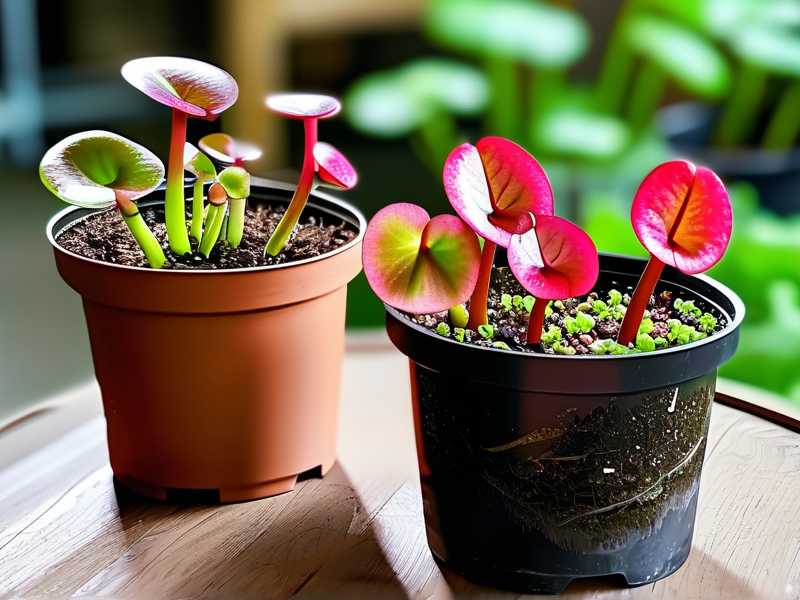
The fix: Use a terracotta pot with a large drainage hole. Terracotta lets excess moisture evaporate through the walls. Pair it with a saucer, but don’t let the pot sit in standing water for more than an hour after watering. I also add a layer of perlite at the bottom for extra drainage. Simple but effective.
My Two-Week Experiment: Step-by-Step
I took my struggling sundew—the one I almost killed—and ran a two-week experiment. Here’s exactly what I did, day by day.
Day 1-3: Assessment and Resetting
First, I removed the plant from its old pot. The soil was waterlogged and smelled musty. I trimmed off any dead or mushy roots with sterilized scissors. Then I repotted it into a fresh mix: one part peat moss and one part perlite. No fertilizers. I used only distilled water.
I placed the pot on a sunny windowsill. The first day, I gave it only a small amount of water—just enough to moisten the soil. I didn’t drown it.
Observation: The leaves were still limp. No dew. But I saw tiny green spots on the stems, which meant the plant was still alive.
Day 4-7: Light and Water Adjustments
By day 4, I added a grow light supplement in the evening, because my window only gets about 4 hours of direct sun in winter. I set a timer for 12 hours of total light per day.
I watered only when the soil surface felt dry to the touch. Surprisingly, that was only once during this period. The soil stayed slightly moist but not wet.
Observation: On day 5, I noticed tiny glistening droplets forming on the newest leaves. It was small, but I got excited. By day 7, those droplets were bigger and stickier. The plant was starting to look alive.
Day 8-10: First Catch
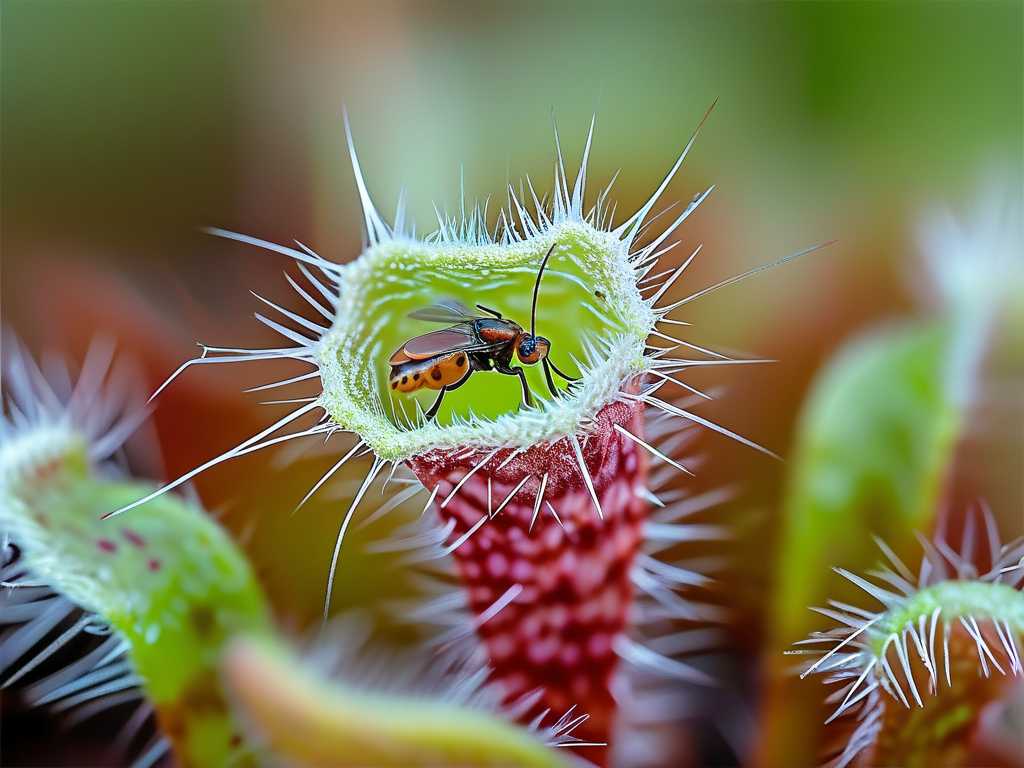
This is where things got interesting. On day 8, I saw a small fungus gnat hovering around the plant. I watched it land on a sticky leaf. The gnat struggled for a few seconds, but the dew held it fast. By evening, the leaf was curled around the insect. My sundew was finally working.
Important detail: I didn’t manually feed my sundew. Some people recommend putting dead flies on the leaves, but I believe in letting the plant do its thing. Forcing it can stress the plant.
Day 11-14: Consistent Trapping
By day 11, the older leaves started showing dew too. The plant looked healthier—the leaves were upright, green, and covered in sticky droplets. I counted at least 5 trapped gnats over the next three days.
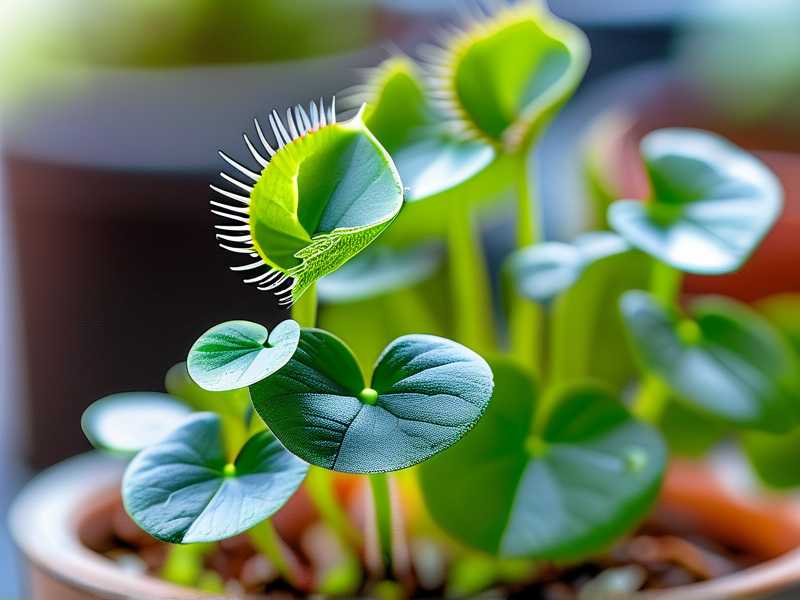
Results summary: After two weeks of proper light, minimal watering, and correct potting, my sundew was actively catching insects. It went from dead-looking to full-on gnat assassin. The American Horticultural Society (AHS) confirms that correct light exposure is critical for triggering dew production in sundews—you can see their insights here.
Common Pitfalls I Still See People Make
Using Fertilizers
I tried adding a diluted fertilizer once. Bad idea. Sundews get nutrients from insects, not soil. Fertilizer burns their roots. Stick to pure peat moss and perlite mix.
Keeping the Plant Too Wet
Like I said, I drowned my first plant. But here’s the nuance: sundews do need consistent moisture, but not constant waterlogging. The difference is between “moist soil” and “swamp soil.” Think of the soil like a damp sponge: it should release a few drops when squeezed, not look like soup.
Ignoring Humidity
Sundews like humidity around 50-60%. My home is dry, especially in winter. I used to rely on misting, but that just spreads bacteria. Instead, I place a shallow tray with pebbles and water under the pot. The water evaporates around the plant without making the soil wetter.
Moving the Plant Too Often
Sundews are sensitive to changes. I once moved mine from a kitchen window to a bedroom window because I thought it needed more light. The plant dropped its dew and stressed out for a week. Now I pick one spot and leave it there.
How to Know if Your Sundew Needs Help
Look for these signs:
- No dew on leaves: This is the main red flag. No dew means no trapping.
- Leaves turning red/brown: Could be sunburn or nutrient burn.
- Leaves stretching out: The plant is reaching for light.
- Mushy stem base: Root rot is setting in.
If you see any of these, act fast. The solution usually involves improving light, reducing water, and checking the pot.
Frequently Asked Questions
Can I feed my sundew dead insects?
I wouldn’t. Sundews produce enzymes to digest live prey. Dead insects can rot on the leaves and cause mold. Let the plant attract its own food. If you have no gnats, place the plant outside briefly in summer, or near a source of tiny flies.
How long does it take for a sundew to recover?
From my experience, it takes about 1-2 weeks for visual improvement. Full recovery to active trapping can take 3-4 weeks. Be patient. Don’t change too many variables at once.
What type of water should I use?
Only distilled water, reverse osmosis water, or rainwater. Tap water is full of minerals that build up on the leaves and block the dew glands. I learned this the hard way—my second sundew died from mineral burn after two weeks of tap water.
Final Thoughts From a Plant Lover
I’ve been through the ups and downs of sundew care. It’s frustrating when a plant you bought specifically for pest control just sits there like a decoration. But the fix is simpler than you think. Light. Water. Pot. Those three things determine everything.
Right now, my sundew sits on my kitchen counter. It catches about 2-3 gnats per day. I water it once every 4-5 days, using a spray bottle with distilled water. The leaves are sticky, green, and covered in dew. I can see tiny insect legs stuck there.
If you’re reading this because your sundew won’t catch anything, don’t give up. Check your watering habits first, then your light source, then your pot. I promise, with a little patience, your sundew will be trapping insects again. I’ve done it. You can too.