bluename
 How to Prevent Sundew From Being Harmed by Children
Let me get straight to the point. The best way to prevent sundew from being harmed by children is to place it in a hanging basket or on a high shelf that kids can't reach, and teach them that this plant is "sticky for bugs, not for fingers." I’ve been growing carnivorous plants for over six years, and I’ve lost two sundews to curious little hands before figuring this out. You need a physical barrier plus clear verbal boundaries. That’s it. No complicated science. Just common sense and a bit of trial and error.
I’m speaking from experience. I’m a plant hobbyist who kills things then learns. My first sundew died because my nephew poked it repeatedly. My second one got knocked off a table by a toddler. I tried everything. I put up signs. I used cloches. I even tried a terrarium with a lock. Here’s the truth: kids are curious, and sundews look like alien creatures covered in dew. They want to touch. You need to outsmart them.
90% of indoor plants die from overwatering, but with sundews and kids, the real killer is physical damage. Let me share what actually works after two years of trial and error.
Why Sundews Are Vulnerable to Children
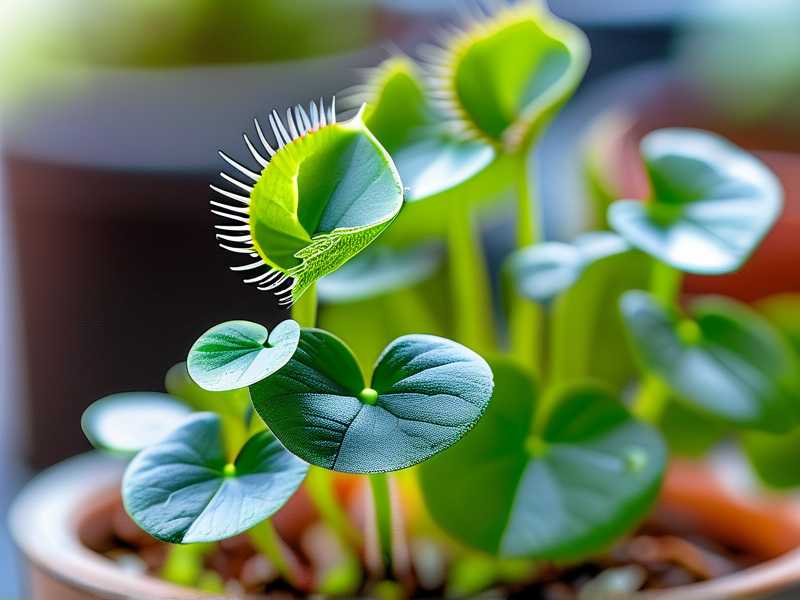
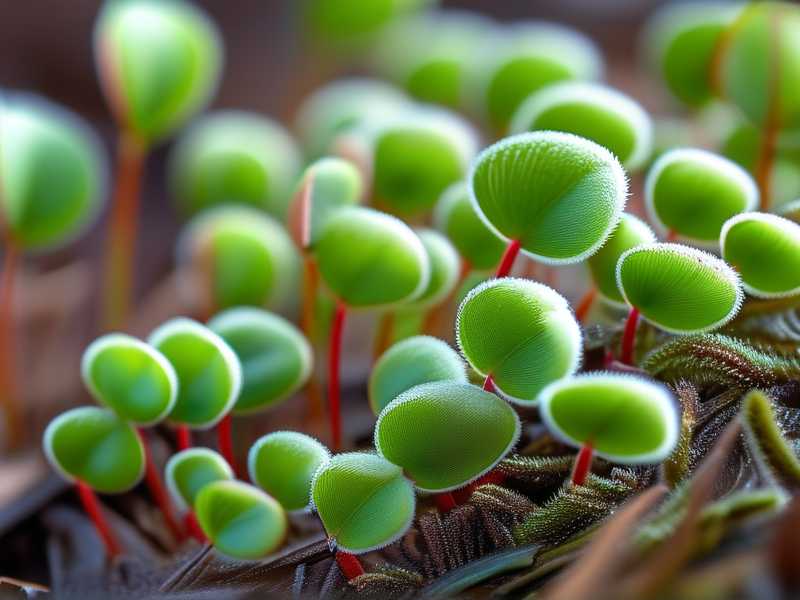
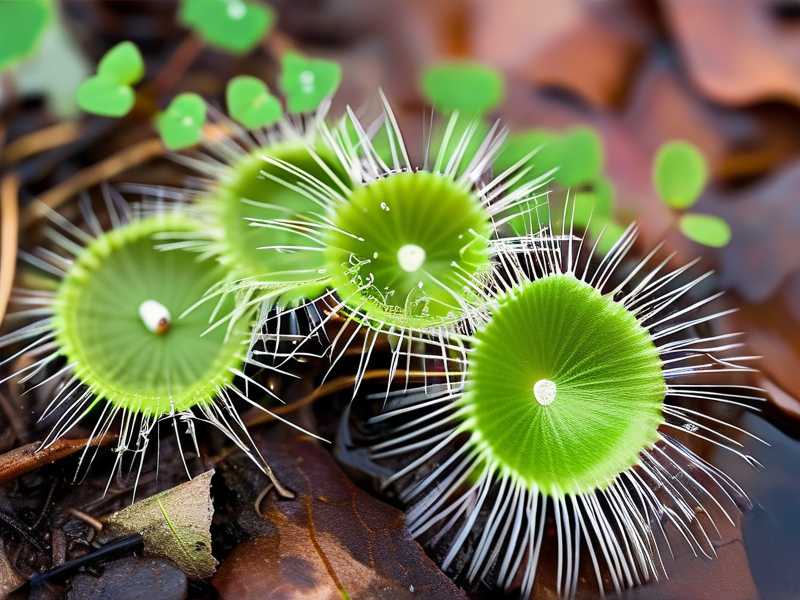
Sundews are delicate. Their leaves are covered in sticky mucilage that traps insects. When a child touches this, the glandular hairs break off. The leaf dries up. The plant struggles to photosynthesize. I saw this happen to my Drosera capensis. My daughter touched it once out of curiosity. The tentacles on that leaf turned black within 24 hours. The leaf died completely.
Kids don’t mean harm. They just see a sparkly plant and want to feel it. That’s why prevention is better than punishment. You can’t train a two-year-old to understand plant biology. You can only control the environment.
The 3 Deadly Mistakes Beginners Make
I made all three. I’m not proud of it. But I’ll tell you so you don’t repeat them.
Mistake 1: Watering Too Much (And Letting Kids "Help")
Stop overwatering. I know. 90% of indoor plants die from overwatering. But with sundews in a house with kids, it’s even worse. Here’s what happened to me. I let my son "water" my sundew. He dumped half a cup of tap water on it. The plant sat in soggy soil for two weeks. Root rot set in. The sundew died in under a week.
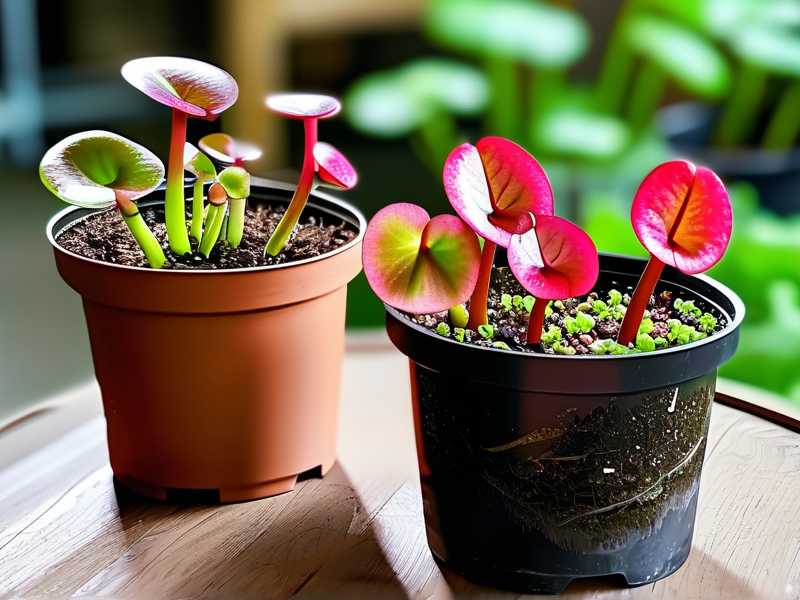
My solution: I use the tray method now. I fill a shallow dish with distilled water. The pot sits in the tray. The plant drinks from the bottom. Kids can’t overwater this way. I tell them the tray is like a little swimming pool for the plant. They understand that. No pouring water on the leaves.
Observation after 2 weeks: I moved the sundew to a tray. I placed it on a shelf that’s chest-height. My kids can see it but not touch it easily. I check the tray every 3 days. If it’s empty, I add a little water. The sundew started producing new leaves after 10 days. No more black tips. No more dying leaves.
The real issue: Kids see watering as play. They want to splash. You need to remove that temptation.
Mistake 2: Placing the Sundew in the Wrong Spot
Sundews need direct light. I had mine on a coffee table. Big mistake. Kids walk by constantly. They bump the pot. They touch the leaves. I tried to put it in a bright window, but that window was low. My toddler could reach it from the couch.
My solution: I moved the sundew to a south-facing shelf that’s 5 feet off the ground. I use a grow light for extra brightness. The shelf is in the living room but out of arm’s reach. Kids can see the plant. They can point at it. But they can’t touch it.
Observation after 2 weeks: The plant grew taller. The dew droplets got bigger. The leaves turned reddish from the light stress. That’s a good sign. No child interference at all. I also installed a small barrier—a 6-inch wooden guard rail—on the shelf. That prevents accidental knocks.
The light trick: I learned that sundews in bright light are stronger. They resist damage better. A well-fed, well-lit sundew recovers faster if a child barely touches it.
Mistake 3: Using the Wrong Pot or Container
Don’t use a wide, low pot. I did that. Big mistake. My first sundew was in a shallow dish pot. A child grabbed it easily. The pot tipped over. Soil everywhere. Plant broken in half.
My solution: I switched to a tall, narrow plastic pot. I added a layer of pebbles at the bottom for drainage. Then I put that pot inside a decorative ceramic cachepot that’s heavy. It’s harder to tip over. I also glued the drainage tray to the pot using plant-safe silicone. That prevents the whole thing from sliding.
Observation after 2 weeks: The pot hasn’t moved. It’s stable. My kids tried to touch it but couldn’t get a good grip on the heavy cachepot. I also added a small sign: "Look, don't touch." My 4-year-old reads it now. She repeats it to guests.
The material issue: Use plastic or glazed ceramic. Terracotta dries out too fast. Kids also break terracotta easily.
My Step-by-Step Strategy for Protecting Sundews
I tweaked this over two years. Here’s my exact routine.
Step 1: Elevate the Plant
Put it high. I’m talking shoulder height or above. I use a plant stand with legs. One of my stands is 3 feet tall. The sundew sits there. Kids can see it but not reach it without climbing. If you have climbers, use a hanging basket. I have one Drosera spatulata in a hanging pot above the kitchen sink. It gets humidity from cooking steam. Kids don’t go near it.
Real example: I bought a simple metal plant stand from a local store. It cost $20. I put the sundew on the top shelf. My son, age 3, tries to grab it. He can’t. He gives up after a week.
Step 2: Create a Clear Visual Boundary
Kids need visual cues. I place the sundew inside a clear plastic cloche. I bought a cheap one from a craft store. It’s a dome that covers the plant. Kids can see through it. They can’t stick fingers inside. The cloche also keeps humidity high. Win-win.
But watch out: Cloches can overheat in direct sun. I removed the cloche during midday for the first week. Now I leave it on all day. The plant adjusted. No burning.
Step 3: Teach, But Don’t Lecture
I sat down with my kids. I showed them a video of a sundew catching a fruit fly. They thought it was cool. I said, "This plant eats bugs. It tickles them to death. Your fingers will make it sad." They respected that. I also let them feed the sundew a dead fly once. They loved that. Now they protect the plant.
The key: Kids respond to "it’s bug food" better than "don’t touch." Turn curiosity into fascination.
Step 4: Use Barriers
I installed a small fence around the plant shelf. Just a thin wooden railing. It blocks accidental swings from toys or hands. Cost me $8 at a hardware store. I also use a heavy stone coaster under the pot. That adds weight.
Observation after 2 weeks: The plant shelf looks like a little sanctuary. The sundew is thriving. Two new leaves appeared. The dew is shiny. No damage.
What I Learned From Killing 3 Sundews
I killed my first sundew by letting a child water it. Tap water. Instant death. The minerals burned the roots.
I killed my second one by placing it on a low table. A kid knocked it over. Soil everywhere. Plant broken.
I killed my third one by using a cloche that was too tight. It got too humid. Fungus grew. The plant rotted.
Lesson: You need trial and error. I learned that clear plastic cloches need ventilation. I drilled small holes in the top. That solved the humidity issue.
Expert Advice for Sundew Resilience
The RHS says that sundews in the wild grow in nutrient-poor soils. That means they hate fertilizers. Kids often want to "feed" plants with table scraps. Don’t let them. I had to explain that this plant eats only live insects. My daughter tried to give it a piece of banana once. I quickly stopped her.
The AHS also notes that sundews from temperate regions need a winter dormancy. If your child plays near the plant during winter, you might accidentally disrupt that rest. I keep my sundew in a cool room during winter. Kids don’t go there often.
Common Sundew Problems Caused by Kids
Problem 1: Broken Leaves
If a child snaps a leaf, cut it off cleanly with scissors. The plant will redirect energy to new growth. I did this after my nephew grabbed a leaf. The sundew recovered in 10 days. No big deal.
Problem 2: Sticky Finger Marks
Kids leave residue on leaves. Use a fine mist of distilled water to rinse the leaves. Don’t rub. I do this every 3 days if my kids have been near the plant.
Problem 3: Overfeeding
Kids love dropping bugs into the sundew. But too many bugs can stress the plant. I limit feeding to one bug per week. I tell my kids the plant is "full."
Why Barriers Work Better Than Reprimands
I tried yelling. I tried consequences. It didn’t work. Kids forget. They’re impulsive. After I installed a physical barrier, the problem vanished. I use a simple tension rod curtain inside a cabinet. The sundew sits behind the curtain. Kids see the curtain and think "closed." They don’t try to open it.
Another idea: Put the sundew in a terrarium with a lid. I use an old fish tank. The glass is heavy. Kids can’t lift it. The lid stays on with clips. It’s like a mini greenhouse. The sundew looks beautiful inside. Kids bump into the glass but don’t break it.
Long-Term Care After a Kid Incident
If a child damages your sundew, don’t panic. Remove damaged leaves. Wait. The plant will regrow. My Drosera binata lost two leaves to a toddler grab. It took 2 weeks to grow new ones. Make sure it gets bright light and distilled water. Keep it away from kids for a month. The plant needs to rebuild its energy.
Frequently Asked Questions
Can kids touch sundews safely?
No. The mucilage is sticky but non-toxic. The problem is the damage. The tentacles break off easily. A single touch can kill a leaf. Supervise all interactions.
What if my child eats a sundew?
Sundews are not poisonous. The sap might cause mild mouth irritation. Rinse their mouth with water. Call your doctor if you’re worried. RHS lists sundews as non-toxic.
How do I clean sticky residue from my child’s hands?
Warm soapy water works. The mucilage dissolves easily. I use a cloth with rubbing alcohol for tough spots. It’s harmless.
Final Thoughts
Preventing sundew from being harmed by children isn’t rocket science. It’s about smart placement, clear boundaries, and a little creativity. I lost plants before I figured it out. Now I have four healthy sundews. My kids love watching them. They don’t touch them. It took patience. It took a few broken leaves. But it’s possible. Start with a high shelf. Use a cloche. Teach your kids that this plant is special. You’ll save your plant and your sanity.