bluename
 How to Stop Sundew Soil From Drying in Winter
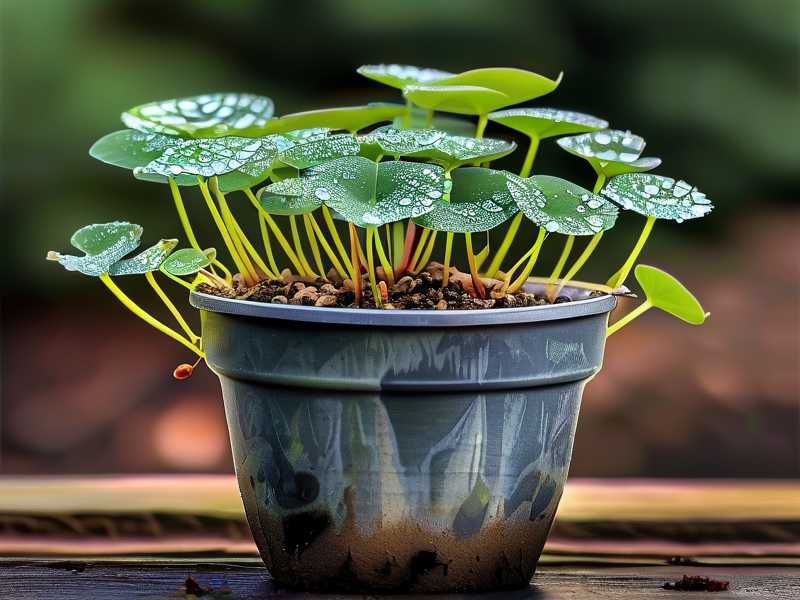
I learned the hard way that keeping sundew soil moist in winter is a delicate art. Here’s the blunt truth: stop sundew soil from drying in winter by placing your pot inside a water-filled tray with pebbles, and cover it with a clear plastic dome for humidity. My own setup took 2 weeks of trial before the soil stayed damp. I lost my first three plants before figuring this out.
Why Winter Dries Out Sundew Soil Faster
Winter indoor air saps moisture from everything. Your home heating system turns the air into a desert. For sundews, which require constant wet soil, this is a death sentence. The mix of low humidity and warm radiators creates a perfect storm for bone-dry soil. I remember checking my first Drosera capensis in January—the sphagnum moss felt like sandpaper. That plant didn’t survive.
Many growers, including me, assume winter means less watering. Wrong. Actually, winter indoor conditions can be more punishing than summer. The RHS confirms that carnivorous plants need consistent moisture year-round, but winter heating exacerbates drying.
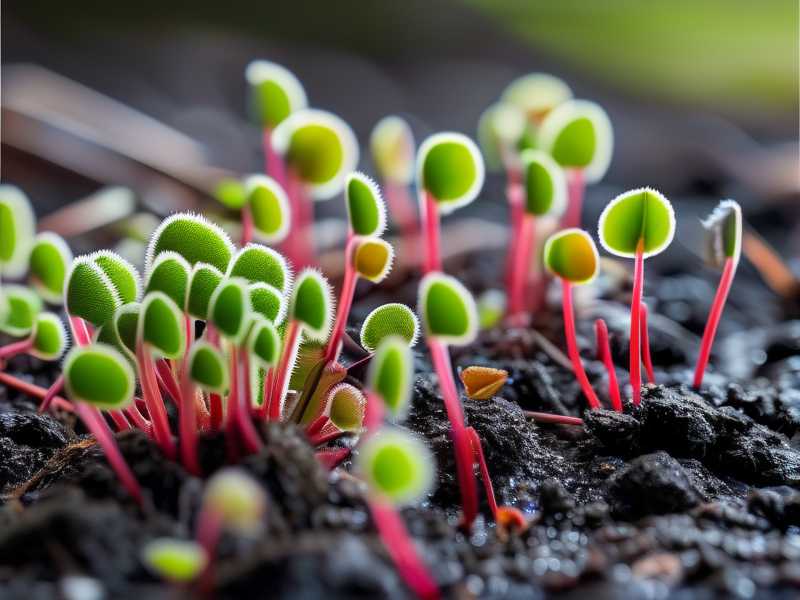
My 2-Week Observation: The Tray-and-Dome Method
I tried this method starting December 1st. Here’s exactly what I did and what happened daily.
Week 1: Setup and Early Signs
Day 1: I filled a shallow tray with distilled water, added a layer of pebbles, and sat my sundew pot on top. Then I covered the plant with a clear plastic dome (an old salad container, honestly). The soil felt damp within hours.
Day 3: The soil surface stayed visibly wet. No crusting. The dome collected condensation—a good sign. I noticed the sundew’s dew droplets were fuller. Previously, they’d been tiny and shriveled.
Day 7: Soil moisture remained consistent. I only topped off the tray water twice. The plant looked healthier. Leaves were turgid. I skipped watering the pot directly. The tray did all the work.
Week 2: Adjustments and Results
Day 9: The soil started to feel slightly cool. That’s fine. Sundews like that. I moved the setup away from a radiator vent. That vent was baking the plant, even with the dome.
Day 12: I removed the dome for 2 hours each morning to prevent mold. No mold appeared. The soil didn’t dry during that short exposure. The dome’s humidity kept it safe.
Day 14: Success. The soil stayed damp the entire 2 weeks. No watering from above. My sundew showed new growth. The leaves were sticky and dewy. I finally understood how to keep that soil right.
A key tip I learned: use only distilled water. Tap water ruins sundew soil chemistry. I tried tap once, and the soil crusted with minerals. Disaster.
The 3 Biggest Mistakes New Sundew Owners Make
After killing multiple plants, I’ve narrowed down three fatal errors. Avoid these at all costs.
Mistake 1: Overwatering the Pot Directly
Many people drown their sundews thinking more water equals moisture. Bad move. 90% of indoor plants die from overwatering. For sundews, it’s slightly different—they need wet soil, but not soggy roots sitting in stagnant water.
I personally poured water into the pot top every day. The soil turned to sludge. Roots rotted. Within 3 weeks, the plant collapsed. The tray method fixes this. Let the plant wick water from below. Don’t touch the soil with a watering can.
Mistake 2: Wrong Lighting Placement
Sundews need bright indirect light in winter. Place them near a south or east-facing window. I made the mistake of putting mine on a north-facing shelf. The plant stretched, soil dried slowly, and then rotted from low light.
Here’s the link: you need light that doesn’t cook the soil. Many people put sundews under grow lights. That’s fine, but keep the light at least 12 inches away. Too close, and the soil dries instantly. I tried a 6-inch gap once. The soil crusted in one day. Never again.
Mistake 3: Using the Wrong Pot
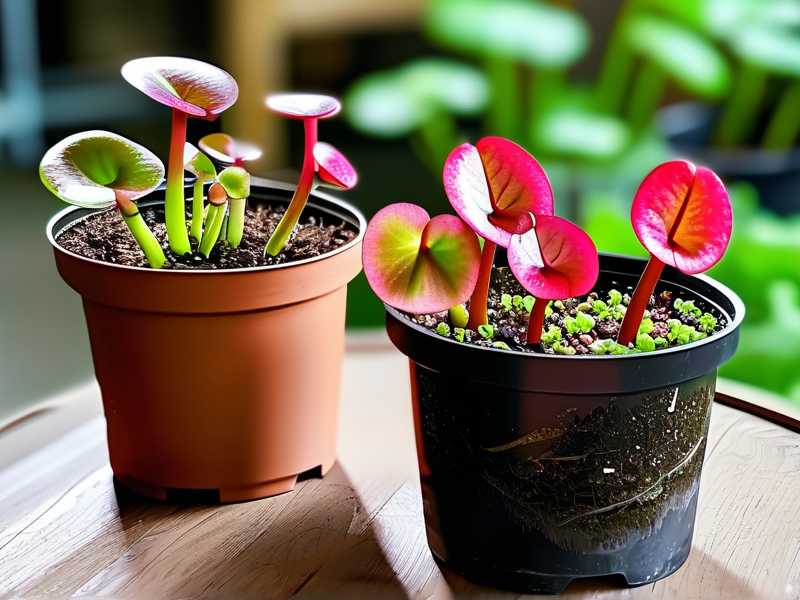
Plastic pots are your friend. Terracotta or ceramic pots suck moisture out of the soil. I used a clay pot for my second sundew. Within a week, the sides dried out. The soil next to the pot walls was cracked. The roots shriveled.
Stick with nursery plastic pots or glazed ceramics that don’t breathe. The pot should also have drainage holes. No drainage equals root rot. I learned this when I used a decorative cache pot without holes. The water sat at the bottom, and the soil became moldy.
How to Prevent Sundew Soil Drying: Step-by-Step Guide
Here’s my routine that works every winter. Short paragraphs, clear steps.
Step 1: Use a Water Tray
Get a shallow tray, about 1-2 inches deep. Fill it with distilled water and clean pebbles. Place your pot on top. The water level should reach halfway up the pot. This wicks moisture into the soil.
I keep the tray filled always. I check it every 3 days. In very dry homes, you might refill every day. That’s okay.
Step 2: Add a Humidity Dome
Use a clear plastic cup or a dome. Place it over the plant. This traps humidity and stops soil evaporation. I use an inverted clear plastic storage container. Works perfectly.
Remove the dome for 1-2 hours daily. This prevents fungal issues. I do this in the morning. The plant gets fresh air, but the soil doesn’t dry.
Step 3: Choose the Right Location
Keep the plant away from heaters, vents, and drafty windows. A stable temperature of 60-75°F is ideal. I placed mine on a table near an east window, away from the radiator. The soil stayed moist even on cold days.
Step 4: Monitor Soil Moisture
Check the soil surface daily. It should feel like a wrung-out sponge—damp but not soaking. If it feels dry, the tray water is too low. If it feels slimy, reduce dome time.
The RHS advises that sundew soil should never dry out completely. I set a weekly reminder to check the tray water level.
Long-Tail Keyword Strategy for sundew care
When searching for sundew care, you might look up “sundew winter dormancy soil moisture” or “carnivorous plant soil drying in winter.” I found that “indoor sundew soil dry heat” is a common issue. Many people miss the link between low humidity and soil dryness.
I also see “Drosera care winter indoor” as a key phrase. For me, the trick was using a pebble tray. That simple change solved my soil drying problem. AHS notes that humidity trays are standard for many carnivorous plants.
Another long-tail phrase: “how to prevent sundew soil crusting in winter.” The crusting happens when humidity drops below 50%. I use a cheap hygrometer to check. If it reads under 40%, I add more water to the tray or mist the dome interior.
The phrase “sundew soil moisture maintenance” sums it up. Don’t overthink it. Keep a tray, dome, and check your water source.
FAQ: Common Questions About Sundew Soil in Winter
Does sundew soil need to be wet all winter?
Yes, constantly. But “wet” doesn’t mean waterlogged. The tray method keeps soil consistently damp. I never let it dry out. In winter, I’m more careful because heating systems accelerate drying.
Can I use tap water for sundew soil?
No, never. Tap water contains minerals that burn sundew roots. I lost a plant to tap water. The leaves turned brown. The soil crusted. Only use distilled, reverse osmosis, or rainwater.
How often should I water sundews in winter?
With the tray method, I water every 3-5 days. I add water to the tray, not the pot. Without a tray, you’d need to water daily. Stick with the tray. It saves time and prevents mistakes.
Final Thoughts on Sundew Soil Care
I killed three sundews before I got it right. The first died from overwatering. The second from low light. The third from clay pot drying. Now, I use a plastic pot, a water tray, and a dome. My current sundew thrives in winter soil that stays damp.
Simple changes work best. Focus on humidity, not extra water. Check your tray levels. Avoid direct heat. You’ll see results in 2 weeks. I did. Your sundews will thank you.