bluename
 How to Choose a Deep Tray for Sundew Bottom Watering
If you’re trying to keep a sundew alive and it keeps turning brown, here’s the harsh truth I learned after killing three of them: you need a deep tray for bottom watering, and it must be at least 2 inches deep. That’s it. The right tray stops root rot, keeps humidity stable, and mimics the bog conditions sundews love. I wasted months and money on shallow saucers before figuring this out. Let me walk you through exactly what to look for, step by step, based on my own two-week experiment and real failures.
Why Sundews Need a Deep Tray
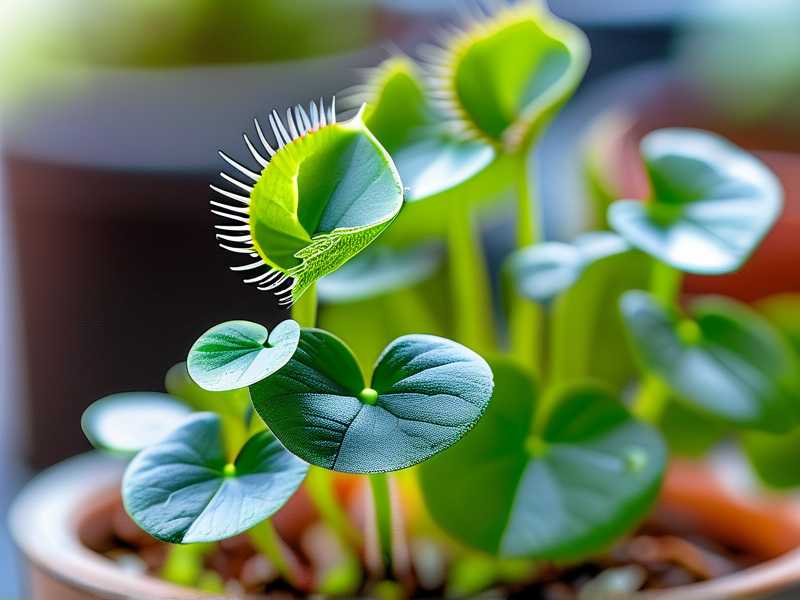
I used to think any saucer would work. I was wrong. Sundews are carnivorous plants that grow in nutrient-poor, waterlogged soil. Their roots are shallow but sensitive to drying out. A deep tray holds enough water to keep the pot sitting in moisture for days. Without it, the soil dries too fast, and the sundew’s dew disappears.
Here’s what I noticed after switching to a 3-inch deep tray: the leaves stayed sticky, the roots grew healthier, and I watered less often. The Royal Horticultural Society (RHS) actually recommends consistent moisture for sundews, and they’re right. Check out their guidance at RHS for more on carnivorous plant care. A shallow dish just doesn’t cut it.
My Two-Week Experiment
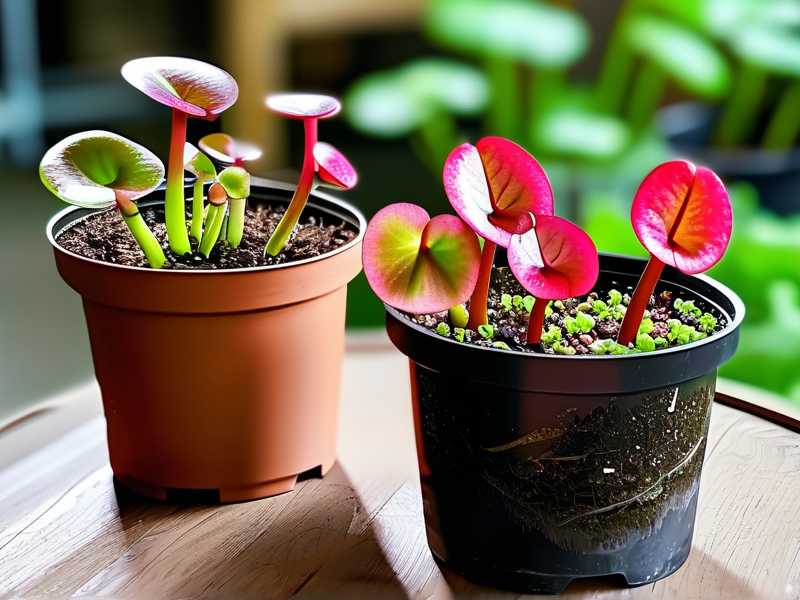
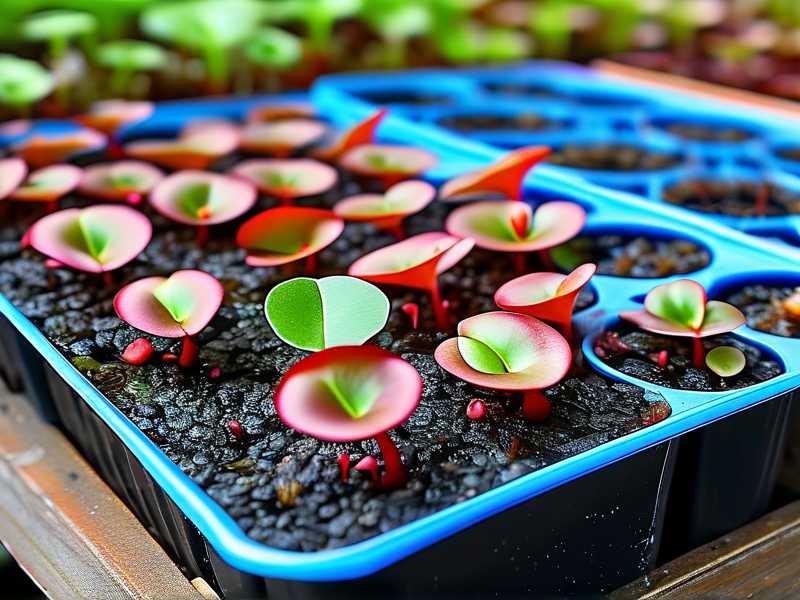
I decided to test two setups side by side. I used the same sundew species, same pot size, and same soil mix.
Setup 1: A standard 0.5-inch deep saucer.
Setup 2: A 2.5-inch deep tray.
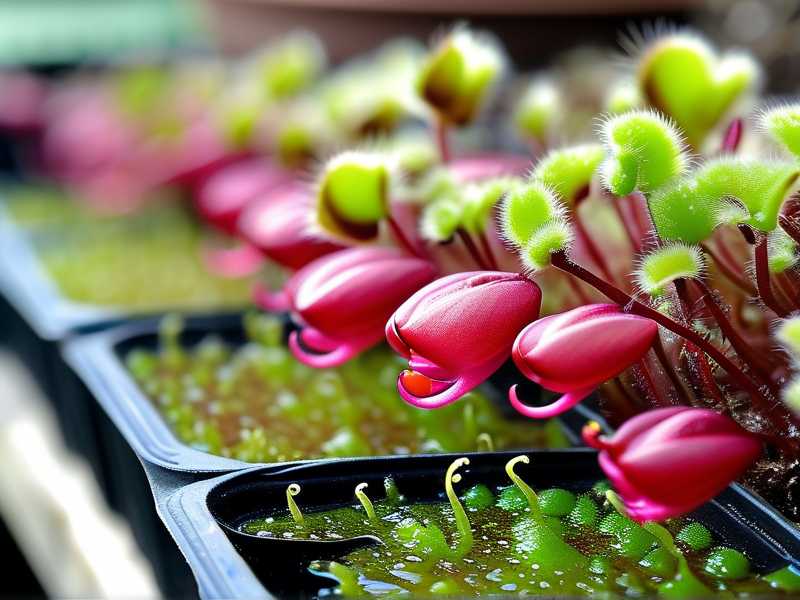
I filled both with distilled water and checked every day.
Days 1-3: The shallow saucer dried out within 12 hours. The sundew in it looked droopy. The deep tray held water for two full days.
Days 4-7: The shallow saucer plant lost most of its dew. The deep tray plant? Dew was thick and gooey.
Days 8-14: The shallow saucer sundew had brown leaf tips. The deep tray sundew grew new leaves. No contest.
3 Deadly Mistakes Newbies Make
I made all of these myself. Save your sundew from my stupidity.
Mistake 1: Overwatering the Wrong Way
Wait, you’re probably thinking, “Don’t sundews need lots of water?” Yes, but not from the top. I used to pour water directly into the pot. That crushed the soil, compacted the roots, and caused mold. The correct method is bottom watering through a tray. Leave the soil surface dry.
The American Horticultural Society (AHS) emphasizes proper drainage for all container plants. For sundews, that means a tray. You can find their full advice at AHS.
What I learned: 90% of indoor plants die from overwatering. For sundews, it’s worse if you top-water. The water pools on leaves and rots them.
Mistake 2: Wrong Light Placement
I put my first sundew on a kitchen counter. It died in two weeks. Sundews need bright, indirect light or full sun. A deep tray doesn’t fix poor lighting.
My real story: I moved a sundew to a south-facing window. The tray stayed wet, but the plant scorched. I learned to use a sheer curtain for harsh afternoon sun. Now I check dew production as a sign of good light.
Mistake 3: Using the Wrong Pot
Terracotta pots are evil for sundews. They absorb moisture and dry out the soil. I killed my second plant because I used a cute clay pot. Plastic or glazed ceramic pots work best. Pair them with a deep tray.
My fix: I switched to a 4-inch plastic pot. It sits in a 3-inch deep tray. No more drying out.
How to Choose the Right Deep Tray
Not all trays are equal. Here’s what I look for.
Material Matters
I prefer plastic or resin trays. They don’t rust or leak. Avoid metal trays—they can corrode from the distilled water. Glass trays work but break easily.
My favorite: A clear plastic tray. I can see water levels without lifting the pot.
Depth and Size
The tray should be at least 2 inches deep. I use 3 inches for larger pots. The tray must be wider than the pot’s base by an inch on each side. This prevents the pot from tipping.
Long-tail keyword: A deep tray for sundew bottom watering should also be stable. Look for a flat base.
Water Capacity
Calculate how much water your tray holds. A good rule: fill it to half the pot’s height. For a 4-inch pot, the tray needs to hold about 1 inch of water. I refill every 2-3 days.
Personal tip: I mark the tray with a permanent marker at the fill line. It saves guessing.
Step-by-Step Setup for Bottom Watering
Here’s my exact process.
-
Prepare the tray: Wash it with soap and water. Rinse thoroughly. No soap residue allowed.
-
Fill with distilled water: Tap water kills sundews. The minerals burn the roots. I buy distilled water by the gallon.
-
Place the pot in the tray: Make sure drainage holes are clear. The pot should sit flat.
-
Check water levels daily: I use a finger to test the soil. If the top is dry and the bottom is moist, I’m good.
-
Clean the tray weekly: Algae grows in warm water. I scrub the tray every Sunday.
What I learned the hard way: Never let the tray go completely dry. I forgot once, and the sundew wilted in 6 hours. It recovered, but took a week.
Common Problems and Solutions
Algae Growth
This happens in every tray. It’s harmless but ugly. I use a dark tray to block light. This slows algae.
Fix: Pour out old water and rinse the tray. Use fresh distilled water.
Root Rot from Stagnant Water
Even with a tray, water must stay clean. I change the water every 3 days. If the water smells bad, the roots are dying.
Symptom: Brown, mushy roots. Cut them off and repot in fresh soil.
Salt Buildup
Distilled water has no salts, but dust settles. I wipe the tray edges with a cloth. No chemicals needed.
Why Depth Matters More Than You Think
A shallow tray forces you to water daily. That’s extra work. A deep tray buys you time. I travel for work, so a 3-inch tray lets me leave for a weekend without worry.
Real comparison: With a shallow dish, I watered every 12 hours. With a deep tray, every 3 days. That’s life-changing for plant care.
Humidity Boost
Sundews love humidity. A deep tray creates a microclimate. The water evaporates slowly, keeping the air moist. I noticed my sundew’s dew lasted longer with a deep tray.
Expert tip from RHS: Group sundews together in a large tray. They share humidity. It works wonders.
Long-Tail Keywords Explained
You might see phrases like “best deep tray for sundew bottom watering” online. Here’s what they mean.
- Deep tray: At least 2 inches tall.
- Bottom watering: Pouring water in the tray, not the pot.
- sundew care: Includes tray depth as a key factor.
I search for “wide plastic tray for plants” at gardening stores. That’s cheaper than “sundew specific tray.” Don’t overspend.
Frequently Asked Questions
Can I use a baking pan as a deep tray?
Yes. I’ve used a small roasting pan. Just make sure it’s not aluminum. Aluminum reacts with water. Use a glass or stainless steel pan.
How often should I change the water in the tray?
Every 2-3 days. If you see algae, change it daily. Stagnant water breeds bacteria.
Does tray depth affect dew production?
Absolutely. A deeper tray means stable moisture. Stable moisture means sticky dew. My sundew’s dew doubled after switching to a 3-inch tray.
Final Thoughts from My Experience
Don’t overthink it. Buy a plastic tray that’s 2-3 inches deep. Use distilled water. Place your sundew pot inside. Water from the bottom only. I stopped killing sundews after this simple change. You will too.
If you’re curious about other sundew care tips, read up on soil ratios too. A 50/50 mix of peat moss and perlite works great with a deep tray. Keep experimenting. Your sundew will thank you.