bluename
 How to Fix Sundew That Doesn’t Attract Any Insects
If your sundew isn’t catching insects, the quick fix is usually this: stop treating it like a regular houseplant. I learned this the hard way after killing three sundews in a row. The real problem isn’t the plant—it’s almost always your watering habits, lighting setup, or pot choice. Within two weeks of making these changes, I saw sticky droplets reappear and gnats starting to land.
Let me walk you through exactly what I did. I’ll share my personal failures, the specific steps I took, and what happened day by day during that two-week observation period.
Why Your Sundew Won’t Catch Anything
Many people don’t realize that sundews are carnivorous plants with very specific needs. They evolved in nutrient-poor bogs and swamps. Think about that for a second. These plants survive where most things die. So when we bring them indoors and treat them like spider plants or pothos, we’re basically setting them up for failure.
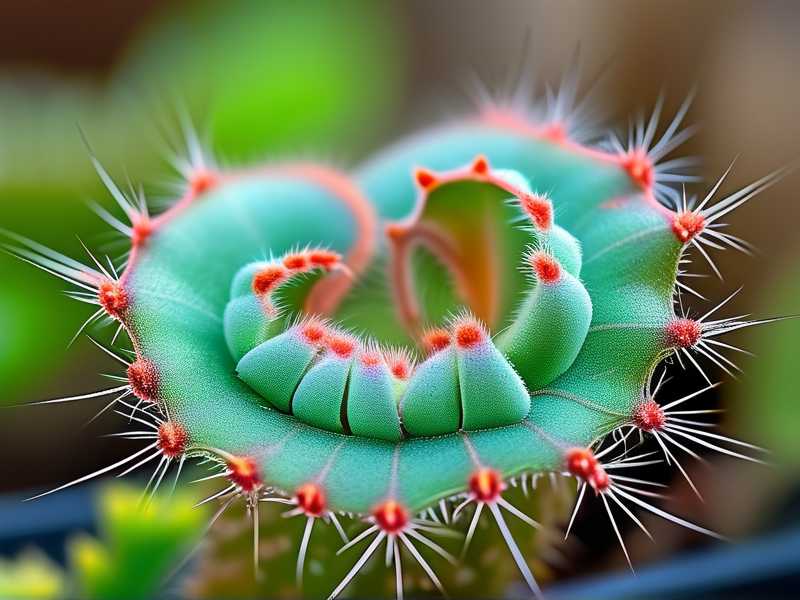
I remember staring at my first sundew for weeks. The leaves were green, not red. No dew at all. It looked healthy but totally useless. I kept waiting for it to catch something. Nothing happened. That’s when I started digging into what I was doing wrong.
90% of indoor plants die from overwatering, but with sundews, the problem works differently. You actually need to water them constantly—but only with the right kind of water. I was using tap water. Big mistake.
The 3 Deadly Mistakes Newbies Always Make
Mistake #1: Watering with Tap Water
I killed my first sundew by using regular tap water. The leaves turned brown at the tips. The dew disappeared completely. I thought I was helping by watering every day. Actually, I was poisoning it.
Tap water contains minerals and salts that build up in the soil. Sundews are adapted to pure rainwater. Those minerals burn the roots. The plant stops producing dew because it’s stressed.
What I did instead: I switched to distilled water. You can buy it for cheap at any grocery store. Or collect rainwater if that’s easier for you. Some people use reverse osmosis water too. Bottom line: never let tap water touch your sundew.
In that first week of switching to distilled water, I saw tiny droplets starting to form. By day 10, the leaves had more dew than ever before.
Mistake #2: Wrong Lighting Position
My second sundew sat on a bookshelf near a window. I thought that was enough light. It wasn’t. The plant grew leggy and pale. No dew. No insect attraction.
Sundews need direct sunlight for at least 4-6 hours daily. They also need bright indirect light for the rest of the day. A north-facing window won’t cut it. Even east-facing might be weak depending on where you live.
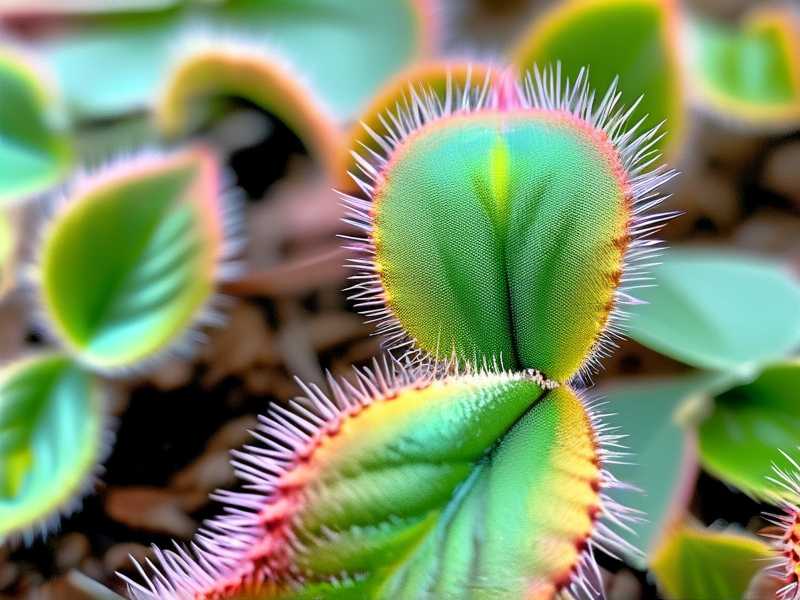
I moved mine to a south-facing windowsill. That immediate change made a difference within days. The leaves started developing that beautiful reddish color. Reddish leaves produce more dew. More dew means more insects.
You can also use grow lights if you don’t have good natural light. I’ve tried cheap LED grow lights from Amazon. They work fine. Keep them about 6 inches above the plant, running 12-14 hours daily.
Mistake #3: Using the Wrong Pot
My third disaster involved a decorative ceramic pot. It had no drainage holes. I thought I was being clever by creating a mini terrarium. What happened? Root rot. The plant died within three weeks.
Sundews need constant moisture but also need oxygen at the roots. That sounds contradictory, I know. But here’s the trick: use a pot with drainage holes, then place that pot in a tray of distilled water. This is called the tray method. It keeps the soil moist while preventing waterlogging.
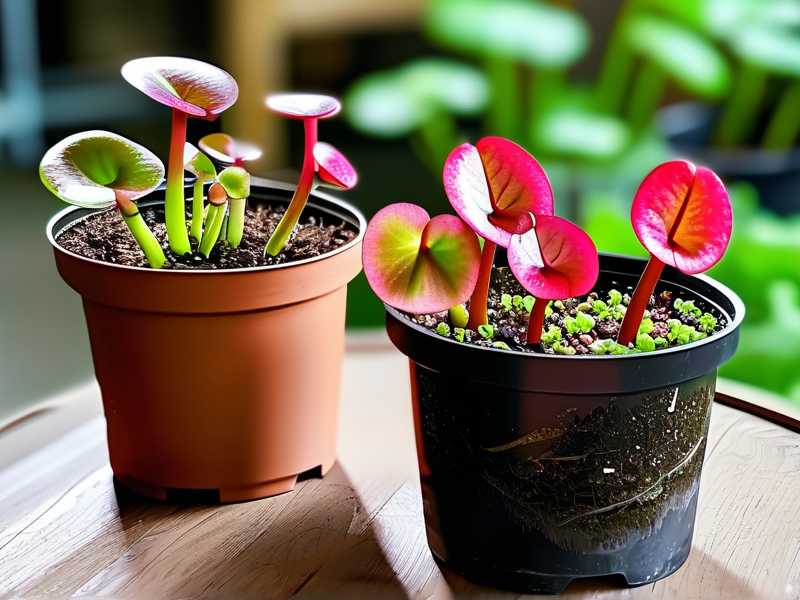
Plastic pots work best because they retain moisture better than terracotta. Terracotta breathes too much—it dries out too fast for sundews. I use standard 4-inch plastic nursery pots with drainage holes. Simple and effective.
My Two-Week Recovery Plan That Actually Worked
After losing three plants, I finally got serious. Here’s the exact schedule I followed. I kept notes every day.
Day 1-3: Reset Everything
I bought a fresh sundew from a specialty carnivorous plant nursery. This time I prepared properly. I got distilled water, a plastic pot with drainage, a tray for the water, and I cleaned the south-facing window sill.
I filled the tray with about 1 inch of distilled water. I placed the pot on top. Then I waited.
The first three days, nothing much happened. The plant looked the same. But I knew the roots were adjusting. Patience is hard, but essential.
I also stopped touching the leaves. I used to poke the dew droplets because I was curious. Big mistake. The dew is sticky and sensitive. Touching it damages the glands that produce more dew.
Day 4-6: First Signs of Change
By day four, I noticed the leaves were getting slightly more pink. The center of the rosette looked more active. New growth was coming in.
I kept the water level consistent. Never let the tray dry out completely. If the top of the soil feels slightly damp, you’re fine. If it feels dry, add water to the tray.
I also stopped misting the plant. I had read somewhere that carnivorous plants like humidity. So I was misting every day. Turns out, misting can wash away the dew. Dew needs to be concentrated on the leaf tips. Mist spreads water everywhere and dilutes the stickiness.
Day 7-10: Dew Appears
This was the exciting part. Small, clear droplets started appearing on the tips of the newest leaves. Within three days, the older leaves also developed dew.
I caught my first insect on day 9. It was a tiny fungus gnat. Probably came from one of my other houseplants. The sundew wrapped around it and digested it within two days. I watched the whole process. It was gross and fascinating at the same time.
The plant looked happier than ever. The leaves were upright and covered in glistening droplets. Photos don’t do it justice. You have to see it in person.
Day 11-14: Full Recovery
By the end of two weeks, my sundew was catching 2-3 tiny insects every day. Nothing huge—mostly gnats and small flies. But that’s fine. Sundews are designed for small prey. They don’t need giant meals.
The plant had changed color significantly. From dull green to bright red and orange. The difference was night and day.
I kept the tray method going. I refilled it every 3-4 days. Distilled water only. No fertilizer—sundews get nutrients from insects. Adding fertilizer will kill them.
What Actually Attracts Insects to a Sundew
You might think insects just happen to land on the dew. That’s partially true, but there’s more to it.
Sundews produce a sweet nectar-like substance. This attracts insects. The dew droplets are highly reflective. They sparkle in the sunlight similar to morning dew on grass. Insects see that sparkle and think it’s a water source. Then they land and get stuck.
If your sundew isn’t producing dew, it won’t attract anything. Simple as that. No dew means no insect attraction. And without insects, the plant can’t get nutrients. It becomes a vicious cycle.
The good news? Once you fix the conditions, dew production returns quickly. Mine started showing droplets within a week of switching to distilled water and proper lighting.
Troubleshooting When Dew Still Doesn’t Appear
Sometimes even after two weeks, your sundew might still be dry. Here’s what I check when that happens.
Temperature Too Low
Sundews like warmth. Temperatures below 60°F (15°C) can slow down dew production. I keep mine in a room that stays around 70-80°F during the day. Not too hot, not too cold.
Humidity Too Low or Too High
Indoor humidity around 40-60% works great. If your home is very dry, especially during winter, consider a small humidity tray or a pebble tray. Don’t use a humidifier directly on the plant. That causes the same problem as misting.
Pot is Too Big
Big pots hold too much moisture that doesn’t reach the roots properly. Sundews have small root systems. A 3-4 inch pot is plenty. My sundew is in a 3.5 inch pot and it’s thriving.
Soil is Wrong
Regular potting soil contains fertilizers and nutrients that burn sundew roots. You need a mix of peat moss and perlite or sand. I use 50% peat moss and 50% perlite. No added fertilizers. No compost.
The RHS recommends using sphagnum moss or peat-based mixes for carnivorous plants. Follow their advice. It’s backed by decades of botanical research.
Supplementary Feeding Tips for Indoor Sundews
If you have no insects in your home, your sundew might still struggle. Indoor plants in clean apartments sometimes don’t see bugs for weeks.
I solved this with a simple trick: I bought dried bloodworms from a pet store. These are sold as fish food. I rehydrate a tiny piece with a drop of distilled water and place it on a leaf. The leaf curls around it and digests it. The plant gets nutrients without needing real insects.
You can also use crushed fish flakes. But be careful—only use a tiny amount. Overfeeding can overwhelm the leaf.
I feed my sundew once every two weeks during growing season. In winter, once a month is enough. Remember, sundews don’t need huge meals. A small drop of food on one leaf is sufficient.
One warning though: Don’t feed the same leaf twice. Let each leaf rest between feedings. The digestion process takes 2-4 days. After that, the leaf reabsorbs the nutrients and needs time to recover.
Why Your Sundew Might Be Dying Instead of Just Not Attracting Insects
Sometimes the problem is bigger than just no insects. Your sundew might actually be dying. Here’s how I tell the difference.
Signs of a dying sundew:
- Leaves turning black from the tips
- Stem and crown rotting
- No new growth for weeks
- Leaves falling off easily
- Base of plant feels mushy
If you see these signs, act fast. Remove the plant from its pot. Check the roots. Healthy roots are white or light brown. Rotting roots are black and slimy. Trim away dead roots with clean scissors. Repot in fresh peat-perlite mix.
I almost lost my fourth sundew to root rot. I caught it early enough. After repotting and switching to distilled water, it recovered within three weeks.
The Science Behind Dew Production
I’m not a botanist, but I’ve read enough to understand the basics. Sundews produce mucilage—that’s the scientific name for the sticky dew. This mucilage contains enzymes that digest insects.
The production of mucilage requires two things: water and light. Without enough light, the plant can’t photosynthesize enough to fuel dew production. Without pure water, the plant can’t make the sticky substance properly.
Think of dew as the plant’s stomach. The dew sits outside the plant and digests prey. Amazing, right?
According to the AHS, carnivorous plants thrive in bright, humid conditions with pure water. Their natural habitat is acidic bogs. Recreate those conditions, and you’ll have a happy plant.
Common Myths I Used to Believe
Myth: Sundews Need to Catch Insects Every Day
Nope. They can survive weeks without prey. Insects provide nutrients, not energy. The plant gets energy from sunlight. If your sundew isn’t catching bugs, it’s not starving to death. It’s just missing nutrients. Give it time.
Myth: They Eat Mosquitoes
Sadly, no. Mosquitoes are too fast. Sundews catch slow-moving insects like gnats, fruit flies, and small moths. If mosquitoes are your problem, look elsewhere.
Myth: You Should Feed Them Dead Houseflies
Dead flies don’t trigger the same response. The plant needs movement to know it’s caught prey. Live prey works better. If you must feed dead insects, gently touch the leaf after placing the prey to simulate movement.
Long-term Maintenance for Consistent Insect Catching
After my sundew recovered, I wanted to keep it healthy long-term. Here’s my routine now.
Water: Every 3-4 days, I pour distilled water into the tray. I never let the tray go completely dry. During summer, sometimes I need to top it up every 2 days.
Light: I keep the pot on the south-facing sill. In winter, I use a grow light for extra hours. Total light exposure is about 12-14 hours.
Temperature: House temperature is fine. I avoid drafty windows in winter. During heatwaves, I move the plant away from direct scorching sun—the leaves can burn.
Repotting: Every 12-18 months, I repot in fresh peat-perlite mix. Old soil loses its structure. Fresh soil provides better root health.
Pruning: Old dead leaves accumulate at the bottom. I trim them with clean scissors. This prevents mold and improves airflow.
Why I Stopped Using Terrariums for Sundews
I used to think sundews needed enclosed terrariums for humidity. Turns out, I was wrong again.
Terrariums trap moisture, which sounds good, but they also trap heat and reduce airflow. Sundews need air movement to prevent fungal growth. My terrarium-grown sundews always got moldy.
Now I grow them in open pots. Humidity in my home is around 45-55%. That’s enough. If your air is very dry, use a pebble tray with water underneath the pot. That increases local humidity without trapping everything.
The open air also helps with dew visibility. You can actually see the droplets forming. It’s satisfying.
My Personal Favorite Sundew Varieties for Beginners
Not all sundews are equally easy. Some need specific conditions that are hard to maintain indoors. Here are the ones I’ve had success with.
Drosera capensis (Cape Sundew): This is the classic beginner sundew. It’s tough, produces lots of dew, and catches insects easily. Mine survived—thrived, actually—even when I made mistakes.
Drosera spatulata (Spoonleaf Sundew): This one is small but resilient. It grows in a tight rosette. It catches tiny gnats effectively.
Drosera binata (Forked Sundew): A little larger, with Y-shaped leaves. It needs more light than capensis but is still manageable.
Avoid tropical varieties like Drosera regia or Drosera adelae. They’re fussier and need more humidity. Stick with capensis for your first plant.
What I Learned About Insect Populations
Even healthy sundews sometimes go days without catching anything. That’s normal. In winter, insect activity drops. Your plant might not see a bug for weeks.
But here’s the thing: A healthy sundew will still produce dew even without insects. The dew is always there. It’s like a spider web that waits patiently. Eventually, something will land.
If your home has zero insects—which I doubt, there are always tiny gnats—consider bringing the plant outside for a few hours on a warm day. Just watch for direct sun and wind. A sunny porch for 2-3 hours can attract plenty of small insects.
Are Bonsai and Sundews Compatible?
Some people ask me this because they want mixed setups. Honestly, no. Bonsai and carnivorous plants have opposite watering needs. Bonsai thrive with drying cycles. Sundews want constant moisture. Keep them separate.
Common FAQ About Sundews Not Attracting Insects
Q: How long does it take for a sundew to start catching insects after fixing care? A: In my experience, you’ll see dew within 3-7 days if you switch to proper conditions. Actual insect catches might take 1-2 weeks longer, depending on if insects are in your home.
Q: Can I use bottled water instead of distilled? A: Check the label. Most bottled water contains minerals. Purified or distilled is safe. Spring water is not. I stick with distilled to be safe.
Q: My sundew has dew but nothing lands on it. What should I do? A: Be patient. Insects need to discover it. Sometimes they ignore it for weeks. If your home is insect-free, try the bloodworm trick I mentioned earlier. The plant will get nutrients regardless.
Q: Should I leave dead insects on the leaves? A: No. After digestion (2-4 days), the leaf reabsorbs the nutrients. The leftover exoskeleton may fall off naturally. If it doesn’t, gently remove it with tweezers. Dead insect bodies can rot and cause leaf damage.
Q: Can I use regular plant food for sundews? A: Absolutely not. Regular fertilizer will kill them. Sundews evolved to get nutrients from insects. Fertilizer burns their roots. I’ve seen people ruin beautiful plants this way.
Final Thoughts on Keeping Sundews Happy
Growing sundews isn’t complicated once you understand the basics. Pure water, bright light, and patience. That’s really all you need.
I wasted months and killed three plants before getting it right. Now I have five healthy sundews on my windowsill. They catch gnats, fruit flies, and occasionally small moths. My kitchen has fewer bugs than before. The plants look amazing too.
If your sundew isn’t attracting insects, check your water source first. Then light. Then pot and soil. Make one change at a time and wait a week. You’ll be surprised how quickly they respond.
The Royal Horticultural Society explains that carnivorous plants are adapted to very specific conditions. Mimic those conditions, and your sundew will reward you with sticky, insect-catching leaves. Don’t give up after one or two failures. I almost did. But once you see those first dew droplets form, you’ll know it was worth the effort.