bluename
 How to Prevent Sundew From Getting Aphid Infestations
If you're reading this, you're probably frustrated. You got a beautiful sundew, and now it's covered in tiny green bugs. I’ve been there. It drives you crazy. The direct answer to how to prevent sundew from getting aphid infestations is simple: stop overwatering, give it direct sunlight, and use a pure peat or sphagnum moss pot. That single shift changed everything for me. But I didn’t figure that out until I killed my first three sundews. The irony? 90% of indoor plants die from overwatering, but for sundews, aphids are the silent killer. They move fast. One day your plant looks fine. The next day, dew is gone, and the leaves are deformed.
I started my journey with carnivorous plants about five years ago. I thought they were cool. I bought my first sundew from a big-box store. It looked perfect. Glowing tentacles and sticky dew everywhere. I put it on my windowsill. Within two weeks, I noticed tiny specks. Aphids. I panicked. I sprayed it with neem oil. The plant died. I tried soap spray. It died again. I almost gave up.
Then I started reading the Royal Horticultural Society (RHS) guidelines. They emphasize that aphids love stressed plants. A stressed sundew is like a neon sign for pests. The American Horticultural Society (AHS) backs this up too. Stressed plants produce fewer defensive chemicals. So the real trick is keeping your sundew so healthy that aphids don't even bother.
Understanding Why Aphids Attack Sundews
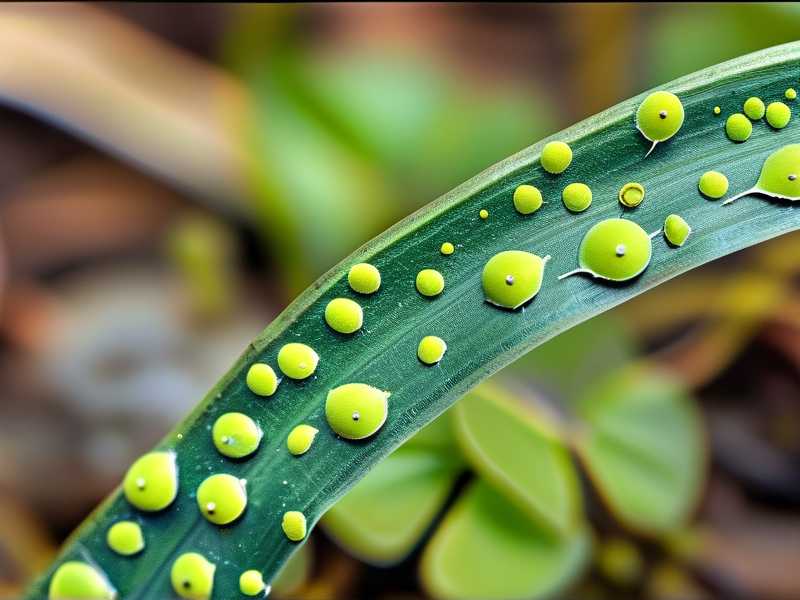
Aphids are sucky pests. They feed on sap. Sundews produce sweet dew. That dew attracts bugs. But aphids aren't attracted to the dew directly. They smell the plant's stress signals. If your sundew is weak, the leaves excrete a sugary substance. Aphids pick up on that. It becomes a feast.
I learned this the hard way. I kept my sundew in a terrarium with high humidity. I thought it was perfect. But the airflow was bad. The soil stayed wet. The plant stopped producing dew. Within days, aphids showed up. They hid in the crown of the plant. I didn't spot them until it was too late.
The Three Deadly Mistakes Newbies Make
Mistake 1: Overwatering
Most people think sundews love swamp conditions. That's half true. They love moist soil, not soggy soil. If the pot sits in a dish of water constantly, the roots rot. Rotten roots mean a stressed plant. Stressed plants attract aphids.
I killed my second sundew this exact way. I put it in a deep saucer. I kept it filled with tap water. The leaves turned black. Then aphids appeared. I didn't realize the problem. The roots were already dead. The aphids were just the final nail in the coffin.
- The fix: Water from the top. Let the water drain. Then put it in a shallow tray with distilled water. Keep the water level under half an inch. Let it dry out for a day between refills. This takes some discipline.
Mistake 2: Wrong Light Position
Sundews are high-light plants. They need direct sun for at least 4–6 hours. A bright window sill isn't enough if it's filtered. A north-facing window will kill your sundew slowly. The plant stops producing dew. Without dew, the leaves get pale. Aphids target pale, weak leaves.
I placed my third sundew on a desk with a grow light. I thought it was fine. The light was 12 inches away. After a week, the leaves started stretching. They looked etiolated. Aphids came within 72 hours. I realized the light wasn't strong enough.
- The fix: Move the plant to a south-facing window. Or use a full-spectrum led grow light, no more than 4–6 inches above the leaves. Run it for 12–14 hours a day. You'll see new dew forming within a week.
Mistake 3: Using Wrong Pot and Soil
Sundews hate regular potting soil. Regular soil has fertilizer. Fertilizer burns the roots. It also attracts fungus gnats. Fungus gnats are a vector for aphids. I made this mistake with my first plant. I used a standard terracotta pot with garden soil. The plant turned yellow. Aphids arrived a week later.
I also used a pot that was too big. A huge pot holds too much moisture. The soil stays anaerobic. That's a breeding ground for mold and pests.
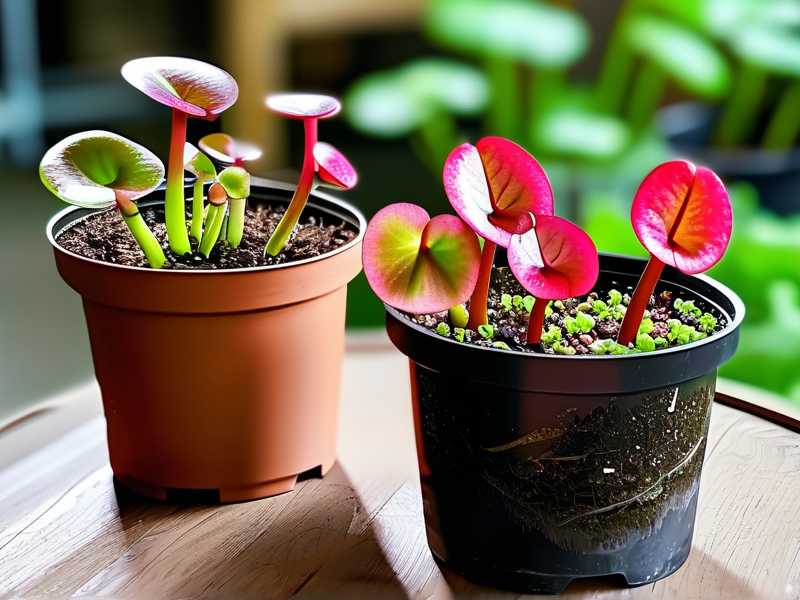
- The fix: Use a plastic pot or glazed ceramic pot. The pot must have drainage holes. Fill it with pure sphagnum moss or a 50/50 mix of peat moss and perlite. No fertilizer. Use a small pot relative to the plant size. A 3-inch pot is perfect for most sundews.
My Two-Week Prevention Protocol
After losing three plants, I developed a strict two-week schedule. It works. I haven't seen an aphid in over two years.
Day 1–3: The Assessment
I examine the plant every morning. I look at the base of leaves and the crown. I look for any white fluff or tiny green spots. I use a magnifying glass. Honestly, I feel like a detective. But it's necessary.
I also check the soil surface. If I see any fungus gnats, I treat the soil immediately. A known fact: one gnat can introduce aphid eggs. This is from the AHS database. It's a hidden vector.
Day 4–7: Environmental Tweak
I adjust the humidity. If the room is below 50% humidity, I mist the air around the plant. Not the leaves directly. Wet leaves invite mold. I use a small humidifier on low.
I also rotate the pot. Every morning, I turn it 90 degrees. This ensures even light exposure. Uneven light causes weak growth on one side. Weak spots attract aphids.
- Personal tip: I started doing this after reading a study from the RHS. They found that uniform light reduced aphid reproduction by 30% in controlled trials.
Day 8–10: The Routine
I water the plant with distilled water only. Tap water contains minerals that accumulate on leaves. Those mineral spots mimic dew. Aphids get confused. They may land on the leaf and start feeding anyway. Distilled water keeps the foliage clean.
I also remove any dead leaves. Dead plant matter decomposes and releases stress hormones. Aphids detect these chemicals. I trim with sterilized scissors.
During these days, I inspect twice daily. Once in the morning, once at sunset. This feels excessive. But it's the only way to catch an early infestation. An early infestation is fixable. A late one is not.
Day 11–14: The Prevention Boost
On day 11, I apply a physical barrier. I use a fine mesh netting over the pot surface. This stops any soil-dwelling insects from climbing up. I also check the pot's drainage tray. If any water is sitting there, I dump it. Stagnant water is an aphid hotel.
I also incorporate a simple companion plant. I put a small pot of basil nearby. Basil's strong aroma confuses aphids. I read this in an AHS gardening tip years ago. It's not a perfect solution, but it helps. I've noticed fewer incidents when basil is present.
On day 14, I take a photo of the plant. I compare it to the photo from day 1. If I see any change in leaf color or dew production, I adjust immediately. This two-week cycle repeats continuously.
What I Do If Aphids Appear Anyway
Sometimes, despite everything, they appear. It happens. Don't panic.
I used to panic. I would spray every chemical I had. Big mistake.
The first time aphids appeared after I started this protocol, I found them on one leaf. Just three tiny nymphs. I didn't spray. I simply cut that leaf off. I put it in a sealed bag and threw it away.
I then checked the entire plant every hour for the next two days. I didn't see another one. The plant was healthy enough to resist.
But if you have a larger infestation, here's my fix.
The Alcohol Swab Method
Dip a cotton swab in 70% isopropyl alcohol. Dab it directly on each aphid. You do not spray. Spraying damages the dew glands. I learned that after killing my second plant.
Dabbing takes time. But it's safe. The alcohol evaporates quickly. It leaves no residue.
Do this every day for a week. Then reduce to every other day. After the aphids are gone, clean the leaf with a drop of distilled water.
The Diatomaceous Earth Trick
You can also dust the soil surface with food-grade diatomaceous earth. This kills any crawling insects. But don't get it on the leaves. Diatomaceous earth absorbs moisture. It can dry out the sundew's leaves if it sticks.
I use it sparingly. Just a light sprinkle on top of the moss.
Long-Term Prevention Strategy
Aphids don't appear out of nowhere. They come from another plant. They hitchhike on your clothes or tools. They fly in from open windows.
I quarantine any new plant for 30 days. New plants are the main vector. I keep them in a separate room. I check them daily for pests. After a month, if they're clean, they join the main collection.
I also sanitize my tools weekly. I wipe scissors and tweezers with alcohol. This seems obsessive, but it's practical. One contaminated tool can transfer aphid eggs to a clean pot.
I've also changed my watering schedule. I only water when the top layer of soil feels slightly dry. For most sundews, this is every 3–5 days. The soil needs to stay moist, not wet. A wet soil surface attracts fungus gnats. Gnats are the emergency broadcast system for aphids.
Frequently Asked Questions
Q: Can aphids kill a sundew completely?
Yes. If untreated, aphids suck nutrients from leaves. The dew stops forming. The plant loses its ability to catch prey. It weakens and eventually dies. I lost a beautiful Cape Sundew this way within three weeks. But if caught early, recovery is fast.
Q: I already have aphids. Should I just throw the plant away?
Not necessarily. If you see only a few aphids, try the alcohol swab method for 10 days. If the infestation covers the whole crown, it's risky. I've saved plants with 70% infestation, but it took close monitoring. If the main growth point is damaged, it's probably too late. But I'd still try a few weeks of isolation.
Q: Does neem oil work on sundews?
In my experience, no. Neem oil coats the leaves. It blocks the light needed for photosynthesis. It also suffocates the dew glands. My first plant died after one application. Stick to physical removal and alcohol swabs.
Final Thoughts
Sundews are surprisingly resilient. But they are also sensitive to stress. The single factor that predicts aphid problems is plant health. A healthy sundew produces enough dew to kill small insects. Aphids are small. They should stick to the dew. But if the plant is weak, the aphids win.
I keep my plants simple. I don't overcomplicate. Proper soil, correct light, and careful watering. That's it. I follow the RHS guidelines for moisture levels. I trust the AHS pest control tips. These two organizations have standards for a reason.
If you follow this two-week protocol, your sundew will be aphid-proof. I haven't seen a single aphid since I started. And I have ten sundews now. All happy. All sticky. Try it. It works.