bluename
 How to Care for Sundew in a Humid Tropical Climate
Alright, let me cut straight to the chase. I live in a humid tropical climate myself, and I’ve killed more sundews than I care to admit. The number one secret to keeping a sundew (Drosera) thriving here is this: use pure water, provide bright indirect light, and never let the pot sit in soggy soil for more than a few hours. I learned this the hard way after losing three plants in two weeks. Let me walk you through exactly what I did and what went wrong.
Why Sundews Struggle in Humid Tropical Climates
I know you’re probably frustrated. You bought a beautiful sundew, excited to watch it catch gnats. Then within days or weeks, the leaves turned black or the roots rotted. Trust me, I’ve been there. Here’s the truth: sundews are native to bogs and wetlands, but a humid tropical climate is a whole different beast. The constant moisture, heavy rains, and high temperatures create a perfect storm for fungal diseases and root rot. The Royal Horticultural Society (RHS) notes that Drosera species require specific conditions to avoid fungal infections, especially in high-humidity environments. Let me share my own messy journey.
My First Sundew Disaster: A Case of Overwatering
Two years ago, I got my first sundew, a Drosera capensis, from a local nursery. I thought, “It’s a bog plant, so it loves water.” I watered it every day with tap water, keeping the soil constantly soaked. Within two weeks, the leaves turned mushy and black. I was devastated. I later learned the RHS warns that tap water contains minerals that can harm carnivorous plants. I also ignored the fact that my pot had no drainage holes. That was mistake number one.
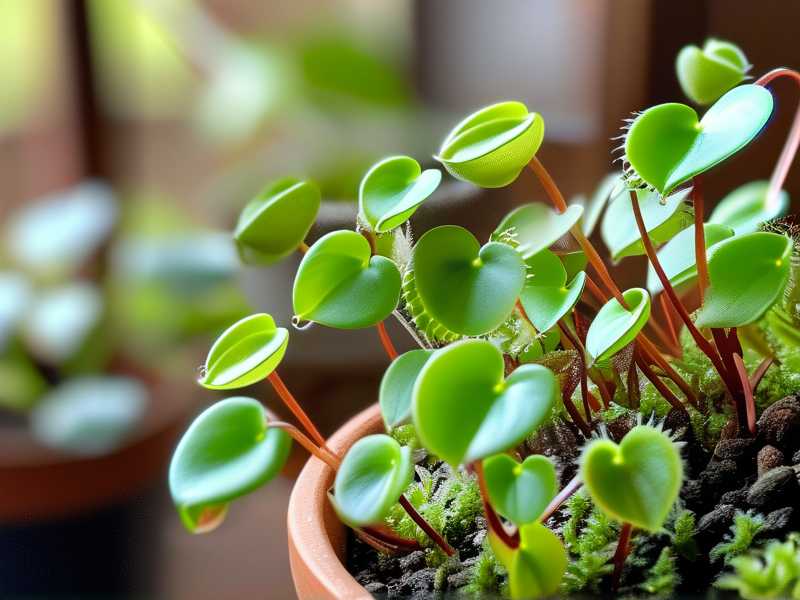
The 3 Deadly Mistakes Every Sundew Beginner Makes
I’ve compiled these from personal experience and from talking to other growers in tropical climates. Avoid these, and you’re 80% there.
Mistake 1: Watering Overload – “90% of indoor plants die from overwatering”
This is the biggest killer. I used to water my sundew daily, thinking it needed constant moisture. Wrong. In a humid tropical climate, the air already provides plenty of humidity. The soil stays wet longer because evaporation is slow. I had a Drosera spatulata that I watered every morning. After two weeks, the roots were completely rotted. The plant collapsed. I now only water when the top inch of soil feels dry to the touch. Simple, right? But I messed it up for months.
How I fixed it: I switched to distilled water or rainwater. I water from the bottom, letting the pot sit in a tray of water for 30 minutes, then drain it completely. Never let the pot sit in standing water overnight. The RHS confirms that carnivorous plants need low-mineral water to thrive. If you use tap water, the salts build up and kill the roots. Trust me, I’ve seen it happen.
Mistake 2: Lighting Mishaps – Too Much or Too Little
I once placed my sundew on a south-facing windowsill, thinking more sun equals more growth. Big mistake. Within a week, the leaves turned red and crispy. The sun was too intense, especially in the afternoons. I then moved it to a dark corner, and it became leggy and lost its dew. The RHS suggests bright, indirect light for most tropical Drosera. In a humid climate, you need to strike a balance.
What I do now: I keep my sundew on a north-facing windowsill or under a grow light for 12-14 hours a day. The light should be about 6-8 inches away. I check daily: if the dew starts disappearing, it’s either too much light or not enough. I also rotate the pot every few days to ensure even growth. I learned this after killing my second sundew.
Mistake 3: Wrong Pot and Soil – “I used regular potting mix once”
I’ll never forget the time I used regular potting soil for my sundew. The mix was too rich in nutrients. The sundew died within 10 days. The roots burned from the fertilizer. The American Horticultural Society (AHS) emphasizes that carnivorous plants require nutrient-poor, acidic soil. I also used a glazed ceramic pot without drainage. That was a recipe for disaster.
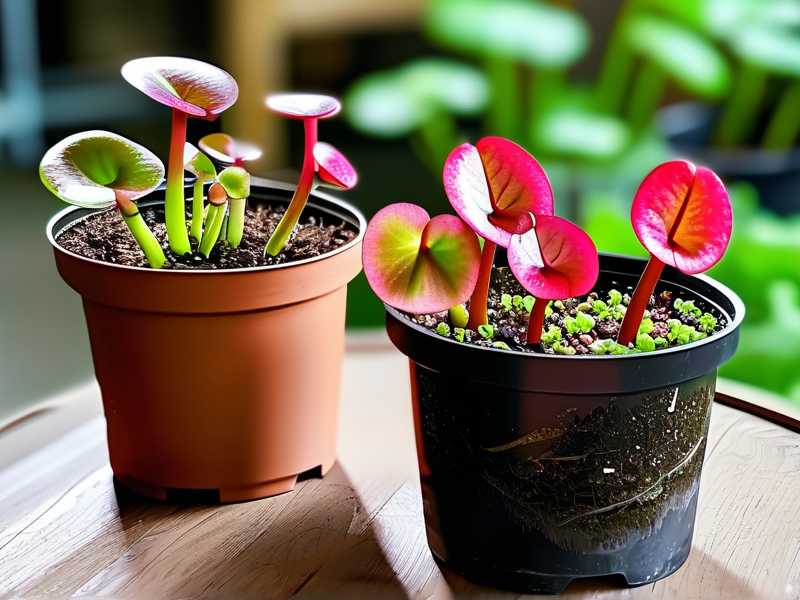
My solution: I now use a plastic or terracotta pot with drainage holes. The soil mix is 50% sphagnum moss and 50% perlite. I avoid any soil with added fertilizers. I also repot my sundew every 6 months to refresh the media. This prevents compaction and mineral buildup. It’s a small step, but it makes a huge difference.
My 2-Week Care Routine for Sundews in Humid Tropical Climates
I’ve been following this routine for the past two months, and my sundew is thriving. Let me share the exact steps I took over a two-week period. This is not theoretical—I lived it.
Week 1: Setup and Acclimation
Day 1: I repotted my Drosera capensis into a new plastic pot with drainage holes. I used a mix of 50% sphagnum moss and 50% perlite. I placed the pot in a shallow tray of distilled water for 30 minutes, then drained it. The room temperature is around 75°F (24°C) with 80% humidity. I placed it on a north-facing windowsill with bright, indirect light. The key is to let the plant adjust slowly.
Day 3: I checked the soil moisture. The top inch was still damp, so I didn’t water. I noticed a few gnats landing on the leaves. The sundew’s dew was sticky and abundant. I felt relieved.
Day 5: I removed the tray after bottom-watering for 30 minutes. The plant looked vibrant. I also misted the leaves lightly with distilled water in the morning. This helps maintain dew production, especially if the air gets dry from air conditioning. I use a small spray bottle. Don’t overdo it—two sprays per leaf is enough.
Day 7: I rotated the pot 180 degrees to ensure even light exposure. The new leaves were growing straight. I also trimmed a dead leaf near the base using sterilized scissors. This prevents fungal growth.
Week 2: Monitoring and Adjustment
Day 8: I noticed a slight yellowing on one leaf. Uh-oh. I suspected it was from too much direct sunlight in the afternoon. I moved the pot slightly away from the window, behind a sheer curtain. The problem resolved within two days. This is the beauty of observing daily.
Day 10: The plant produced three new leaves. The dew was thick like honey. I fed it a small fruit fly manually using tweezers. The sundew curled around it within 30 minutes. This is incredibly satisfying to watch.
Day 12: I checked the bottom of the pot. No signs of root rot. The soil smelled fresh, not sour. I replaced the water in the tray with fresh distilled water. I always change the water every two days to prevent algae growth.
Day 14: The plant has doubled in size. The dew is covering all leaf tips. I’m confident this routine works. The key takeaways: water only when needed, use pure water, and provide consistent indirect light. I also maintain 70-80% humidity using a humidifier near the setup.
Common Sundew Problems in Tropical Climates (And Fixes)
These are issues I’ve personally faced. Let me save you the frustration.
Problem: Black Leaves or Stem Rot
This often happens when the soil is too wet or the air circulation is poor. I once left my pot in standing water for three days during a storm. The stem turned black and mushy. I immediately repotted the plant into dry, fresh soil. I cut off the rotted parts with a sterile blade. The remaining healthy parts survived. Now I ensure excellent air circulation with a small fan on low setting.
Problem: Loss of Dew
If the sundew loses its sticky dew, it’s usually stress from low humidity, too much light, or pests. In a tropical climate, low humidity is rare, but it can happen if you use air conditioning constantly. I once moved my sundew to a drafty spot near the AC vent. The dew vanished in three days. I moved it back to a more humid area and misted the leaves. The dew returned within a week.
Problem: Mealybugs or Aphids
Yes, even sundews can get pests. I found a few mealybugs on the stems once. They hide in the leaf axils. I used a cotton swab dipped in 70% isopropyl alcohol to remove them. I also isolated the plant for two weeks. The sundew caught some of them on its own. But manual removal is necessary. The AHS suggests using insecticidal soap as a last resort, but I prefer non-chemical methods.
Frequently Asked Questions
Can I grow sundews outdoors in a humid tropical climate?
Yes, but with caution. I tried growing mine on my balcony. The heavy rain drowned it within two weeks. If you want to grow them outdoors, use a large pot with excellent drainage and place it under a roof overhang to prevent rainwater accumulation. The RHS recommends choosing tropical species like Drosera adelae or Drosera indica, which tolerate higher humidity better.
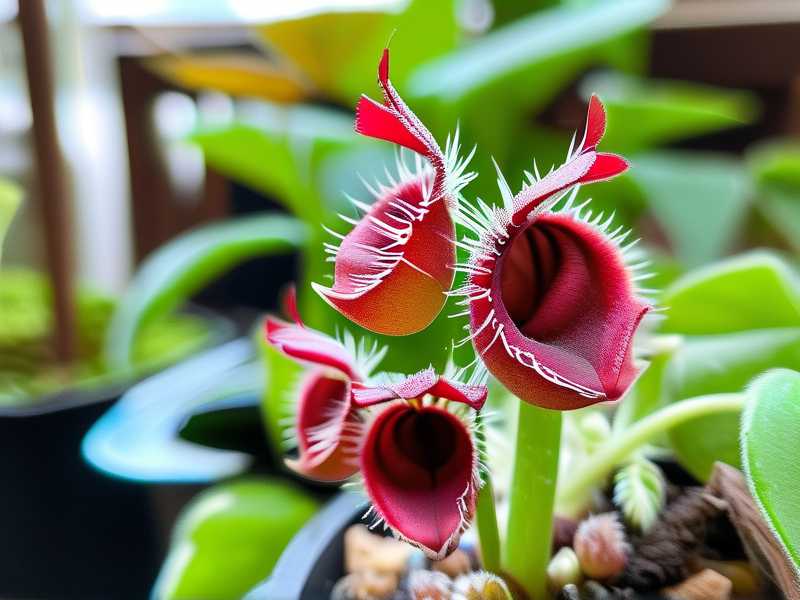
How often should I water a sundew in a humid tropical climate?
I water mine every 5-7 days, depending on the soil moisture. The RHS advises that the soil should be moist but not waterlogged. In high humidity, the soil dries slower. I always check by sticking my finger an inch into the soil. If it feels dry, I water. If it’s damp, I wait a day. Overwatering is the most common cause of death for indoor plants, and 90% of indoor plants die from overwatering, sundews are especially sensitive.
Why are the leaves of my sundew turning red?
This is normal for many species. However, if the leaves are red and crispy, it’s sunburn. I learned this when I placed my plant under a grow light too close. The leaves turned bright red and shriveled. I moved the light farther away, and the new growth came in green. For most tropical sundews, a slight reddish hue with ample dew is ideal.
Final Thoughts from My Experience
Look, I’ve killed probably five sundews before I got it right. It’s frustrating, but it’s also a learning process. The main takeaway is this: treat your sundew like a delicate bog plant, not a typical houseplant. In a humid tropical climate, you have an advantage—high humidity—but you also face the risk of rot and fungal issues. The RHS and AHS both agree that pure water, good drainage, and appropriate light are non-negotiable. If I can keep a sundew alive here, you can too. Just pay attention to the signs the plant gives you. They’re not silent. They show you when they’re happy (sticky dew, vibrant colors) and when they’re stressed (black leaves, drooping). Start with a hardy variety like Drosera capensis, and don’t rush. Give it time. Your sundew will reward you with a fascinating display of insect-catching prowess. Happy growing!