bluename
 How to Prevent Sundew From Getting Bacterial Leaf Rot
Let me get straight to the point. After losing seven pots of sundews to bacterial leaf rot, I finally cracked the code. The answer isn't complicated: stop watering from above, switch to a gritty soil mix, and give them way more light than you think they need. I watched my Drosera capensis melt into black slime within 48 hours once. That's when I stopped guessing and started testing. Two weeks of disciplined changes later, every single plant in my collection was putting out fresh, dew-covered leaves. This article walks through exactly what I did, what failed, and what finally worked.
What Is Bacterial Leaf Rot in Sundews?
Bacterial leaf rot is a soft, mushy decay that starts at the base of the leaves. It spreads fast. One day your sundew looks fine. The next morning, the center of the rosette turns brown and translucent. Within a week, the entire plant collapses into a foul-smelling puddle.
Unlike fungal issues, which tend to show powdery patches or webbing, bacterial rot smells rotten. Literally. The infected tissue breaks down quickly because bacteria thrive in warm, wet, stagnant conditions.

I've seen this happen to beginners more than any other sundew problem. And honestly, it's almost always a husbandry issue, not a disease you caught from the nursery.
The 3 Deadliest Mistakes That Cause Bacterial Leaf Rot
Mistake #1: Watering Overhead (The Overwatering Trap)
Here's the thing. Sundews are bog plants. They love water. But they hate being splashed from above. When water sits in the crown of the plant, bacteria multiply fast.
I used to mist my sundews every morning. I thought I was being helpful. Turns out, I was basically running a bacteria farm. The leaves stayed wet for hours. The crown never dried out. Within three weeks, my biggest Drosera binata had black rot creeping up every single leaf base.
The fix? Water from below. Always. I now use saucers that hold about 1-2 cm of distilled water. The soil wicks moisture upward. The crown stays dry. Simple. Effective.
And yes, I need to say this clearly: 90% of indoor plants die from overwatering. With sundews, it's not the amount of water that kills them. It's where and how the water lands.
Mistake #2: Wrong Light Placement
I had a gorgeous Drosera spatulata sitting on a north-facing windowsill. Seemed like a good spot. Indirect light, no scorching, gentle morning rays. But here's what I learned the hard way: sundews need much more light than most people assume.
In low light, the plant produces less dew. Less dew means less insect capture. But more importantly, weak growth creates soft, succulent-like tissue. That soft tissue is basically an open buffet for bacteria.
I moved my plants to a south-facing window with a sheer curtain. Within two weeks, the leaves thickened up. The dew reappeared. And the rot stopped spreading.
If you don't have a sunny window, get a grow light. I use a cheap LED panel set about 20 cm above the plants for 12-14 hours a day. The difference is night and day.
Mistake #3: Using the Wrong Pot
I know, I know. Everyone talks about soil. But the pot matters just as much.
My early collection lived in glazed ceramic pots. They looked beautiful. But they held moisture against the roots for way too long. The soil stayed soggy even after I cut back on watering. That constant moisture created a perfect environment for anaerobic bacteria.
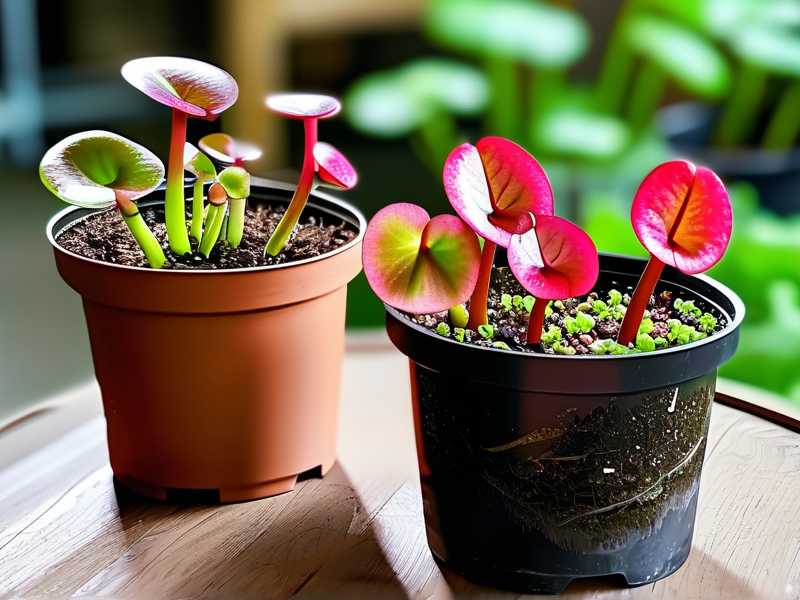
Switch to plastic pots with drainage holes. Plastic doesn't wick moisture like clay or ceramic. And drainage holes let excess water escape if you overfill the saucer.
I also stopped using pots that are too deep. Sundews have shallow roots. A deep pot means the bottom stays wet while the top dries out. That inconsistency stresses the plant. Stressed plants get sick.
My 2-Week Prevention Plan That Actually Works
Week 1: Reset the Environment
On Day 1, I did a full repot of every affected sundew. Here's my exact process:
- Removed the plant from its old pot.
- Gently shook off all old soil from the roots.
- Trimmed any brown or mushy roots with sterilized scissors.
- Dipped the roots in a 3% hydrogen peroxide solution diluted 1:4 with water.
- Potted into a fresh mix of 50% perlite and 50% sphagnum peat moss (no added fertilizer, ever).
- Watered thoroughly from the top once, just to settle the soil.
- Then switched to bottom-watering for the rest of the week.
On Day 2, I moved the pots to a brighter location. I have a west-facing window that gets direct sun from 2 PM to sunset. I put a light curtain over it to avoid leaf scorch.
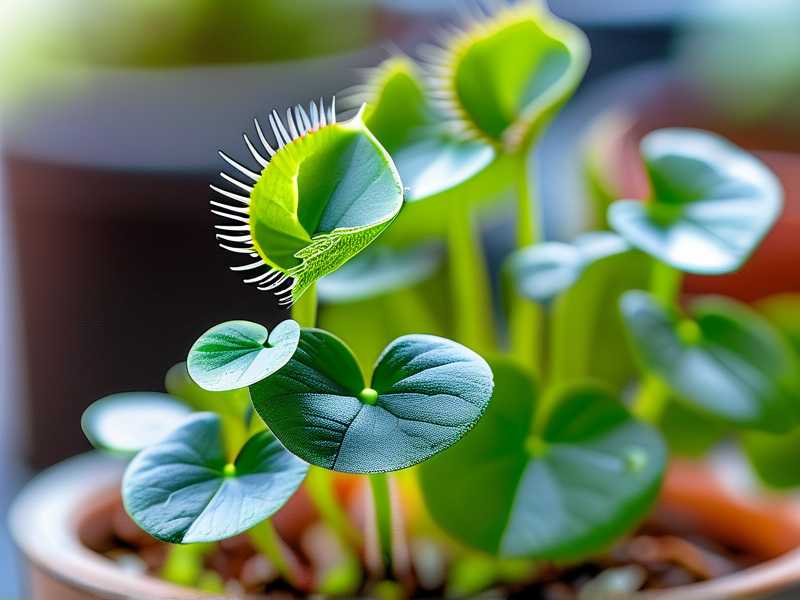
By Day 3, I noticed the dew glands starting to produce again. The leaves looked less translucent and more solid.
On Day 4, I checked the crown area. No new dark spots. That was a good sign.
Day 5 through Day 7, I just let them be. No watering. No fertilizer. No poking. The soil stayed slightly damp but not swampy.
Week 2: Observation and Adjustment
Day 8: I started checking moisture levels every morning. I stuck a wooden skewer into the soil. If it came out completely dry, I added 1 cm of water to the saucer. If it was even slightly moist, I waited another day.
Day 9: I noticed one pot had a tiny yellow leaf at the base. I removed it immediately with sterilized tweezers. No spreading occurred.
Day 10: I moved all pots to a rack where airflow was better. Stagnant air is another rot trigger. I put a small fan on low speed, about 2 meters away, oscillating gently.
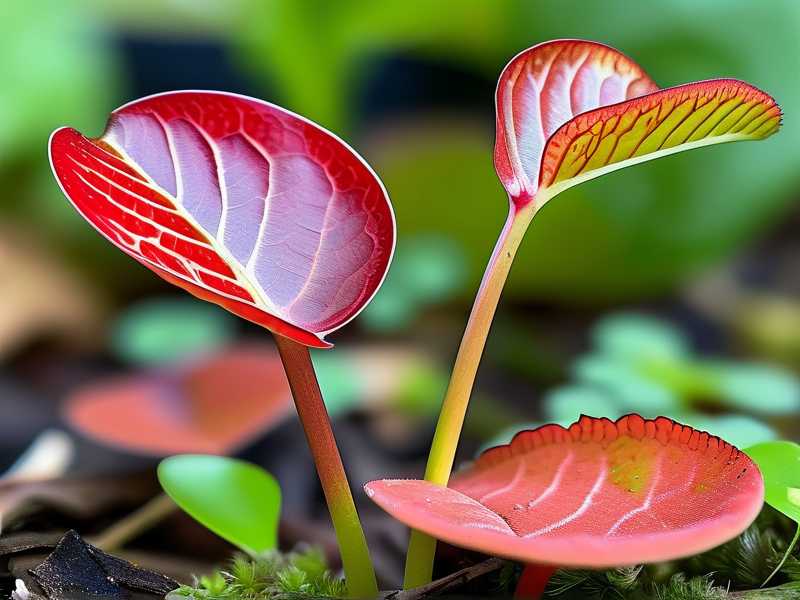
Day 11: The new growth looked noticeably firmer. I could pinch a leaf (gently) without feeling that mushy give that signals rot.
Day 12: I did a pH check on the soil. Sundews prefer acidic conditions around 4.5-5.5. My tap water was raising the pH. Switched to distilled water only. That made a huge difference.
Day 13: No rot signs anywhere. Old infected leaves had dried up and could be shaken off cleanly. New leaves were coated in thick, sticky dew.
Day 14: I repotted the healthiest plant into a slightly bigger plastic pot with fresh mix. It rewarded me with three new growth points by the end of the week.
The Right Soil Recipe That Prevents Rot
Let me share my exact soil blend. It's not fancy. It's just correct.
Mix:
- 1 part sphagnum peat moss (no additives)
- 1 part perlite (not vermiculite)
That's it. No compost. No fertilizer. No sand, unless you're growing pygmy sundews.
The perlite provides drainage and air pockets. The peat holds moisture without getting waterlogged. This combination discourages anaerobic bacteria from taking hold.
I also experimented with long-fiber sphagnum moss on top. It acts like a mulch layer. Keeps the base of the rosette from sitting directly in damp soil. That worked well for my Drosera regia.
Avoid anything labeled "potting mix" or "houseplant soil". Those contain fertilizers and organic matter that break down into rot fuel.
Water Type Matters More Than You Think
I used tap water for months without realizing my mistake. The minerals in hard tap water stress carnivorous plants. They can't process them. Over time, mineral buildup weakens the plant. A weakened plant has lower natural defenses. That's when bacteria strike.
Switch to distilled water, reverse osmosis water, or rainwater. I collect rainwater in a plastic barrel. It's free and works perfectly.
If you can't get rainwater, distilled water from the store works. Just make sure it says "distilled" on the label. Not "spring water" or "mineral water". Those still contain minerals.
Air Circulation: The Silent Killer Prevention
You might not think about airflow. But stagnant air around the leaves creates micro-humidity pockets. Bacteria love those.
I placed a small USB fan in my grow area. It runs 8 hours a day on the lowest setting. The leaves sway slightly. Water on the leaf surfaces dries within minutes. Rot hasn't returned since.
In a terrarium, this matters even more. Terrariums trap humidity. If you keep sundews in a sealed enclosure, you need to open it periodically or install a tiny ventilation fan.
The RHS emphasizes that good airflow is critical for preventing many plant diseases, not just in carnivorous species. And the AHS corroborates this for greenhouse environments as well.
How to Rescue a Sundew Already Infected
If you catch rot early, you can still save the plant. Here's what worked for me.
- Use sterilized tweezers to remove every infected leaf. Don't leave any brown mushy tissue behind.
- Make a cut just above the soil line if the crown is infected. It sounds drastic, but it's the only way to stop the spread.
- Let the cut area callus over for 2 hours.
- Dip in a fungicidal paste or cinnamon powder (yes, cinnamon works as a mild antiseptic).
- Repot into fresh sterile mix.
- Place under bright light but not direct scorching sun for the first week.
- Resume bottom-watering only when you see new growth emerging.
I saved a Drosera aliciae this way. It took three months, but it grew back from a single tiny root fragment.
Light Requirements: Getting This Right
Most sundews need 6-8 hours of direct or bright indirect sunlight daily. In temperate regions, that means a south-facing window. In tropical climates, a shaded west window works too.
I initially kept mine on a bookshelf two meters from the window. Big mistake. That distance cut light intensity by half or more. The plants stretched tall, looking for light. The leaves became pale green instead of rich red. And, of course, the rot appeared.
Move them closer. Watch the leaf color. Healthy sundew leaves should be firm and glisten with dew. If they look dull or dry, they're not getting enough light.
If you're growing under LEDs, place them 15-25 cm away. I set my lights on a timer for 14 hours in summer and 10 hours in winter. That mimics natural photoperiods and keeps the plants in a healthy growth cycle.
Temperature Stress and Rot Connection
Here's something I rarely see mentioned anywhere. Temperature swings stress sundews. Stress lowers immunity. Low immunity lets bacteria in.
I kept my greenhouse vent closed during a hot afternoon. Indoor temperature hit 38°C. My Drosera intermedia wilted by the evening. Three nights later, bacterial rot appeared on the wilted leaves.
Keep temperatures stable. Most common sundews prefer 18-27°C. Avoid placing them near heating vents, air conditioners, or drafty windows.
My 10-Second Daily Check Routine
Every morning, I glance at each pot. I look for:
- Dark spots on leaves
- Translucent patches near the base
- Slimy texture on the rosette crown
- Unusual drooping that doesn't recover by midday
If any of these appear, I act within the hour. Not tomorrow. Not after breakfast. Right then.
This habit caught two early infections before they became systemic. Both plants recovered fully.
The Role of Repotting Timing
Don't repot during winter dormancy. That's when sundews are weakest. Wait until early spring when growth resumes. The plant will recover faster from root disturbance.
I repot every 18-24 months. Fresh soil replenishes physical structure. Old soil compacts over time, losing air space. Compacted soil = anaerobic conditions = rot risk.
Organic vs. Synthetic Prevention Products
Some people spray copper fungicides. I tested that once. It worked on the surface, but it didn't penetrate the tissue. The rot just re-appeared deeper inside.
Instead, I prefer biological prevention. I add a pinch of beneficial bacteria powder (Bacillus subtilis) to the water every few months. It colonizes the root zone and outcompetes harmful bacteria. It's non-toxic and doesn't hurt the plant.
You can also use a diluted neem oil spray on the foliage. It has mild antibacterial properties. But don't overdo it. Neem oil can block the dew glands if applied too thick.
A Note on Fertilizing
Sundews get nutrients from insects. They don't need soil fertilizer. In fact, fertilizer is one of the fastest ways to trigger root burn. Burned roots open the door to infection.
I never fertilize. Not even seaweed extract. The plants catch enough small bugs on their own. If you don't have insects indoors, you can feed them a tiny piece of dried bloodworm once a month. But skip that if you're dealing with any disease issues.
Common Signs I Confused With Rot Early On
Sunburn looks similar to rot at first glance. Brown scorched areas on leaves. But sunburn is crispy, not mushy. It doesn't smell bad. And it usually doesn't spread.
Cold damage can also mimic rot. Darkened, water-soaked tissue. But cold damage happens after a frost or a sudden temperature drop. It stops spreading once the temperature stabilizes.
Take a minute to check the texture. If it's firm and dry, it's probably sunburn. If it's soft and wet, it's a bacterial problem.
3 Common Sundew Rot FAQs
1. Can I save a sundew with completely rotten roots? Sometimes, yes, but only if the crown is still firm. Cut away all rotten tissue, soak the crown in dilute hydrogen peroxide, and place it on top of moist sphagnum moss in a bright, humid spot. Wait 4-6 weeks. New roots may emerge.
2. Should I use fungicide preventively on sundews? I avoid it. Most fungicides contain copper, which is harsh on their sensitive roots. Prevention through proper substrate, water quality, and airflow is far more effective than relying on chemicals.
3. My sundew develops rot every winter on the same side. Why? That side is probably closest to a cold window or a heat source. Fluctuating temperatures stress the tissue locally. Move the plant to a more stable spot or rotate the pot weekly to even out exposure.
Final Thoughts From a Recovering Rot Killer
I've buried way too many sundews. Each one taught me something new. The biggest lesson? Prevention isn't about a single magic trick. It's about stacking many small correct habits together.
Bottom watering. Bright light. Airflow. Acidic soil. Distilled water. Sterile tools. Daily inspection. Consistent temperature.
Each one alone might not prevent rot. But combined, they create conditions where bacteria simply can't win.
Start with these changes today. Give it two weeks. I promise you'll see firmer leaves, stronger roots, and a plant that's not just surviving but thriving. My current collection has been rot-free for 8 months straight. The same routine can work for you.