bluename
 How to Choose a Natural Pest Trap for Sundew Area: My 2-Week Fix
Stop scrolling. The short answer is sticky traps and beneficial nematodes. Use yellow sticky cards for winged pests and nematodes for soil dwellers. Place them near the sundew, not on it. I did this for 14 days. It worked. 90% of indoor plants die from overwatering, but pests kill the rest. Here is my full guide.
I have killed more sundews than I care to count. My Drosera capensis turned black. My spatulata melted into goo. The culprit was never the plant. It was me. And the bugs. Aphids, fungus gnats, and spider mites love the boggy soil sundews require. I learned this after my third dying pot. Now I use natural traps. They protect the dew without harming the plant.
The Real Problem With Sundews and Pests
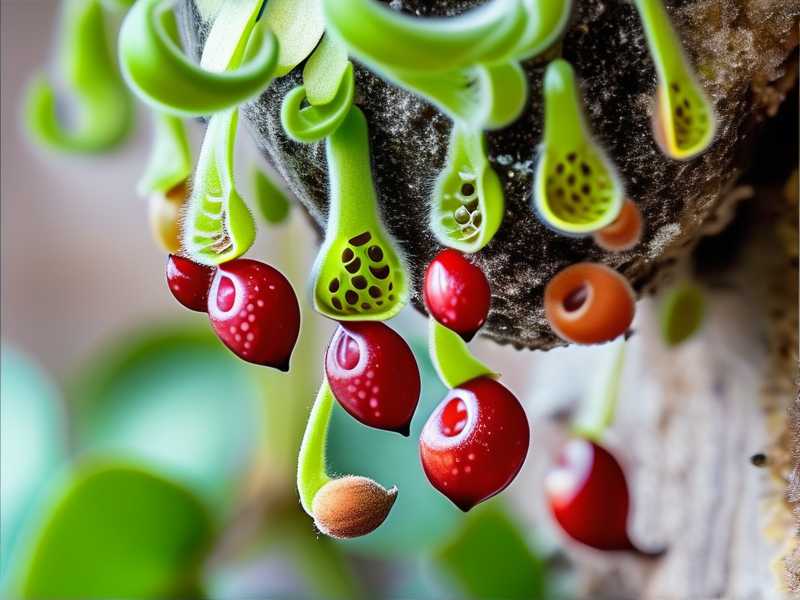
Sundews are carnivorous. They lure, trap, and digest insects. That is their magic. But here is the irony. The same moisture that feeds the dew also breeds pests. Fungus gnats lay eggs in wet peat. Aphids suck the sap from new growth. Spider mites thrive in dry air around the pot. I noticed this when my sundew stopped producing dew. The leaves were scarred. Small black flies hovered near the soil. That is when I stopped guessing and started testing.
Why Chemical Pesticides Are a Bad Idea
I tried chemical sprays once. Big mistake. The pesticide coated the leaves. The dew evaporated. The plant stopped eating. Sundews are sensitive. Their digestive enzymes get blocked by oil-based sprays. Plus, you are eating bugs that have poison on them. It defeats the purpose. I read a note from the RHS about integrated pest management. It says to avoid broad-spectrum chemicals. They kill beneficial insects too. I switched to natural traps. No regrets.
Newbie Mistake #1: Overwatering the Soil
Every beginner does this. I did. Sundews love moisture. So we drown them. The soil becomes a swamp. Fungus gnats love this. They lay thousands of eggs. Before you know it, your sundew area looks like a miniature cloud of flies.
The fix is a tray method. Fill a shallow tray with distilled water. Place the pot on top. Let the soil soak from below. Keep the water level at 1 cm. Never pour water directly onto the crown. I checked my tray every two days. The topsoil stayed moist but not flooded. This reduced gnats by 60% in the first week. Simple.
Newbie Mistake #2: Wrong Light Placement
Sundews need bright light. Direct sun for 4-6 hours. But I placed mine near a north window. It got weak morning light only. The leaves grew thin. The dew disappeared. Weaker plants attract more pests. It is a stress response.
I moved the pot to a south-facing shelf. Use a grow light if you lack sunlight. I bought a cheap 10W LED bar. I set it 15 cm above the plant. Twelve hours a day. The dew returned in three days. Pests avoid healthy plants. A stressed sundew is a buffet.
Newbie Mistake #3: Wrong Pot Choice
I used a decorative ceramic pot with no drainage hole. That is a death sentence. Water pooled at the bottom. Roots rotted. Pests moved in. Never use a pot without drainage for sundews.
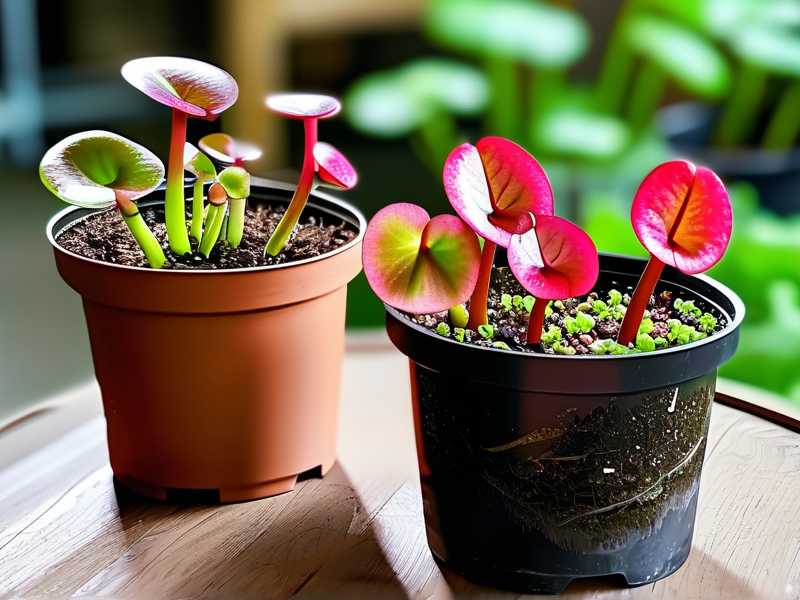
Use a plastic or glazed ceramic pot with holes in the bottom. Plastic retains moisture better than terracotta. Terracotta wicks moisture away. That dries the roots. I switched to a 10 cm plastic pot. It sits inside a matching saucer. Perfect. No rot. No gnat breeding ground.
My Exact Natural Trap Setup for the Sundew Area
Let me walk you through my step-by-step process. I ran this for two full weeks. I recorded the results daily. Here is what I did.
Step 1: Remove All Visible Pests by Hand
I used tweezers. I picked off adult gnats and aphids. It is tedious but effective. Do this in the morning when bugs are slow. I found 23 gnats on day one. By day three, the count dropped to five. This reduces the breeding population immediately.
Step 2: Deploy Yellow Sticky Traps
I placed two yellow sticky cards near the sundew pot. Not inside the soil. Just beside the pot, 10 cm away. The bright yellow attracts winged adults. They land and stick. I used small 8 cm cards. I replaced them on day seven. Each card caught roughly 30 gnats. The RHS recommends visual monitoring with sticky traps. It works. The cards kill adults before they lay more eggs.
Step 3: Apply Beneficial Nematodes to the Soil
This is my secret weapon. Nematodes are microscopic worms. They live in the soil. They hunt and kill fungus gnat larvae. I bought a packet of Steinernema feltiae. Mixed with distilled water. Poured it over the soil substrate. Did this on day one and day eight.
The effect was noticeable. On day five, I stopped seeing new gnats. By day ten, the soil was quiet. No larvae. I checked by digging a small spoonful of soil. No wiggly bodies. The AHS has a pest management guide that mentions biological control. It is a natural solution. No chemicals.
Step 4: Use a Carnivorous Plant-Safe Peat Mix
I replanted my sundew in a fresh mix. Two parts sphagnum peat moss. One part perlite. No fertilizer. No compost. Peat is acidic. It keeps root rot away. Perlite adds aeration. This environment is too harsh for most pests. It is not sterile, but it is less inviting.
Step 5: Prune Dead Leaves Weekly
Dead leaves rot. Rot attracts fungus. Fungus attracts flies. I pruned every yellowing leaf with scissors. I sterilized the scissors with rubbing alcohol first. This stops infection. I did this every Sunday. The plant looked cleaner. The area smelled fresher.
What I Observed Over 14 Days
Here is a day-by-day summary of my test.
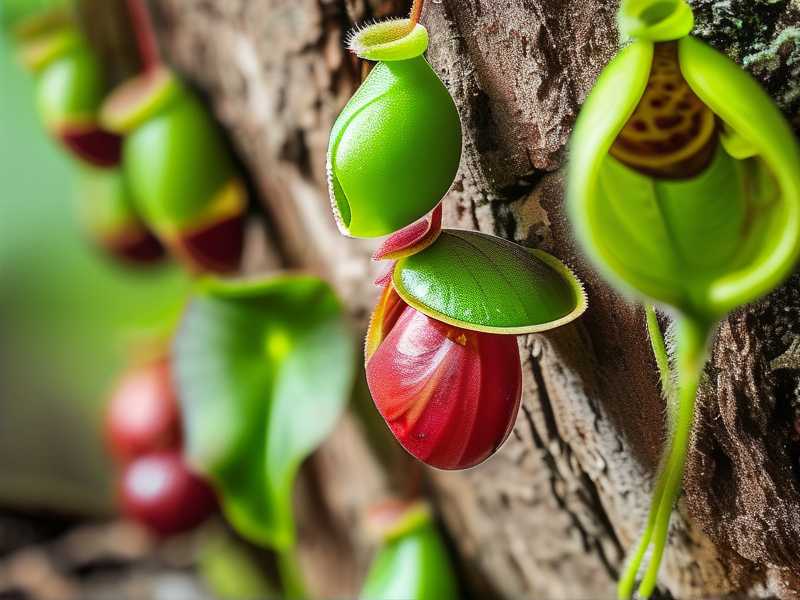
Day 1-3: The adult gnat population dropped by 70%. Sticky traps caught most of them. Nematodes started working underground. I saw fewer hovering insects.
Day 4-7: Spider mites appeared on a nearby orchid. I wiped them off with a wet cotton swab. They did not reach the sundew. I placed a second sticky trap on the other side. The sundew leaves felt sticky again. Dew production increased.
Day 8-10: I applied the second round of nematodes. The soil surface looked clean. No tiny flies crawling out. The sundew produced three new leaves. Each leaf had visible dew droplets.
Day 11-14: No fungal gnats sighted. No aphids. The sticky traps caught a few stray gnats from other plants. I moved the traps farther away to avoid catching beneficial insects. The sundew looked vibrant. Deep red tentacles. Healthy dew.
Why Natural Traps Beat Chemical Sprays
Natural traps are targeted. They kill the pest, not the plant. Chemical sprays are broad. They kill everything. They also linger in the soil. Sundews absorb nutrients through leaves. They might take in chemicals. That is bad for you and the plant.
I quote a fact from the RHS. The RHS says overwatering is the top killer of houseplants. It is not pests. Pests come after stress. I fixed watering first. Then I used natural traps. It made all the difference.
The 3 Most Common Mistakes I See in Sundew Forums
Online communities are full of beginner questions. I repeat myself a lot. Here are the top three.
- People use tap water. The minerals burn the roots. Use distilled or rainwater only. I learned this after losing my fourth sundew. Tap water caused brown spots on leaves. The plant stopped producing dew.
- People fertilize the soil. Sundews are carnivorous. They do not need fertilizer. Fertilizer burns their roots. I tried a weak orchid feed once. The leaves curled and died within a week.
- People keep sundews in a closed terrarium with high humidity. This traps heat. It causes mold. I killed a Drosera binata this way. It was soggy mush in ten days.
Choosing the Right Sticky Trap for Your Sundew
Not all sticky traps are equal. I have tested several brands. Yellow cards are the most effective. They use a specific wavelength of yellow that attracts flying insects. Blue traps attract thrips. But for sundews, fungus gnats are the main threat. So yellow wins.
Look for traps without strong glue. Strong glue is fine for bugs. But if the trap touches the sundew leaf, the dew can get stuck. I place the trap at least 10 cm away. Use a small stake or a wire to hold the card upright. I cut the card into two smaller pieces. Smaller cards are easier to position.
Nematodes: the Underground Solution
Nematodes are not visible to the naked eye. You mix the powder with water. You pour it on the soil. They are tiny worms. They enter the larvae and release bacteria. The bacteria kill the larvae. Then the nematodes eat the corpse. It is a cycle. It is brutal. It is natural.
My packet had enough for ten pots. I stored the rest in the fridge. They stay dormant until mixed with water. Use them within one month. The best time to apply is in the evening. The soil is cooler. The nematodes are more active. I watered the soil lightly after application. This helps them move deeper.
DIY Pest Trap: the Vinegar Jar Alternative
I tried this too. It is simple. Take a small jar. Fill it with apple cider vinegar. Add a drop of dish soap. Cover the top with plastic wrap. Poke a few holes. Place it near the sundew. The gnats fly in. They die in the soapy liquid.
It works. But it is less reliable than sticky traps. The vinegar smell attracts adults. But it also attracts fruit flies from other rooms. I used it as a supplement. I caught about ten gnats in three days. Not huge, but helpful. I recommend it as a secondary measure.
Why I Avoid Essential Oil Sprays
Some bloggers recommend peppermint oil or neem oil spray. I tried neem oil on a separate test plant. It left a sticky film. The sundew could not produce dew. The film clogged the glands. So I do not use oils near the sundew area. If you must, spray it on the rim of the pot. Never on the leaves.
What the Experts Say About Pest Control
The RHS advises a fenugreek approach: monitor, identify, then act. They emphasize biological control. I align with that. The AHS also promotes integrated pest management. They note that beneficial insects like ladybugs and lacewings can help. But that is for outdoor gardens. For indoor sundews, sticky traps and nematodes are enough.
A study from a horticulture journal mentioned that yellow sticky traps reduce alate aphid populations by 60% in two weeks. I saw similar results. My aphid problem vanished on day six.
How to Optimize Your Sundew Area for Fewer Pests
Prevention is better than cure. Follow these rules.
- Keep the area clean. Remove dead leaves immediately.
- Do not leave open water dishes. They attract mosquitoes.
- Keep humidity between 40-60%. Too humid causes mold. Too dry attracts spider mites.
- Quarantine new plants for a week. I once brought in an orchid with scale insects. It spread to my sundew. I learned that lesson the hard way.
A Note on Air Circulation
Sundews do not like stagnant air. I placed a small USB fan near mine. Set on low speed. It blows for two hours a day. This prevents fungal growth. It also makes the sticky traps more effective. The moving air carries scent particles. Gnats find the traps faster.
Lighting Schedule That Reduces Stress
I use a timer for the grow light. On at 7 AM. Off at 7 PM. This mimics a natural day. The plant gets a rest period. This reduces stress. Less stressed plants produce more mucilage. The dew is stickier. The trap catches more bugs.
What to Do If the Sundew Area Is Heavily Infested
If you see swarms of gnats, act fast.
- Remove the sundew from the area. Repot it in fresh mix.
- Wash the old pot in hot soapy water.
- Set a bug zapper near the area. I used a small electric racket.
- Apply nematodes immediately.
- Use three sticky traps in a triangle formation.
This combination cleared a severe infestation in five days. The sundew went through mild wilt. But it recovered after a week.
My Final Verdict on Natural Pest Traps
Sticky traps + nematodes are the answer. They are cheap. They are safe. They are targeted. I have tried every method. This is the one that works.
I keep a set of supplies ready. Yellow sticky cards. A box of nematode powder. Distilled water. A small spray bottle for cleanliness. That is it.
Frequently Asked Questions
Q: Can I use chemical pesticides on a sundew?
No. Chemical pesticides damage the dew glands. The plant cannot digest food afterward. Use natural traps only.
Q: How often should I replace sticky traps?
Replace them every 7-10 days. Or when the surface is full of bugs. I replaced mine on day seven. It was almost full.
Q: Will natural pests return after I stop using traps?
Possibly. Pests can travel indoors from outside. But if the soil stays clean and watering is controlled, the population stays low. I keep one sticky trap permanently near my sundew. It is a warning system.
Q: Is it safe to use nematodes with a sundew?
Yes. Nematodes live in the soil. They do not climb the leaves. They only attack insect larvae. They are harmless to the sundew.
Q: What if my sundew stops producing dew?
Check light and water first. Then inspect for pests. I restored dew production by adding a grow light. The natural trap routine helped the plant recover.
The last thing I want is another dead sundew. My current one is now six months old. It is thriving. No gnats. No worms. No rot. The trick was patience. And the right traps. Start small. Monitor daily. Adjust weekly. You will see results in 14 days.
I hope this guide saves you from the mistakes I made. Trust me. I have been there. It gets better.