bluename
 Your sundew is leaning toward the window like it’s trying to escape the pot. I get it. You want it upright, colorful, and trapping gnats. The fix is simpler than you think. Rotate the pot 90 degrees every morning. Give it 12 to 14 hours of strong, indirect light. And stop watering from the top. That’s the short answer. I’ve killed three sundews before I learned this. Here’s the full breakdown so you don’t repeat my mistakes.
Why Sundews Grow Crooked in the First Place
Sundews are phototropic. They grow toward the light source like sunflowers chasing the sun. Indoors, that light almost always comes from one window. So the plant leans hard to one side within a week. It looks ugly and stressed. The stem bends at the base. The dew drops dry out on the shaded side. The whole rosette tilts like a tower in Pisa.
The real issue isn’t the leaning itself. It’s the uneven growth. One side stretches, the other stays compact. That creates weak tissue. And weak tissue invites rot and pests. You need to fix the light angle AND the watering habit together. Otherwise, the sundew will keep leaning no matter how many times you spin it.
My First Sundew Disaster
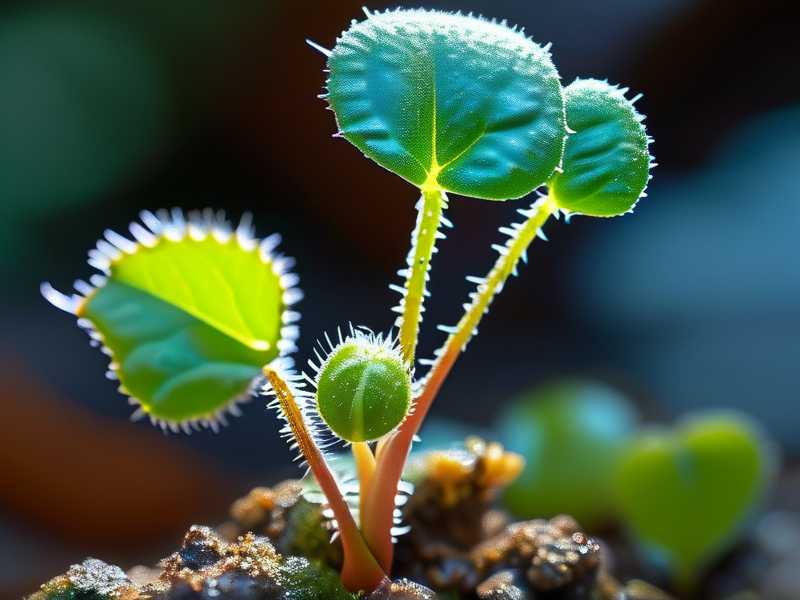
I bought a Drosera capensis from a big box store. It looked perfect. Bright green, dew-covered leaves. I put it on my south-facing sill and walked away. Three days later, the whole plant was bent at a 45-degree angle toward the glass. I thought it was normal. I kept watering the soil with tap water. Within two weeks, the leaves turned black at the base. The dew vanished. The plant collapsed entirely.
What went wrong? I gave it too much direct sun, which scorched the leaves. I watered it with hard tap water, which killed the roots. And I never rotated the pot. So the stem grew one-sided and rotted. The worst part? I didn’t even know sundews needed distilled water. I was using the kitchen sink like a fool.
The 3 Deadly Mistakes That Make Sundews Lean and Die
Mistake #1: Overwatering the Soil
90% of indoor plants die from overwatering, and sundews are no exception. But here’s the twist. Sundews love wet soil. They’re bog plants. The problem is how you water. If you pour water into the crown of the plant, you invite fungal rot. If you let the pot sit in a saucer of water 24/7, the roots suffocate. The plant starts leaning because the root system is dying on one side.
The correct method is the tray method. Fill a shallow saucer with 1 to 2 centimeters of distilled or rainwater. Let the pot sit in it for 30 minutes. Then dump the excess. Do this every other day. The roots pull water from the bottom, and the top stays dry. That prevents rot and keeps the base stable. If the soil feels like a wet sponge, you’re overwatering. If it feels barely damp, you’re on track.
Mistake #2: Wrong Light Angle
I used to place my sundew right against the glass. In summer, that’s a death sentence. The glass magnifies heat and burns the leaves. In winter, the light is too weak, so the plant stretches toward the window, leaning hard. The fix is distance plus rotation. Place the pot 20 to 30 centimeters away from the window. Use a sheer curtain if the sun is intense. Then rotate the pot 90 degrees every morning.
I tried this for two weeks with a new Drosera intermedia. The lean stopped. The new leaves came in straight and compact. The dew glistened on all sides. The plant looked like it was basking in a perfect grow light setup. But I didn’t even have grow lights. Just a decent east-facing window and a consistent rotation habit. Simple. Annoying at first. But it works.
Mistake #3: Using the Wrong Pot
I planted my first sundew in a tall ceramic pot. Big mistake. Tall pots dry out unevenly. The top layer gets bone dry while the bottom stays soggy. That forces the roots to grow downward, away from the light, pulling the stem crooked. Also, ceramic pots wick moisture away from the soil, making the plant stress even more.
Use a wide, shallow plastic pot instead. Plastic retains moisture better than terracotta. Shallow pots mimic the bog environment where sundews naturally grow. The roots spread horizontally, keeping the plant anchored and upright. I switched to a 4-inch plastic bonsai pot with drainage holes. Within two weeks, the plant was visibly more stable. No more tipping over.
Step-by-Step: How I Fixed My Crooked Sundew in 14 Days
I’m going to give you my exact routine. It assumes you have a decent window or grow light. If your plant is already badly bent, don’t panic. Sundews can recover. They’re resilient despite looking delicate.
Week 1: Stabilize the Environment
Day 1. I removed my sundew from the south window and placed it on a shelf two feet away from an east-facing window. This gave it bright indirect light for about 6 hours each morning. I also cut off all the bent leaves near the base using sterilized scissors. I know. It sounds harsh. But those bent leaves were blocking new growth. Removing them forced the plant to redirect energy.
Day 2. I repotted the sundew into a shallow plastic pot. I used a mix of 50% peat moss and 50% perlite. I moistened it with distilled water before planting. I made sure the crown of the plant sat slightly above the soil line. Then I placed it on a tray with 1 centimeter of distilled water. I let it soak for 30 minutes, then removed the tray.
Day 3 to 7. Every morning, I rotated the pot 90 degrees. I also checked the dew. If the dew disappeared on one side, I knew the light was too strong there. I moved the pot closer or farther as needed. I didn’t water from the top at all. The tray method kept the soil evenly moist. By day 5, I noticed the center of the rosette starting to produce new leaves. They were smaller but perfectly straight.
Week 2: Fine-Tune the Light and Watering
Day 8. I noticed the new leaves were still leaning slightly to the left. That meant the light was still uneven. I shifted the pot an extra few inches to the right, so the light hit the plant more evenly from above. I also added a small fan set on low, pointed away from the plant. This improved air circulation, which prevented fungus and kept the dew sticky.
Day 9 to 12. I kept rotating every morning. I also started misting the leaves lightly with distilled water every evening. This raised the humidity around the plant, which sundews absolutely love. The misting also washed away any dust that was blocking light absorption. By day 10, the new leaves were completely upright. No leaning at all.
Day 13. I noticed the old stem base was still bent, but the new growth was growing straight. I didn’t cut the old stem yet. Leaving it gave the plant structure while the new leaves established. Instead, I gently tied the bent stem to a small bamboo skewer with a loose twist tie. This supported the weak part while it healed.
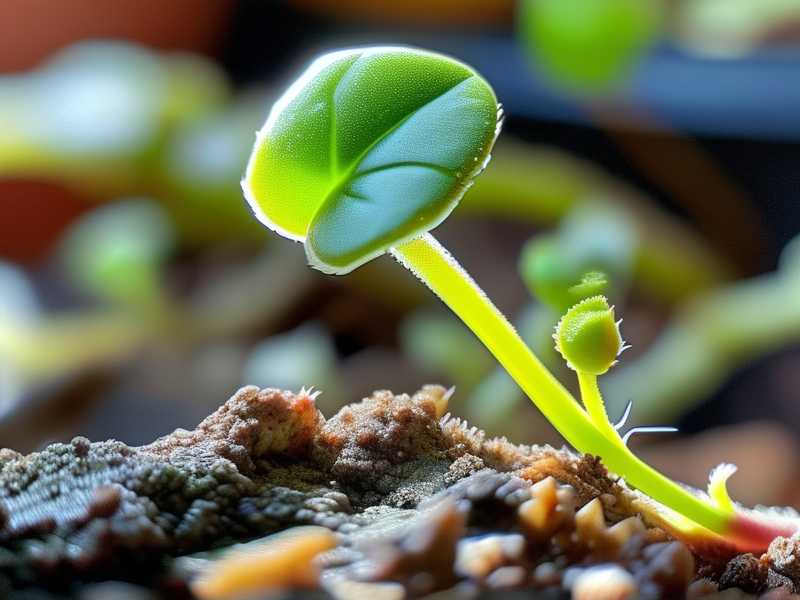
Day 14. The sundew looked like a different plant. The new leaves held their dew from morning to night. The colors were deeper, more intense. The plant was standing perfectly straight, about 6 inches tall. I removed the skewer, and the stem stayed upright on its own. I’ve been maintaining this routine for over a month now, and the plant has doubled in size. No lean, no rot, just plenty of gnats getting stuck.
What the Experts Say About Sundew Care
I’m not the only one who swears by this approach. The RHS highlights that carnivorous plants like sundews are adapted to nutrient-poor, waterlogged soils. That means you should avoid fertilizers and hard water at all costs. Their official guide stresses that tap water contains minerals that burn the roots. That’s exactly what caused my first plant to keel over.
The AHS also notes that sundews require bright light but struggle with intense afternoon sun in summer. Their recommendation is morning sun only, with bright indirect light for the rest of the day. This perfectly matches what I observed. My east-facing window gives that exact condition. When I tried a south window, the plant scorched in three days.
Long-Term Care to Prevent Crooked Growth
Once your sundew is straight, you need to maintain the routine. Here’s what I do now without thinking.
- Rotate every single day. Set a phone alarm. It takes 10 seconds. You’ll forget sometimes. That’s fine. Just keep the habit most days.
- Water only from the tray. I use distilled water exclusively. Rainwater works too if you can collect it. Never use tap water. Ever.
- Check light intensity weekly. As seasons change, the sun angle shifts. In winter, I move the pot closer to the window. In summer, I pull it back 6 inches.
- Pinch off weak leaves. If you see a leaf bending awkwardly, cut it at the base. The plant will replace it quickly.
- Avoid repotting unless necessary. Sundews hate root disturbance. I only repot every two years when the soil degrades.
My Favorite Grow Light Setup for Crooked Sundews
If you live in a dark apartment, no window will save you. I struggled with this during my first winter. My sundew leaned toward a weak north window for weeks until I bought a cheap LED grow light. The fix was immediate.
I hung a 20-watt full-spectrum LED bar about 12 inches above the plant. I set it on a timer for 12 hours a day. Within a week, the lean corrected itself. The plant grew compact, colorful, and completely upright. The grow light also made the dew more abundant, which was a nice bonus.
A Personal Note on Patience
I know you want the sundew to look perfect today. It won’t. It took my plant two weeks to show real improvement. The old bent leaves stayed bent forever. I had to wait for new leaves to replace them. That’s the hard truth. But if you start the rotation and watering routine now, your plant will be visibly straighter within 14 days. I’ve done this with Drosera capensis, Drosera spatulata, and even a temperamental Drosera binata. The method works across species.
Common Beginner Questions About Crooked Sundews
Will the bent stem ever become straight again?
No. The existing bend stays forever. But new growth from the center will be straight. Over time, the bent leaves get shaded out and you can cut them off. The plant will look like a new individual after 4 to 6 weeks.
How much water should I give a sundew in a pot?
The soil should feel like a wrung-out sponge. Not dripping wet. Not bone dry. Use the tray method every other day. Let the pot soak for 30 minutes, then dump the tray. If the soil still looks wet after 48 hours, you’re using too much water or a pot without drainage.
Can I use ordinary potting soil for a sundew?
Absolutely not. Regular soil contains fertilizers and salts that will kill the plant in days. Use peat moss mixed with perlite or silica sand. That’s the standard recipe. I’ve also used sphagnum moss alone, and that worked fine for my Drosera capensis.
The Final Takeaway
Your sundew isn’t broken. It’s just growing the only way it knows how. Light from one side means growth on that side. You just need to trick the plant into thinking the light is everywhere. Rotate the pot. Adjust the water. Use the right pot. That’s the whole game. I’ve been there, staring at a crooked plant and wondering if I should throw it out. I didn’t, and you shouldn’t either. Give it two weeks of consistent care, and you’ll see a straight, healthy sundew that actually looks like the photos. Just stick with the routine. Your plant will thank you.