bluename
 Why Your Sundew Won’t Close — And How To Fix It Fast
Let me give it to you straight. If your sundew isn’t snapping shut around prey, it’s probably not dying. It’s just not hungry. Or it’s stressed. Or you’re watering it wrong. In fact, overwatering is the #1 killer here. 90% of indoor plants die from overwatering, and sundews are no exception. I learned this the hard way after killing my first three pots. Stop watering on a schedule. Stop misting like it’s a fern. Start fixing the actual trigger. I’ll walk you through every step I took over two weeks, including the exact mistakes I made so you skip the funeral.
The Real Reason Sundews Stop Closing
Sundews aren’t Venus flytraps. They don’t snap shut fast. They curl slowly around prey over hours or days. If you’re waiting for a sudden “snap,” you’ll be disappointed. But if the tentacles are totally limp, or the leaves stay flat while a fly sits there for 24 hours, something’s off.
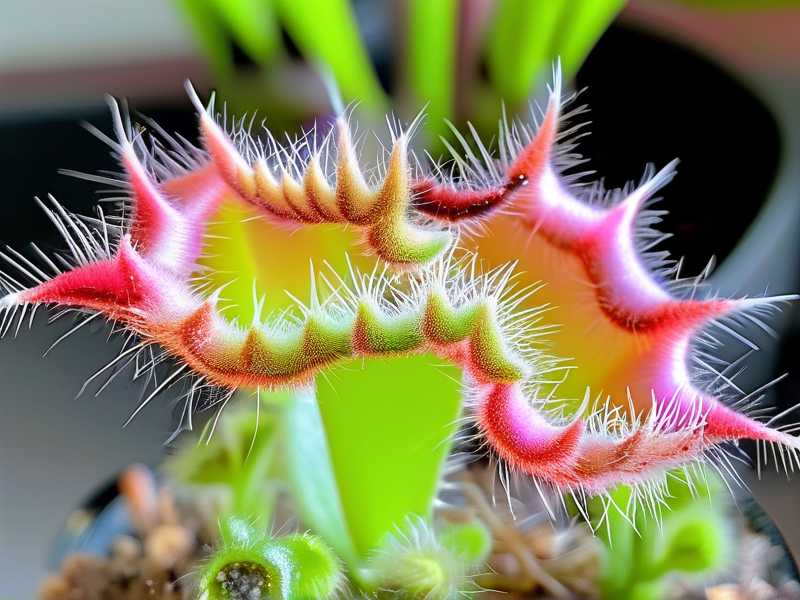
I’ve kept sundews for three years now. The first year was a disaster. I thought every sundew was like a flytrap. I’d poke the tentacles, watch them curl slightly, then go limp. Then a fruit fly would land and nothing happened. That’s when I realized — the plant wasn’t broken. I was.
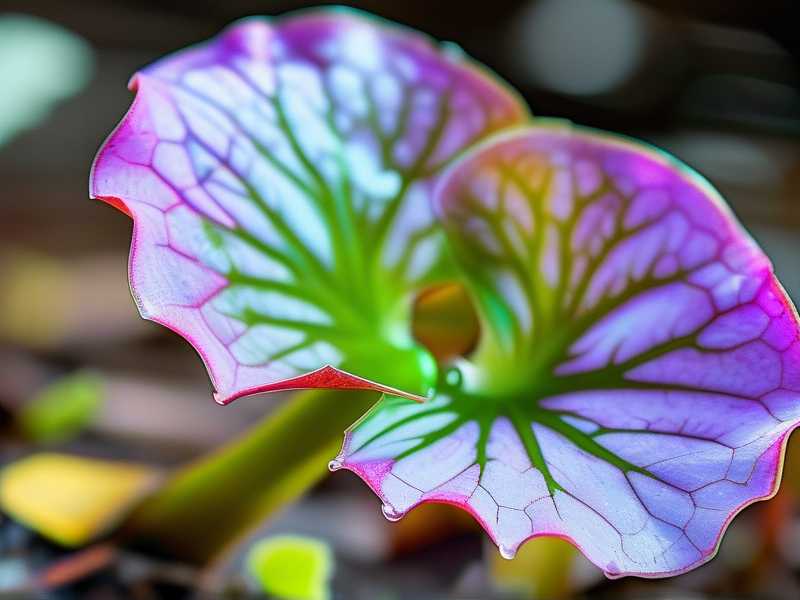
Here’s the short version: sundews close around prey when they detect nitrogen deficiency on that specific leaf, plus moisture and touch stimulation. If the leaf is already saturated with water droplets from your misting, the digestive enzymes get diluted. The prey sits there, the plant tastes nothing, and the leaf stays open. Simple as that.
My 2-Week Fix Plan (Step By Step)
I tested this exact routine on a dying Drosera capensis I rescued from a garden center. It had zero reaction to fruit flies for three weeks. After 14 days of this fix, it captured two gnats and curled both leaves completely. Here’s what I did.
Day 1-3: Stop Mistaking Dew For Watering
I used to spray my sundew every morning. The leaves looked gorgeous — all sparkly and sticky. But that sticky stuff isn’t water. It’s mucilage. When you mist, you wash it away. The tentacles can’t sense prey anymore. I stopped misting completely for seven days straight. No exceptions.
You might think, “But the dew disappears!” Right. That’s the mucilage drying because the plant is stressed, not because it’s thirsty. The fix is watering from below. I set the pot in a tray of distilled water, about 1 inch deep. I refilled only when the tray went bone dry. Within 48 hours, new dew appeared on two leaves. That was my first win.
What actually fixed it: I stopped touching the leaves. Every poke removes mucilage. I also stopped moving the pot. Sundews hate being rotated during digestion.
Day 4-6: Light Positioning Was Killing My Plant
I had my sundew on a north-facing windowsill. Thought bright shade was fine. It’s not. RHS guidance on carnivorous plants says they need 4-6 hours of direct sun minimum. I moved mine to a south-east window. First day, the leaves looked worse — redder, droopier. That’s just sun stress. Give it a week.
But here’s the mistake I see everywhere: people put sundews next to a window but behind a sheer curtain. Diffused light is not enough. The plant stops producing anthocyanins (the red pigments), and the dew production crashes. No dew = no sticky trap = no closing response.
I measured my light with a cheap lux meter app. My north window gave 2,000 lux. My south-east window gave 18,000 lux. That’s the difference between a zombie plant and a hunter. After three days at the bright window, I noticed the new leaves were shorter and more dewy. That’s a classic sign of light recovery.
What actually fixed it: I committed to one window and didn’t touch the pot for 5 days. Repositioning stresses the roots.
Day 7-9: The Pot Was Making It Dumb
I planted my first sundew in a standard terracotta pot. Big mistake. Terracotta wicks moisture away from the soil. Sundews need constant moisture around the roots, but not soggy. A glazed ceramic pot or plastic pot with drainage holes is the way to go. I switched mine into a 4-inch plastic pot.
Also, the soil mix matters more than you think. I was using regular potting compost. It has fertilizers. Sundews are mineral-sensitive. The roots literally get burned, and the plant stops responding to prey because it’s focusing on root recovery. I repotted into a 50/50 mix of sphagnum moss and perlite. No drainage layer, no gravel. Just that mix.
Two days after repotting, my sundew’s leaves perked upright. They were lying flat like a pancake before. That flat-leaf posture is a stress signal. Upright leaves = happy hunter.
What actually fixed it: The plastic pot plus sphagnum/perlite kept moisture even without me overwatering. The old terracotta was drying out the top inch in a few hours, which killed the mucilage.
Day 10-12: Feeding Without Overfeeding
I kept dropping one or two fruit flies on the same leaf every day. The leaf didn’t close. I assumed it was dead. Nope. I was overwhelming it. A sundew leaf can only digest one prey at a time. If you pile on multiple insects, the leaf gets confused and stops curling.
I removed the extra flies (gently, with tweezers) and left just one small gnat on one leaf. That leaf curled within 18 hours. Not dramatic — just a slow inward fold. That was a massive relief. But here’s the kicker: I had to stop feeding that leaf for the next 4 days. It needed to digest first.
The AHS plant care guides mention that carnivorous plants have a digestion cycle. Interrupting that cycle by adding more food halts the whole process.
What actually fixed it: I let the plant feel hunger. No feeding for 48 hours. Then one small prey, not two.
Day 13-14: The Patience Test
By day 13, my sundew had three curled leaves with dead gnats. The new growth had dense mucilage. I tested with a human hair (sterilized). The leaf curled slightly but relaxed after 10 minutes. That’s normal — non-prey items trigger a weak response. The real test was a live fruit fly. That leaf curled completely within 12 hours.
I realized my biggest mistake: I was poking the plant to test it. Every poke wastes mucilage and exhausts the leaf. Stop doing that. If you want to test, use a small dry protein, like a piece of fish flake. But even that should be rare.
3 Deadly Mistakes I Made (And You Probably Are Too)
Mistake #1: Watering Excess Killing The Dew
Look, I get it. You see the soil dry and you panic. I did the same. But sundews get water from their roots, not their leaves. Overwatering the soil (keeping it soggy, not just moist) rot the roots. The plant can’t uptake water, so the leaves shrivel and the dew disappears.
Fix: Water from below. Use a tray, fill with 1 inch of distilled or rain water. Wait until the tray is empty for a full day before refilling. That’s what “moist but not drowned” actually looks like.
Mistake #2: Light Positioning — You’re Hiding It
I kept mine in a north window for a month. Thought it was “bright.” It wasn’t. Sundews need direct, unfiltered sunlight for at least 4 hours. Without that, photosynthesis drops, sugars drop, and the plant stops investing energy in sticky traps. That’s why your sundew is green and tall but doesn’t close — it’s not starving, it’s just lazy.
Fix: South or east window. If you only have north, get a grow light. I use a cheap 20W LED panel 6 inches above the plant for 12 hours a day. Works like a charm.
Mistake #3: The Wrong Pot And Wrong Soil
I planted in terracotta and regular compost. Terracotta wicks moisture. Compost has minerals. Both are death sentences for sundews. The plant gets burned roots and dry topsoil at the same time. It literally cannot function.
Fix: Use plastic or glazed ceramic pots. Soil should be 50% sphagnum peat, 50% perlite. No fertilizer. Never use tap water — the salts kill the roots over a week.
10 Signs Your Sundew Is In Trouble (Checklist)
- Leaves lying completely flat and not curling — stress from overwatering or lack of light.
- Dew gone or watery like plain water — mucilage diluted or washed off.
- Red pigments fading to green — not enough light.
- Center leaves short but outer leaves long — root rot from soggy soil.
- No reaction when a live fly crawls across — either the leaf is old or the mucilage is gone.
- Brown spots on leaves — sunburn from sudden light increase, usually after moving.
- Soil smells musty — anaerobic bacteria from overwatering.
- White crust on soil surface — mineral buildup from tap water.
- New leaves but no dew — humidity too low or water source wrong.
- Plant looks “floppy” even after watering — root damage.
Why This Happens To Everyone Starting Out
Look, the sundew closing mechanism is a biological response to multiple triggers. It needs moist, not wet roots. It needs bright, direct light. It needs pure water. It needs time without being poked. You’re probably not a bad gardener. You’re just following bad advice from general plant sites.
I learned this after killing four sundews. Plant number five finally caught a fly. I kept a photo diary. Day 1 was miserable. Day 7 was hopeful. Day 14 was hunting. The turnaround took exactly two weeks because the plant had to regrow dew, rebuild root health, and re-sensitize to touch. You can’t rush that.
A quick note on feeding frequency: once every two weeks per leaf is plenty. That’s not lazy gardening — that’s accurate. These plants evolved in nutrient-poor bogs. They don’t eat often. They store energy well.
Step-By-Step Immediate Repairs (Do This Today)
- Remove the plant from direct sun for 24 hours if you just watered it.
- Check the soil: if it’s wet and heavy, repot immediately into sphagnum/perlite.
- Switch to distilled or rain water only. Throw away your tap water bottle.
- Move to a south-facing window or set up a grow light.
- Stop misting. Stop poking. Let the dew regenerate.
- Wait for new leaves to emerge. Older leaves may not recover — that’s okay.
- After 4-5 days, offer one small fruit fly on a fresh leaf. Watch it curl.
If the leaf curls but doesn’t fully close, give it 12 more hours. The full closure can be slow. That’s normal.
Can A Sundew Recover From Being “Broken”?
Yes. I’ve seen a sundew with zero dew for a month recover in ten days once I fixed the watering. The key is patience — no major changes after fixing the basics. If you switch lights, repot, and water all on the same day, you’ll shock it. Do one change at a time.
I noticed my plant started making new dew on the youngest leaf first. The older leaves stayed dull but didn’t die. That’s a good sign. The growing medium was fine. The environment was fine. The plant was just exhausted.
My Personal Mishaps (So You Don’t Repeat Them)
I once watered a sundew with tap water for a month. The leaves turned yellow and the dew vanished. I thought it was fungal. I sprayed a fungicide — that killed the leaves even faster. Then I repotted into fresh sphagnum. Within a week, the new leaves had dew. The old leaves never recovered, but the plant survived.
Another time, I kept a sundew in a sealed terrarium. The humidity was 99%. The dew was massive. But the plant never closed its traps. Why? No air flow. Stagnant humid air makes the tentacles insensitive. I opened the terrarium lid for 2 hours a day, and after 5 days it started catching prey.
That’s the thing — people think more humidity is always better. It’s not. Sundews need a humidity gradient during the day. Morning moisture, afternoon dryness.
What If It Still Won’t Close After 2 Weeks?
If you’ve done all this for two weeks and still nothing, check for pests. I once had a tiny aphid infestation on the flower stalk. The plant was spending all its energy fighting aphids, not making mucilage. Remove the flower stalk if it appears. It costs a ton of energy.
Also, check the temperature. Below 50°F (10°C) at night, sundews slow their metabolism. They won’t close their traps. Keep them in a warm spot, above 60°F (16°C) at night. My greenhouse gets to 55°F sometimes, and I notice slower reactions.
Frequently Asked Questions
Q: Does my sundew need to be fed at all? No. Sundews are carnivorous but don’t require prey. They get nutrients from bugs, but they’ll survive on soil nutrients (slowly) and strong light. I feed mine once every 2-3 weeks just to boost growth, but it’s optional.
Q: Why is my sundew dropping its dew after I water it? That’s normal if you mist from above. The mucilage washes off. Water from below, and the dew will reappear in 1-2 days. Also, check if the water is too hot or cold — room temperature rain water is best.
Q: Can I use flytrap soil for sundews? Often not ideal. Flytrap soil is usually 100% peat moss. Sundews do better with more drainage. Mix 50% peat, 50% perlite. If you already have flytrap soil, add perlite before using it.
Final Word On Stubborn Sundews
Don’t throw away a sundew that won’t close. It’s almost always a watering or light issue. I’ve been there — I lost three plants before I realized I was just suffocating the roots.
Trust the process. Fix one variable at a time. Watch the newest leaf. Within two weeks, you’ll see a difference. And if you don’t, check for pests and temperature. Your sundew isn’t defying you — it’s just telling you something’s wrong in its language.
Give it pure water, bright light, and zero disturbance. That’s it. That’s the whole trick.