bluename
 How to Prepare Sundew for Repotting Without Stress
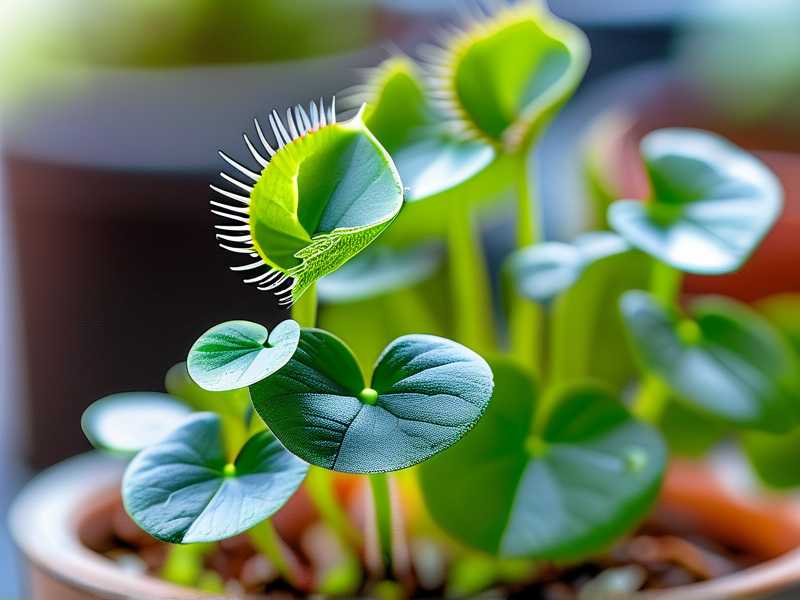
If you want to know how to prepare sundew for repotting without stress, here's the short answer: stop treating it like a regular houseplant. I repot my sundews the moment the soil compresses, the moss climbs the crown, or the pot starts leaching minerals. Do it in early spring, use a mineral-free mix, keep the roots wet the whole time, and never fertilize. That's it. Honestly, that's the whole game.
I've killed my fair share of carnivorous plants. I've watched a healthy Drosera capensis collapse in three days because I used the wrong water. I've pulled a sundew out of its pot only to find the roots had turned to brown mush. After about seven years and more dead plants than I care to admit, I finally figured out a routine that works. This isn't textbook advice. This is what I actually do on my kitchen counter.
Before we go deeper, let me say one thing plainly: 90% of indoor plants die from overwatering. That number applies to sundews too, just in a different way. They love wet feet, but they hate stagnant, mineral-heavy, suffocating soil. The line between "happy and dewy" and "dead in a week" is thinner than most people think.
Why Sundews Hate Repotting (And How to Change That)
Sundews are not like your average pothos. Their roots are thin, fragile, and surprisingly shallow. I once pulled a healthy Drosera spatulata out of its pot and half the root system stayed behind in the soil. That was a bad day.
The RHS notes that carnivorous plants are sensitive to root disturbance and mineral buildup. I learned that the hard way. My first attempt at repotting a sundew happened in midsummer, in full sun, with tap water. The plant was dead within 48 hours. Not dramatic at all. Just... gone.
So the goal isn't just to repot. It's to repot without triggering shock. That means timing, moisture, and the right materials. Nothing more.
When Should You Actually Repot a Sundew?
I used to think "whenever the plant looks crowded" was good enough. Wrong. I now repot only when one of three things happens.
First, the soil has broken down into a dark, sludgy mess. Second, the crown is sitting above the soil line because the moss has pushed it up. Third, I see white mineral crust on the surface. That crust is a death sentence if you ignore it.
Early spring is my window. The plant is waking up but not yet in full growth mode. I've tried repotting in fall. The plant survived, but it sulked for almost a month. Two weeks of observation after a spring repot showed new dew on fresh leaves by day 10. Same plant in fall? Day 22. That difference matters.
The Three Deadly Mistakes New Growers Make
I've made all three. And I've watched friends make them too. Here's what kills sundews during repotting.
Mistake 1: Overwatering After Repotting
Yes, sundews like boggy conditions. But after repotting, the roots are damaged. They can't drink fast enough. If you flood the pot, the roots rot. I lost a beautiful Drosera aliciae this way. I thought I was being kind. I was drowning it.
The fix? Keep the soil moist, not soaked. I use a spray bottle on the surface for the first week. No tray flooding. None.
Mistake 2: Light Misplacement
I once moved a freshly repotted sundew to my brightest windowsill because I thought it needed energy. Bad idea. The plant had no dew, no working roots, and full sun cooked it. Now I keep repotted sundews in bright, indirect light for 5 to 7 days. Then I slowly move them back to full sun.
Mistake 3: Using the Wrong Pot
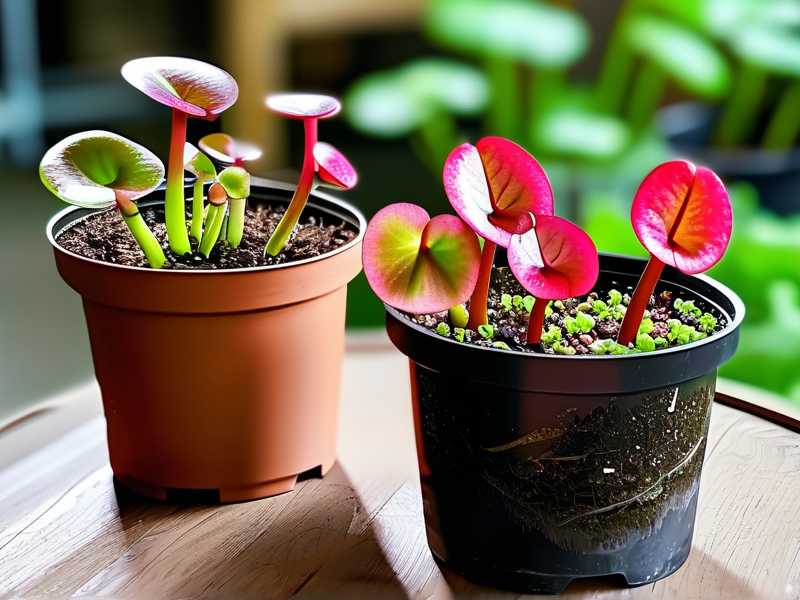
Terracotta? Forget it. It leaches minerals and dries out too fast. I tried it once. The sundew looked fine for four days. Then the leaf tips turned brown and crispy. Now I only use plastic pots or glazed ceramic. White plastic is my favorite because it reflects heat. The AHS also recommends avoiding unglazed clay for acid-loving plants. That advice saved my next batch.
My Actual Step-by-Step Repotting Routine
This is what I do. Not what a book says. What I actually do at my sink.
Step 1: Gather everything before you touch the plant. I fill a bowl with distilled water or rainwater. I mix my soil: 1 part sphagnum peat moss, 1 part perlite, 1 part silica sand. No fertilizer. Ever. I also prepare the new pot, which is only 1 inch wider than the old one. Sundews like tight feet.
Step 2: Soak the new soil. Dry soil pulls moisture away from fragile roots. I soak my mix for 10 minutes, then squeeze out excess water. It should feel like a wrung-out sponge.
Step 3: Unpot gently. I turn the pot sideways and tap the bottom. I never pull the plant by its leaves. If it sticks, I use a butter knife to slide around the inside edge. I've torn roots before. It's not worth the rush.
Step 4: Remove old soil. I use a soft paintbrush to brush away the old mix. I don't wash the roots with a hose. That causes more damage. Just brush gently. If some old soil stays, fine. It won't kill the plant.
Step 5: Place and backfill. I hold the sundew so the crown sits just above the soil line. Then I sprinkle the new mix around the roots. I tap the pot to settle it. I do not press down hard. That compacts the soil and crushes roots.
Step 6: Water from the top. Just once. I use a spray bottle until a few drops come out the bottom. Then I stop. No tray. No flood.
Step 7: Quarantine and observe. I put the pot in a clear plastic bag for 3 days to keep humidity high. I open the bag for 10 minutes each day. After 3 days, I remove the bag. By day 14, I know if it worked. New dew means success. No dew and brown leaves mean I messed up somewhere.
What I Learned After Two Weeks of Observation
I kept notes. I'm that kind of person. After my last repot, here's what happened.
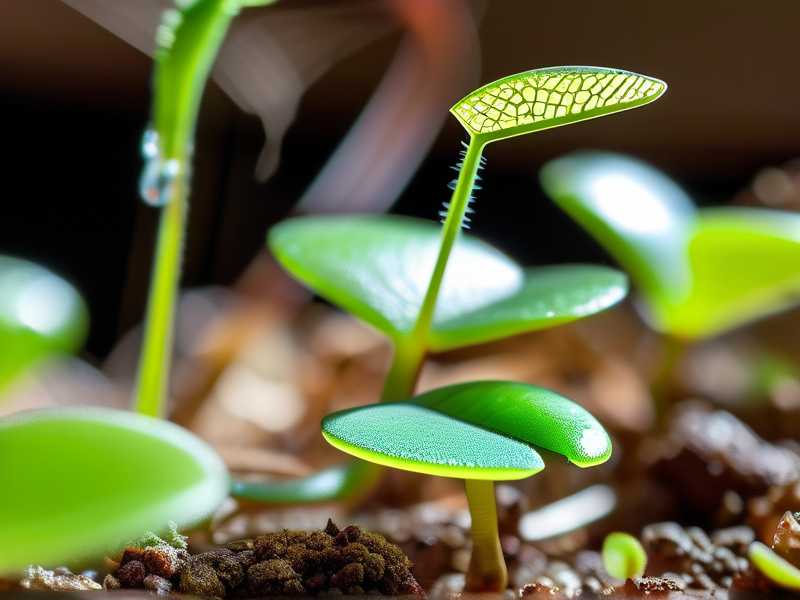
Day 1: Plant looks sad. Leaves folded. No dew. Normal. Day 3: Still no dew. I panicked. I did nothing. Good choice. Day 5: One new leaf uncurled. Tiny. No dew yet. Day 7: Dew appeared on two old leaves. I celebrated quietly. Day 10: New leaf with full dew. Roots are working. Day 14: Plant looks better than before repotting. I exhaled.
The takeaway? Patience beats intervention. Every time I "helped" by adding more water or moving the plant to brighter light, I made it worse. When I left it alone, it recovered.
Soil, Water, and Pots: The Unsexy Details That Matter
Soil: I never use potting mix. It has fertilizer. Fertilizer kills sundews. I mix my own. Peat, perlite, sand. Rinse the sand first. Trust me.
Water: Distilled or rainwater only. Tap water has minerals. Those minerals build up in the soil and burn the roots. I collect rain in a bucket. If I run out, I buy distilled. It's cheap. Cheaper than replacing plants.
Pots: Plastic. White if possible. Drainage holes are non-negotiable. I've used pots without holes. The water sat. The roots rotted. I don't do that anymore.
Long-tail care tip: If you live in a hard water area, your sundew will decline even if you do everything else right. I test my water with a TDS meter. Anything above 50 ppm goes in the trash. Sounds extreme? Maybe. But my plants are alive.
A Few More Things I Wish Someone Had Told Me
Don't repot a flowering sundew. I did that once. The stress made it drop all its flowers. It survived, but I lost a whole season of seeds.
Don't repot in winter. The plant is dormant. It won't recover well. I tried it in December. The plant didn't die, but it looked miserable until April.
Don't reuse old soil. Even if it looks fine, it's depleted and full of mineral salts. I reused soil once. Two weeks later, my sundew had brown, crispy leaves. I repotted again with fresh mix. It recovered, but it set me back a month.
Don't skip the humidity bag. I used to think it was overkill. Then I skipped it once. The plant lost all its dew for 10 days. The bag keeps the leaves from drying out while roots reestablish. It's not optional in my house.
FAQ
Can I repot a sundew while it's flowering? You can, but I wouldn't. The plant is already using energy for flowers. Repotting adds stress. Wait until flowering finishes. I've done it both ways. Waiting is always better.
How often should I repot my sundew? Every 1 to 2 years. Or when the soil breaks down or the plant outgrows the pot. I check mine every spring. If the soil smells sour or looks like mud, I repot. If not, I wait.
What if my sundew loses all its dew after repotting? Don't panic. That's normal. Keep it in bright, indirect light. Keep the soil moist. Don't fertilize. Dew usually returns within 7 to 14 days. If it doesn't, check your water source. That's almost always the problem.
Repotting a sundew isn't hard. It's just different. Once you stop treating it like a fern or a philodendron, everything clicks. Use the right materials. Time it right. Keep your hands off for two weeks. That's the whole secret. I wish I'd known it seven dead plants ago.