bluename
 How to Stop Sundew From Losing Leaves in Winter
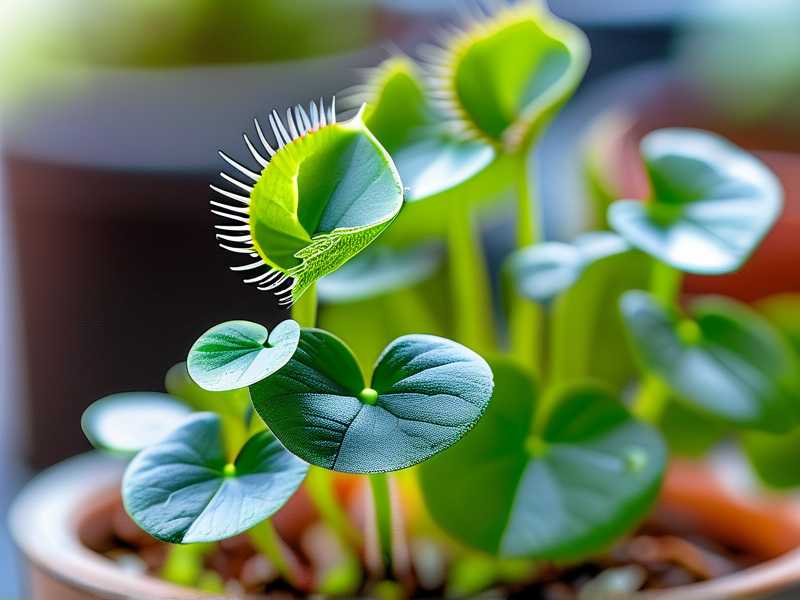
If your sundew is dropping leaves this winter, you are not alone, and the fix is usually simpler than you think. The short answer: stop treating it like a tropical houseplant. Most sundews (Drosera) want cool temperatures, bright light, and consistently damp—not soaking—soil during the cold months. I have killed more than one sundew by loving it too much in winter. Once I made three changes—less water, more light, cooler air—my plants stopped shedding leaves within two weeks. That is exactly what this guide walks you through.
I have been growing carnivorous plants on windowsills and in unheated sunrooms for years, and winter is where most people lose their sundews. Not because the plants are fragile, but because our indoor habits fight against what the plant actually needs. So let's go through it the way I wish someone had explained it to me after I lost my first three sundews in a single January.
Why Sundews Drop Leaves in Winter
First, a bit of plant reality. Sundews are not like a pothos or a philodendron. They come from places like bogs, sandy wetlands, and seasonally cool grasslands. Winter in their natural habitat is not a spa—it is a slowdown. Many species respond to shorter days and cooler temperatures by going semi-dormant.
That means leaf loss can be perfectly normal. I remember panicking the first time my Drosera capensis lost a bunch of older leaves in December. I assumed it was dying. It was not. It was just cycling through a natural rest period.
But there is a difference between normal dieback and a plant in trouble.
Normal winter leaf loss looks like this:
- Older leaves at the base turn brown and dry
- Growth slows noticeably
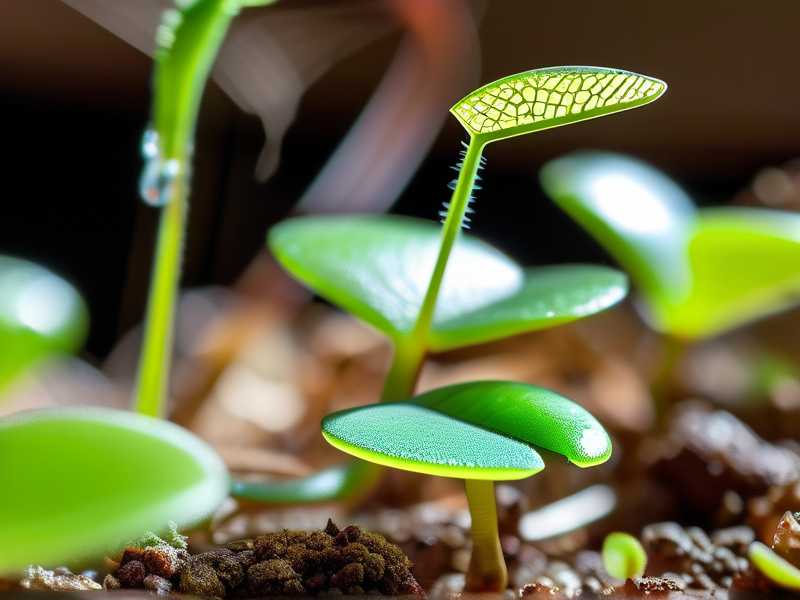
- New leaves are smaller but still sticky and green
- The plant stays anchored and firm in the soil
Problem leaf loss looks like this:
- Leaves turn mushy, black, or translucent
- The whole plant looks limp or collapses
- New growth is pale, deformed, or absent
- There is a sour smell or fuzzy mold near the soil
If you are seeing the second list, keep reading. The fix is usually light, water, and temperature—in that order.
Mistake #1: Overwatering Is the Silent Killer
Here is the line that changed how I grow everything indoors: 90% of indoor plants die from overwatering. I know it sounds dramatic, but it is true, and sundews are not exempt just because they like wet soil.
The problem is that "bog plant" does not mean "swamp plant in a sealed pot on a radiator." That distinction took me two dead sundews to fully understand.
In summer, many sundews can sit in a tray of water and thrive. In winter, that same treatment can rot the roots and crown within days. Cold, wet soil plus low light equals fungal disaster. I have pulled sundews out of pots where the crown was already brown and soft, and it started at the soil line.
What I do now:
- I keep the soil damp like a wrung-out sponge, not dripping
- I let the water tray dry for a day or two between refills
- I use distilled water, rain water, or reverse osmosis water only
- I never water from the top onto the crown
Tap water is a separate issue. Depending on where you live in the US, Canada, the UK, or Australia, tap water can carry minerals that build up in the soil and slowly poison sundews. I learned that the hard way with a Drosera spatulata that looked fine for months and then just faded. If you have hard water, do not use it. Ever.
The Two-Week Test I Ran
After losing that spatulata, I decided to actually track what happened when I changed my winter routine. I took two healthy Drosera capensis plants and treated them differently for two weeks.
Plant A stayed in my usual setup: south-facing window, water tray always full, room around 70°F.
Plant B went to a cooler spot: east-facing window, tray allowed to dry slightly between waterings, room around 60°F at night.
By day five, Plant A had two black leaves near the base. Plant B looked unchanged.
By day ten, Plant A had dropped four leaves and the soil surface had a faint green film. Plant B had pushed out a small new leaf.
By day fourteen, Plant A was clearly stressed, while Plant B had visible new growth and no new leaf loss.
That experiment did not make me a scientist, but it made me a better grower. Cooler, drier, and brighter wins in winter. Every time.
Mistake #2: Light That Is "Good Enough" Is Not Good Enough
This is the mistake I see most often, and I made it for years. People move their sundew to a windowsill, assume it is getting light, and wonder why it etiolates and drops leaves.
Winter light is weak. Even a bright south-facing window in London or Seattle in December delivers a fraction of what a sundew gets outdoors. In Canada and the northern US, it is even worse.
The RHS recommends bright, direct light for most carnivorous plants, and my experience backs that up completely. When sundews do not get enough light, they stretch, pale out, and shed leaves to conserve energy.
What worked for me:
- A simple LED grow light, 12 to 14 hours a day
- Placing the light 6 to 10 inches above the plant
- Keeping the plant close to a window and supplementing with the light
- Rotating the pot every few days so growth stays even
I tried a cheap blurple light early on. It worked, but it was ugly and hot. I switched to a white full-spectrum LED and never looked back. The plants colored up better, and I could actually see what was happening.
One more thing: if your window gets cold drafts at night, move the plant. Cold plus wet is a rot recipe. I learned that when a beautiful Drosera binata turned to mush after a frosty windowpane night.
Mistake #3: The Wrong Pot Can Sabotage Everything
This one surprised me. I used to think a pot was just a pot. Then I realized that the wrong container can hold water against the roots all winter and slowly kill a sundew.
What I avoid now:
- Glazed ceramic pots with no drainage
- Self-watering pots
- Any pot that sits in a decorative cachepot where water collects
What I use instead:
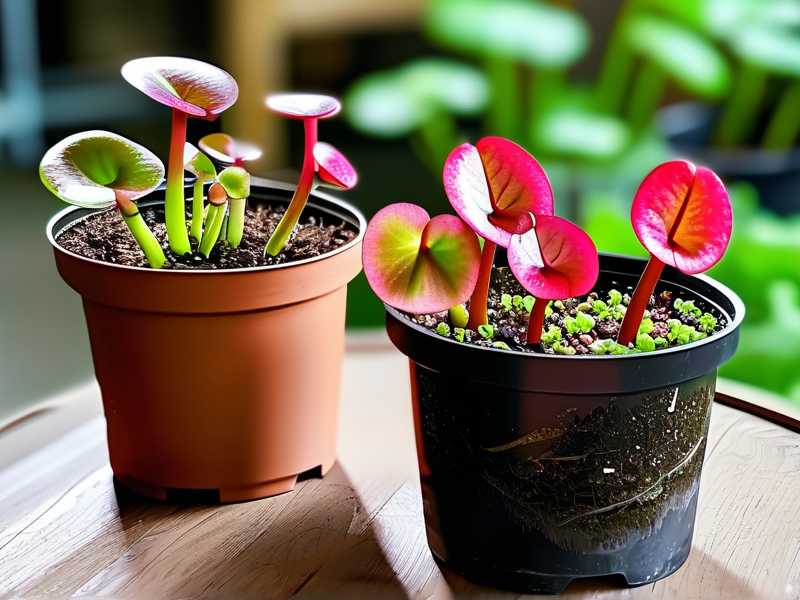
- Plastic pots with drainage holes
- A slightly taller pot for species with long roots
- A tray underneath that I can empty
I also stopped using terracotta for sundews. It wicks moisture away and dries unevenly, which can stress the plant. Plastic gives me more control.
AHS points out that container choice and drainage matter enormously for plant health, and that is especially true in winter when evaporation slows down. If water cannot leave the pot, the roots sit in it. Simple as that.
The Soil and Water Details That Matter
Let's talk about the stuff most guides skim over.
Soil: I use a mix of sphagnum peat moss and perlite, roughly 2:1. No fertilizer. Ever. Fertilizer burns sundews fast. I made that mistake once with a tiny Drosera, and it was dead within a week.
Water: Distilled, rain, or RO only. I collect rain water in a clean bucket and store it. In winter, I bring it indoors so it is not freezing when I use it.
Humidity: This is where indoor winter gets tricky. Heating dries the air out. I do not chase high humidity with a humidifier anymore because it caused more mold problems than it solved. Instead, I keep the soil damp and let the plant adapt. If the tips dry out, I mist lightly in the morning, never at night.
Temperature: Most common sundews handle 55°F to 65°F at night beautifully in winter. Some, like Drosera filiformis, actually need that cool period to stay healthy. I keep my winter growers in an unheated room that stays around 58°F at night and 65°F during the day.
What Normal Dormancy Looks Like
I want to be clear about this because it saved me a lot of worry.
Some sundews die back to the soil in winter. Drosera filiformis does this. The leaves vanish, and you are left with what looks like an empty pot. That is normal. Do not throw it out. Keep the soil barely damp and wait. In spring, new growth emerges.
Other sundews, like Drosera capensis and Drosera spatulata, usually stay green but grow slower. They may lose older leaves. That is fine too.
The key is to know what species you have. I keep a small label in every pot. It sounds boring, but it has saved me from tossing plants that were simply dormant.
My Winter Sundew Routine, Step by Step
Here is exactly what I do, in order, from October through March.
Step 1: Move the plant to its winter spot. Cooler room, bright window, grow light ready.
Step 2: Cut back on water. Keep soil damp. Let the tray dry between refills.
Step 3: Set the light timer. 12 to 14 hours. No more, no less.
Step 4: Stop feeding. I do not feed sundews in winter. They catch fewer bugs indoors anyway, and digestion is slow in cool temps.
Step 5: Remove dead leaves gently. I use clean scissors and snip brown leaves at the base. This improves airflow and reduces mold.
Step 6: Check weekly. I look for mold, pests, and new growth. Five minutes a week is enough.
Step 7: Be patient. Do not repot in winter. Do not fertilize. Do not panic.
Frequently Asked Questions
Will my sundew die if it loses all its leaves in winter? Not necessarily. If the crown and roots are firm and the soil is not rotting, the plant may just be dormant. Keep it cool, damp, and bright, and watch for new growth in spring. If the crown is mushy and smells bad, that is rot, and the plant is likely gone.
Should I use a humidifier for my sundew in winter? I do not. It caused mold in my setup. Damp soil and good airflow work better for me. If your indoor air is extremely dry, a small humidity tray nearby can help, but do not let the pot sit in standing water.
How do I know if my sundew is getting enough light in winter? Look at the new leaves. If they are green, sticky, and compact, you are fine. If they are pale, stretched, and small, add more light. A simple LED grow light fixes this for most people.
A Final Word From Someone Who Killed a Few Along the Way
Sundews are forgiving once you understand what winter means to them. Less water, more light, cooler air, and the right pot. That is the whole game.
I wish I had known that before I lost my first three. But I know it now, and my plants are better for it. If you are seeing leaf loss right now, do not panic. Make one change at a time. Give it two weeks. You will likely see the difference, just like I did.