bluename
 How to Choose a Decorative Water Tray for Sundew: A Practical Guide From Someone Who Killed Three of Them First
If you want the short answer, here it is: pick a tray that is at least 1 to 2 inches deep, wide enough to hold every pot without crowding, and made from glazed ceramic, glass, or heavy plastic that will not leach minerals into the water. That is it. That is the whole game. I spent two years and killed three sundews before I figured this out, and once I switched to a proper decorative water tray for sundew, my plants stopped dying and started looking like the sticky little jewels you see on Reddit.
I am not a botanist. I am a hobbyist who has kept sundews (Drosera) on windowsills and under grow lights in a cramped apartment for about six years now. I have tried terra cotta saucers, cheap plastic takeout containers, fancy Japanese ceramic trays, and a $4 glass baking dish from a thrift store. Some worked. Most did not. This guide is everything I wish someone had told me before I wasted money and lost plants.
Why Sundews Are Different From Your Average Houseplant
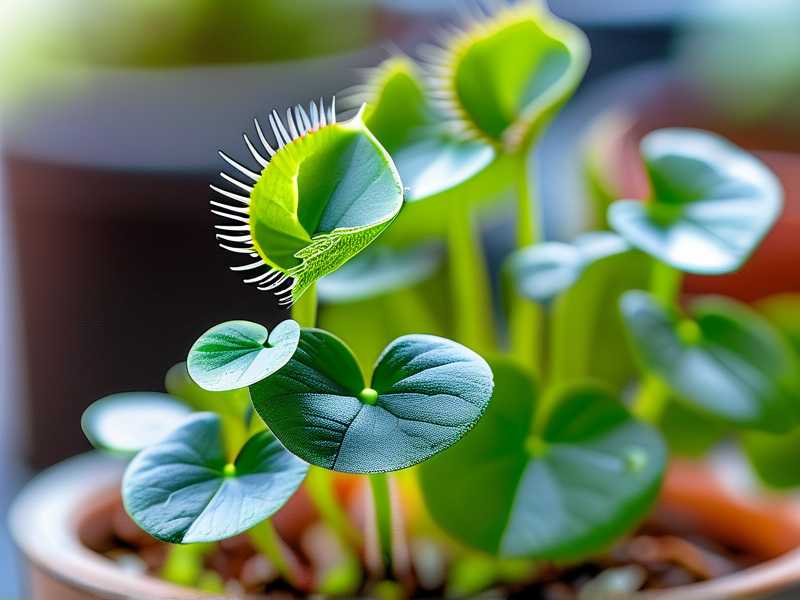
Sundews are carnivorous. They do not want the same care as a pothos or a snake plant. They want constant moisture, low-mineral water, and bright light. That combination makes the tray under the pot genuinely important, not just decorative.
Most houseplant guides tell you to let the soil dry out between waterings. That advice will kill a sundew fast. These plants evolved in bogs and fens where the ground stays wet year-round. If you let a sundew dry out even once, the leaves crisp up and the plant goes dormant or dies. I learned this the hard way with a Drosera capensis that I thought was "overwatered." It was actually underwatered, and I misread the signs.
Here is a fact that surprised me when I first read it: 90% of indoor plants die from overwatering. But sundews are in that weird 10% category where the opposite is often true. They want their feet wet. The trick is giving them wet feet without drowning the roots in stagnant, mineral-heavy water.
The Real Function of a Decorative Water Tray
A water tray does three things for a sundew.
First, it provides consistent moisture through capillary action. The pot sits in a shallow pool, and water wicks up through the soil. This mimics the bog environment the plant evolved in.
Second, it buffers against your forgetfulness. If you go away for a weekend, the tray keeps the soil moist. I once left for four days and came back to a happy Drosera binata because the tray held enough water.
Third, it looks good. This matters more than people admit. A sundew on a windowsill with a cracked plastic saucer underneath looks sad. A sundew in a nice glazed tray looks intentional. You will take better care of a plant that looks good in your space.
Material Matters More Than You Think
I have tried four materials. Here is my honest ranking.
Glazed ceramic: Best overall. It is heavy, so it does not tip over. It does not leach minerals. It comes in colors that actually look nice on a shelf. The downside is cost and weight if you need a large tray.
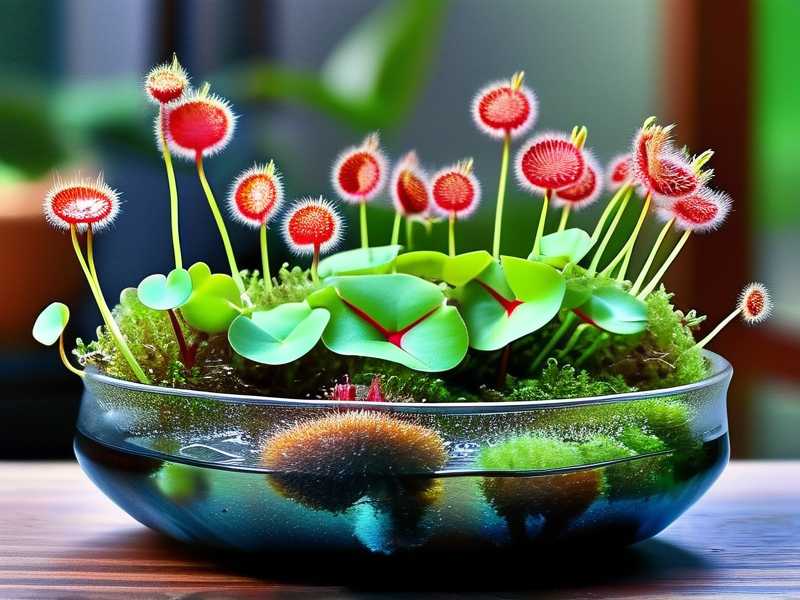
Glass: My personal favorite for small collections. A clear glass baking dish or a shallow glass bowl lets you see the water level without lifting the pot. It is easy to clean. It does not react with water. The only real issue is breakage if you drop it.
Heavy plastic: Fine for utility, not great for decoration. I use a black plastic tray for my propagation setup, but I would not put it on my living room shelf. Some cheap plastics can leach chemicals over time, so stick with food-grade or nursery-grade plastic if you go this route.
Unglazed terra cotta: Avoid this for sundews. Terra cotta is porous and it leaches minerals into the water. Sundews are sensitive to dissolved solids. I tried a terra cotta saucer early on and watched my Drosera spatulata decline over two weeks. The leaves lost their dew and turned brown at the tips. I switched to glass and the plant recovered in about ten days.
Depth: The Number Most People Get Wrong
A tray that is too shallow dries out in hours. A tray that is too deep can keep the soil waterlogged if you are not careful.
For most sundews, 1 to 2 inches of water depth is the sweet spot. I fill my trays to about 1 inch and top them off every two or three days in summer. In winter, when growth slows, I let the water level drop to about half an inch.
If you have a tall pot, you can go a little deeper because the water has to travel farther up the soil column. If you have a shallow pot, keep the water level lower so the soil does not turn into soup.
I tried a 3-inch-deep tray once because I thought more water meant happier plants. The soil stayed saturated, algae grew on the surface, and fungus gnats moved in. It took me a month to fix that mess. Lesson learned.
Size and Shape: Function Over Aesthetics (But Aesthetics Still Count)
The tray should be wide enough that every pot sits fully inside it. If a pot hangs over the edge, water wicks out and makes a mess on your shelf. I learned this after a mysterious wet spot appeared under my Drosera madagascariensis. The pot was too big for the tray.
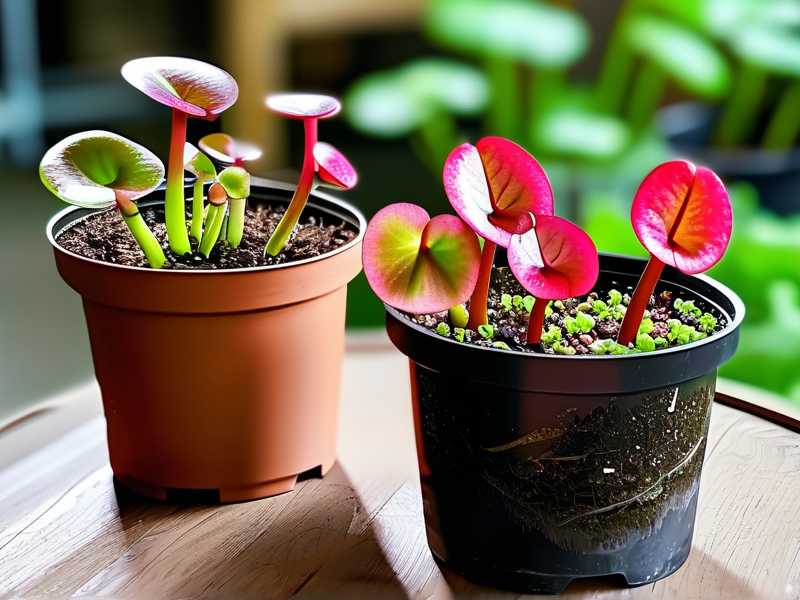
For a single plant, a 4 to 6 inch tray works. For a small collection of three or four sundews, I use a 10 by 6 inch glass baking dish. It fits neatly on a windowsill and holds enough water for a week in mild weather.
Round trays look nicer. Rectangular trays fit more plants. Square trays are a decent compromise. I have all three shapes, and I rotate them depending on what looks good at the moment.
The Three Mistakes That Killed My First Sundews
I want to be specific here because vague advice did not help me.
Mistake One: Overwatering in the wrong way. Yes, sundews want wet soil. But they do not want to be submerged in stale water with no drainage. My first sundew sat in a tall pot with no drainage holes, and I kept the tray full to the brim. The roots rotted. The plant turned black from the base up. I thought I was doing the right thing because "sundews like water." I was wrong.
The fix: use a pot with drainage holes, keep the water level moderate, and empty and refill the tray every week or so to prevent stagnation.
Mistake Two: Light mismatch. This is not about the tray directly, but it affects how much water the plant uses. I put a sundew in a dim corner and kept the tray full. The plant did not evaporate much water, so the soil stayed soggy. It developed mold. I moved it to a bright windowsill with the same tray and the problem disappeared because the plant started drinking faster.
The fix: match your water level to your light level. Bright light means more water use. Low light means less.
Mistake Three: Wrong pot material. I already mentioned terra cotta. But I also tried a metal tray once. It rusted within a month and the rust stained my shelf. Metal is out. Unglazed clay is out. Stick with glazed ceramic, glass, or heavy plastic.
Water Quality: The Hidden Variable
The tray itself does not purify water. Whatever you pour in is what your sundew drinks. If your tap water is hard, the minerals will concentrate in the tray as water evaporates. Over time, that mineral buildup can harm the plant.
I use distilled water or rainwater for all my carnivorous plants. It costs a few dollars a gallon at the grocery store, or you can collect rain in a bucket. If you must use tap water, let it sit overnight to off-gas chlorine, but that will not remove dissolved solids. A TDS meter helps here. Aim for under 50 parts per million.
The RHS recommends rainwater for carnivorous plants for exactly this reason. I trust their guidance because they have been testing this stuff for centuries.
How I Set Up a Tray: A Step-by-Step From My Own Shelf
Here is exactly what I do.
Step one: choose a tray that is 1 to 2 inches deep and wide enough to hold your pots with a little space between them.
Step two: place the pots in the tray. Make sure the drainage holes are not blocked.
Step three: pour water into the tray until it is about 1 inch deep. Use distilled or rainwater.
Step four: check the water level every two days for the first two weeks. Top off as needed.
Step five: once a week, dump the old water and refill. This prevents stagnation and algae.
Step six: every month, scrub the tray with a soft brush and warm water. No soap. Soap residue can harm carnivorous plants.
What I Observed Over Two Weeks
I set up a new glass tray for a Drosera aliciae on a Sunday. Here is what happened.
Day 1: Plant looked normal. Water level at 1 inch.
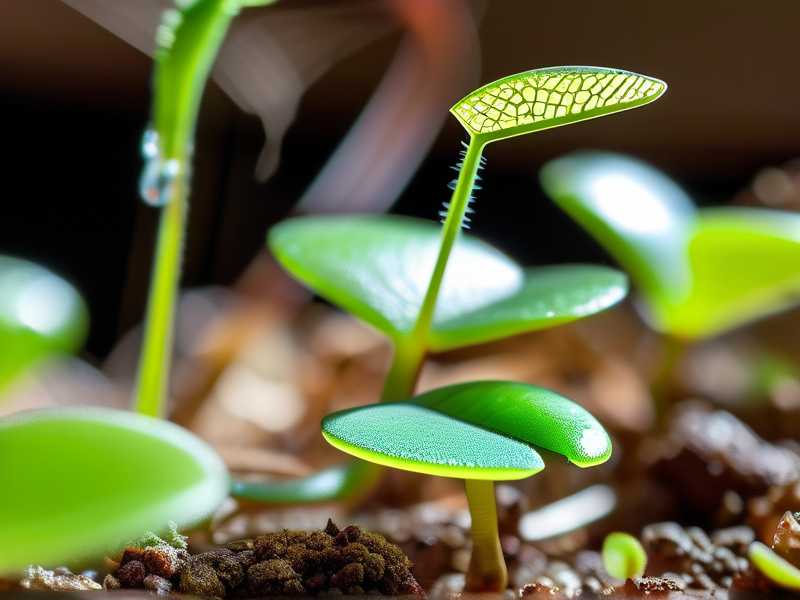
Day 3: New dew droplets appeared on the tentacles. This was a good sign.
Day 5: Water level dropped to about half an inch. I topped it off.
Day 7: I dumped the old water and refilled. No algae yet.
Day 10: The plant produced a new leaf. It was small but green and sticky.
Day 14: The plant looked fuller than when I started. The older leaves were still healthy. No mold, no pests, no rot.
Compare that to my early attempts with a shallow terra cotta saucer. By day 14, the plant was declining. The difference was the tray material and depth.
Decorative Options That Actually Work
You do not have to sacrifice looks for function.
A shallow glazed ramekin from a kitchen store works great for one small sundew. I have a white one that cost me $6.
A glass pie dish is perfect for a cluster of three small pots. It is clear, so you can see the water level. It is also dishwasher safe, which makes cleaning easy.
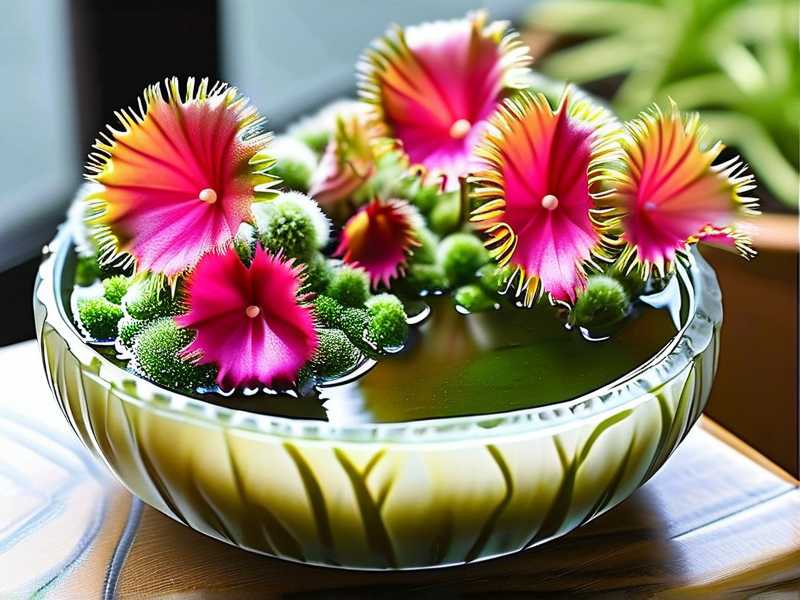
A Japanese-style ceramic suiban (a shallow planting dish) is beautiful if you want something that looks like a display piece. They are pricey, but they last forever.
A black plastic nursery tray is ugly but functional. I use one inside a decorative wooden box so it looks intentional.
What the AHS Says About Container Growing
The AHS notes that container-grown plants depend entirely on the grower for water and nutrients. That is especially true for bog plants like sundews. The tray is not just a saucer. It is the plant's water source. Treat it that way and you will have better results.
Frequently Asked Questions
Can I use a regular plant saucer instead of a decorative water tray?
You can, but most saucers are too shallow. They dry out in a day. A dedicated tray that is 1 to 2 inches deep holds enough water to keep the soil moist for several days. If you already have a deep saucer, try it. If it dries out too fast, upgrade.
How often should I change the water in the tray?
Once a week is my rule. More often if the water looks cloudy or smells off. Stagnant water grows bacteria and algae. Fresh water keeps the roots healthy.
Do I need a tray if I water from the top?
Yes. Top watering alone is inconsistent. The tray provides a steady moisture reserve. I top water only when the soil surface looks dry, which is rare if the tray is working properly. The tray does the heavy lifting.
A Few Last Things I Wish I Had Known
Sundews are not hard once you understand what they want. The tray is the single most important piece of equipment after the pot and the water itself. Get the tray right and everything else gets easier.
Do not overthink the decoration part. A clean glass dish looks better than a fancy tray that leaches minerals. Function first, then style.
Check your water level every couple of days for the first two weeks. After that, you will develop a feel for how fast your specific setup dries out. Every windowsill is different. Every season changes the math.
I killed three sundews before I figured this out. You do not have to. Pick a tray that is deep enough, wide enough, and made from the right material. Fill it with clean water. Watch your plant thrive. It really is that simple once you know what to look for.