bluename
 If your sundew soil smells like rot, the fix is simpler than you think. Stop watering immediately, pull the pot out of any standing water, and let the top layer of soil breathe for 24 to 48 hours. Then flush the soil with clean, low-mineral water and trim away any black, mushy roots or dead leaves. That smell almost always means one thing: the soil is staying too wet for too long, and bacteria are having a party in your pot.
I've killed more sundews than I'd like to admit. My first cape sundew turned into a slimy brown mess because I thought "bog plant" meant "swamp plant." It doesn't. There's a big difference between damp and drowning. Once I figured that out, my plants stopped rotting and started actually growing.
So let's talk about how to fix this, and how to keep it from happening again.
Why Your Sundew Soil Smells Like Rot
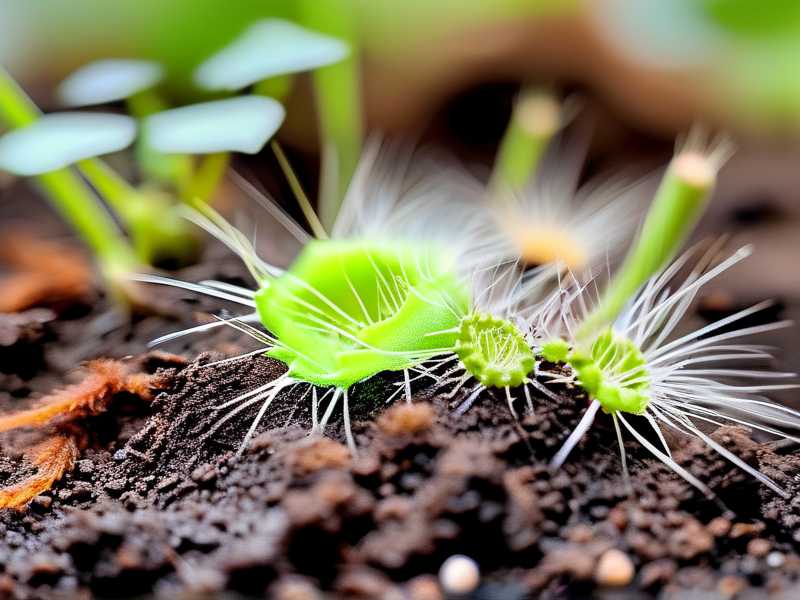
That rotten egg or sewage smell is a sign of anaerobic bacteria breaking down organic matter without oxygen. In plain terms, the soil is waterlogged and suffocating.
Sundews (Drosera) do love moisture. But they don't love stagnant, airless, decaying soil. There's a difference between a healthy bog and a stagnant puddle.
When soil stays saturated for weeks, oxygen can't reach the roots. Bacteria that thrive without oxygen move in. They produce that nasty sulfur smell. Meanwhile, the roots start dying. And dead roots feed more bacteria. It's a cycle that gets worse fast if you don't step in.
The Royal Horticultural Society (RHS) has noted for years that poor drainage and overwatering are among the top killers of container plants. I've seen the same thing in my own collection. The RHS also points out that roots need oxygen just as much as water, which is something a lot of beginners forget.
And here's a number that stuck with me: 90% of indoor plants die from overwatering. Not underwatering. Overwatering. Sundews are not immune to this just because they like wet feet.
The 3 Beginner Mistakes That Cause This
I've made all three of these. Every single one. So don't feel bad if you're doing them too.
Mistake 1: Overwatering (And Not Understanding What "Bog Plant" Means)
This is the big one. New growers hear "sundews grow in bogs" and assume the plant should sit in water 24/7. That's not quite right.
Yes, many sundews appreciate consistent moisture. But "consistently moist" is not the same as "permanently flooded." If the soil is dripping wet all the time, with no air pockets, you're asking for rot.
I used to keep my Drosera capensis in a tray with an inch of water at all times. The soil never dried. Within three weeks, the soil smelled like a sewer and the roots were brown mush. I lost that plant.
Now I use the tray method but let the tray dry out for a day or two between refills. The soil stays damp, not soaked.
Quick fix: Remove the pot from the water tray. Let it drain completely. Don't water again until the top of the soil feels barely moist, not soggy.
Mistake 2: Wrong Light (Which Makes Wet Soil Even Worse)
Here's something people don't talk about enough: light and soil moisture are connected. If your sundew isn't getting enough light, it uses less water. The soil stays wet longer. Rot sets in faster.
Sundews need bright, direct light. Most species want at least 6 hours of direct sun or a strong grow light. If yours is sitting in a dim corner, the soil will stay saturated for days.
I tried growing a Drosera binata on a north-facing windowsill once. It got maybe two hours of weak light. The soil never dried out. The plant turned brown from the base up within a month.
Quick fix: Move your sundew to a brighter spot. A south-facing window in the US or a sunny windowsill in the UK works well. If natural light is limited, use a full-spectrum LED grow light for 12 to 14 hours a day.
Mistake 3: Using the Wrong Pot or Soil Mix
This one took me way too long to figure out.
I used to plant my sundews in regular potting soil. Big mistake. Potting soil is too rich, too dense, and breaks down too fast. It holds water like a sponge and turns into sludge.
Sundews need a lean, airy mix. The standard recipe is equal parts sphagnum peat moss and perlite, or long-fiber sphagnum moss. No fertilizer. No compost. No miracle grow.
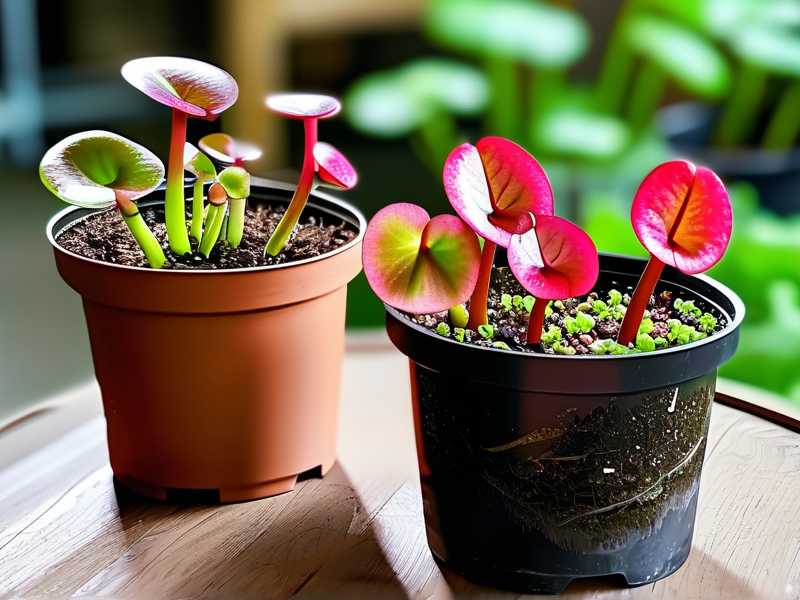
The pot matters too. Glazed ceramic pots with one tiny drainage hole? Terrible. Plastic pots with plenty of drainage? Much better. I've had good luck with tall plastic pots because they let water drain through and give roots more vertical space.
Quick fix: Repot into a 50/50 mix of peat moss and perlite. Use a plastic pot with drainage holes. If you're using long-fiber sphagnum, make sure it's not packed too tight.
What I Did to Fix My Rotting Sundew Soil (Step by Step)
This is the exact process I used on a Drosera spatulata that had soil smelling like rotten eggs. I documented everything for two weeks.
Step 1: Emergency Triage (Day 1)
First thing I did was smell the soil. If it smells like rot, you know it's bad. Then I checked the roots.
I gently slid the plant out of its pot. The roots were dark brown and mushy. Some were black. Healthy sundew roots should be white or light tan and firm.
I used sterilized scissors to cut away all the dead roots. I trimmed until I hit healthy tissue. Then I rinsed the remaining roots under distilled water.
Step 2: Fresh Soil and a Clean Pot (Day 1)
I mixed fresh soil: 50% peat moss, 50% perlite. No fertilizer. I soaked the mix in distilled water first, then squeezed out the excess so it was damp but not dripping.
I used a clean plastic pot with drainage holes. I repotted the sundew, making sure the crown (where the leaves meet the roots) was sitting just above the soil line, not buried.
Step 3: The Waiting Game (Days 2–7)
I did not water for the first 48 hours. I kept the plant in bright, indirect light. No tray of water. Just damp soil.
On day 3, I bottom-watered by placing the pot in a shallow dish of distilled water for 10 minutes, then removed it. I repeated this every other day.
By day 5, the soil smelled fresh. No rot. The plant looked stressed but alive.
By day 7, I saw a tiny new leaf unfurling. That was a good sign.
Step 4: Two-Week Observation (Days 8–14)
Days 8 to 10: I kept up the watering routine. The soil stayed damp, never soaked. The new leaf grew.
Day 11: I noticed a second new leaf starting. The old dead leaves were drying up and I removed them with tweezers.
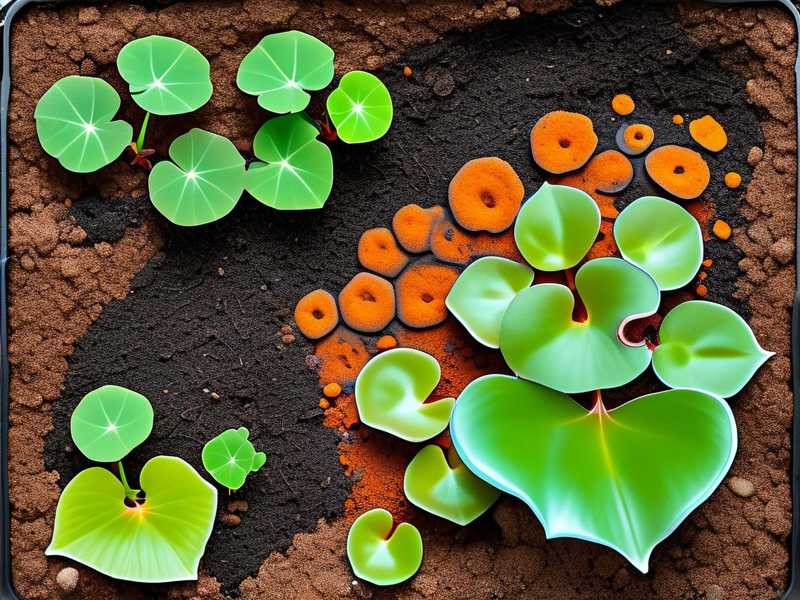
Day 12–13: I moved the plant back to its normal spot with more direct light. The dew droplets started appearing on the new leaves. That's when I knew it was recovering.
Day 14: The soil smelled like fresh peat and perlite. No rot. No mold. The plant had three new leaves emerging. I considered it fixed.
That said, I've also had cases where the rot was too far gone. If the crown is mushy and black, the plant is probably done. Don't beat yourself up. It happens.
How to Prevent Rot From Coming Back
Fixing the problem is one thing. Keeping it fixed is another. Here's what I do now to avoid the rot smell entirely.
Water Smart, Not Often
I use distilled water or rainwater only. Tap water has minerals that build up in the soil and mess with sundews over time. I bottom-water with the tray method, but I let the tray go dry for a day before refilling.
In summer, when the plant is growing fast, I might water every other day. In winter, when growth slows down, I water maybe once a week. The soil should feel like a wrung-out sponge, not a wet mop.
Get the Light Right
I keep my sundews under a 12-hour grow light schedule in winter and near a sunny window in summer. The American Horticultural Society (AHS) recommends matching light to the plant's natural growing conditions, which for most sundews means lots of it. You can read more at the AHS website.
The more light the plant gets, the more water it uses, and the faster the soil dries out. That's a good thing.
Use the Right Soil and Pot
I've settled on a mix of long-fiber sphagnum moss for most of my sundews. It's airy, holds moisture without getting compacted, and resists rotting better than peat.
For pots, I use tall plastic pots with drainage holes. I avoid terracotta because it dries out too fast in summer and can leach minerals. I avoid glazed pots because they trap moisture.
Keep Air Moving
Good airflow around the soil surface helps prevent mold and bacteria. I keep a small fan running on low near my indoor setup. It's not blowing directly on the plants, just keeping the air from getting stale.
If you're growing in a terrarium, this is even more important. Terrariums without ventilation are rot factories. I learned that the hard way with a Drosera adelae that turned to mush in a sealed glass jar.
Remove Dead Material
Dead leaves that sit on wet soil are a breeding ground for rot. I check my plants every few days and pull off any brown or black leaves with tweezers. It takes two minutes and saves a lot of headaches.
What About Mold on the Soil Surface?
Sometimes you'll see white fuzzy mold on the soil, not just smell rot. That's usually a sign of poor airflow and too much moisture. The fix is similar: increase airflow, reduce watering, and scrape off the top layer of moldy soil.
I've had good luck sprinkling a thin layer of fresh sphagnum moss on top of the soil after removing mold. It keeps the surface drier and looks better too.
But if the mold keeps coming back, you probably need to repot with fresh soil. Mold spores can linger.
When to Give Up and Start Over
I'll be honest. Sometimes the rot wins. If the crown of the plant is black and mushy, and there are no healthy roots left, it's over. You can try leaf cuttings if there's any healthy leaf left, but often it's easier to start fresh.
I've restarted my collection three times over the years. Each time, I learned something new. The plants I have now are healthier than ever because I stopped making the same mistakes.
Don't be afraid to start over. It's part of the hobby.
FAQ
Can I save a sundew if the soil smells like rot but the leaves still look green?
Yes, sometimes. If the leaves are green and the crown is firm, there's hope. Repot immediately with fresh soil, trim any dead roots, and adjust your watering. I've saved plants in this exact situation. But if the crown is soft and dark, it's usually too late.
How often should I water my sundew to avoid rot?
There's no single answer because it depends on your light, temperature, and humidity. But a good rule is to let the soil surface dry slightly between waterings. For tray watering, let the tray go dry for a day before refilling. In winter, water much less.
Is tap water causing the rot smell?
Tap water doesn't directly cause rot, but the minerals in it can build up in the soil and harm the roots over time. That makes the plant more vulnerable to rot. I always use distilled or rainwater. It's worth the extra effort.
Final Thoughts
Rotting sundew soil is a wake-up call. It means something in your setup is off, usually watering, light, or drainage. The good news is that it's fixable if you catch it early.
I've been there. I've lost plants. I've scrubbed smelly pots and wondered what I was doing wrong. But once you understand that sundews want damp, airy soil, not a swamp, everything gets easier.
Fix the soil, fix the watering, fix the light. Your sundew will thank you with dew-covered leaves and maybe even a flower or two.
And remember: 90% of indoor plants die from overwatering. Don't let your sundew be one of them.