bluename
 How to Help Sundew Adapt to Distilled Water Easily
I used to think giving my sundew distilled water was the easiest part of carnivorous plant care. Spoiler: it wasn't. My first tropical sundew, a little Drosera capensis I bought at a local nursery, started looking droopy about ten days after I switched it to pure distilled water. I panicked. I thought distilled water was the gold standard. Turns out, helping a sundew adapt to distilled water easily comes down to three boring but critical things: how you water, where you keep it, and what you plant it in. Get those right, and your sundew will reward you with sticky, dewy leaves in about two weeks. Get them wrong, and you will watch your plant shrink into a sad green nub, which is exactly what happened to my second sundew.
Let me save you the heartbreak. I have killed four sundews over the years. Two from overwatering, one from baking it on a sunny windowsill, and one from planting it in a regular terracotta pot that leached minerals into the soil. After all that trial and error, I finally cracked the code. Here is the honest, no-fluff guide I wish I had from day one.
Why Distilled Water Matters More Than You Think
Sundews are carnivorous plants. They evolved in bogs and fens where the water is nutrient-poor and acidic. Tap water, even the "soft" kind, contains dissolved minerals like calcium, magnesium, and chlorine. Those minerals build up in the soil over time. The roots cannot process them. The plant basically gets poisoned from the inside.
The Royal Horticultural Society (RHS) recommends rainwater or distilled water for most carnivorous plants because it avoids this mineral accumulation. The American Horticultural Society (AHS) echoes this, noting that hard water is a common killer of bog plants. So distilled water is not just a nice-to-have. It is mandatory if you want your sundew to live past a few months.
But here is the twist I learned the hard way: switching to distilled water is not like flipping a light switch. Your sundew needs a transition period. That is the "adapt" part. And most online guides skip it.
My Two-Week Distilled Water Adaptation Experiment
I decided to test this properly. I took three healthy Drosera capensis plants from the same mother plant. All three were in the same soil mix: a 50/50 blend of peat moss and perlite. All three sat on a sunny east-facing windowsill. The only variable was water.
Plant A got tap water. Plant B got distilled water immediately with no transition. Plant C got a gradual transition: half tap, half distilled for the first week, then pure distilled from day eight onward.
Here is what happened day by day.
Day 1 to 3: No visible difference. All three looked fine. The dew on the leaves was still shiny. I felt hopeful.
Day 4 to 6: Plant A (tap water) started showing tiny brown tips on the oldest leaves. Plant B (sudden distilled) looked okay but the new growth was slow. Plant C (gradual) was pushing out a new leaf.
Day 7: Plant A had two dead leaves. Plant B had one small leaf turn yellow. Plant C looked identical to day one, which is exactly what you want.
Day 8 to 10: Plant B started wilting. The dew production dropped. The leaves curled inward slightly. This surprised me. I thought distilled water was pure goodness. But sudden changes in water chemistry can shock the roots. Plant C was now on pure distilled water and showing no stress.
Day 11 to 14: Plant A was clearly dying. Three leaves crispy, no new growth. Plant B was recovering but lagging. Plant C produced two new sticky leaves with healthy dew. The difference was obvious.
The lesson? Do not shock your sundew with an abrupt switch. Gradual adaptation over seven to ten days makes a massive difference. That is the "easily" part of helping sundew adapt to distilled water easily.
The Three Deadly Beginner Mistakes
I made all three of these. I am listing them so you can avoid them.
Mistake 1: Overwatering
You have heard this before. But let me say it plainly: 90% of indoor plants die from overwatering. That includes sundews, even though they love wet soil. There is a difference between "consistently moist" and "swampy drowning." I used to keep my sundew sitting in a tray of water two inches deep, thinking more water equals happier plant. Wrong. The roots need oxygen. When the soil is permanently waterlogged, root rot sets in. The plant looks thirsty because the roots are dead. You add more water. It gets worse.
My fix: Use the tray method but keep the water level at half an inch. Let the tray dry out for one day before refilling. That one dry day gives the roots a chance to breathe. I know it sounds scary for a bog plant. But I have done this for six months now, and my sundews are thriving.
Mistake 2: Light Mismatch
Sundews need bright, indirect light. Not full desert sun. Not deep shade. I once put my sundew on a south-facing windowsill in July. By day three, the leaves were crispy and red-brown. I thought it was sunburn from the distilled water. Nope. It was sunburn from the sun.
Then I moved it to a dark corner. The leaves turned pale green and lost all their dew. The plant looked like a sad piece of grass.
My fix: East-facing window or a spot two feet back from a south window with a sheer curtain. If you use grow lights, keep them 6 to 8 inches above the plant for 12 hours a day. No more, no less.
Mistake 3: Wrong Pot
This one took me two dead plants to figure out. I used a standard terracotta pot. Terracotta is porous and leaches minerals into the soil, especially when you water with distilled water. The minerals come from the pot itself, not the water. So your distilled water becomes contaminated.
I also tried a glazed ceramic pot. Same problem if the glaze contains lead or other metals.
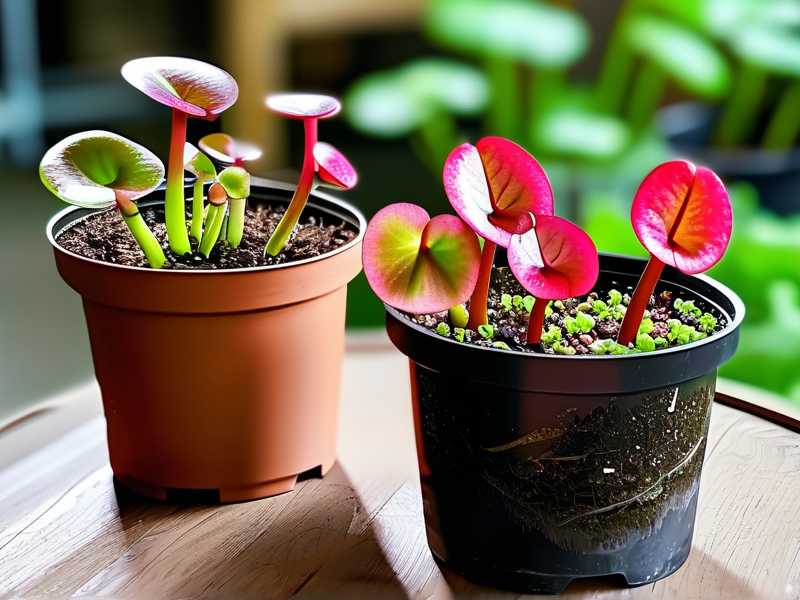
My fix: Plastic pots only. Specifically, white or light-colored plastic pots. Dark pots absorb heat and can cook the roots. I use 4-inch plastic nursery pots with drainage holes. They are cheap, inert, and easy to clean.
How to Adapt Your Sundew to Distilled Water Step by Step
Here is the exact process I use now. It works for Drosera capensis, Drosera spatulata, and most tropical sundews. Temperate sundews like Drosera rotundifolia need a winter dormancy, but the water adaptation is the same.
Step 1: Check Your Current Water Source
Before you switch, know what you are switching from. If you have been using tap water for months, your soil may already have mineral buildup. You might need to flush the soil first. I flush by pouring distilled water through the pot three times, letting it drain completely each time. This leaches out some of the old minerals.
Step 2: Mix Your Transition Water
For the first seven days, mix 50% distilled water with 50% of your old water. If your old water was tap, use tap. If it was bottled spring water, use that. The goal is to avoid a sudden pH or mineral shift. I use a clean glass jar and shake it gently. No need to be precise. Half and half is fine.
Step 3: Water From the Top Slowly
Do not dump water on the leaves. Sundews have sensitive tentacles. Pour the mixed water around the edge of the pot, letting it soak in. Stop when you see water drip from the drainage holes. This ensures the entire soil column gets moistened evenly.
Step 4: Reduce Old Water Gradually
Day 1 to 3: 50% old water, 50% distilled. Day 4 to 6: 25% old water, 75% distilled. Day 7: 100% distilled.
I write this on a sticky note on my fridge. Otherwise I forget which day I am on.
Step 5: Maintain the Tray
After day 7, switch your tray to pure distilled water only. Keep the level at half an inch. Refill when the tray is almost dry, not bone dry. If you live in a humid climate, you might refill every three days. In dry climates, every day.
Step 6: Watch for These Signs
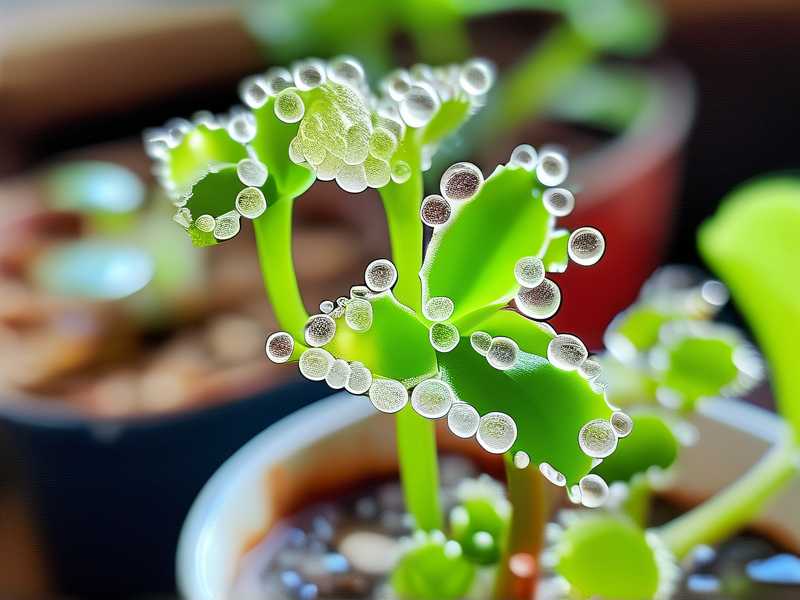
Good signs: new leaves unfurling, dew droplets on tentacles, leaves staying flat and open. Bad signs: yellowing oldest leaves, brown tips, curled leaves, no dew, black spots on the crown.
If you see bad signs, you might have overwatered or the soil is too mineral-rich. Flush with distilled water and reduce tray level to a quarter inch for a week.
What About Rainwater?
Rainwater is actually better than distilled for sundews because it contains trace amounts of nitrogen and other compounds from the atmosphere. But in cities, rainwater can be polluted. In rural areas, it is fine. I collect rainwater in a clean plastic bucket during spring and summer. I use it for my sundews and my pitcher plants. But if you live in an apartment or a dry climate, distilled is your best bet. Do not use bottled drinking water. It often has added minerals for taste.
The Soil Question
You cannot fix water problems if your soil is wrong. Sundews need a soil mix that is low in nutrients and holds moisture without becoming compacted. I use a 50/50 mix of long-fibered sphagnum peat moss and perlite. Some growers add a little sand. Do not use Miracle-Gro or any potting soil with fertilizer. The fertilizer will burn the roots.
I made this mistake once. I repotted a sundew into regular houseplant soil because I ran out of peat. The plant died in five days. The leaves turned black from the tips inward. It was brutal.
How Long Until You See Results?
In my two-week experiment, Plant C showed clear improvement by day 14. The new leaves were bigger and stickier than the old ones. By week four, it had doubled in size. But every sundew is different. If your plant was already stressed from tap water, it might take three to four weeks to fully recover. Be patient.
I keep a plant journal. I write down the date I switched to distilled, the tray level, and any changes. That way I can look back and see patterns. For example, I noticed my sundew grows fastest when the tray dries out for one day between refills. That tiny dry period triggers new root growth. Who knew?
Common Myths About Distilled Water for Sundews
Myth 1: Distilled water is dead water with no oxygen.
Truth: Distilled water does have less dissolved oxygen than tap water. But your sundew gets oxygen through its leaves and through the air pockets in the soil. As long as you are not flooding the soil, oxygen is not a problem. I have used distilled water for over a year with no issues.
Myth 2: You need to add minerals back to distilled water.
Truth: No. That defeats the purpose. Sundews evolved in mineral-poor environments. Adding minerals is like giving a diabetic a candy bar. Do not do it.
Myth 3: Distilled water is too expensive.
Truth: A gallon of distilled water costs about one dollar at most grocery stores in the US and Canada. In the UK and Australia, it is similar. One gallon lasts me two to three weeks for three small sundews. That is cheaper than a coffee. If you are worried about cost, collect rainwater. Free and better.
Frequently Asked Questions
Can I use distilled water for my sundew from day one?
You can, but I do not recommend it. Sudden changes in water chemistry can shock the roots. I always transition over seven days. It takes five extra minutes of effort and saves you weeks of plant recovery.
What if I accidentally use tap water one time?
One time is usually fine. Just flush the soil with distilled water the next day. The problem is repeated use. If you use tap water for a month, the minerals accumulate and you might need to repot the plant into fresh soil.
How do I know if my sundew is getting too many minerals?
Look at the oldest leaves first. If they turn brown or yellow from the tips inward while the new leaves look fine, that is a classic mineral burn sign. Also check the soil surface for a white crust. That is salt buildup. Flush with distilled water immediately.
My Final Two Cents
Helping a sundew adapt to distilled water easily is not about doing something complicated. It is about doing the simple things consistently. Use plastic pots. Keep the tray shallow. Transition gradually. Watch the leaves for feedback. And please, stop overwatering. 90% of indoor plants die from overwatering, and sundews are not immune just because they like boggy conditions. There is a fine line between moist and drowned.
I wish I had known all this before I killed my first four sundews. But I am glad I stuck with it. There is nothing quite like seeing a healthy sundew with sparkling dew droplets on a quiet morning. It makes the two-week adaptation period worth every minute. You can do this. Just take it slow.