bluename
 How to Prevent Sundew Roots From Rotting in Winter
If your sundew looks limp and its roots are turning to brown mush in winter, the fix is almost always the same: cut the water, drop the tray, and keep the soil barely damp instead of soaking. I learned this the hard way after losing three gorgeous Drosera capensis plants in one cold season. The single biggest mistake is treating winter like summer. When light drops and temperatures fall, a sundew's roots slow down and can't process standing water the way they do in July.
So before anything else, here's the short version. Stop the tray method. Water from the top only when the surface feels almost dry. Move the plant to your brightest window. Keep it cool, not warm. That combination prevents root rot in winter for almost every tropical and subtropical sundew people grow indoors.
Why Winter Is So Brutal on Sundew Roots
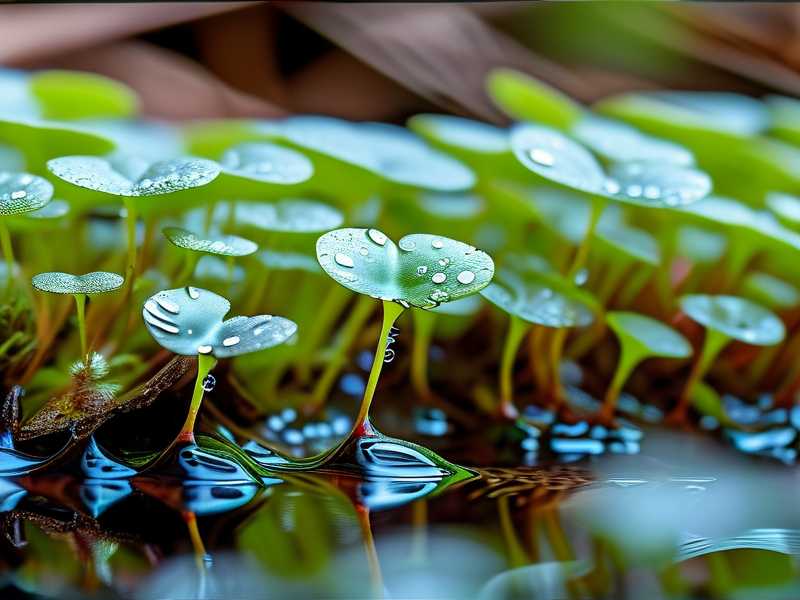
Winter changes everything for a carnivorous plant. Less sunlight means less photosynthesis. Less photosynthesis means slower growth. Slower growth means the roots take up far less water.
But here's the trap. Most of us keep watering on autopilot. We see wet soil and think "good." The plant thinks "I'm drowning."
The RHS has long warned that waterlogged compost is the number one killer of container plants in cool conditions. Carnivorous plants are no exception. Their roots are thin and delicate. They rot fast.
I remember checking my first dead sundew and finding the roots had completely collapsed. The soil smelled sour. That smell is the tell. If your pot smells like a swamp, rot is already happening.
The 3 Deadly Mistakes New Growers Make
Let me be blunt. Almost every winter sundew death comes down to one of three things. I've made all three.
Mistake 1: Overwatering
90% of indoor plants die from overwatering. I mean it. That number isn't a gimmick, it's what I've seen across years of growing and talking to other hobbyists.
With sundews, overwatering in winter looks like this:
- You keep the pot sitting in a water tray.
- You top-water every day out of habit.
- The soil never gets a chance to breathe.
What actually happens is the roots suffocate. Fungi and bacteria move in. The base of the plant turns black. By the time the leaves droop, it's usually too late.
Mistake 2: Light Misplacement
People park their sundews in a warm, dim corner for winter and wonder why they decline. Light drives everything. Without strong light, the plant can't use the water you give it.
A weak sundew in low light sits in wet soil and just rots. The two problems feed each other.
Mistake 3: The Wrong Pot
This one gets ignored. A glazed ceramic pot with no drainage holes is a death sentence. So is a pot that's way too big.
Too much soil means too much water held around the roots. I killed a beautiful Drosera binata this way in a decorative pot I loved. Lesson learned.
How I Fixed My Winter Setup
After losing those plants, I rebuilt my whole approach. Here's exactly what I do now, step by step. I tested this over a full two weeks and kept notes, and the difference was obvious.
Step 1: Switch Off the Tray
From late autumn, I remove the water tray completely. This one change prevents most rot. Yes, really.
Step 2: Top-Water Sparingly
I water from the top with distilled or rain water only. I wait until the top of the soil feels just barely moist, then I give a small amount. Never soak it.
Rainwater matters here. Tap water leaves minerals behind that build up and stress the roots over time.
Step 3: Maximize Light
I move every sundew to my sunniest south-facing window. If that's not enough, I add a small LED grow light. Twelve hours a day works well for most species. Light keeps the plant active so it can use the little water it gets.
Step 4: Keep It Cool
Tropical sundews like it cooler in winter, not warmer. A spot near a cool window is ideal. Heat plus wet soil equals rot. I keep mine around 60 to 65°F if I can.
Step 5: Use the Right Pot
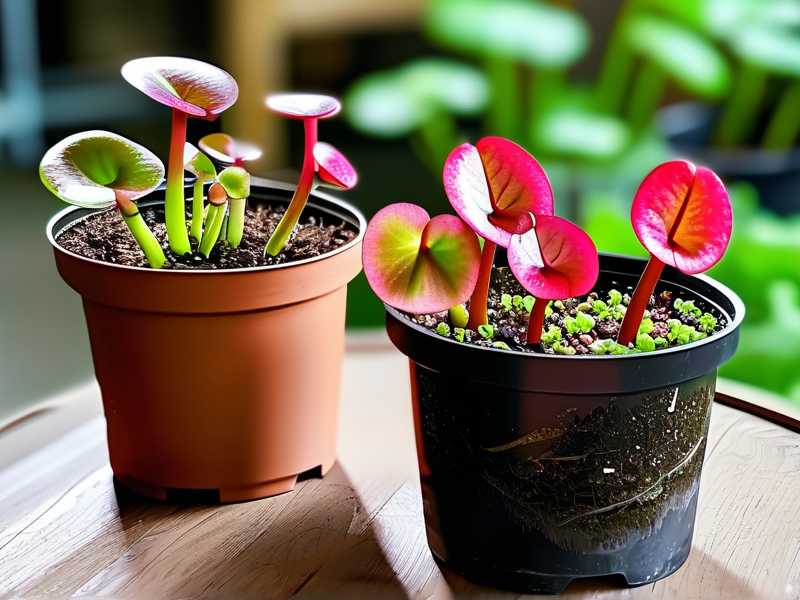
I use small plastic pots with plenty of drainage holes. Plastic holds moisture evenly and lets me control it. Terracotta dries out too fast for some species, but honestly, for winter, slightly dry is safer than wet.
Step 6: Improve Airflow
A little air movement around the pot goes a long way. I run a small fan on low nearby. It keeps the soil surface from staying constantly wet.
Step 7: Inspect Roots if Worried
If a plant looks off, I gently lift it and check the roots. Healthy roots are pale and firm. Rotten roots are brown, mushy, and smell bad. I trim the bad parts with clean scissors and repot in fresh soil.
My Two-Week Observation
I tracked one struggling Drosera capensis for two weeks using this method. On day one, it was limp with dark leaf bases. I pulled it from the tray and let the soil dry slightly.
By day four, the sour smell was gone. By day seven, new growth appeared at the center. By day fourteen, the plant was standing upright again with fresh dew on its leaves. That convinced me the method works.
The Role of Soil and Water Quality
Soil mix matters more than people think. I use a simple blend of sphagnum peat and perlite, roughly two to one. It drains well while holding just enough moisture. Avoid any mix with fertilizer. Nutrients burn carnivorous plant roots.
The AHS notes that proper drainage is essential for healthy container roots in cool seasons. That advice fits sundews perfectly.
Water quality is the other half. Always use distilled, rain, or reverse-osmosis water. Minerals in tap water accumulate and slowly damage roots.
Signs Your Sundew Roots Are Already Rotting
Catch it early and you can often save the plant. Watch for these signs:
- Leaves turning black from the base up
- A sour or swampy smell from the soil
- Soft, mushy stems
- Sudden collapse even though the soil is wet
If you see these, act fast. Remove the plant, trim the rot, and repot in fresh, barely moist soil. Then keep it on the dry side.
Why the Tray Method Fails in Winter
The tray method is brilliant in summer. The plant drinks fast and the soil stays evenly moist. In winter, the plant barely drinks at all. The tray just keeps the roots soaking for weeks. That's how rot starts.
I stopped using trays from November through February. My plants have been healthier ever since.
Choosing the Right Sundew for Your Climate
Some sundews handle cool winters better than others. If you live somewhere with cold, dark winters, consider these:
- Drosera capensis, tough and forgiving
- Drosera aliciae, compact and sturdy
- Drosera spatulata, great for beginners
Tropical species generally need more warmth. Temperate species may need a real dormancy. Know what you're growing before winter hits.
A Quick Word on Dormancy
Some sundews go dormant in winter. They die back to a resting bud and stop growing. That's normal, not rot. Don't panic and drown them with water. Let them rest in barely moist soil and cool conditions. They'll wake up in spring.
Telling dormancy apart from rot takes practice. A dormant plant has firm, healthy tissue under the soil. A rotting one is soft and dark.
Common Questions I Get Asked
New growers ask me the same things every winter. Here are the answers that actually help.
Should I stop watering completely in winter?
No. Never let the soil bone dry out. Just keep it barely moist. A totally dry sundew dies fast. The goal is damp, not soaked.
Can I use tap water if I let it sit overnight?
Sitting overnight removes chlorine but not minerals. Minerals are the real problem. Stick with rainwater or distilled water for the healthiest roots.
What temperature is best for sundews in winter?
Most tropical species do well between 60 and 70°F. Cooler nights help. Avoid hot, dry rooms, which stress the plant and encourage rot.
Final Thoughts From Someone Who's Killed a Few
Honestly, the secret to preventing sundew root rot in winter isn't complicated. It's restraint. Water less, light more, keep it cool, and use a pot that drains. That's it.
I wish someone had told me this before I lost my first plants. If you take one thing away, let it be this: when in doubt, water less. Your sundew will thank you in spring with fresh, dewy leaves.