bluename
 How to Care for Sundew After Dormancy Ends
Your sundew looks dead. The leaves are brown, shriveled, and stuck to the soil like old potato chips. Don't throw it out yet. I've made that mistake before, and I still regret it. When you learn how to care for sundew after dormancy ends, you'll watch a plant that looks completely gone push out fresh, sticky leaves in about two weeks. The trick is understanding what the plant actually needs during this transition. Get it right, and your sundew rewards you with dew-covered tentacles and steady growth. Get it wrong, and you'll be staring at a pot of mush wondering where it all went sideways.
I've killed my fair share of carnivorous plants. My first sundew died because I panicked and watered it like a tropical houseplant. My second one fried on a south-facing windowsill. By the third, I finally figured out that sundews don't need much. They just need the right things at the right time. This guide is everything I wish someone had told me after that first dormancy wake-up.
What Dormancy Actually Does to a Sundew
Dormancy isn't the plant dying. It's the plant hitting pause.
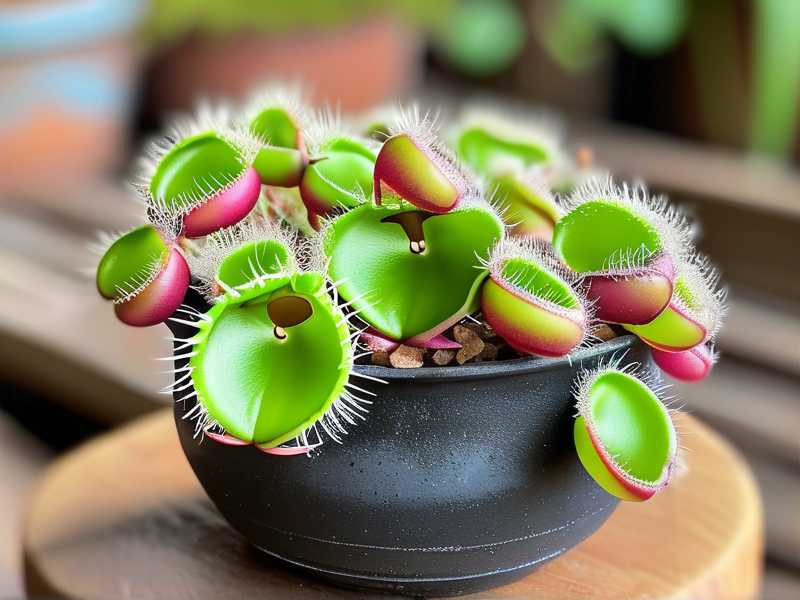
Most temperate sundews, like Drosera filiformis and Drosera rotundifolia, go dormant in winter. The leaves die back to a small rosette or a resting bud called a hibernaculum. The plant stops growing above the soil. But underground, the roots and crown are still alive.
Tropical sundews like Drosera capensis don't go fully dormant, but they slow down when light drops and temperatures fall. If you grow them indoors year-round, you might not see real dormancy at all. That's fine. The care after a slowdown is similar to post-dormancy care.
The Royal Horticultural Society notes that hardy sundews need a cool rest period to stay vigorous. Skip dormancy year after year, and the plant weakens. It might not die immediately, but it never thrives.
So when dormancy ends, you're not reviving a dead plant. You're helping a sleeping one wake up.
The First Thing I Do When I See New Growth
I look for the tiny green nub in the center of the crown. That's the signal.
It usually shows up in early spring for outdoor plants, or whenever temperatures climb back above 60°F (15°C) for indoor ones. The nub is small, maybe the size of a pinhead. It's easy to miss if the old dead leaves are still covering it.
Here's my step-by-step:
Step 1: Trim the dead leaves. Use clean scissors. Snip the brown, crispy leaves as close to the base as you can without cutting into the crown. Don't yank them. Pulling can damage the growing point.
Step 2: Check the soil. If it's bone dry, water from the top gently. If it's soggy, stop. More on that below.
Step 3: Move the plant to brighter light, but not full blast yet. I'll explain the light timing later.
Step 4: Wait. Do nothing for three days. Let the plant adjust.
That's it. No fertilizer. No repotting. No misting. The plant is waking up on its own schedule. Your job is to remove obstacles, not push it.
Two-Week Observation: What I Actually Saw
I tracked a Drosera filiformis after dormancy last spring. Here's the day-by-day.
Day 1: Dead leaves removed. Crown looked bare. Soil was damp from winter rain.
Day 3: A tiny green point appeared. Barely visible.
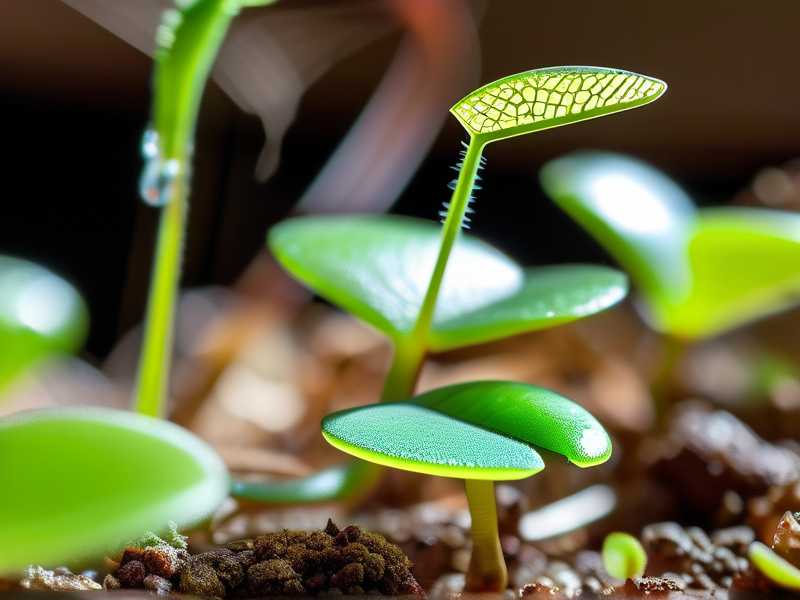
Day 5: The green point grew into a small curled leaf. Still no dew.
Day 7: Two more leaves unfurling. The first leaf started showing tiny droplets on its tentacles.
Day 10: The plant had four new leaves. Dew was visible in the morning. I caught a small fungus gnat stuck to one leaf.
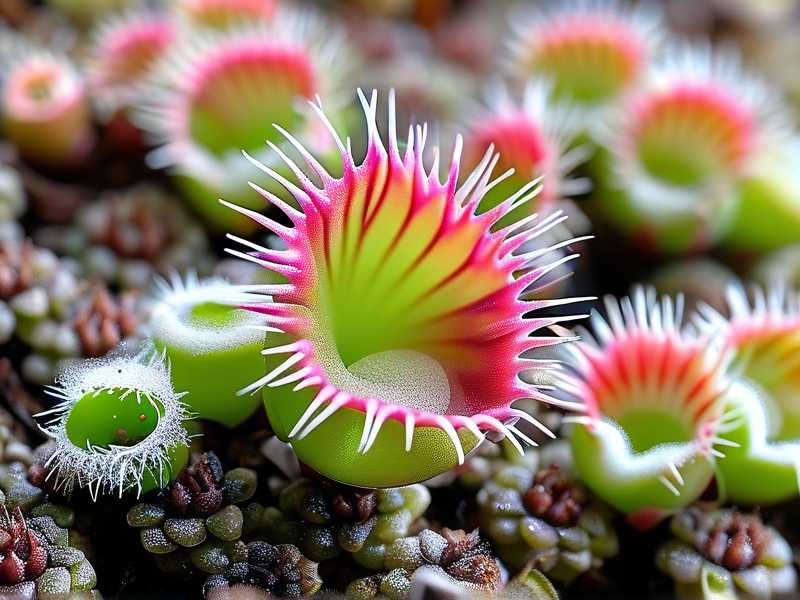
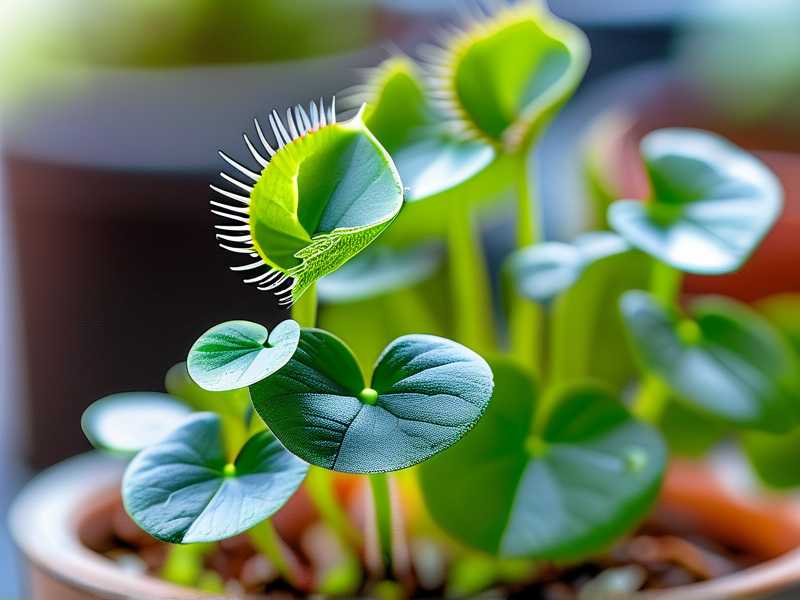
Day 14: Five healthy leaves with strong dew production. The plant looked like a proper sundew again.
That two-week window is normal. Some plants wake up faster. Some take three weeks. If you see nothing after a month, something is wrong. Check the crown. If it's mushy, the plant rotted. If it's firm and white or green, it's still alive. Give it more time.
The Three Mistakes That Kill Sundews After Dormancy
I've made all three. Let me save you the grief.
Mistake 1: Overwatering
This is the big one. 90% of indoor plants die from overwatering, and sundews are no exception. Actually, they're more vulnerable than most because people hear "carnivorous plant" and assume they need constant swamp conditions.
They don't.
Yes, sundews like moisture. But after dormancy, the roots are weak. They've been resting for months. Drowning them now causes root rot before they can recover.
My mistake: I kept my first sundew sitting in a tray of water all winter. When spring came, I refilled the tray and left it. The crown turned black in a week. Root rot.
The fix: Water from the top for the first two weeks after dormancy. Keep the soil damp like a wrung-out sponge, not dripping. After two weeks, you can go back to the tray method if you use it. But even then, let the tray dry for a day between refills.
I know some growers swear by constant standing water. I've tried it. For me, it works in summer and fails in spring. The RHS recommends letting the soil surface dry slightly between waterings for most carnivorous plants during active growth. That matches what I've seen.
Mistake 2: Light Shock
Sundews need full sun to produce dew. But a plant coming out of dormancy has been in low light for months. Its leaves are tender.
If you shove it onto a south-facing windowsill on day one, you'll cook it.
My mistake: I moved a dormant sundew from a cool garage to a bright windowsill in one day. The new leaves turned red, then white, then crispy. Sunburn. The plant survived, but it lost a month of growth.
The fix: Ramp up light over 7–10 days. Start with a bright spot out of direct sun. An east-facing window works. After three days, move it closer to the window. After a week, give it morning sun. By day ten, full sun is fine.
If you grow under lights, start at 50% intensity and increase slowly. I use a simple timer. Two hours more each day until I hit 12–14 hours.
Mistake 3: The Wrong Pot
This one surprised me. I used to think any pot worked as long as it held soil.
Wrong.
Sundews have delicate roots. They hate being disturbed. After dormancy, the last thing they need is a repot into a huge container that stays wet for weeks.
My mistake: I repotted a waking sundew into a 6-inch ceramic pot. The soil stayed wet for 12 days. The roots rotted. The plant died.
The fix: Leave it alone. If the plant was happy in its pot before dormancy, it's still happy. Don't repot unless the soil is breaking down or the plant is bursting out. If you must repot, use the same size pot or only one size up. Plastic or glazed ceramic works. Terracotta dries too fast for sundews in most homes.
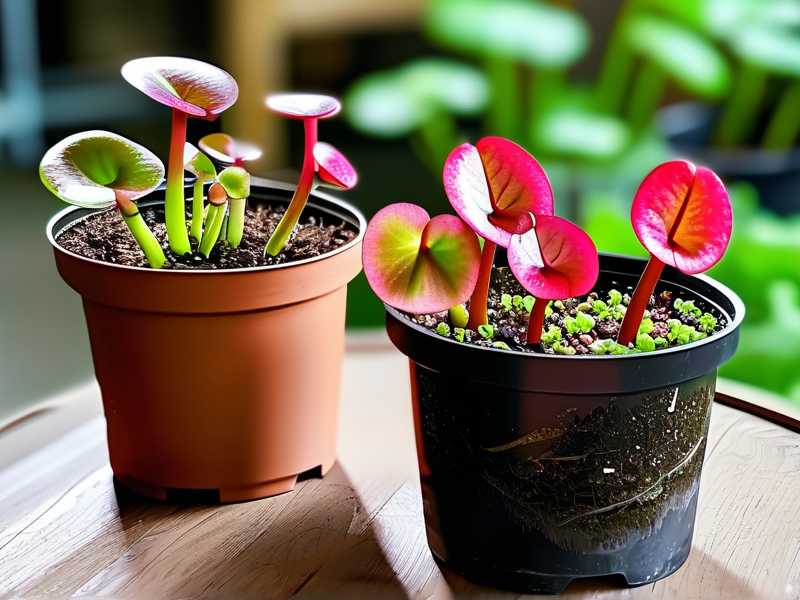
Also, avoid pots with built-in saucers that hold water. They keep the soil too wet. I use simple plastic pots with drainage holes and a separate tray.
Soil, Water, and Humidity: The Boring but Critical Details
I'm not going to give you a 2,000-word soil essay. Here's what matters.
Soil: Use a mix of 1 part peat moss and 1 part perlite. That's it. No fertilizer. No compost. No "enriched" anything. Fertilizer burns sundew roots. I learned that the hard way with a Drosera capensis that I fed a diluted orchid fertilizer. It died in four days.
Water: Use distilled water, rainwater, or reverse-osmosis water. Tap water contains minerals that build up in the soil and kill sundews over time. If you wouldn't drink it, don't give it to your sundew.
Humidity: Most homes are fine. 40–60% humidity works. If your air is dry in winter, a small humidifier nearby helps. But don't mist the leaves. Misting dilutes the dew and can cause mold. I misted once. Once.
Feeding After Dormancy: Don't Rush It
New growers often want to feed their sundew right after dormancy. I get it. You want to help.
Don't.
Wait until the plant has at least three healthy leaves with visible dew. That usually takes two to three weeks after new growth starts. Then you can feed.
What to feed: Small insects. Fruit flies, fungus gnats, tiny ants. Live is best. Dead works if you place it on a leaf with dew.
What not to feed: Human food. Meat. Cheese. Fertilizer. I've seen people try all three. It never ends well.
How often: Once every two to three weeks per leaf. Don't feed the same leaf twice in a row. Let it digest and reopen. If the leaf turns black after feeding, you overdid it. Cut it off and let the plant rest.
Light Requirements After Dormancy: The Sweet Spot
Sundews want strong light. Most species need at least 6 hours of direct sun or 12–14 hours under grow lights.
But after dormancy, you need to build up to that.
Here's my light schedule for the first two weeks:
Days 1–3: Bright shade. No direct sun. East window or 4 feet from a grow light.
Days 4–6: One hour of morning sun. Or 6 hours under a grow light at 50% power.
Days 7–10: Three hours of sun. Or 10 hours under a grow light at 75% power.
Days 11–14: Full sun. Or 12–14 hours under a grow light at full power.
After that, keep it in full sun or under strong lights. If the leaves stay green and dew production is strong, you're good. If leaves turn red, that's usually fine. Red means the plant is getting plenty of light. If they turn white or crispy, you pushed too fast.
Temperature: Don't Bake Them
Sundews tolerate a range of temperatures. Most do well between 65–85°F (18–29°C) during the growing season.
After dormancy, avoid sudden heat. Don't put a waking sundew next to a radiator or heating vent. Don't leave it in a greenhouse that hits 100°F in spring.
I keep mine between 70–80°F indoors. Outdoors, they handle 85°F fine as long as the soil stays damp. Above 95°F, they stress. If you live in a hot climate, give them afternoon shade in early spring.
Common Problems in the First Month (And What They Mean)
Yellow leaves: Usually too much water or not enough light. Check both.
No dew: Light is too low. Move it brighter. Or humidity is too low. Or the plant is still recovering. Give it another week.
Black leaves: Could be natural die-off. Old leaves turn black. Cut them off. If new leaves turn black, it's rot or fertilizer burn. Flush the soil with distilled water and stop feeding.
Mold on soil: Too wet and not enough air movement. Scoop out the moldy top layer. Add a small fan nearby. Reduce watering.
Pests: Aphids and thrips love stressed sundews. If you see them, use a cotton swab dipped in distilled water to remove them. Don't use insecticides. They can kill carnivorous plants.
When to Repot (And When to Leave It Alone)
I already said don't repot after dormancy. Let me repeat it.
Don't repot after dormancy.
Wait until the plant is actively growing and has at least six healthy leaves. That's usually mid-summer. Even then, only repot if:
The soil is compacted or smells sour.
The plant is root-bound and growth has stalled.
You see mold or pests in the soil that you can't fix.
Otherwise, leave it. Sundews don't mind being crowded. They mind being disturbed.
My Drosera capensis went three years in the same pot before I repotted it. It was fine. I only repotted because the soil had broken down into mush. The plant didn't skip a beat.
Frequently Asked Questions
How long does it take for a sundew to wake up after dormancy?
Most sundews show new growth within 2–4 weeks after temperatures and light increase. Some take longer. If the crown is firm and white or green, the plant is alive. Give it time. If the crown is mushy or black, it's dead.
Should I fertilize my sundew after dormancy?
No. Sundews get nutrients from insects. Fertilizer burns their roots. Wait until the plant has at least three healthy leaves with dew, then feed it a small insect. One insect every two to three weeks is plenty.
Why does my sundew have no dew after dormancy?
Low light is the most common reason. Move it to a brighter spot gradually. Low humidity can also reduce dew. If the plant is still waking up, give it another week or two. Dew production usually returns once the plant has three or four new leaves.
Final Thoughts
Watching a sundew come back after dormancy is one of the most satisfying things in this hobby. It looks dead. Then it doesn't. You just have to be patient and avoid the three big mistakes: overwatering, light shock, and the wrong pot.
I've killed sundews by rushing. I've saved them by doing almost nothing. The plant knows what to do. Your job is to give it the right conditions and then get out of the way.
If you take one thing from this, let it be this: 90% of indoor plants die from overwatering. Sundews are not an exception. Keep the soil damp, not soaked. Give them light, but build up to it. Leave them in their pot. And wait.
Two weeks from now, you'll see dew. I promise.