bluename
 How to Stop Sundew Leaves From Curling When Dry
If your sundew leaves are curling and drying out, the fix is almost always about water quality, humidity, and light—not disease.
I've killed four sundews before I figured this out. Two cape sundews, one spatulata, and a binata that I'm still a little bitter about. Every single one of them curled up on me before they died.
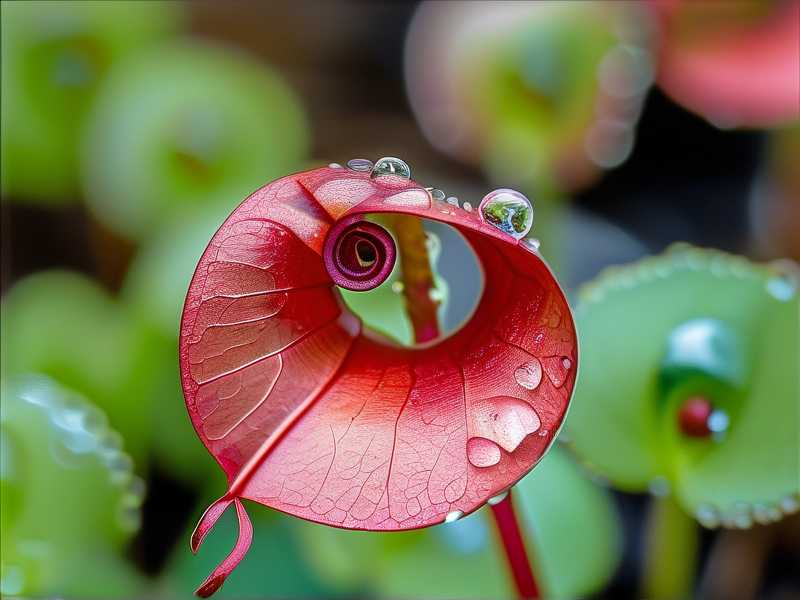
Here's what I learned the hard way: how to stop sundew leaves from curling when dry comes down to three things. Water. Light. Pot. Get those right and your plant stops curling within two weeks.
Why Sundew Leaves Curl in the First Place
Sundews curl for a few reasons. Some curling is totally normal—it's how they catch bugs. A leaf wraps around a gnat and digests it. That's the plant doing its job.
But dry, crispy curling is different. That's a stress signal.
When a sundew leaf curls inward and turns brown at the tips, the plant is basically screaming that something is off. Usually it's one of these: not enough moisture in the air, bad water, too much direct heat, or root problems from soggy soil.
I used to think curling meant my plant needed more water. So I'd pour more in. And the plant would get worse. Took me way too long to realize I was drowning the roots while the air around the leaves stayed bone dry.
The Three Big Mistakes That Cause Curling
Let me save you some time. These are the mistakes I see over and over, and they're the ones I made myself.
Mistake #1: Overwatering (Yes, Really)
I know it sounds backwards. Sundews love wet soil, right? Well, yes and no.
Sundews want consistently moist soil, but they don't want to sit in stagnant, oxygen-starved muck. There's a difference between a bog and a swamp.
Here's the thing. I had my first cape sundew sitting in a tray of water that I never emptied. Just topped it off every day. Within ten days the leaves started curling and browning. The roots had basically rotted.
The fix isn't to let the soil dry out completely—sundews hate that too. The fix is to use the tray method properly. Keep about half an inch to an inch of water in the tray. Let it dry out for a day before refilling. That gives the roots a chance to breathe.
And here's a stat that shocked me when I first heard it: 90% of indoor plants die from overwatering. Not underwatering. Overwatering. Carnivorous plants aren't immune to this just because they like wet feet.
If you're growing your sundew in a regular pot without drainage, you're asking for trouble. More on that in a minute.
Mistake #2: Wrong Light
Sundews need a lot of light. Like, more than most houseplants. But there's a sweet spot.
I had my spatulata on a south-facing windowsill thinking it would love the intensity. Instead, the leaves curled and crisped at the edges. It was getting baked.
Then I moved it to a spot with bright but filtered light. The curling stopped within about a week.
Here's what works for me: 12 to 14 hours of strong light, but not scorching midday sun through glass. If you're using grow lights, keep them 6 to 8 inches above the plant. If you're using a windowsill, east-facing is usually safest.
The tricky part is that too little light also causes problems. Leaves stay small, lose their dew, and the plant slowly declines. It might not curl right away, but it'll get there.
My rule of thumb: if the leaves are crispy and curling, it's probably too much heat or too dry. If the leaves are pale and limp with no dew, it's probably not enough light.
Mistake #3: Using the Wrong Pot
This one took me embarrassingly long to figure out.
I had a beautiful little drosera in a glazed ceramic pot. Looked great on my shelf. But the plant kept curling and declining no matter what I did with water and light.
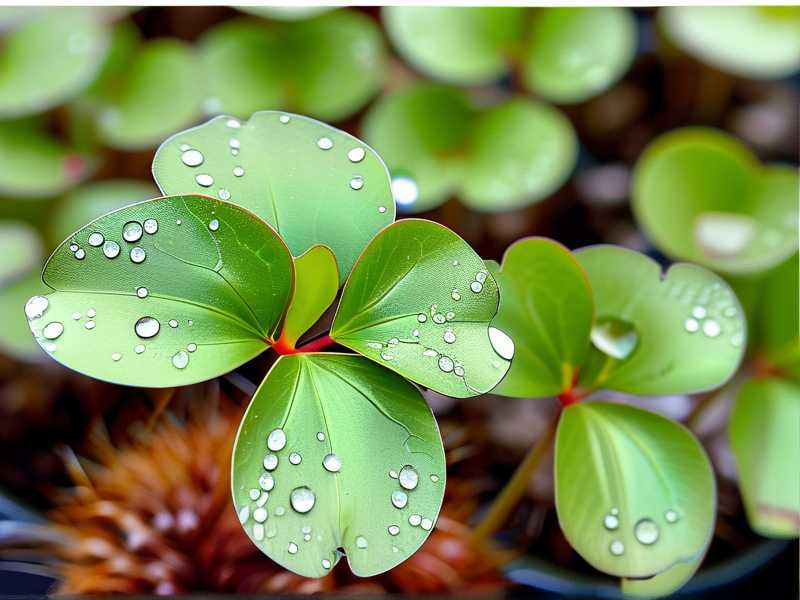
Turns out glazed ceramic can leach minerals into the soil. And sundews are incredibly sensitive to minerals.
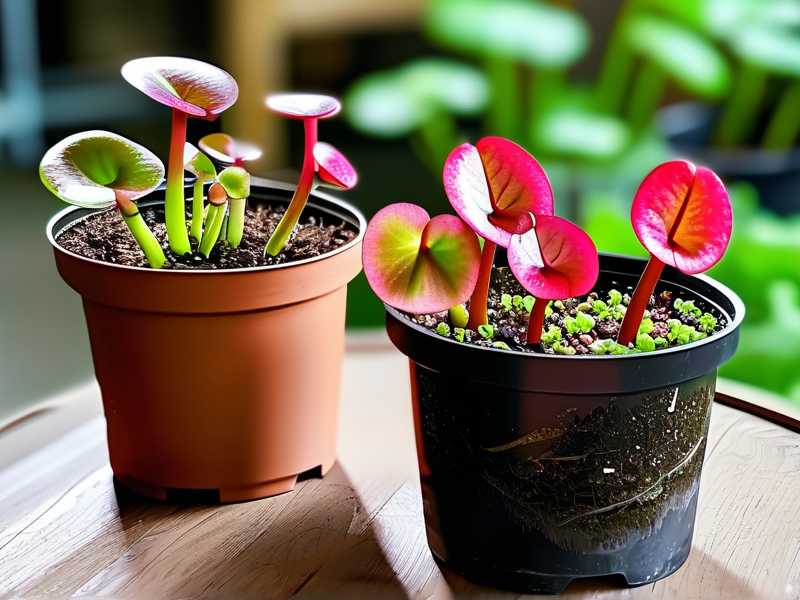
The fix: use plastic or terra cotta that's been thoroughly rinsed. Actually, terra cotta can also leach salts over time. Plastic is safest. Or better yet, use a pot with drainage holes and sit it in a water tray.
Also, avoid any potting mix with fertilizer. Sundews get their nutrients from bugs, not from soil. Fertilizer will burn their roots and cause exactly the kind of curling you're trying to fix.
I use a mix of sphagnum peat moss and perlite. About 2:1. No fertilizer. Ever.
My Two-Week Experiment: What Actually Worked
After killing all those sundews, I decided to do a proper test. I got a new cape sundew and a spatulata. I set them up with the right conditions from day one and tracked what happened.
Day 1-3: Both plants had leaves that were already curling from the store conditions. I repotted them into a peat-perlite mix in plastic pots with drainage. Set them in trays with half an inch of distilled water.
Day 4-7: No new curling. The existing curled leaves stayed curled, but they stopped getting worse. I noticed new dew forming on the healthy leaves.
Day 8-11: The new growth coming from the center was flat and healthy. No curling at all. The old curled leaves started to brown and I trimmed them off.
Day 12-14: Both plants had multiple new leaves fully extended with heavy dew. The curling issue was completely resolved.
The key was consistency. I didn't fiddle with anything. Just kept the water level steady, kept the light consistent, and let the plants adjust.
What Water to Use (This Matters More Than You Think)
I can't stress this enough. Tap water will wreck your sundew.
The minerals in tap water build up in the soil over time. The plant can't process them. Leaves curl, dew disappears, and eventually the plant dies.
I use distilled water. Rainwater works too if you can collect it cleanly. Reverse osmosis water is another option.
The RHS recommends rainwater for carnivorous plants for exactly this reason. They're just not built to handle dissolved minerals.
If you've been using tap water and your sundew is curling, flush the soil with distilled water. Run a good amount through the pot to wash out the minerals. Then switch to distilled permanently.
The AHS also notes that carnivorous plants are among the most sensitive to water quality in any garden collection.
Humidity: The Missing Piece
Sundews need humidity. Not rainforest-level humidity, but more than the average living room provides.
In winter, when the heat is running, indoor humidity can drop to 20% or lower. That's desert-dry for a sundew.
I used to mist my plants thinking that would help. It doesn't. Misting gives a brief spike in humidity that evaporates in minutes. It can actually cause more problems by encouraging fungal issues on the leaves.
What works: a humidity dome or a small terrarium setup. I use a clear plastic cup inverted over smaller sundews. For larger ones, I group them together on a tray with water. The evaporation creates a microclimate.
A small humidity meter helps too. I keep mine around 50-60% for sundews. If it drops below 40%, I know I need to adjust something.
Don't Seal Them Completely
One mistake I made early on: I put my sundew in a completely sealed terrarium. Thought I was doing it a favor.
The plant got moldy within a week. The leaves curled and turned black.
Sundews need some air movement. A partially open setup works best. I leave a small gap for air circulation. Enough to keep humidity up but not so much that it's sealed tight.
If you're using a terrarium, open it for a few minutes every day. That's what I do and I haven't had mold issues since.
When Curling Is Normal
Not all curling is a problem. I want to be clear about this because I've seen people panic over normal behavior.
When a sundew catches something—a fruit fly, a gnat, a small moth—the leaf curls around it. That's digestion. The leaf will uncurl after a few days.
The difference is: catching-curling happens on individual leaves that have prey. Stress-curling affects multiple leaves at once, usually starting at the tips or edges, and the leaves feel dry and crispy.
If your sundew has one curled leaf with a bug in it, that's fine. Leave it alone. If half the plant looks like it's clenching its fists, that's a problem.
Step-by-Step Recovery Plan
If your sundew is already curling, here's what I'd do. This is the exact process I used.
Step 1: Check the water. Is it distilled or rainwater? If not, flush the soil and switch immediately.
Step 2: Check the pot. Does it have drainage? Is it plastic or glazed ceramic? If glazed, repot into plastic.
Step 3: Check the soil. Is there fertilizer in it? If yes, repot into a peat-perlite mix.
Step 4: Check the light. Is the plant getting 12+ hours of bright but not scorching light? Adjust as needed.
Step 5: Check humidity. Is it above 40%? If not, set up a humidity dome or group plants together.
Step 6: Be patient. Don't change everything at once. Give the plant two weeks to respond. New growth is what matters—old curled leaves won't uncurl.
What About Fertilizer?
Don't. Just don't.
Sundews evolved to get nutrients from insects. Their roots are designed to anchor them, not to absorb fertilizer. Feeding them fertilizer is like giving a cat a salad. It's not what they need and it can hurt them.
I feed mine with a tiny piece of freeze-dried bloodworm once a month during growing season. That's it. One leaf gets one tiny piece. The rest of the plant just does its thing.
If you're in a low-bug environment (like me, in winter), you can skip feeding entirely for a few months. The plant will be fine. It grows slower but it won't die.
The Dew Is Your Best Indicator
Here's a trick I wish I'd learned earlier. The dew on sundew leaves tells you everything.
Healthy sundew leaves are covered in tiny droplets of mucilage. It looks like morning dew. That's how they catch bugs.
When the plant is stressed, the dew disappears first. Before the leaves curl, before they brown, the dew goes away.
So if you're checking your plant daily—and you should be, at least at first—look at the dew. If it's producing plenty, you're doing something right. If the leaves are dry and shiny with no droplets, something's off.
I check mine every morning. It takes five seconds. And it's saved me from losing plants more than once.
My Current Setup (What Works Long-Term)
After all the trial and error, here's what I've landed on.
Cape sundews and spatulatas in 4-inch plastic pots. Soil is 2 parts peat moss to 1 part perlite. They sit in a shared tray with half an inch of distilled water. The tray dries out for a day before I refill it.
Light comes from a cheap LED grow light, 12 hours on, 12 hours off. The light sits about 8 inches above the tallest plant.
Humidity stays around 50-60% because I keep them grouped together and there's a small humidifier nearby in winter.
I trim dead leaves when they fully brown. I don't repot unless the soil breaks down or I see mineral buildup.
Since I started this setup, I haven't lost a single sundew to curling. Two years now.
Frequently Asked Questions
Can curled sundew leaves recover?
No. Once a leaf curls from stress and dries out, it won't uncurl. The plant will grow new leaves, and those should be healthy if conditions are right. Trim the dead ones off so the plant can focus energy on new growth.
How long does it take to see improvement?
I saw new healthy growth within 8 to 11 days after fixing the conditions. Full recovery, where the plant looked completely normal, took about three weeks. Be patient. Don't make changes every day.
Is it bad if my sundew catches a bug and curls?
Not at all. That's the plant working as intended. A leaf that curls around a trapped insect is digesting. It'll open back up in a few days. Only worry if multiple leaves are curling without any prey involved.