bluename
 How to Choose a Suitable Outdoor Bog Spot for Sundew
If you want healthy sundews, the single most important decision happens before you ever plant them. Choosing a suitable outdoor bog spot for sundew comes down to three things: constant moisture, the right light, and the right container setup. Get those wrong, and your plant sulks, dries out, or rots. Get them right, and sundews practically grow themselves.
I learned this the hard way. I've killed more sundews than I'd like to admit. My first one went into a regular terracotta pot with tap water. It was dead in nine days. So when I say the spot matters more than the plant, I mean it.
Here's the thing nobody tells beginners. These plants don't grow in soil the way tomatoes do. They grow in bogs. That means water, sun, and nutrient-poor conditions. Miss any of those and you're fighting a losing battle all season.
Let me walk you through exactly how I pick a bog spot now, after years of trial and error. I'll show you the mistakes I made, the fixes that worked, and what I watched happen over a full two weeks with my own plants.
Why the Spot Matters More Than the Plant
Most carnivorous plant guides jump straight to species selection. That's backwards, honestly.
A sundew in the wrong spot will decline no matter how good the plant was when it arrived. I've bought gorgeous Drosera from specialty nurseries and watched them shrivel in a week because I placed them badly.
The spot controls everything. Water retention, temperature swings, light intensity, airflow. You can't fix a bad location with fertilizer or fussing. There's no rescue mission once the roots cook or the crown rots.
So the spot comes first. Always.
And here's a stat worth remembering: 90% of indoor plants die from overwatering. Sundews are a weird exception because they actually want wet feet. But that exception only works outdoors, in a proper bog setup. In a normal pot, that same water turns into a death sentence.
The Three Fatal Beginner Mistakes
Before I get into the good stuff, let me save you some heartbreak. These are the three errors I see constantly, and I've made every single one.
Mistake 1: Treating Sundews Like Regular Houseplants
Overwatering kills most houseplants. Sundews flip that rule. They want to sit in water. But beginners either drown them in normal potting soil or let them dry out like a succulent.
Bob, a neighbor of mine, killed three sundews in one summer. He watered them from the top like petunias. The crowns rotted within days.
The fix is simple. Sundews need a bog, meaning constant standing water and the right growing medium. Sphagnum peat moss mixed with perlite or sand. No standard potting mix. Ever.
Mistake 2: Picking a Spot With the Wrong Light
Light is where people get lazy. They shove the plant on a shaded porch and hope for the best.
Sundews need strong light. Most species want at least six hours of direct sun. Some want full, all-day sun.
I once put a Drosera binata on a north-facing balcony. It went pale, stopped producing dew, and looked miserable for two weeks. Moving it to a south-facing spot fixed it in about ten days. The dew came back first. Then new growth.
Mistake 3: Using the Wrong Container
This one is sneaky. People use terracotta or pots with drainage holes. Both are wrong for outdoor bogs.
Terracotta wicks moisture away from the soil and pulls minerals into the medium. Drainage holes let your water escape, which defeats the whole point.
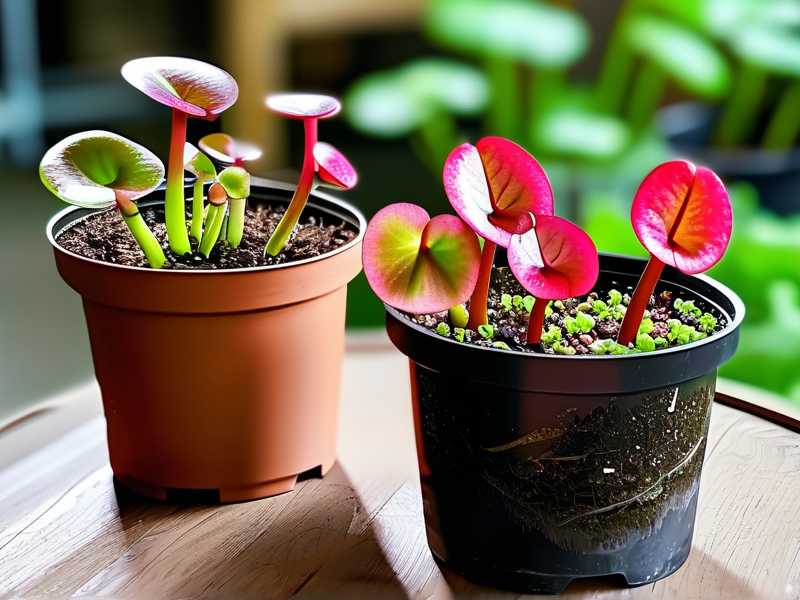
I now use glazed ceramic or plastic containers with no drainage holes. The water sits, the peat stays wet, and the plant is happy. It feels wrong the first time you do it. Trust me, it works.
What a Suitable Outdoor Bog Spot Actually Looks Like
Okay, let's get practical. Here's how I evaluate a spot now, step by step.
Step 1: Find Your Water Source First
Before I even think about light, I think about water. Can I keep this thing consistently wet?
Rainwater is best. Distilled water works too. Tap water is a killer because of the minerals. If your tap water is hard, it will slowly poison your sundew.
I collect rainwater in a barrel. It's not fancy. It's just a food-grade bin under a downspout. That one change made more difference than anything else.
Step 2: Test the Light for a Full Day
Don't guess. Watch the spot from morning to evening.
I put a cheap light meter app on my phone and checked three times a day for a week before committing. The spot I thought was "full sun" was actually getting about four hours. That's not enough for most sundews.
Morning sun plus early afternoon sun is ideal in most climates. In hotter regions, you may want a spot that gets a break during the worst afternoon heat.
Step 3: Check Temperature Swings
Sundews are tougher than people think. But extremes still hurt.
A spot against a south-facing wall might hit 100°F in summer and drop to 40°F at night. That swing stresses the plant.
I look for spots with some thermal buffering. Near a foundation, under a slight overhang, or beside other pots. Anything that softens the edges of the day.
Step 4: Think About Airflow
This is the one everybody forgets.
Stagnant air plus constant moisture equals rot. I learned this after losing a beautiful Drosera capensis to crown rot in a crowded corner.
Now I leave space around my bog containers. A little breeze keeps fungal issues down without drying the medium too fast.
My Two-Week Observation Setup
I want to share something I actually did last spring. I set up three identical bog containers in three different spots and watched them for two weeks.
Container A sat on a south-facing patio with six to seven hours of sun.
Container B sat on an east-facing porch with about four hours of morning sun.
Container C sat in a shaded corner that got maybe two hours of dappled light.
All three used the same medium. Sphagnum peat and perlite, four to one. Same rainwater. Same Drosera capensis plants.
Here's what happened.
What I Saw After Week One
Container A looked unchanged. Slightly more dew on the leaves.
Container B looked fine but a little pale.
Container C was clearly struggling. Leaves were curling and the dew was almost gone.
What I Saw After Week Two
Container A was thriving. New leaves were unfurling and the dew was thick and shiny.
Container B was okay. Not great, but stable. The plant was alive and producing some dew.
Container C was declining fast. I moved that plant to a sunnier spot, and it recovered over the next few weeks. But it never fully caught up that season.
The lesson is obvious in hindsight. Light matters. Most "sundew problems" are actually location problems.
Picking the Right Species for Your Spot
Species choice depends on your spot, not the other way around. Here are the ones I've had real luck with outdoors.
Drosera capensis is the easiest. It tolerates a range of conditions and bounces back from mistakes. If you're a beginner, start here.
Drosera binata wants more light and more space. It gets tall and lanky. Give it room.
Drosera filiformis handles cooler temperatures well. Good for northern gardens in the US and Canada.
Drosera rotundifolia is a classic bog species. It's smaller and slower, but it's a joy when it settles in.
For colder zones, the temperate species are your best bet. They go dormant in winter and come back in spring. I've had good results with these in USDA zone 5.
Getting the Medium Right
This part trips up almost everybody. Regular soil kills sundews. It's too rich and often contains fertilizers that burn the roots.
Here's my mix.
Four parts sphagnum peat moss. One part perlite. That's it.
Some growers add a little silica sand. I do sometimes. It helps with drainage in wetter climates.
Never use Miracle-Gro or any pre-fertilized mix. The nutrients will kill your plant faster than drought.
I also avoid anything with added lime or "moisture control" polymers. Those are a death sentence for carnivorous plants.
Watering: The Part That Feels Wrong
Outdoor bogs want to stay wet. Not damp. Wet.
I keep the water level at about an inch above the medium surface in warm months. In cooler months, I drop it slightly.
For temperate species that go dormant, I reduce water but never let the medium dry completely. Bone dry equals dead.
Rainwater is king. If you can't collect it, use distilled. If you have to use tap water, test it first. Some tap water is soft enough to work short-term. Most isn't.
Container Choices That Actually Work
I've tested a lot of containers over the years.
Terracotta is out. It wicks moisture and adds minerals.
Standard pots with drainage holes are out. The water runs away.
Glazed ceramic bowls with no holes work great. So do large plastic tubs.
Depth matters too. A shallow container dries out too fast in summer. I aim for at least six inches of medium depth.
For larger colonies, I've had great results with half-barrel planters. They hold water, buffer temperature, and give the plants room to spread.
Managing Winter
This is where outdoor bog spots get tricky. In cold climates, sundews need protection.
Temperate species go dormant naturally. They can handle freezing temperatures if the medium doesn't fully freeze and dry out.
I mulch around my containers with pine bark to insulate them. I also move the smaller pots into an unheated garage or shed if the forecast looks brutal.
Tropical species like Drosera capensis can't handle frost. I bring mine indoors near a sunny window from late fall through early spring.
Common Questions I Get Asked
How much sun does a sundew actually need outdoors?
Six hours of direct sun is a good baseline. More is usually better for most species. If you're in a hot climate, a little afternoon shade helps.
Can I just plant sundews in my garden soil?
No. Garden soil is too rich and too dense. It will kill them. Stick with containers and a peat-based medium.
What if I can't collect rainwater?
Distilled water from the store works well. So does reverse osmosis water. Tap water is a last resort and should be tested.
Do I need to fertilize my sundew?
No. These plants catch their own food. Fertilizer burns the roots and causes more harm than good.
Final Thoughts From Someone Who's Killed a Few
Choosing a suitable outdoor bog spot for sundew isn't complicated. It's just specific. Water, light, medium, container. Get those four right and the plant does the rest.
I wasted a lot of money and time before I understood that. Now I spend about ten minutes setting up a bog spot, and my sundews thrive with minimal fuss.
If you're starting out, don't overthink species. Pick a Drosera capensis. Find a sunny spot with rainwater access. Use a glazed bowl with no holes. Fill it with peat and perlite. Keep it wet. Then leave it alone and watch.
That's the whole secret, really. The right spot does more than any amount of plant care ever will.