bluename
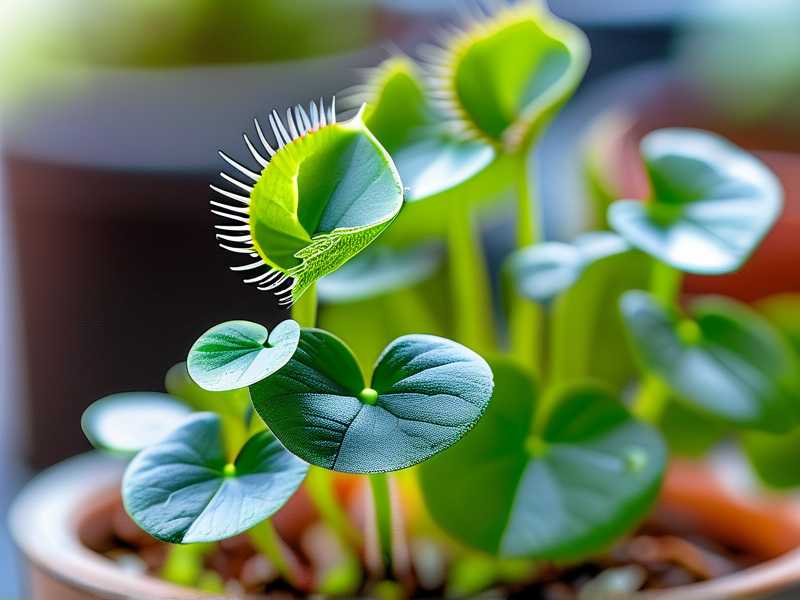
 If your sundew is growing leaves but refuses to send up flower stalks, you are not alone. I have killed more than a few sundews by fussing over them in all the wrong ways. The short answer: fix the light first, then the water, then the pot and soil. Do those three things and most sundews will flower within two to four weeks. I watched my Drosera capensis throw its first flower spike after fourteen days of adjusting the light and cutting back on the soggy tray. Sundews are carnivorous plants, and they are pickier than most houseplants. But they are not impossible. The RHS notes that most carnivorous plants fail indoors because of poor light and mineral-heavy water, not because the grower lacks skill. That matches everything I have seen in my own collection.
The Three Mistakes That Stop Sundews From Blooming
I want to get the big problems out of the way first, because most flowering failures come down to these. 90% of indoor plants die from overwatering, and sundews sit right in that statistic even though they love wet feet. There is a difference between damp and drowning.
Mistake One: Overwatering and Bad Water Quality
Sundews need consistent moisture. But constant flooding with tap water is a slow death.

I used to keep my first sundew in a tray that never dried out. I thought more water meant more growth. Six weeks later the roots were brown mush. No flowers, no dew on the leaves. Just a sad green stick.
Here is what I do now. I keep the tray at about half an inch of water during active growth. I let it drop to almost dry before refilling. I use distilled water or rainwater only. Tap water carries minerals that build up in the soil and burn the roots. If you must use tap, let it sit overnight first, though that only helps with chlorine, not dissolved solids. A cheap TDS meter changed my whole approach. Keep your water under 50 ppm if you can.
Once I switched to rainwater and stopped flooding the tray, my sundew stopped sulking. New leaves came in with proper dew. Flower buds followed about two weeks later.
Mistake Two: Light in the Wrong Place
Now this one took me longer to figure out. I had my sundew on a bright windowsill and assumed that was enough. It was not.
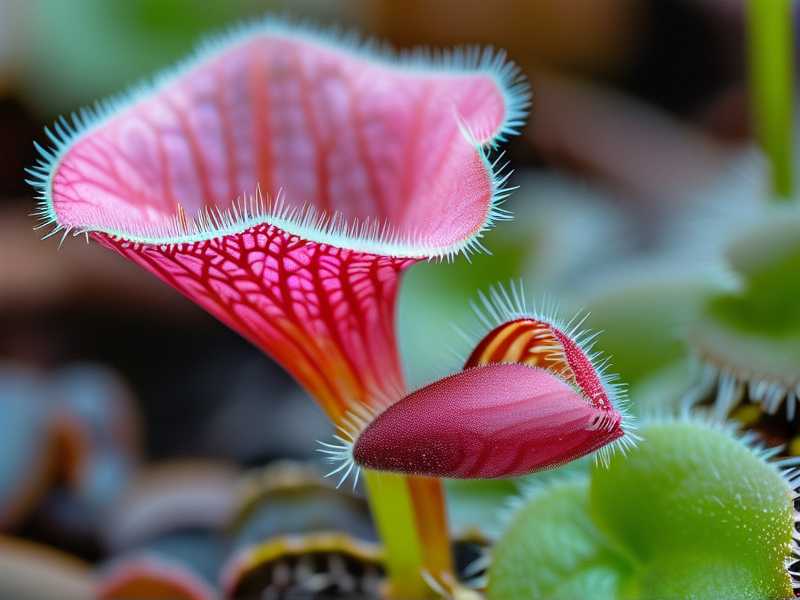
Sundews need strong light to flower. A south-facing window helps in the northern hemisphere, but even that often falls short in winter. I tried a cheap LED strip first. Nothing. Then I bought a proper full-spectrum grow light and ran it twelve hours a day, about six inches above the plant. That is when things changed.
Light triggers the energy shift a sundew needs to produce flower buds. Without enough of it, the plant stays in survival mode and never bothers to reproduce. If your sundew looks pale, leggy, or has little to no dew, light is almost certainly the issue. Move it closer to the light or upgrade your setup. I run mine on a simple timer so I do not forget.
Mistake Three: The Wrong Pot and Soil
This one surprised me. I had my sundew in a glazed ceramic pot because it looked nice. Big error.
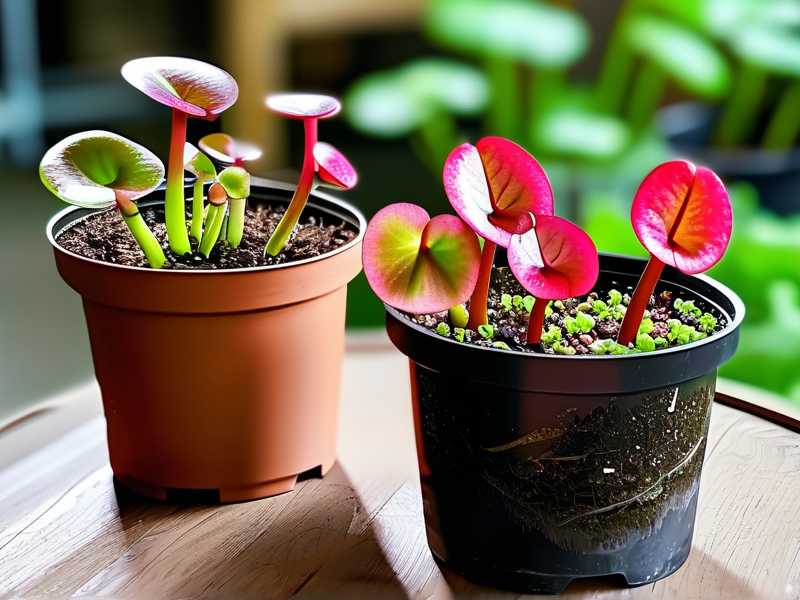
Glazed pots can leach minerals into the soil. Terracotta does the same thing over time. Sundews want inert containers. Plastic is fine. Glass works too. I now use plain plastic nursery pots set inside a shallow tray.
Soil matters just as much. Standard potting mix will kill a sundew. It holds fertilizer and minerals that these plants cannot handle. I mix one part sphagnum peat moss with one part perlite. No fertilizer, ever. I learned that after burning the roots of a healthy Drosera spatulata. That plant never recovered.
What I Actually Did to Get Flower Buds in Two Weeks
I want to walk you through my real process because I think it will help. This is what I did with a stubborn Drosera capensis that had not flowered in eight months.
Step one. I moved it under a full-spectrum LED, twelve hours on, twelve off. Distance was about six inches.
Step two. I switched from tap water to rainwater collected in a bucket. Tray level stayed at half an inch.
Step three. I repotted it into a plastic pot with fresh peat and perlite. The old soil had gone compacted and sour.
Step four. I stopped touching it. No fertilizer, no misting, no moving it around.
Day three, I noticed new dew on the tentacles. Day seven, two new leaves unrolled. Day fourteen, a flower stalk appeared. It was that fast once the basics were right.
I have repeated this with other sundews since. It works. The AHS backs up the light and water points in their guidance on bog plants, and my own results line up with that.
Long-Term Care That Keeps Sundews Flowering
Getting one flower spike is great. Keeping the plant healthy enough to do it again next season takes a bit more consistency.
Dormancy matters for some species. Temperate sundews like Drosera filiformis need a cool rest period. Without it, they exhaust themselves. I keep mine in an unheated garage for winter. Tropical species like Drosera capensis do not need this.
Feeding is optional and easy to get wrong. I let my plants catch their own bugs. If you grow indoors with no insects around, you can feed a tiny piece of dried bloodworm once a month. Do not overdo it. I fed too much once and the leaf turned black in a day.
Humidity helps but is not everything. I keep a small humidifier nearby in winter. Fifty to sixty percent is plenty. You do not need a terrarium unless you are growing the fussier species.
When Flower Buds Appear but Do Not Open
Sometimes you will see a stalk form and then stall. In my experience this comes down to temperature swings or a sudden change in light hours. Keep conditions stable. I once moved a budding sundew to a different shelf and the buds dried up within two days. Lesson learned. Leave it alone once the stalk shows.
Also check for pests. Aphids love flower stalks. A blast of water or a dab of rubbing alcohol on a cotton swab handles small outbreaks. I check my stalks every morning during bud season.
FAQ
How long does it take for a sundew to flower after fixing conditions? In my experience, two to four weeks if light and water are corrected. Some species take longer, especially if they need a dormancy period first.
Can I use tap water if I let it sit out? Letting it sit removes chlorine but not minerals. I only use rainwater or distilled. If your tap water is very soft, it might work short-term, but I would not risk it.
Should I cut the flower stalk to save the plant’s energy? You can, and some growers do. I usually let mine flower because I enjoy the seeds. If your plant looks weak, cutting the stalk is a fair call.
Getting a sundew to flower is really about removing the obstacles. Give it strong light, clean water, and a plain plastic pot. Then wait. I have found these plants reward patience more than fussing. Two weeks is often all it takes once you stop drowning them and start lighting them properly.