bluename
 How to Prepare Sundew for Summer Heat Waves
Summer heat waves can wipe out a sundew collection faster than almost anything else. I learned that the hard way. If you want to know how to prepare sundew for summer heat waves, here is the short answer: keep the roots cool, never let the soil dry полностью, give bright filtered light instead of blazing afternoon sun, and use a tall light-colored pot. That is the core of it. The details are what save your plants.
I have grown sundews for years, and I have killed my share. The first time a real heat wave hit, I lost three mature Drosera capensis in four days. The dew dried up, the leaves curled, and the crowns turned brown. I thought I was underwatering. I was wrong. I was cooking the roots.
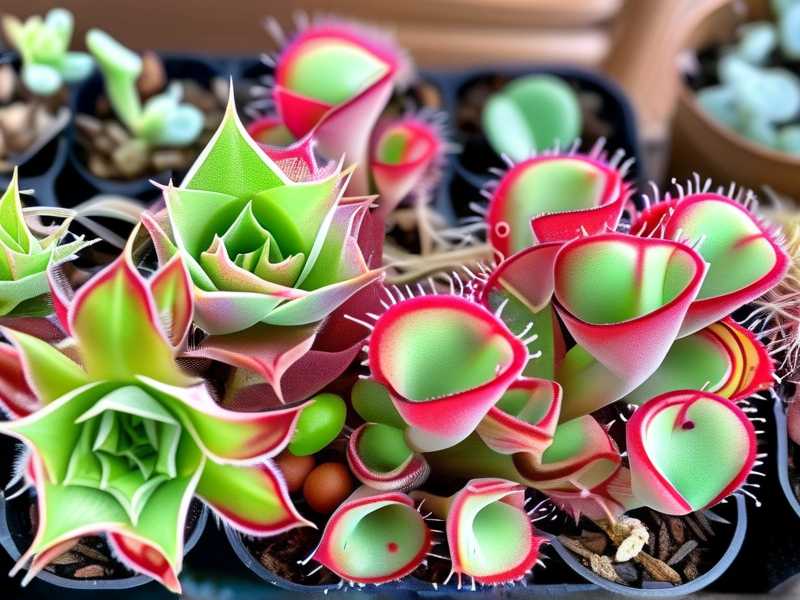
Let me walk you through exactly what I do now, based on a two-week heat wave we had last July where daytime temps hit 104°F (40°C) for nine straight days.
The Three Mistakes That Kill Sundews in Heat
Most guides skip this part. I will not.
Mistake 1: Overwatering to "cool" the plant. I tried this. I flooded my pots thinking more water means cooler roots. The soil turned anaerobic, the roots rotted, and the plants collapsed. Remember this line because it applies to nearly everything you grow indoors: 90% of indoor plants die from overwatering. Sundews are not houseplants in the traditional sense, but the principle holds when you panic.
Mistake 2: Wrong light position. I moved my sundews into full shade during a heat wave. They stretched, lost dew, and became pale. Then I moved them into full afternoon sun. They fried. The sweet spot is morning sun plus bright filtered light the rest of the day.
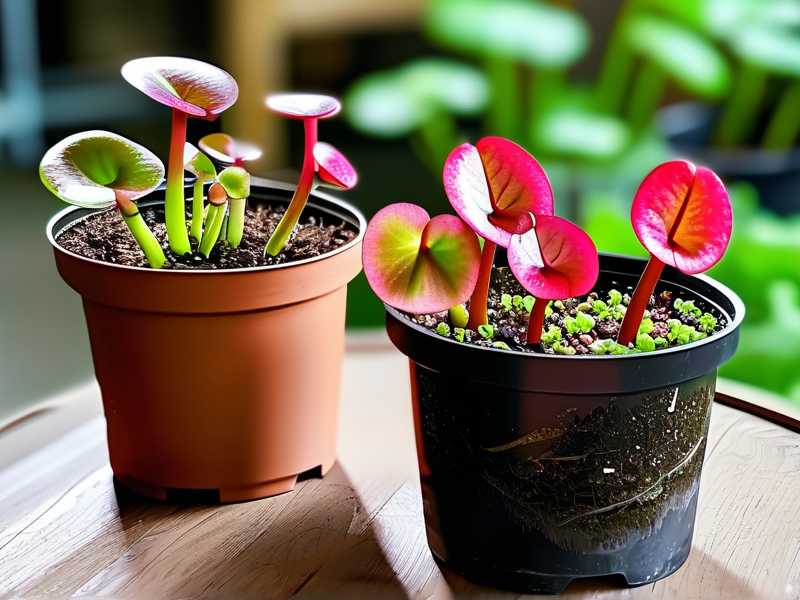
Mistake 3: Using the wrong pot. I had a beautiful dark ceramic pot. It absorbed heat like a brick oven. The soil temperature hit 95°F by 2 p.m. I switched to tall, light-colored plastic pots and the soil stayed 10–15°F cooler. That single change saved my collection.
The Royal Horticultural Society notes that container plants suffer more in heat because roots cannot escape the sun. That matches everything I have seen. The American Horticultural Society also stresses that consistent moisture and root-zone temperature matter more than air temperature for many bog plants. They are right.
My Two-Week Heat Wave Routine
Here is what I actually did, day by day, and what I observed.
Days 1–3: I moved every sundew to a spot that gets direct sun only until 10 a.m. After that, they sat under a 40% shade cloth on my east-facing patio. I filled their trays with 1 inch of water every morning before 8 a.m. I used rainwater, not tap. My tap water is hard, and hard water plus heat equals mineral burn.
Observation: No dew loss. Leaves stayed sticky. Soil temperature at 2 p.m. was 78°F, down from 92°F the week before.
Days 4–7: The real heat arrived. I added frozen water bottles to the trays in the afternoon. One bottle per tray, laid flat. This sounds fussy, but it dropped water temperature by 8–10°F for about three hours. I also misted the air around the plants, not the leaves, at 3 p.m. each day.
Observation: Two Drosera aliciae showed slight leaf curling on day 6. I moved them to a deeper tray with more water. They recovered in 48 hours.
Days 8–10: I stopped fertilizing completely. I normally feed very lightly, but heat plus fertilizer burns roots. I also stopped repotting anything. Stress stacking kills plants.
Observation: The capensis kept producing new dew-covered leaves. The binata slowed down but did not die.
Days 11–14: Temperatures dropped to the low 90s. I gradually removed the shade cloth for two hours more sun each day. I checked every crown for rot by gently tugging. If a plant lifted easily, the roots were gone. I lost one spatulata that way. Everything else held.
What I Learned About Pots and Soil
I used to think any pot worked if I watered enough. Wrong. Tall pots keep roots deeper and cooler. Light colors reflect heat. Wide trays hold more thermal mass, which stabilizes temperature swings.
My current mix is 2 parts peat moss, 1 part perlite, 1 part sand. In heat waves, I top-dress with a thin layer of live sphagnum. It holds moisture and keeps the surface cooler. I tried pure peat once. It baked into a hard crust and water ran off the sides. Never again.
I also drill extra drainage holes. Not for drainage in the traditional sense, but for airflow. Stagnant wet soil in heat grows algae and fungus. I learned that after a bad case of crown rot on a beautiful Drosera regia. That one hurt.
Water Quality and Timing Matter More Than You Think
Sundews are sensitive to dissolved minerals. In heat, that sensitivity gets worse because evaporation concentrates everything in the tray. I dump and refill trays every two days instead of just topping them off. That single habit prevents salt buildup.
I water in the early morning. Always. Evening watering leaves the soil cool and wet overnight, which invites fungus in warm climates. Morning watering gives the plant time to use water before the heat peaks.
If you only remember one thing: never let the tray go dry during a heat wave. A dry sundew in 100°F heat can die in six hours. I have seen it happen.
Shade Cloth and Airflow
I use 40% shade cloth from late June through August. It cuts the harshest UV while still letting bright light through. Sundews need light for dew production. Full shade equals no dew. Full sun equals cooked leaves.
Airflow is the other half. I run a small clip fan on low, pointed above the plants, not directly at them. This reduces leaf temperature and prevents stagnant humidity. I tried a sealed terrarium during a heat wave once. It turned into a steam oven. Everything melted.
Frequently Asked Questions
Can sundews survive a heat wave indoors? Yes, if you keep them near a bright window with morning sun, use a fan for airflow, and never let the tray dry. Indoor heat waves are often drier, so check water twice a day.
Should I cut off damaged leaves during a heat wave? Only if they are brown and crispy. Green leaves with less dew are still photosynthesizing. I leave them alone until the heat passes. Pruning adds stress.
What is the biggest mistake beginners make with sundews in summer? Panic watering. People see wilting and flood the pot. That causes root rot. The plant is usually heat-stressed, not thirsty. Check the tray first, then the soil moisture, then act.
Final Thoughts
Preparing sundew for summer heat waves is not complicated, but it is specific. Cool roots. Morning water. Filtered light. Light-colored tall pots. No fertilizer. No repotting. Watch the dew, not the calendar.
I still lose a plant some summers. That is gardening. But I no longer lose entire trays. And that feels like a win.