bluename
 How to Choose a Safe Insecticide for Sundew Pest Control
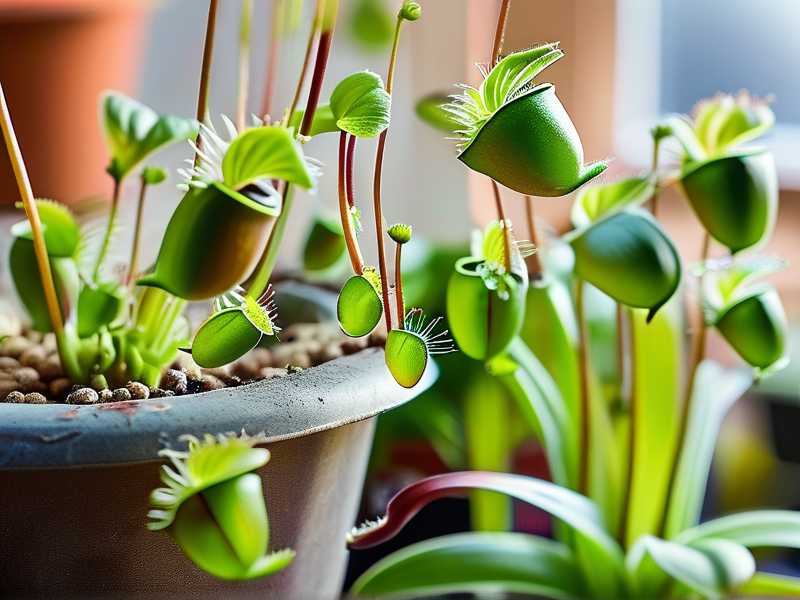
I still remember staring at my first sundew collection, watching tiny black specks crawl across the sticky tentacles that were supposed to be catching bugs, not hosting them. That's when I realized something important: even carnivorous plants get pests. And treating them is trickier than spraying a rose bush. If you're searching for a safe insecticide for sundew pest control, here's the short answer before I dive into the details. Most sundews tolerate only a narrow range of chemicals, and the safest starting points are plain water rinses, diluted neem oil, and carefully measured insecticidal soap. Anything with fertilizers, wetting agents, or systemic ingredients can scorch or kill your plant within days. I learned that lesson the hard way, and this guide is everything I wish someone had told me two years ago.
Quick Reality Check on Sundews
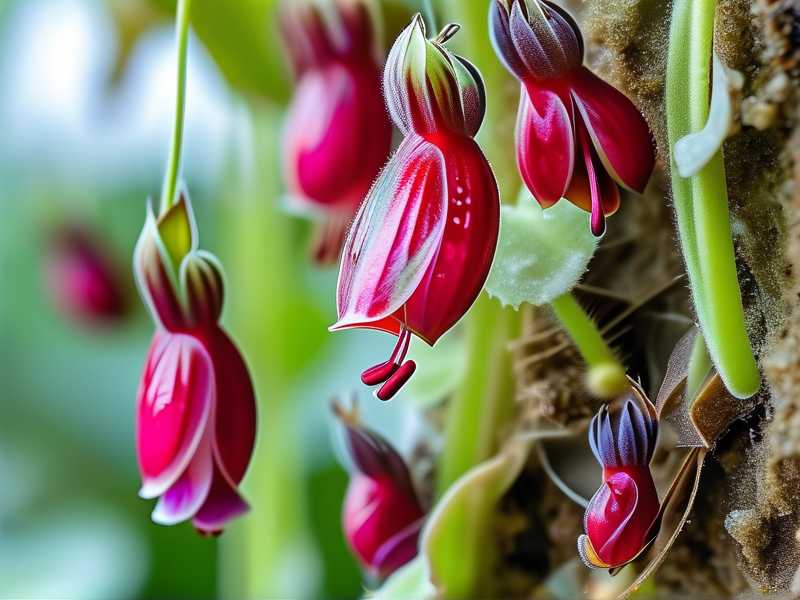
Sundews are not like your average houseplant. Their leaves are covered in glandular hairs that produce sticky mucilage. That same stickiness that traps gnats and fruit flies also means anything you spray stays on the leaf surface longer than it would on a smooth leaf.
So chemical exposure time goes up. Risk goes up with it.
The RHS recommends that carnivorous plants generally be treated with the gentlest option first. That matches my experience completely. I've talked to growers who lost entire Drosera collections after one careless spray of a general-purpose bug spray.
Also worth knowing: sundews are sensitive to dissolved minerals. That's why we use distilled or rainwater. The same principle applies to what you spray on them. Tap water-based mixes with high mineral content can slowly poison the plant even if the insecticide itself is "safe."
My 2-Week Test With Three Options
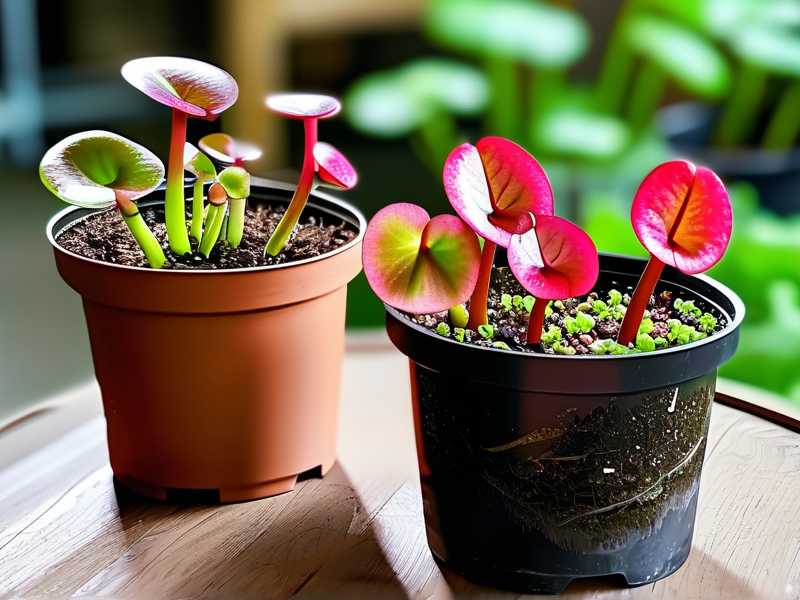
I want to share a real experiment I ran on a pot of Drosera capensis that had a stubborn fungus gnat infestation. I split the plant into three smaller pots so I could compare treatments side by side.
Week 1, Day 1: I rinsed one pot thoroughly with distilled water, flushing the soil surface and gently spraying the leaves to knock off gnats and larvae. The second pot got a diluted neem oil spray at half the label strength. The third pot got insecticidal soap at quarter strength.
Week 1, Day 3: The water-rinse pot looked clean on the surface, but I could still see a few gnats hovering. The neem pot showed no new gnats, and the leaves looked fine. The soap pot worried me. Two leaves had slight browning at the tips.
Week 1, Day 7: Water rinse needed a repeat. Gnats were back. Neem pot still clean, no leaf damage. Soap pot had lost one small leaf, so I stopped using soap on that plant.
Week 2, Day 14: The neem pot was completely gnat-free and actually produced two new dew-covered leaves. The water-rinse pot had gnats again, though fewer. The soap pot survived but was clearly stressed, with slower growth.
The takeaway? Neem oil at half strength was the winner for me. But that doesn't mean it works for everyone in every situation. Let me break down what I learned about each option.
Water as Your First Line of Defense
I know it sounds too simple. But honestly, a strong rinse with distilled water is underrated. Many pest problems on sundews start because the soil stays too wet and gnats breed in it.
Wait, that sounds backwards, right? Let me explain.
Fungus gnats lay eggs in moist soil. Sundews need moist soil. So you're basically running a gnat nursery whether you like it or not. The fix isn't to dry out the plant. That kills sundews fast.
Instead, flush the soil. I use a turkey baster to gently flood the surface, then let it drain. Do this every three days for two weeks. It disrupts the gnat life cycle without any chemicals.
Pros: Zero risk of chemical burn. Cheap. Easy. Cons: Doesn't kill eggs deep in the soil. You have to be consistent.
I've had good luck combining water flushes with a top dressing of sand. That stops gnats from laying eggs in the first place.
Neem Oil: My Go-To for Most Cases
Neem oil is probably the most recommended "safe" insecticide for sundews in hobbyist circles. But here's the catch. Not all neem oil products are equal.
I tried a cheap neem oil from a big box store once. It had added surfactants and "clarified hydrophobic extract of neem oil" instead of pure cold-pressed neem. My sundew dropped three leaves in two days.
Now I only use 100% cold-pressed neem oil. I mix it at half the recommended strength. For sundews, less is more.
How I apply it: I use a small spray bottle. I spray in the evening, never in direct sun. I keep the plant out of bright light for 24 hours after spraying. I also avoid spraying the soil heavily. Just the leaves.
The AHS notes that neem oil can be phytotoxic to some sensitive plants, so testing on one leaf first is smart. I agree. I always test one leaf and wait 48 hours before treating the whole plant.
Insecticidal Soap: Use With Caution
Insecticidal soap works by breaking down insect cell membranes. Sounds gentle, right? Not always for sundews.
The problem is that soap strips the plant's natural oils and can burn the mucilage-producing glands. I've seen sundews lose their dew for weeks after a soap treatment. Some never fully recover.
If you must use soap, dilute it to quarter strength. Never use dish soap. That's a common mistake. Dish soap contains degreasers and fragrances that damage plants. Use only insecticidal soap labeled for plants.
I keep a bottle on hand for emergency aphid outbreaks, but it's my last resort, not my first.
The Three Mistakes That Kill Most Sundews
Before you even think about insecticides, you need to fix the basics. I've killed more sundews through bad care than through pests. Here are the three big ones.
Mistake 1: Overwatering
You've probably heard that 90% of indoor plants die from overwatering. That's true for sundews too, but with a twist. Sundews like wet soil, but they hate stagnant, soggy, oxygen-starved roots.
I used to keep my pots sitting in a tray of water 24/7. The plant looked fine for a month. Then it collapsed overnight. Root rot.
Now I use the tray method but let the tray dry out for one day between refills. That gives roots a chance to breathe.
Mistake 2: Wrong Light
Sundews need bright light to produce dew. Without enough light, they stop making mucilage, and pests move in. But too much direct afternoon sun in a windowsill can cook them, especially after a spray.
I learned this after moving a newly sprayed sundew to a south-facing window. The leaves turned crispy in three hours. Now I keep treated plants in bright, indirect light for at least two days.
Mistake 3: Wrong Pot
This one surprised me. I used to grow sundews in glazed ceramic pots because they looked nice. Big mistake. Glazed pots hold salts. Sundews are sensitive to salt buildup.
Terracotta is better, but it wicks moisture away from the soil faster, so you have to water more. Plastic pots work fine if they have drainage holes. I now use white plastic pots. They reflect light, stay cooler, and are easy to clean.
I killed my third sundew before I figured this out. The pot was the problem, not the plant.
A Step-by-Step Safe Treatment Plan
Here's what I do now when I spot pests on my sundews. It's a two-week process and it works.
Day 1: Isolate the plant. Rinse leaves and soil surface with distilled water. Remove any dead leaves with clean scissors.
Day 2: Inspect closely. If pests are still visible, mix neem oil at half strength. Test one leaf. Wait 24 hours.
Day 3: If no burn, spray the whole plant in the evening. Keep out of direct sun.
Day 5: Check again. Repeat the neem spray if needed.
Day 7: Flush the soil with distilled water to prevent oil buildup.
Day 10: If pests persist, consider a second treatment option. But never mix chemicals. That's a recipe for disaster.
Day 14: By now, most infestations should be under control. If not, you may be dealing with root pests, which need a different approach. Repotting in fresh soil is often the only fix.
What About Systemics?
Systemic insecticides get absorbed by the plant and kill pests that feed on it. Sounds great, right? Not for sundews. Systemics can accumulate in the mucilage and harm beneficial insects that visit. They can also stress the plant.
I tried a systemic once on a sundew that had thrips. The thrips died. The sundew died two weeks later. I don't use systemics anymore.
Frequently Asked Questions
Can I use the same insecticide on all my carnivorous plants? No. Sundews, pitcher plants, and Venus flytraps all have different tolerances. What's safe for one can kill another. Always test on a single leaf first.
How often can I spray neem oil on my sundew? I wouldn't spray more than once every five to seven days. And I stop after three treatments. Overuse can clog the leaves and reduce dew production.
Is it safe to use insecticide on sundews indoors? Yes, but ventilation matters. Neem oil and soap sprays can irritate your lungs if you breathe them in a closed room. I always spray near an open window or take the plant outside on a calm day.
Final Thoughts From Someone Who's Killed More Sundews Than I'd Like to Admit
Choosing a safe insecticide for sundew pest control isn't about finding the strongest product. It's about finding the gentlest one that still works. Start with water. Move to neem oil if you need it. Keep insecticidal soap as a last resort.
And please, fix your watering, lighting, and pot choice first. Pests are often a symptom of a stressed plant. A happy sundew with strong dew and bright light will shrug off most minor pest problems on its own.
I wish I'd known that two years ago. It would have saved me a lot of dead plants and wasted money. But hey, that's how we learn, right?