bluename
 How to Fix Sundew Leaves That Dry Out After Misting
I killed three sundews before I figured out why misting was turning their leaves crispy instead of keeping them dewy.
Here's the short answer: if your sundew leaves dry out after misting, the problem is almost never the water itself. It's that you're misting the leaves instead of managing humidity around the plant, you're using water with minerals in it, or your light and airflow are pulling moisture off the leaves faster than the plant can use it. Fix those three things and you'll see new, sticky leaves within about two weeks. I've done this exact reset on a Drosera capensis and a spatulata, and both bounced back faster than I expected. I'll walk you through what I actually did, what I got wrong first, and the small details that made the difference.
Let me back up for a second, because the misting thing trips up almost every new grower.
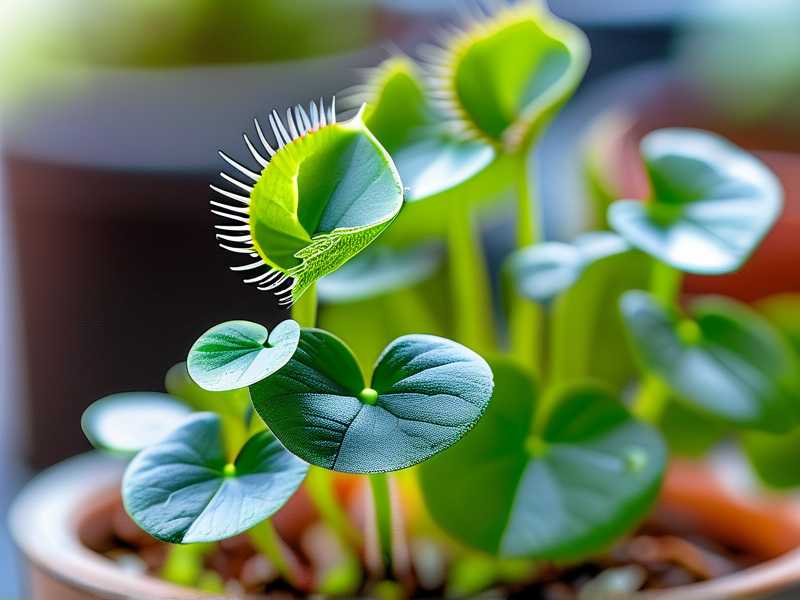
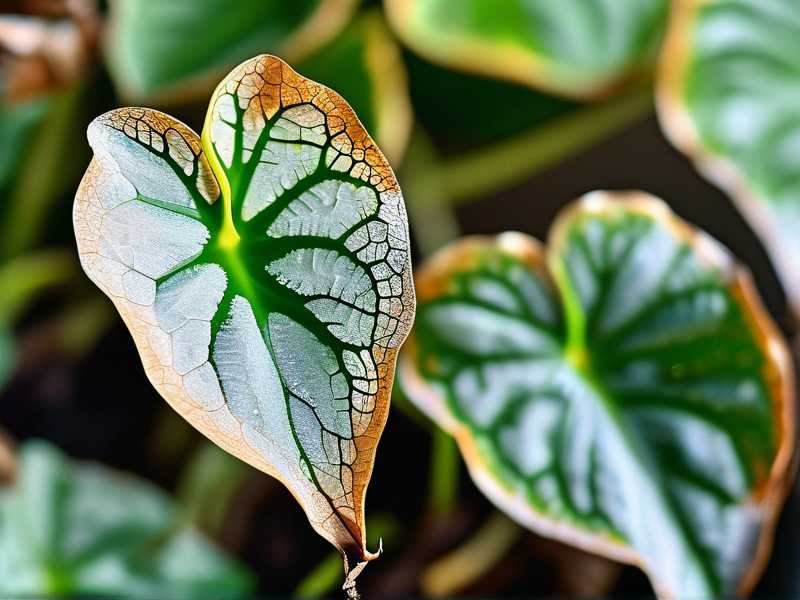
Sundews are carnivorous plants. Their whole trick is producing sticky mucilage on little tentacles so insects get glued down. That mucilage is basically sugar water sitting on the leaf surface. It can't survive the way normal houseplant leaves survive. When you mist a sundew from above, you're diluting that mucilage. The droplets sit there, the leaf can't absorb them fast enough, and then your room's air movement dries those droplets off, taking the plant's own moisture with them. You end up with a leaf that looks like it got sunburned, curled and brown at the tips.
I remember standing over my first cape sundew, spray bottle in hand, feeling like a good plant parent. Two days later half the leaves looked like dead autumn leaves. That was a hard lesson. I'd misted it four times in two days because it looked "dry." That was mistake number one.
What the real problem usually is
I've narrowed it down to a few things that actually matter, and they're not what most care guides lead with.
Water quality is huge. Tap water in most of the US, Canada, the UK, and Australia carries dissolved minerals, and sundews hate that. Those minerals build up on the leaf surface as the water evaporates. The buildup burns the mucilage and dries the leaf out. If you've been misting with tap water, stop. Use distilled water, rainwater, or reverse osmosis water. I switched to rainwater I collect in a bucket off my downspout, and the difference was obvious within a week. The new leaves came in shiny and sticky instead of matte and dry.
Humidity matters more than spraying. Here's the counterintuitive part. Misting raises humidity for maybe ten minutes. Then it drops right back. What your sundew actually wants is steady humidity in the 50 to 70 percent range, held there around the clock. I stopped misting entirely and instead set my pots in a shallow tray with a bit of water and placed a small clear plastic dome over the plants for part of the day. Not sealed tight. Just enough to keep the air around the leaves from drying out. Within 14 days the leaf tips were producing mucilage again.
Light and airflow interact with all of this. I once put a sundew in front of an air conditioning vent because the spot looked bright. The constant dry breeze stripped the leaves. You want bright light, ideally a few hours of direct sun or a strong grow light, but you don't want a fan or vent blasting dry air across the plant. I moved mine to a south-facing windowsill with a sheer curtain and no direct breeze, and that combination worked.
The three mistakes I see new growers make over and over
I've helped enough people with sick sundews online that the same patterns keep showing up. If you're stuck, odds are you're doing at least one of these.
The first is overwatering. I know that sounds odd for a plant that likes wet feet, but there's a difference between keeping the soil consistently moist and drowning the roots. This connects to a broader truth I've learned the hard way: 90% of indoor plants die from overwatering. That number surprised me too at first, but it tracks. When I first started, I poured water straight over the top of my sundew every morning, thinking more was better. The crown of the plant, where all the leaves come from, rotted. The outer leaves dried and crisped because the roots underneath were damaged and couldn't move water up. So the leaf drying wasn't a humidity problem at all. It was a root problem wearing a humidity costume.
The second mistake is lighting in the wrong place. Sundews need a lot of light to produce mucilage. Put them in a dim corner and they'll look dry and sad even if everything else is perfect. But the fix isn't to blast them with heat. I've seen people park a sundew under a high-wattage bulb inches away and cook the leaves. You want intense light without intense heat. A modern LED grow light at the right distance does this well. Older hot bulbs need more space. I use a basic full-spectrum LED panel about ten inches above the plants and it's been great.
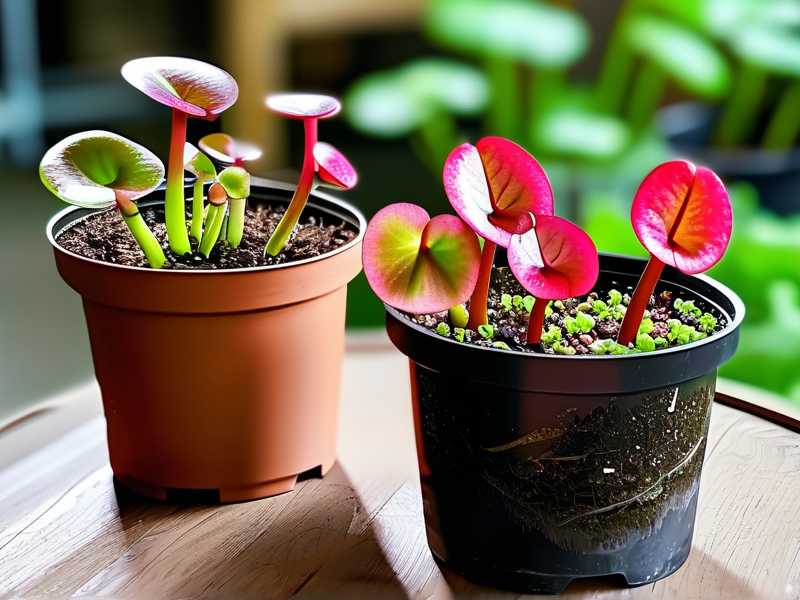
The third is using the wrong pot or soil. This one surprised me. Sundews want a soil mix that's mostly sphagnum peat moss and perlite or sand, with no fertilizer at all. Regular potting soil will kill them. As for the pot, I initially used a glazed ceramic pot because it looked nice. Big mistake. It held salts and made it hard to keep the moisture level even. Plain plastic pots, or better yet, a pot with drainage holes sitting in a water tray, work far better. I now use clear plastic cups with holes punched in the bottom for my smaller sundews, and I can see the roots and the moisture level, which honestly changed how well I care for them.
My actual two-week fix, step by step
This is the exact routine I ran on my Drosera spatulata after it dried out from over-misting. I kept notes, so this is real.
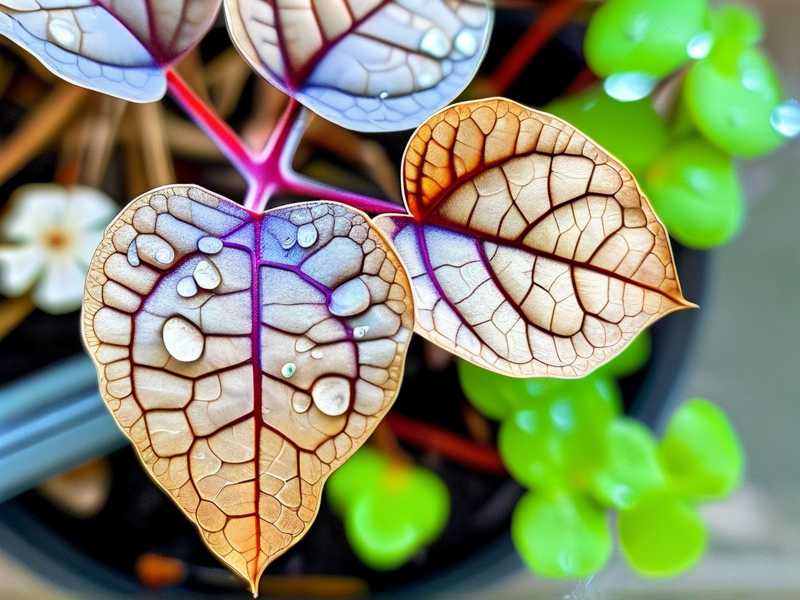
Day one, I stopped misting completely. I also cut off the dead leaves with clean scissors. Not all at once. I removed only the fully brown ones and left anything with a bit of green, because those leaves can still help the plant. Cutting too much at once stresses it.
Day one through three, I switched to distilled water and watered from the bottom. I set the pot in a tray with about half an inch of water and let it wick up. Top watering splashes the crown and can cause rot. Bottom watering keeps the soil evenly moist without soaking the leaves.
Day three, I placed a clear plastic cloche, one of those cheap propagation domes, over the pot for the first part of each day. I removed it in the late afternoon to let air circulate. This kept humidity up without sealing the plant in stagnant air, which invites mold. I've learned mold is a real risk when you overdo humidity, so I checked the plant every morning for fuzzy gray patches.
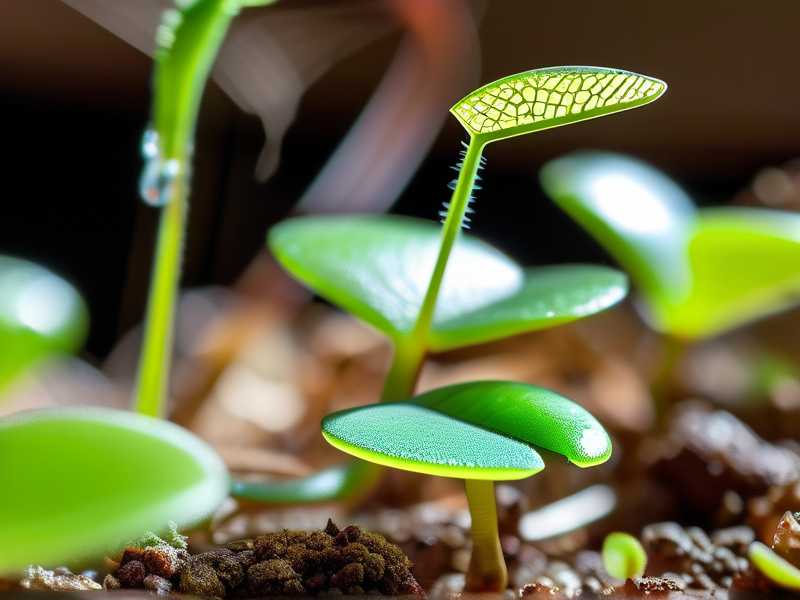
Day five, I noticed the newer inner leaves starting to glisten again. Tiny droplets of mucilage, barely visible. I got genuinely excited, which my family found amusing.
Day seven, the plant had two new leaves unfolding. They were small but clearly healthy and sticky.
Day ten, I could see the tentacles moving on a trapped gnat. That's when I knew the plant was back.
Day fourteen, the sundew looked better than when I'd bought it. Full crown of sticky leaves, no browning, no dryness. The key was consistency. I didn't change the routine, didn't sneak a misting in, didn't fuss.
I know that sounds slow. Two weeks feels long when you're watching a plant suffer. But plants don't heal on your schedule. I remind myself of that constantly.
A note on expert guidance
The Royal Horticultural Society recommends rainwater or distilled water for carnivorous plants and warns against tap water because of mineral buildup. I've found that to be spot on in my own growing. If you want reliable care info, their site is worth bookmarking. The American Horticultural Society also has solid resources on humidity management for indoor plants. Both are helpful if you want to dig deeper than a blog post.
What to do about airflow in winter
Here's something I ran into that most guides skip.
In winter, homes get dry. Heaters run, windows stay shut, humidity crashes. Sundews suffer in winter more than any other season. I learned to move my plants away from radiators and heating vents and to group them together on a tray. Grouping plants raises local humidity naturally. I also stopped running a ceiling fan in the room where they live. The gentle air movement that's fine in summer becomes a drying force in winter.
I also cut back slightly on watering in winter, just a bit, because growth slows and wet feet in cold conditions can rot the roots. Not dry, just slightly less soggy. Finding that balance took me a couple of seasons.
If you're using a terrarium
Some growers keep sundews in enclosed terrariums and never mist at all. I've tried this with mixed results. The problem is that sealed enclosures trap stagnant air, and stagnant air plus warmth equals mold. If you go this route, crack the lid open for a few hours a day. I've also found that terrarium sundews can get leggy because the humidity is so high they don't need to work for anything. I prefer the tray and dome approach because it gives me more control.
Should you ever mist a sundew?
Honestly, in most cases, no. Not as a routine. There's one situation where I do use a very light mist: if a sundew is recovering and the air in my house is below 40 percent humidity, I'll give the tiniest spritz into the air above the plant, not directly on the leaves, just to nudge the humidity up for a moment. That's it. I don't call that watering. I call it panic humidity, and I only do it when things are dire.
If you must mist, mist the air around the plant, never the leaves themselves, and use only distilled or rainwater. Even then, it's a band-aid. The real fix is managing your environment.
Frequently asked questions
How long does it take for a dried-out sundew to recover?
In my experience, about two weeks to see clear new growth if you fix the underlying cause. The plant won't repair old dried leaves. Those you trim off. Watch the center of the rosette for new leaves. That's where recovery shows up first.
Can a sundew that looks completely dry still be saved?
Sometimes yes, sometimes no. If the crown is still green and firm, there's hope. If the entire center is brown and mushy, the plant is probably gone. I've saved sundews with just one or two green leaves left in the crown. I've also lost ones that looked fine on the outside but had rotted roots. Gently check the roots. Healthy roots are white or light and firm. Brown and mushy means trouble.
Should I use a humidifier instead of misting?
Yes, a small humidifier nearby works far better than misting because it keeps humidity steady. I run one in winter and it's made a real difference. Just don't point it directly at the plant, and keep the room from getting so humid that mold grows on your walls.
The bottom line
Misting dried out my sundews because it diluted their mucilage, added minerals from tap water, and gave only a temporary humidity bump that air movement wiped away. Switching to distilled or rainwater, keeping steady humidity with a tray and a loose dome, giving bright light without dry drafts, and planting in the right soil and pot fixed it. I did this over two weeks and watched my plant come back to life. If you're stuck, stop spraying the leaves, fix the moisture at the roots and in the air, and give it time. You'll get your sticky little plant back.