bluename
 How to Help Sundew Seedlings Grow Strong Roots Fast
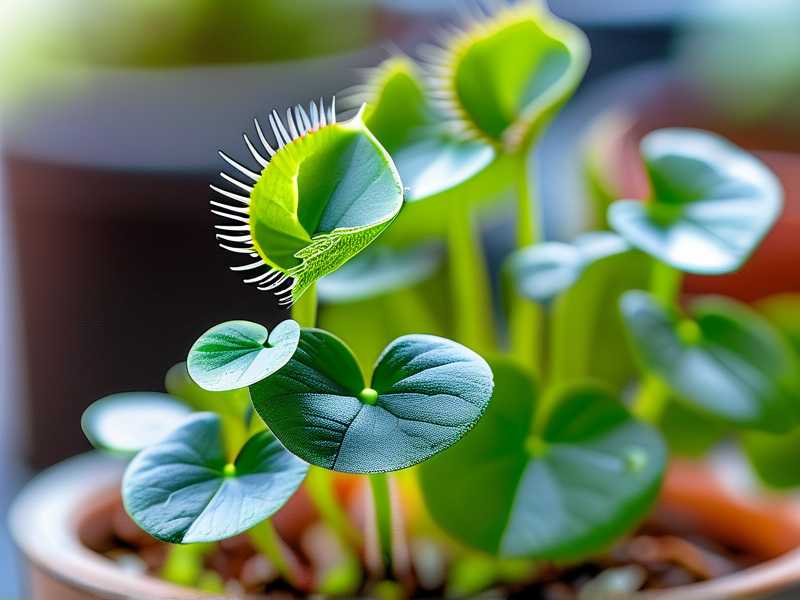
If your sundew seedlings are stalled at that fragile two-leaf stage, the fastest fix is almost always the same: cut the water, give them 12 to 14 hours of bright but gentle light, and move them into a shallow tray system instead of a deep pot. I learned this the hard way after killing three batches of Drosera seedlings in a row. Within two weeks of making those three changes, my surviving seedlings doubled their root depth and started throwing out new tentacles like crazy. So if you want to help sundew seedlings grow strong roots fast, start with drainage, light, and container depth. Everything else comes second.
I have been growing carnivorous plants on a windowsill and under cheap LED shop lights for about six years now. I am not a botanist. I am just a hobbyist who has made almost every mistake you can make with Drosera seedlings. That is why I want to walk you through what actually worked for me, including the ugly parts.
Why Sundew Seedlings Rot So Easily
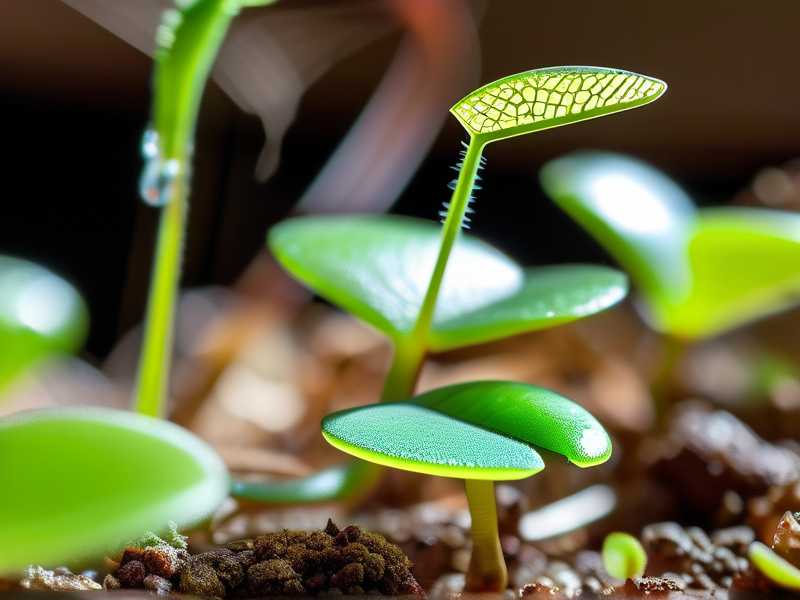
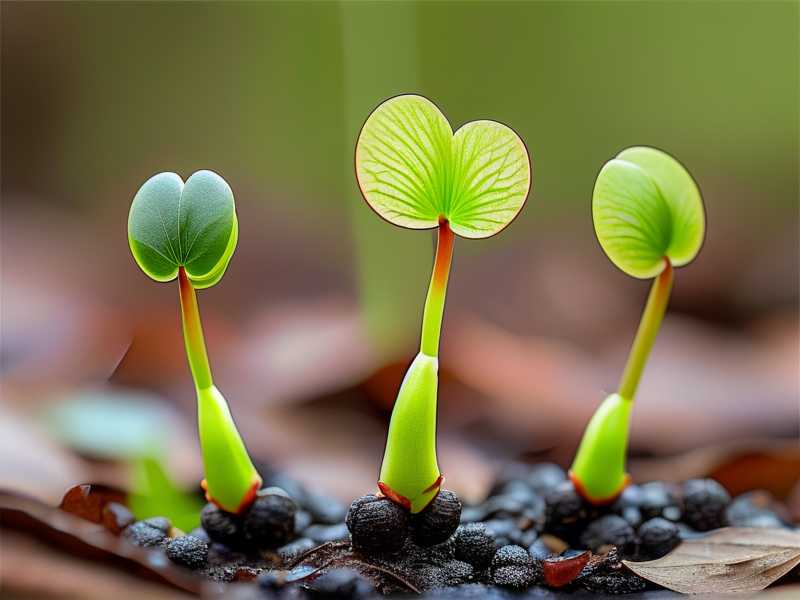
Sundew seedlings are tiny. Their root systems are barely visible to the naked eye for the first few weeks. Because of that, they cannot handle the same watering routine you might use for adult plants.
The Royal Horticultural Society notes that most carnivorous plants, including Drosera, are far more sensitive to waterlogged conditions at the seedling stage than mature specimens. I ignored that for way too long.
Honestly, I used to think more water meant faster growth. It does not. It means fungus gnats, algae, and damping-off. I lost an entire tray of Drosera capensis seedlings in four days because I kept the soil looking like a swamp.
You have probably heard this before, but it bears repeating: 90% of indoor plants die from overwatering. Sundews are not an exception. In fact, they might be worse because their natural habitat is boggy, so beginners assume they want constant flooding. They want moisture, not submersion. There is a big difference.
The 3 Mistakes That Killed My First Sundew Seedlings
Mistake 1: I watered from above like they were tomatoes. I drenched the soil surface every morning. The seedlings flopped over within a week. Root rot set in before I even realized what was happening.
Mistake 2: I put them under a hot grow light immediately. I figured strong light equals strong roots. Wrong. The seedlings dried out on top while staying soggy underneath. That is the worst combo.
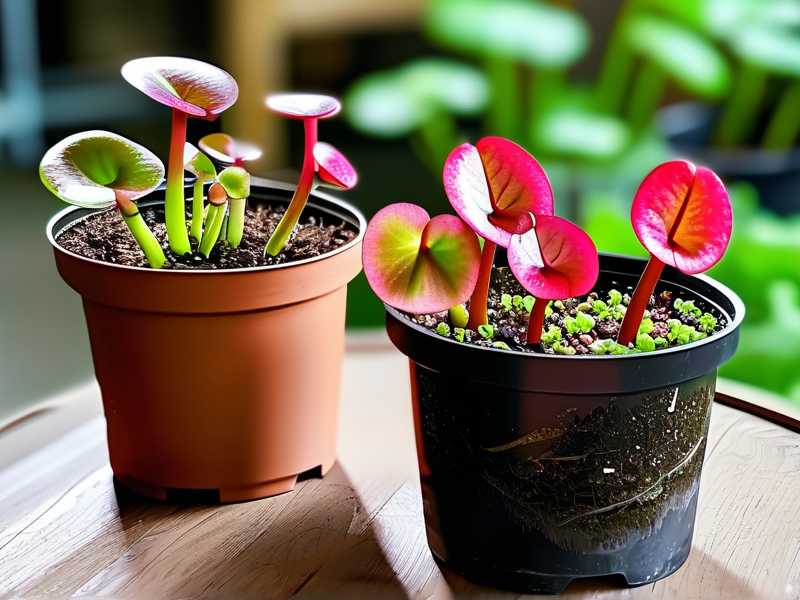
Mistake 3: I used a deep 4-inch pot. The roots never reached the bottom, and the lower soil stayed wet forever. A shallow tray would have solved this instantly.
I am not proud of those mistakes, but they taught me more than any guide ever did.
What I Changed Over Two Weeks (And What Happened)
Here is the exact routine I followed for 14 days with a fresh batch of Drosera spatulata seedlings. I kept notes because I wanted to see if the changes actually mattered.
Days 1 to 3: I moved the seedlings into a shallow seed tray, only about 1.5 inches deep. I filled it with a 50/50 mix of peat moss and perlite. No fertilizer. Ever.
Days 4 to 7: I switched to bottom watering only. I poured distilled water into the tray and let the soil wick it up. I never let the water level rise above a quarter inch.
Days 8 to 10: I raised my LED light to 8 inches above the tray and set it for 13 hours a day. I checked the leaves every morning for signs of stress. If they looked crispy, I moved the light up another inch.
Days 11 to 14: I saw the first real root development. When I gently tugged a seedling, it resisted. That never happened with my earlier batches. New tentacles appeared on almost every plant. The leaves turned a deeper red under the light.
By day 14, the roots were visibly longer and whiter. The seedlings stopped toppling over. I actually fist-pumped. My partner thought I was losing it.
Watering: The Single Biggest Factor
Let me be blunt. If you only fix one thing, fix your watering. Everything else is secondary.
Sundew seedlings want consistently moist soil, not dripping wet soil. I use the tray method because it is forgiving. You fill the tray, the soil pulls up what it needs, and you dump the excess after 20 minutes. That last part is critical. Leaving standing water for hours is how you grow algae instead of roots.
I also stopped using tap water entirely. The dissolved minerals build up in the soil and burn those tiny roots. Distilled water or rainwater only. I collect rain in a bucket on my balcony. It sounds extra, but it made a noticeable difference.
If you are unsure whether your soil is too wet, squeeze a pinch. If water drips out, it is too wet. If it feels like a wrung-out sponge, you are good. I check mine every other day, not every day. Overchecking leads to overfussing, and overfussing leads to overwatering.
Light: Bright but Not Brutal
Sundews need light to photosynthesize and build root mass. But seedlings are not ready for full sun or a high-intensity grow light at close range.
The American Horticultural Society recommends starting carnivorous seedlings under indirect bright light and gradually increasing intensity as they mature. I follow that advice now. I wish I had followed it sooner.
My current setup is a cheap 20-watt LED bar about 8 inches above the tray. I run it for 13 hours. That is enough to keep the plants compact and colorful without cooking them.
If your seedlings are stretching tall and thin, they need more light. If they are turning brown or curling, they need less. Simple as that. I check mine every morning with a quick glance. You will learn to read the leaves after a week or two.
Soil and Container Depth: The Overlooked Root Boosters
Roots grow where conditions allow. If your container is too deep, the lower layers stay anaerobic and roots will not colonize them. That is why I now use shallow trays for seedlings and only move them into deeper pots after they have four or five true leaves.
My soil mix is 50% peat moss and 50% perlite. Some growers add a little sand, but I find perlite alone gives enough drainage. I sterilize the mix by soaking it in boiling water and letting it cool before planting. This kills fungus gnat eggs and mold spores. I started doing this after a gnat infestation wiped out half my tray last spring.
Do not use potting soil with fertilizer. Do not use vermiculite. Do not use compost. These will kill your sundew seedlings faster than you can say "root burn."
Feeding: Less Is More
Sundew seedlings catch tiny insects on their own. You do not need to feed them. I tried feeding a few seedlings with diluted Maxsea once. Two of them died within 48 hours. The others just stopped growing for a week.
Now I let them hunt. If you are growing indoors and have zero gnats, you can skip feeding entirely for the first month. The plants will be fine. They store energy in their roots and wait for better conditions.
Humidity and Airflow: A Delicate Balance
High humidity helps sundew seedlings stay hydrated. But stagnant air invites mold. I run a small computer fan on low, pointed away from the tray, for two hours a day. That is enough to keep the air moving without drying out the soil surface.
I also keep a clear plastic dome over the tray for the first 10 days. After that, I prop it open for a few hours a day. By day 14, I remove it completely. This gradual weaning prevents shock.
My Two-Week Observation Log
I want to give you real numbers, not vague promises.
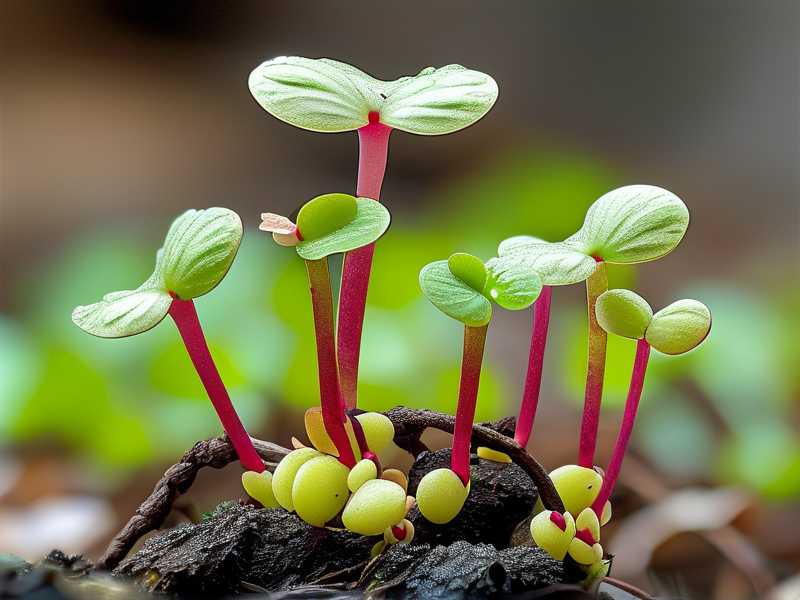
Day 1: Seedlings were 3mm across. Soil was too wet from my old routine. Day 3: Moved to shallow tray. Reduced water level. Day 7: No new growth yet. I panicked. I did nothing. That was the right call. Day 10: First new tentacles appeared. Roots still invisible. Day 12: Gently tugged a seedling. It held firm. Huge relief. Day 14: Roots visible through the side of the tray. White and branching. Leaves doubled in size.
That timeline is realistic. If you expect roots in three days, you will be disappointed. Sundews are slow at first. Then they surprise you.
Frequently Asked Questions
How often should I water sundew seedlings? Check the soil every other day. Water only when the top layer feels barely moist. Use the tray method and never leave standing water for more than 20 minutes. If you are in a dry climate, you might water every day. In humid climates, every three days is fine.
Can I use tap water if I let it sit overnight? No. Letting tap water sit does not remove dissolved minerals. Those minerals accumulate in the soil and damage roots. Use distilled water, rainwater, or reverse osmosis water. I know it is a hassle. Your seedlings will thank you.
Why are my sundew seedlings not growing roots? The most common reasons are waterlogged soil, insufficient light, and containers that are too deep. Fix those three things and give it two weeks. If the seedlings are still alive, they will start rooting. If they are brown and mushy, they are already gone. Start fresh with a better setup.
Final Thoughts
Growing sundew seedlings is not complicated, but it is unforgiving. Small mistakes compound fast. The good news is that the fixes are simple: shallow trays, bottom watering, moderate light, and patience.
I killed three batches before I figured this out. You do not have to. Start with the right container and the right water, and those tiny roots will do the rest.
Give it two weeks. Check the tray, not the calendar. And keep your hands off the water bottle. That is the hardest part, I know.