bluename
 How to Grow Drosera Rotundifolia (Round-Leaved Sundew): A Beginner’s Guide from a Fellow Plant Lover
I remember the first time I saw a Drosera rotundifolia, or round-leaved sundew, in the wild. Its tiny, glistening leaves looked like something from another planet, patiently waiting to trap an unsuspecting insect. I was captivated and immediately wanted to grow my own. But my initial attempts were a disaster. My first sundew turned into a sad, blackened speck within weeks. I was overwatering, using the wrong soil, and giving it entirely the wrong light. If you’re here, you might be facing the same frustration—the fear of killing this fascinating, delicate carnivore. You want a clear, actionable guide that cuts through the complex advice and gets results. After years of trial, error, and finally, success, I’ve perfected a method that works. In this guide, I’ll walk you through exactly how to grow Drosera rotundifolia successfully, sharing my real, hands-on steps, a detailed two-week observation log, and the crucial mistakes I made so you don’t have to.
Understanding Your Round-Leaved Sundew: It’s Not a Houseplant
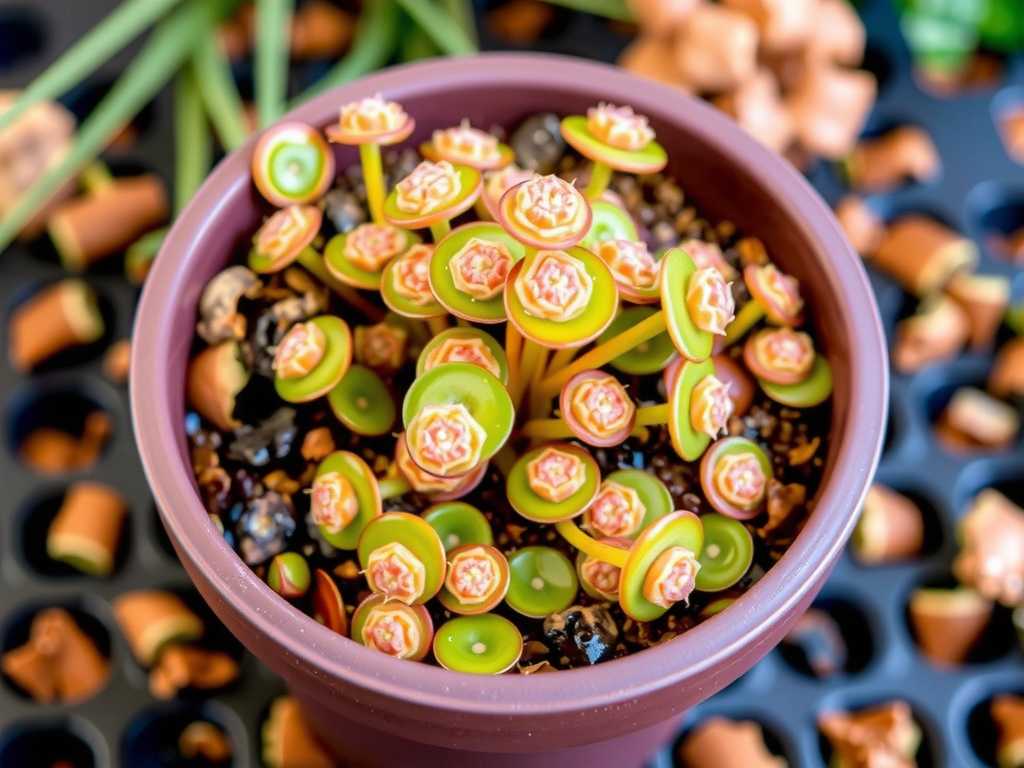
Before we get our hands dirty, it’s critical to understand what makes this plant tick. Drosera rotundifolia is a temperate carnivorous plant native to boggy, nutrient-poor environments across the Northern Hemisphere. According to the International Carnivorous Plant Society, treating it like a typical potted plant is the number one cause of failure. Its needs are specific: poor soil, mineral-free water, high humidity, and a winter dormancy period. It’s a survivor of harsh conditions, but it can’t tolerate our common gardening "kindness" like rich soil or tap water.
My Essential Toolkit for Sundew Success
Gathering the right materials from the start is 80% of the battle. Here’s what I use, learned the hard way:
- The Plant: Source your round-leaved sundew from a reputable carnivorous plant nursery. Never collect from the wild; it’s often illegal and ecologically harmful.
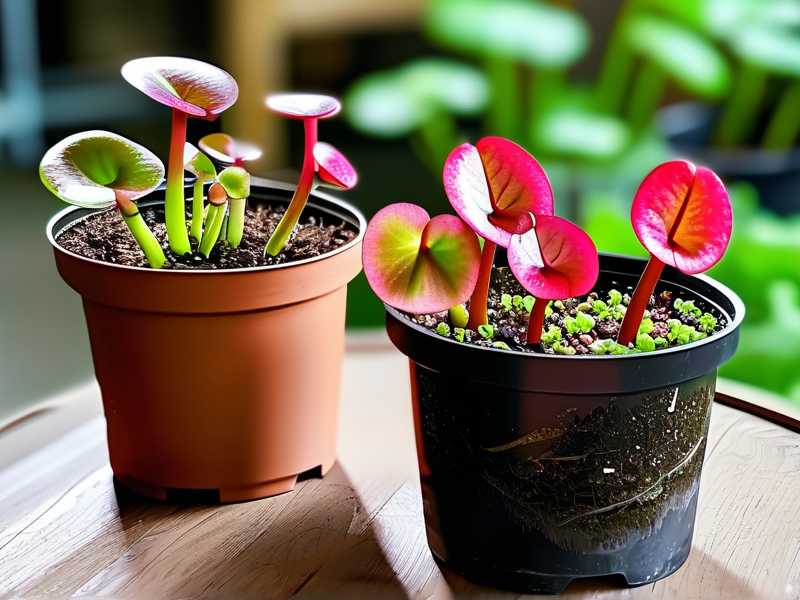
- Pot & Setup: A 4-6 inch plastic pot with ample drainage holes. I always use a plastic saucer underneath.
- The "Soil": A 1:1 mix of sphagnum peat moss and horticultural sand (or perlite). Crucial Note: Ensure both are unfertilized and washed. Any nutrients will burn the roots.
- Water: This is non-negotiable. Only use rainwater, distilled water, or reverse osmosis (RO) water. Tap water, even filtered, usually contains minerals that will slowly poison your plant. I keep a dedicated jug of distilled water.
- Light: A very bright south or west-facing windowsill or, even better, a simple LED grow light.
Step-by-Step: Planting and Initial Care
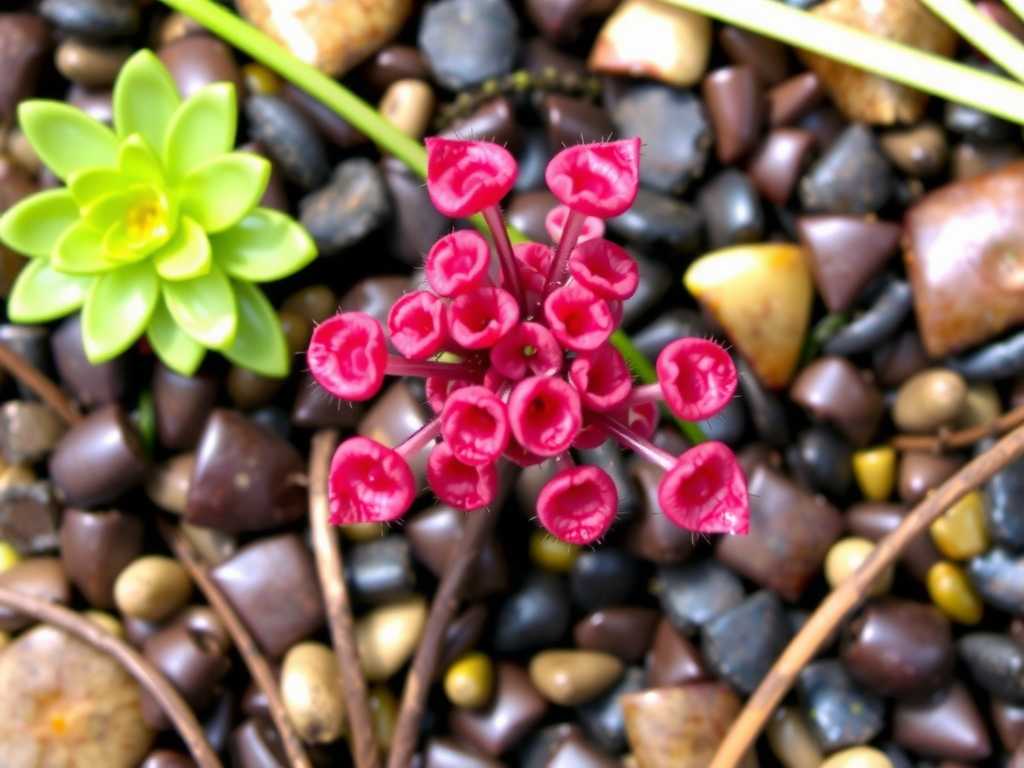
- Prepare the Pot: Soak your peat moss until it’s fully saturated with distilled water. Mix it with the sand. Fill your pot, leaving about half an inch from the rim.
- Planting: Create a small hole. Gently place your sundew’s roots in, ensuring the crown (where leaves emerge) is right at the soil surface. Don’t bury it deep.
- The First Watering: Water thoroughly from the top with your purified water until it runs freely from the drainage holes. This is the only time I water from the top.
- The Tray Method: Place the pot in its saucer. Always keep about 0.5 to 1 inch of purified water in the saucer. This mimics the constantly damp, boggy conditions the plant loves. Let it dry out slightly before refilling, but never let the soil become completely dry.
- Find the Light: I placed my potted Drosera rotundifolia under a basic 20W LED grow light, about 6 inches above the leaves, for 14 hours a day. A sunny windowsill can work, but growth will be slower and less colorful.
My Two-Week Observation Journal: What Actually Happens
I started this exact process with a new plant two weeks ago to document the real timeline for you.
- Days 1-3: The plant looks a little shocked from shipping and repotting. Some dew on the tentacles, but not abundant. I keep the water tray full and the light consistent.
- Days 4-7: New, tiny leaves begin to unfurl from the center! This is the first sign of success. The dew production increases noticeably, making the plant sparkle under the light.
- Days 8-10: The new leaves are fully formed and actively catching tiny fungus gnats from my other houseplants. The red coloration on the tentacles deepens—a sign of excellent light exposure.
- Days 11-14: Significant growth is visible. The plant has produced 4-5 completely new leaves. It looks robust and healthy. The root system is establishing itself.
The Pitfalls I Encountered (And How to Fix Them)
My first round-leaved sundew died because I made classic mistakes. Here’s how to avoid them:
- The Tap Water Trap: I used bottled spring water, thinking it was pure. The plant declined over a month. Solution: Switch to distilled/rain/RO water immediately. Flush the pot thoroughly with it to remove mineral buildup.
- The Fungus Gnat Fiasco: Overly wet peat in low light attracted gnats. Solution: I introduced a small, sticky carnivorous plant (a butterwort) nearby as natural control and slightly increased air circulation with a small fan. The sundew plant care routine wasn’t disrupted.
- Dormancy Denial: I tried to keep my first plant growing year-round. It became weak and died the second summer. Solution: Drosera rotundifolia requires a cold dormancy. In late autumn, I now move my plant to an unheated garage or cold frame (between 2-10°C or 35-50°F) for 3-4 months. I reduce the water tray level but never let the soil dry completely. It may look dead, but it’s resting.
Long-Term Care and Feeding
Feeding is the fun part but is not strictly necessary if the plant is outdoors or catching bugs. Indoors, I occasionally feed a single leaf with a dried bloodworm (fish food) rehydrated in a drop of water, once every 2-4 weeks. Never use fertilizer. Repotting is only needed every 2-3 years in early spring as the peat breaks down.
Expert Insights for Confidence
To bolster my own experience, I align my practices with authorities like the Carnivorous Plant Society (CPS) and experts like Barry Rice, author of Growing Carnivorous Plants. Their research consistently emphasizes the non-negotiable requirements: low-nutrient media, pure water, and adequate dormancy for temperate species. Following these expert-backed principles is what transformed my failures into a thriving collection.
Frequently Asked Questions
Can I grow Drosera rotundifolia outdoors? Absolutely, and in many climates, it’s ideal. If you live in a region with cold winters (USDA zones 3-7), you can grow it in a permanently wet, sunny bog garden or in a pot that stays outside year-round. The plant will experience natural dormancy. In warmer zones, you’ll need to simulate winter in a refrigerator.
Why are the dew drops disappearing on my sundew? Lack of dew is almost always a sign of insufficient humidity or light, or the use of improper water. Move it to a brighter location, consider a humidity tray (a shallow tray with pebbles and water under the pot), and double-check your water source. Stress from recent shipping or repotting can also cause temporary dew loss.
How do I propagate more round-leaved sundews? The easiest method is via leaf cuttings. In spring or early summer, I carefully peel a healthy leaf from the crown, lay it on the surface of moist sphagnum moss, and keep it under high humidity (a plastic bag over the pot works). Tiny plantlets will form at the leaf base in a few weeks. You can also collect and sow the tiny black seeds after flowering.
Growing Drosera rotundifolia is a rewarding journey that teaches patience and attention to detail. By respecting its unique needs—pure water, poor soil, bright light, and a winter rest—you’ll be rewarded with a mesmerizing, dewy carnivore that is both a beautiful living sculpture and a natural pest controller. Start with the right setup, learn from my missteps, and you’ll find that cultivating this piece of the wild bog is not only possible but deeply satisfying.